5 Common Custom Paper Bag Printing Problems
By
Contents
Let’s say you’ve spent weeks perfecting your restaurant’s brand. You finally approve the design for your new custom paper bags. When they arrive, you open the box, and the excitement fades. The color looks off, the logo isn’t quite sharp, and the bags just feel… cheap.
It’s a common story. A poor printing job can ruin a great design, and a bad first impression with your packaging is the last thing you want.
So, how do you avoid this? It starts with understanding the common pitfalls. Here are the five most frequent printing problems we see and how to make sure they don’t happen to you.
The Colors Don’t Match Your Brand
You have a very specific brand color. It’s on your website, your menus, and your signage. But on the paper bag, it’s either too dark, too light, or just plain wrong.
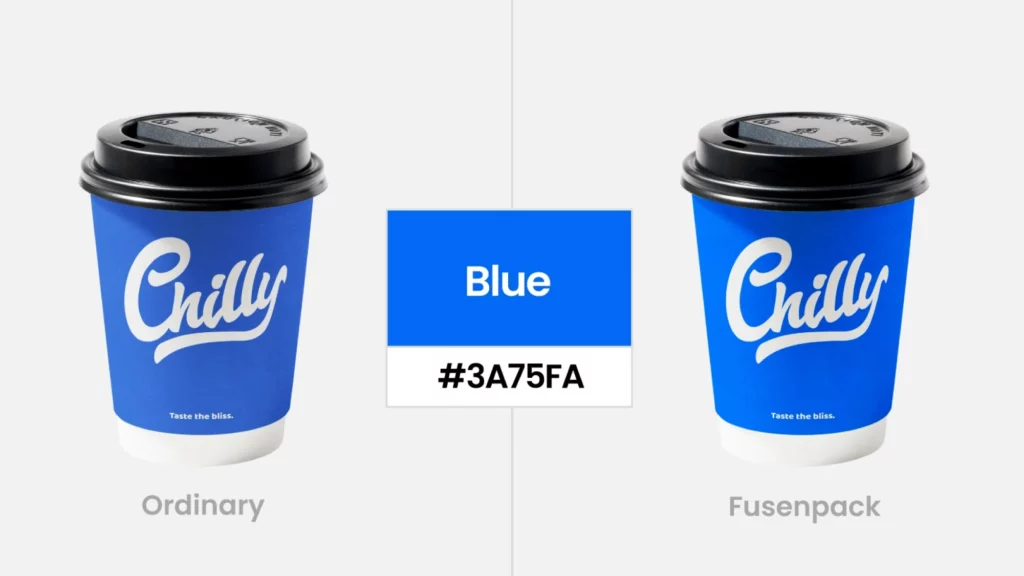
This usually happens because of a disconnect between screen colors (RGB) and print colors (CMYK). More importantly, a printer trying to “get close” by mixing standard inks will almost never achieve a perfect match for a unique brand color.
To get it right, you need a printer that uses the Pantone Matching System (PMS). Think of it as a universal book of color recipes. A specific Pantone code corresponds to a specific ink formula, guaranteeing the color is identical every time, on every product. At Fusenpack, we use the Pantone system to lock in your exact brand color, and we provide proofs for your approval before the full run, so there are no surprises.
The Bags Have a Strange Chemical Smell
You open the box of newly printed bags and are hit with a strong, chemical odor. This is an immediate red flag, especially for a food business. The smell is unpleasant for your customers and raises serious questions about whether the packaging is safe to be near food.
The cause is simple: cheap, industrial-grade inks. To save money, some suppliers use solvent-based inks that are not meant for food packaging.
A reputable packaging partner will never make this compromise. They will use food-grade inks, typically water-based or soy-based, which are non-toxic and have no odor. This should be a non-negotiable standard. We exclusively use certified food-grade inks to ensure your packaging is 100% safe for food contact and protects your customers’ health.
The Bags Rip and the Handles Break
There’s nothing worse than a customer’s order breaking through the bottom of a bag or a handle snapping off. It’s a mess, an inconvenience, and it makes your brand look unreliable.
This is a durability issue, and it comes down to the paper’s weight, measured in GSM (Grams per Square Meter). A lower GSM means thinner, weaker paper. Combine that with weak handle glue, and you have a recipe for disaster.
A good supplier will ask you what you’re putting in the bags. Are they for light pastries or heavy takeout containers? Based on your answer, they’ll recommend the right paper GSM (e.g., 100GSM for lighter items, 120GSM or higher for heavy duty use) and ensure the handles are reinforced to withstand the load.
The Logo and Text Look Blurry
Your logo has sharp lines, and your tagline is written in a clean, crisp font. But on the printed bag, the edges look soft, and the small text is hard to read.
This quality issue stems from two sources: either the design file was low-resolution, or the printer is using outdated equipment. Professional printing methods like Offset or Flexography are designed to produce sharp details, but only when done on well-maintained, high-precision machinery.
Our process at Fusenpack tackles this from both ends. First, our team reviews every piece of artwork. If the resolution is too low for a crisp print, we’ll let you know and help you fix it. Second, we use modern Heidelberg printing presses, known for their precision, to make sure every detail of your design is rendered perfectly.
You Get Hit with Hidden Fees or a Massive Minimum Order
You received a quote that seemed reasonable, but the final bill includes extra charges for “setup” or “printing plates.” Or maybe you’re a small coffee shop that only needs 1,000 bags, but a supplier tells you their minimum order is 10,000.
These are common gatekeeping tactics in the printing industry. Some suppliers hide costs in the fine print, while large factories can’t be bothered with smaller, more customized orders.
Your supplier should be a partner, not an obstacle. That means transparent pricing and flexibility. Our quotes are always clear and all-inclusive—no hidden fees. We also work with businesses of all sizes, from local cafes to national chains, offering manageable minimum order quantities that fit your actual needs.
Get Packaging You Can Be Proud Of
Your custom bag is often the last touchpoint you have with a customer. It should represent the quality and care you put into your food. By being aware of these common printing issues, you can choose a partner who will deliver a final product you’re truly proud of.
Ready for a smooth, professional printing experience? Talk to our team at Fusenpack. We’ll provide a clear quote and make sure your packaging looks perfect.