Custom To Go Boxes: The 2026 Guide for Restaurant Brands
By
Contents
- Why custom to go boxes matter in 2026
- Quick market snapshot — what the numbers say
- Choose materials based on food, cost, and claims
- Design principles that increase brand and reuse value
- Pricing, MOQs, and ordering logic — what to watch
- How to measure ROI from your boxes (simple test)
- Practical FAQ (about custom to go boxes)
- Quick look at Fusenpack products
- Custom To Go Boxes checklist (7 steps)
- Final thoughts — packaging that pays back
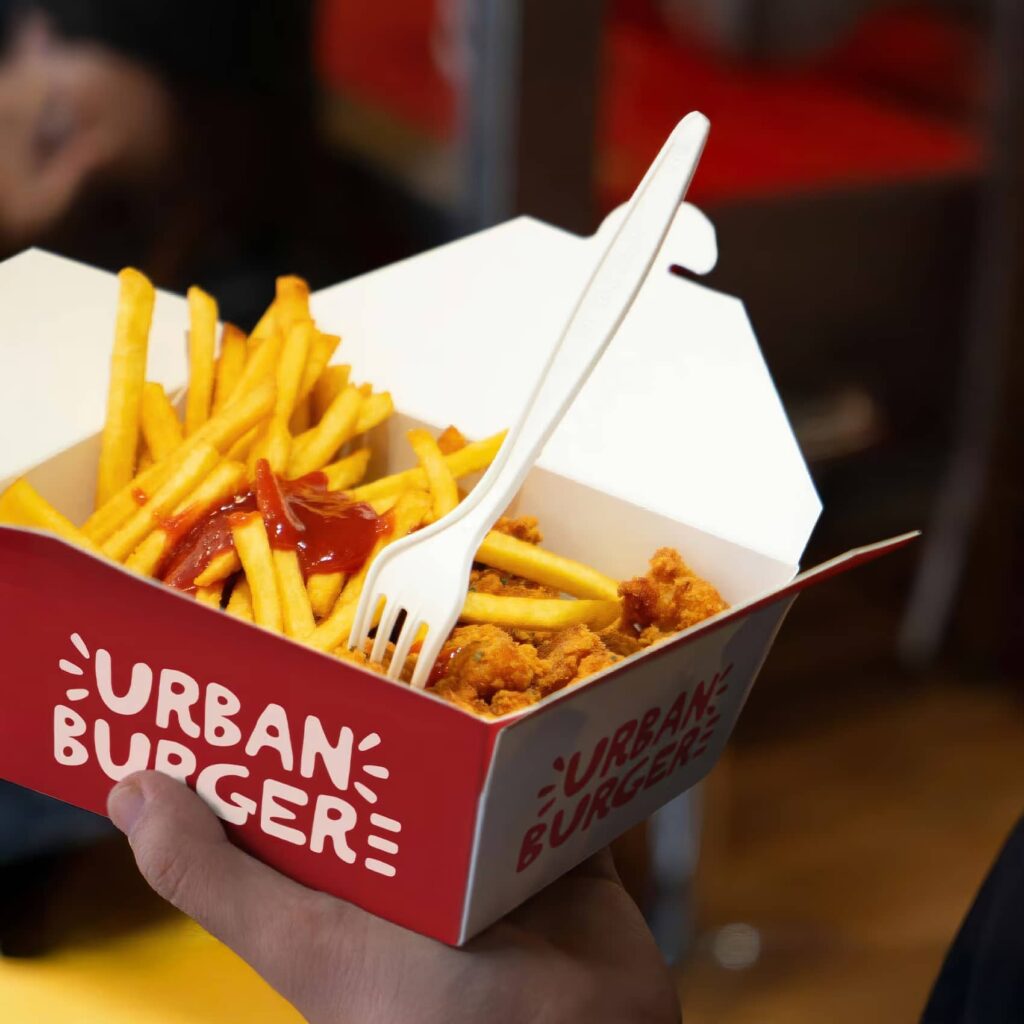
Takeout and delivery are everyday dining now. Every order that leaves your kitchen carries your brand — literally. That makes Custom To Go Boxes far more than containers: they are mobile brand touchpoints that protect food, improve customer experience, and create measurable marketing moments. This guide explains what to buy, how to design it, how to measure value, and what to watch for when you order — with data-backed context and real supplier examples.
Why custom to go boxes matter in 2026
Custom packaging turns every pickup and delivery into a walking advertisement. The global food packaging market continues to be a major industry; estimates place the market at roughly $446.5 billion in 2026, which underlines how important packaging choices are to food businesses today. (Data source: Precedence Research)
Beyond overall packaging, the personalized/custom packaging segment is growing quickly as brands seek differentiation. Forecasts show the personalized packaging market expanding substantially this decade — a trend that makes investing in branded to-go boxes a strategic move for restaurants of all sizes.
Quick market snapshot — what the numbers say
Global food packaging market (2026 est.): ≈ $446.5B. This scale means packaging design and material decisions are material to business outcomes. (Data source: Precedence Research)
Personalized/custom packaging: expected to grow strongly through 2035, driven by digital printing, e-commerce, and brand differentiation.
Takeout / food container demand: reports show the food container and takeout segment growing as delivery and convenience eating rise worldwide. Use these trends to justify testing branded packaging as a marketing channel. (Data source: Fortune Business Insights)
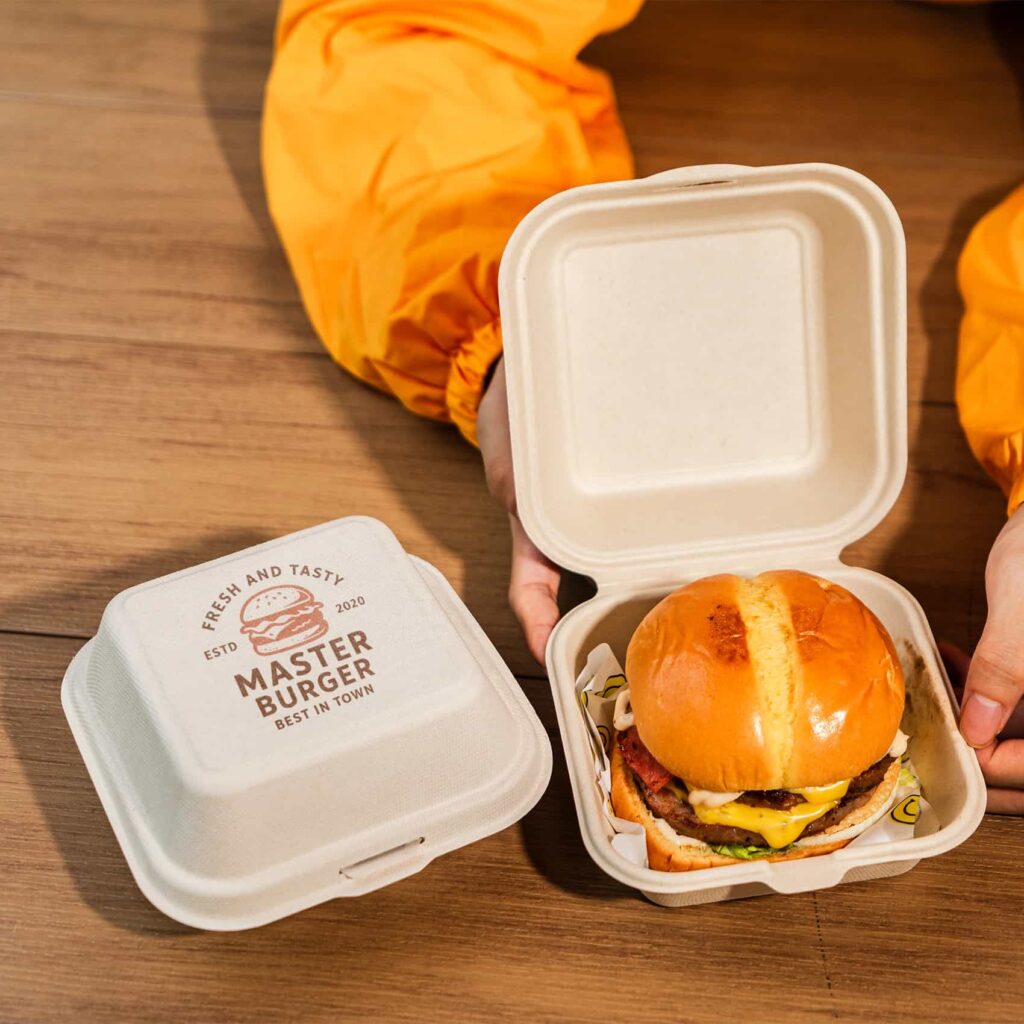
Choose materials based on food, cost, and claims
Material choice affects cost, functionality, and sustainability claims. Here are practical options and what to expect:
- Kraft paperboard — recyclable, natural aesthetic, cost-effective. Good for dry items and fast-casual brands.
- Bagasse (sugarcane fiber) — compostable and oil-resistant; ideal for oily or saucy foods but often requires commercial composting.
- Coated paperboard — great print fidelity and leak resistance; check coating type as it can affect recyclability.
- PLA / bioplastics — plant-based option; typically needs industrial composting for full breakdown.
If you plan to market boxes as “compostable,” request third-party verification. Fusenpack’s bagasse, FSC-certified paperboard and plant-based fiber boxes meet ASTM compostability standards.
Design principles that increase brand and reuse value
Good packaging design balances brand, function, and measurement:
- Make your brand visible. Clear logo, consistent color palette, and simple graphics work best at a glance.
- Single, trackable CTA. “Scan for 10% off next order” is better than a paragraph of marketing copy. Use a unique QR + UTM parameters or a promo code specific to a box run.
- Function first. Easy open, secure tab locks, venting for fried foods, and stackability for transport matter to customers and delivery partners.
- Test, measure, iterate. Use short runs to trial different designs and track which performs best by scans, promo redemptions, or repeat order lift.
A clear CTA + a short landing page converts an eyeball into an action and gives you data to measure the box’s marketing ROI.
Pricing, MOQs, and ordering logic — what to watch
Price per unit is only part of the story. Consider:
- Minimum Order Quantity (MOQ). Some production methods require large MOQs; digital printing reduces minimums but costs per unit may be higher for very small runs.
- Color and finish fees. Extra colors, special inks, or finishes (varnish, foil) often add set-up or per-unit costs.
- Shipping and storage. Bulk buys lower unit cost but tie up cash and require space. Some suppliers offer free storage/fulfillment for custom inventory — factor that into landed cost.
- Lead time. Custom runs (especially with tooling) can take weeks; plan new designs ahead of seasonal peaks.
Recommendation: start with a short digital-print run (or the supplier’s smallest MOQ), run a 30–60 day promo, measure results, then scale based on data.
How to measure ROI from your boxes (simple test)
- Print a unique promo code or QR on the box (code tied to point-of-sale redemption).
- Direct QR to a short landing page with UTM tags so web analytics can capture scan behavior.
- Track redemptions and repeat order rates for customers who used the promo or scanned the QR.
- Compare baseline (30 days before) with results after the new boxes. Even a small percentage lift in repeat orders can offset moderate increases in packaging cost.
Practical FAQ (about custom to go boxes)
Q: Are custom to go boxes eco-friendly?
A: Yes. Fusenpack’s custom to-go boxes use bagasse, FSC-certified paperboard and plant-based compostable fiber—all fully biodegradable and compostable, meeting relevant environmental regulations.
Q: Can small restaurants afford custom to go boxes?
A: Yes. Most of our custom to-go boxes start at 5,000 MOQ (way below industry standard). We also offer free professional design and free storage for small foodservice businesses.
Q: How long does it take to receive custom boxes?
A: Fusenpack’s custom to-go boxes have an estimated 8-12 weeks delivery time after ordering. Click “get free design & quote” on our site, and our team will reply within 36 hours with details.
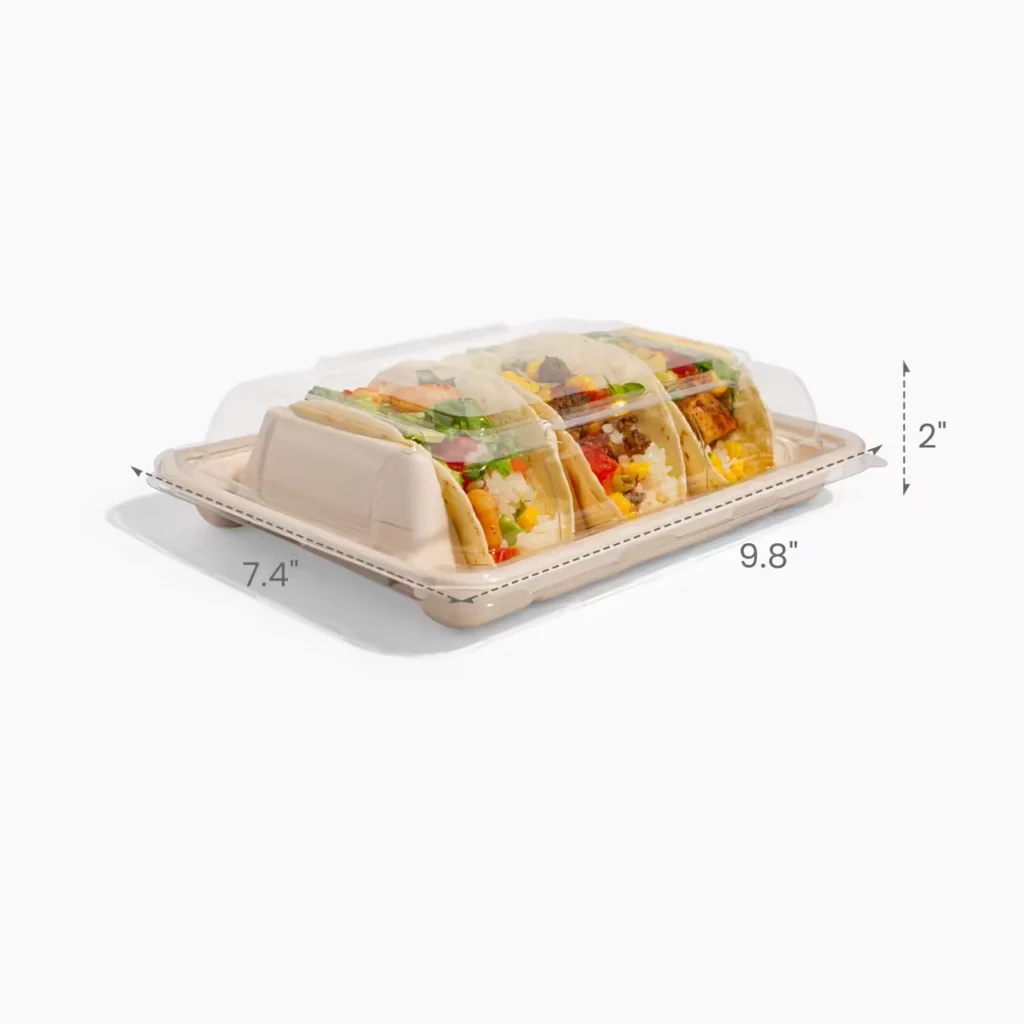
Quick look at Fusenpack products
| Product | Material options | Key features & services |
| Custom To Go Boxes | Kraft, coated paperboard, bagasse | Tab lock, vent holes, full-color printing; MOQ typically 5,000 units; free design and free storage options listed. |
| Pizza Boxes | Corrugated / coated board | Grease resistant, stackable, multiple sizes; full branding possible. |
| Burger & Sandwich Boxes | Kraft, coated | Compact, vented options, designed for handheld food protection. |
| Eco options | Bagasse, compostable trays | Compostable choices and certifications on product pages. |
(The table above is based on product listings and specs shown on the Fusenpack website; check the product page for the latest pricing and MOQ before ordering.)
Custom To Go Boxes checklist (7 steps)
- Define the primary metric (QR scans, promo redemptions, or repeat orders).
- Choose material by food type and by local disposal infrastructure.
- Request BPI/ASTM documentation for compostability claims.
- Ask the supplier for sample proofs and a physical sample.
- Confirm MOQ, per-unit price, color fees, and lead time.
- Run a small test (30–60 days) and collect data.
- Iterate on design and scale what works.
Final thoughts — packaging that pays back
Custom to go boxes are a strategic investment. They protect food, reflect your brand, and — if you design and measure correctly — become a repeatable marketing channel. Start modestly: test a single design, track one measurable outcome, then expand when the data proves value.
Partner with Fusenpack for tailored custom to go boxes solutions: our offers free design and free storage services — useful if you want design help and simplified inventory management. Eco-friendly options and seamless end-to-end support, we turn your takeout boxes into high-return brand and marketing assets, making your strategic packaging investment simple and effective.
For more information, please contact Fusenpack!