How to Design Salad Shop Packaging: Step by Step Guide
By
Contents
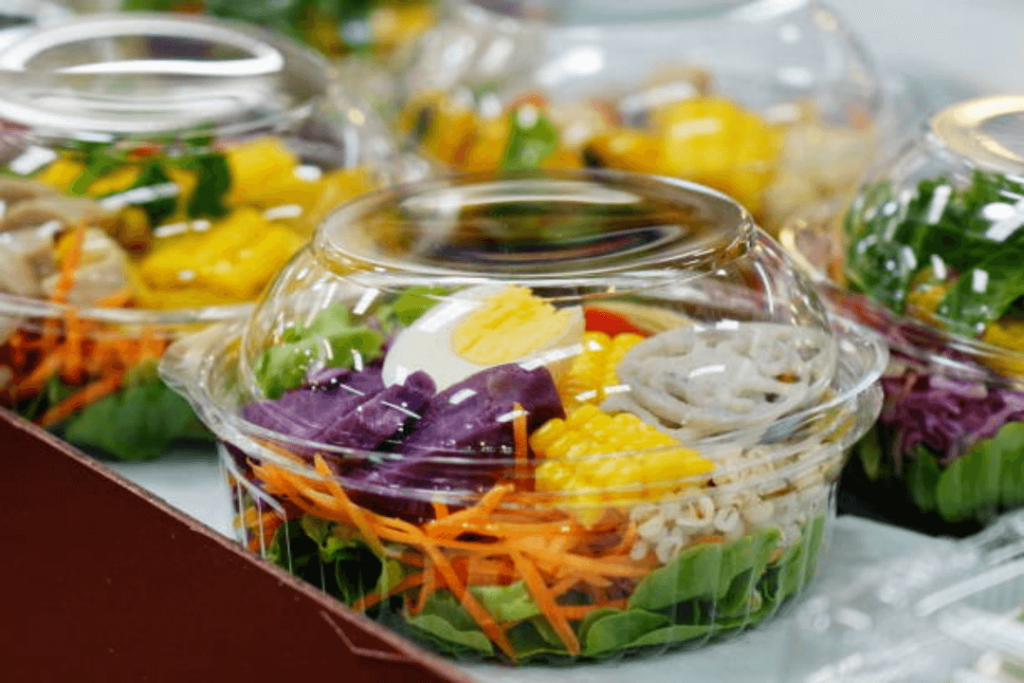
Are you looking to learn how to design salad shop packaging? You need packaging that keeps your salad fresh, convenient to use and looks attractive to your clients. Besides this, the growing pressure to make it eco-friendly adds an extra layer of complexity.
But don’t worry, as this article is here to guide you through the process. We will walk you through each step, from choosing materials right down to designing for functionality and style.
Whether you are targeting sustainability or a design that really hits the mark, you’ll learn all you need to know for excellent packaging.
So, let’s get started.
Step 1: Define Your Brand Identity
Before jumping into design, define what your brand is and who your target audience is. Is your shop focused on eco-friendly practices, premium organic ingredients, or convenience?
Knowing what your core values are will help drive packaging decisions. For example, a premium salad might call for upscale, minimal packaging, while an eco-conscious brand would use compostable materials.
Step 2: Choose the Right Packaging Material
The right material has to be chosen depending on your need for maintaining freshness and telling something about your brand’s values. More ecological varieties like biodegradable plastics, recycled PET, or even compostable containers made from plant fibers are going to appeal to environmentally conscious consumers.
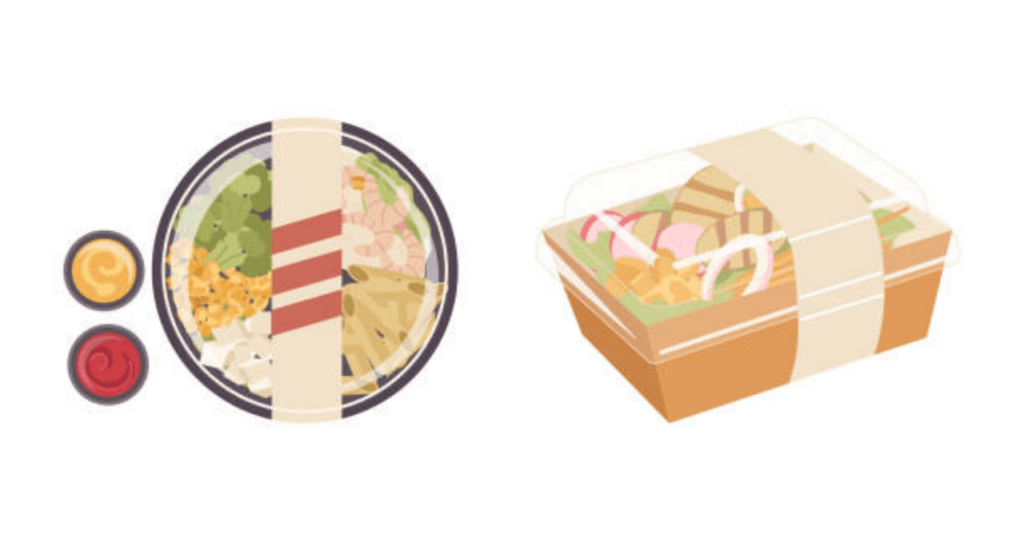
Besides, ensure the material maintains the salad freshness and can take inserts for proteins or dressings.
Materials to Consider:
- Recycled PET (r-PET): Highly transparent and recyclable.
- Compostable Fiber: Ideal for brands focused on sustainability.
- Multi-use plastics: Great for resealable or reusable containers.
Step 3: Ensure Functional Design Features
Salad packaging should be functional, ensuring freshness and convenience. Incorporate practical features like:
- Airtight seals: To keep the salad fresh longer.
- Tamper-evident features: Such as tear strips or button locks to ensure safety.
- Compartmentalized containers: Include inserts for dressings, proteins, or toppings, allowing customers to mix ingredients just before eating.
Step 4: Focus on Sustainability
Sustainability is an increasingly important factor for consumers. Packaging should be used that is easily recyclable or composted to minimize the impact on the environment. Employ a minimalistic design with respect to decoration to improve recyclability.
- Pro Tip: Take advantage of resealable lids instead of extra plastic films to reduce the use, and improve recyclability.
Step 5: Design for Brand Recognition
Create an innovative and attractive design that harmoniously conveys the essence of your brand. Consider how the packaging will look in a shelf display:
- Use Color and Imagery: Bright, fresh colors that reflect the vibrancy of the salad ingredients themselves will be appealing.
- Branding Elements: Add your logo, slogan, and any key selling points that help sell your product, such as “organic” or “locally sourced”.
- Creative Typography and Graphics: Use modern clean fonts and add fun visuals, such as character illustrations or food humor that delight the customers.
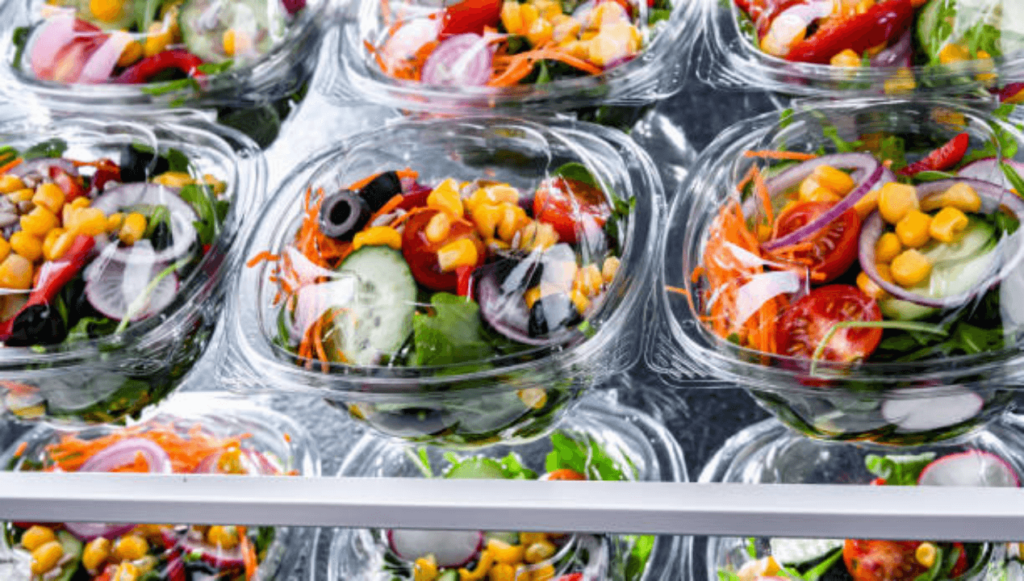
Step 6: Incorporate Transparent Elements
Packaging that shows transparency allows the consumer to see the product itself, which is very important attribute for fresh salads. The clarity of the packaging suggests immediate freshness and quality and will make the salad far more appealing to shoppers.
Step 7: Optimize Labeling Space
Do not waste labeling space, but don’t over-crowd the design. All vital information is needed for ingredients, nutritional facts, and brand identity that clearly can be seen and read. Employ smart strategies in the layout and keep the packaging clean and full of information.
Step 8: Prototyping and Testing
Prototype the packaging for functionality, test it, and finalize the design, while ensuring that transporting, shelf life, and usability are achieved. You can also conduct focus groups or customer surveys in order to get feedback about the look and practicality of your packaging design.
These steps will make your salad shop packaging not only preserve the freshness of your product but also speak to consumers and reinforce the identity of a brand.
Final Words
So, that’s how to design salad shop packaging. By following simple steps, like understanding your brand, picking the right materials, and including useful features, you can create packaging that keeps your salads fresh and looks great.