5 Best Alternatives to Plastic Packaging in The Foodservice
By
Contents
In today’s environmentally conscious world, foodservice businesses are increasingly seeking sustainable alternatives to plastic packaging. With growing consumer demand for eco-friendly options and stricter regulations on single-use plastics, the industry is embracing innovative solutions that reduce environmental impact without compromising food safety or quality. This article explores the five best alternatives to plastic packaging in the foodservice, highlighting how companies like Fusenpack are leading the way with their sustainable packaging solutions, from custom paper take-out boxes to biodegradable fiber bowls.
3 Reasons to Eliminate Plastic Packaging from Your Restaurant
Before we jump into the alternatives, let’s talk about why you should care about ditching plastic in the first place:
First off, the environmental impact can’t be overstated. Every year, the foodservice industry contributes millions of tons of plastic waste to our environment, and here’s the kicker—most of it isn’t even recyclable! They’ll be around for hundreds of years, breaking down into microplastics that contaminate our oceans and harm wildlife.
Second, saving the oceans and wildlife is also saving your business, too. Consumer demand for sustainable practices has skyrocketed in recent years. A whopping 73% of diners say they’re more likely to choose restaurants with environmentally friendly packaging options. That’s not just a statistic; it’s a massive potential customer base that’s making decisions based on your packaging choices.
Lastly, regulatory compliance is becoming increasingly unavoidable. Cities and states across the country aren’t just suggesting you reduce plastic use—they’re demanding it. From plastic straw bans in California to comprehensive single-use plastic regulations in New York, the legislative landscape is changing rapidly. Getting ahead of these requirements is a smart business plan.
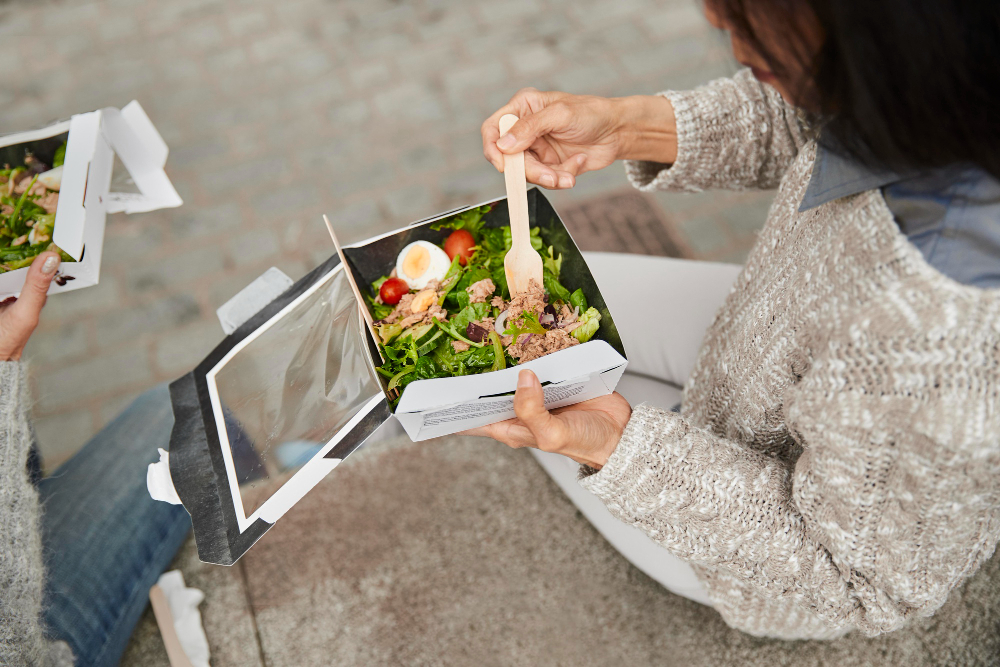
Eliminating plastic packaging isn’t just an environmental choice; it’s a strategic business move that addresses consumer preferences and regulatory trends while contributing to global sustainability efforts. Now, let’s explore the alternatives that’ll help you make this crucial transition.
Beyond Plastic: 5 Sustainable Alternatives to Plastic Packaging
Now that you’ve learned why ditching plastic is a smart move, let’s dive into what you can actually replace it with. The good news? You’ve got options—lots of them!
1. Paper Packaging
Let’s start with the most obvious alternative—paper! It’s not just for wrapping sandwiches anymore. Modern paper packaging has come a long way, with innovative coatings that make it suitable for everything from saucy pasta dishes to juicy burgers.
For many restaurants, the transition to paper begins with something as simple as deli paper. Delis and cafés are finding that high-quality deli paper with food-safe coatings can replace plastic wrap for everything from on-the-go sandwiches to bakery items.
Moving beyond simple wraps, Custom Paper Take-Out Boxes are leading this revolution with their sturdy construction and grease-resistant properties. What’s particularly impressive is how these boxes maintain structural integrity even when holding moist foods. Plus, they’re fully customizable, meaning your branding doesn’t have to suffer just because you’re going green.
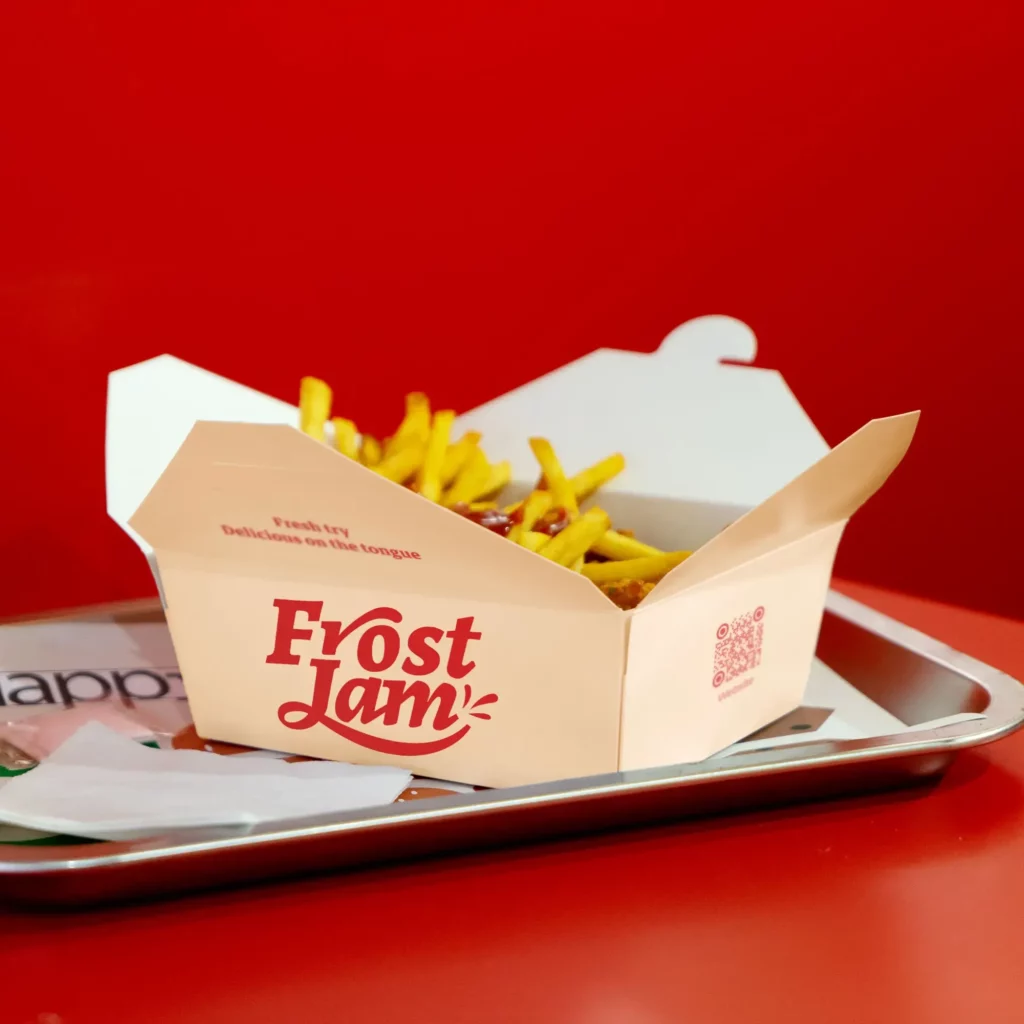
From sandwich wraps to salad containers, paper packaging offers versatility without the environmental guilt, making it an excellent first step for restaurants looking to reduce their plastic dependence while maintaining quality presentation and functionality.
2. Cardboard Packaging
Moving up in durability, cardboard packaging provides robust structure for heavier foods and delivery items. It’s the workhorse of sustainable packaging—reliable, affordable, and surprisingly versatile.
Fusenpack’s Custom Pizza Boxes exemplify the perfect marriage of functionality and sustainability. These boxes aren’t just about holding a pizza—they’re engineered with venting that keeps crusts crispy while retaining heat. And unlike their plastic or styrofoam counterparts, they’re made from responsibly sourced materials that can be recycled or composted after use.
What many restaurant owners don’t realize is that cardboard actually offers custom printing surfaces for branding compared to plastic. The natural finish provides a premium look that resonates with environmentally conscious consumers, potentially elevating your brand perception while reducing environmental impact.
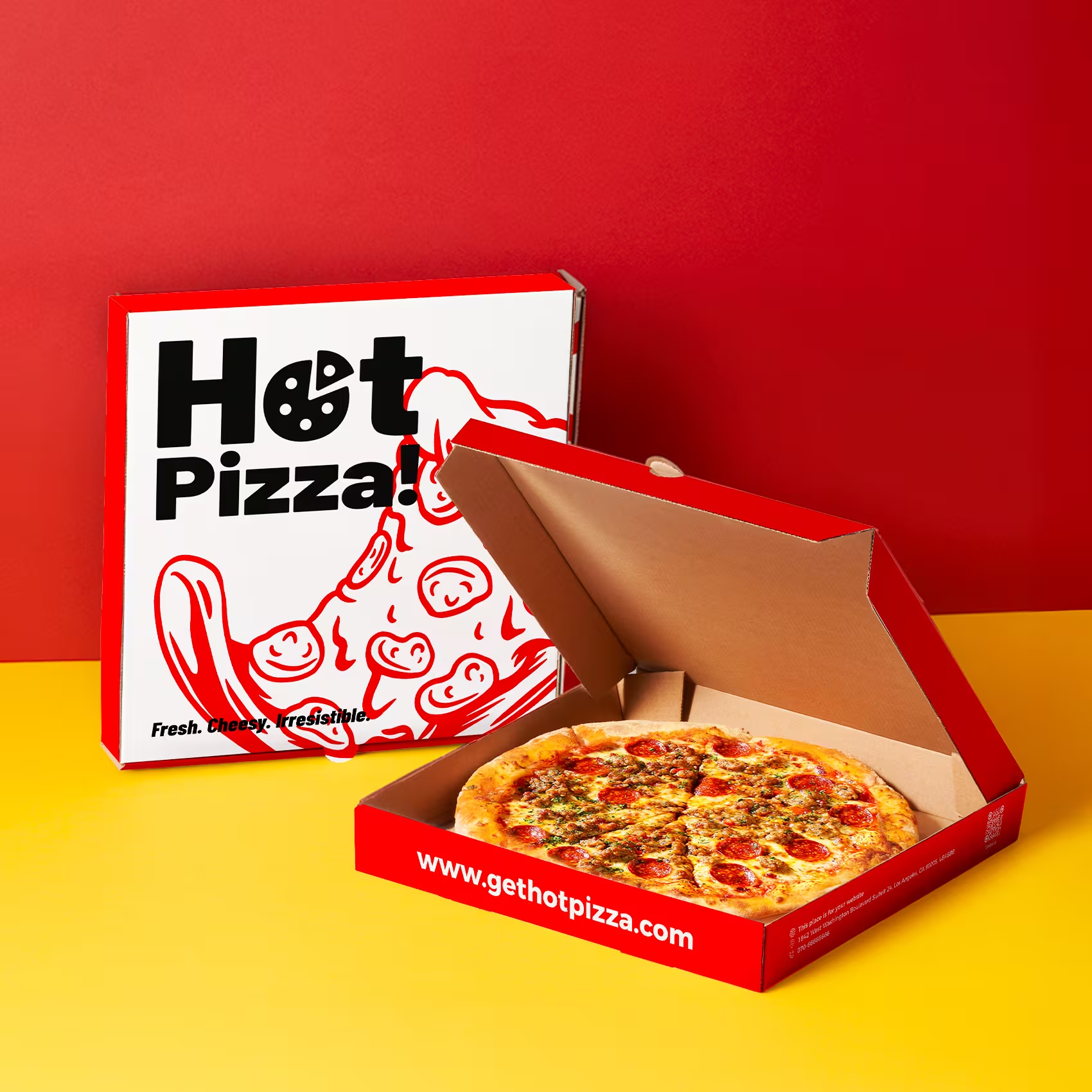
From pizza and pasta to complete meal kits, cardboard packaging offers the structural support needed for substantial meals while aligning with eco-friendly business practices that increasingly drive consumer purchasing decisions.
3. Fiber-Based Solutions
For hot foods and liquids that traditionally required plastic, fiber-based packaging is nothing short of revolutionary. Made from plant materials like sugarcane bagasse, wheat straw, or bamboo, these containers offer impressive performance without the environmental downsides.
Fusenpack’s Custom Fiber Bowls stand out in this category. They’re microwave-safe, leakproof, and can handle temperatures that would warp conventional plastic. The natural insulation properties mean they keep hot foods hot without burning customers’ hands—a win-win for functionality and user experience.
The eco credentials here are impressive too. Most fiber-based packaging is commercially compostable, breaking down in just a few months rather than centuries. And since they’re made from agricultural byproducts, they represent a circular economy approach that reduces waste across multiple industries.
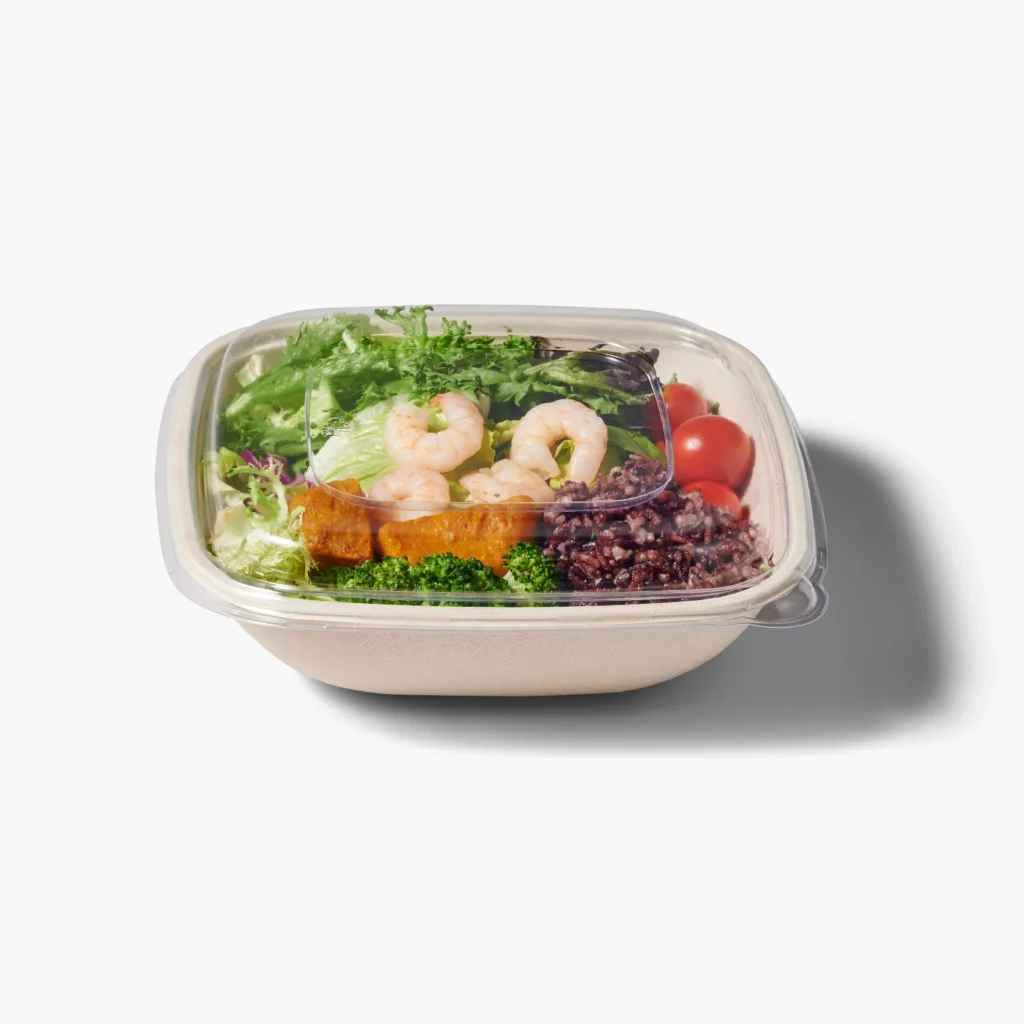
Whether you’re serving up steaming soups, hearty stews, or grain bowls, fiber-based containers provide the perfect combination of performance and sustainability that today’s consumers increasingly demand from their favorite food establishments.
4. Recyclable Polymers
When durability and clarity are essential, recyclable polymers provide an eco-conscious alternative to traditional plastics. Polypropylene (PP) cups, like Fusenpack’s Custom Clear Boba Cups, maintain the strength and crystal-clear visibility needed for showcasing vibrant drinks while offering a sustainable end-of-life solution.
PP is widely accepted in recycling programs, making it one of the most practical choices for reducing plastic waste. Unlike biodegradable plastics that require specific composting conditions, recyclable PP can be repurposed into new products, helping to minimize landfill contributions. Its lightweight nature also results in a lower carbon footprint during transportation compared to heavier materials.

Additionally, PP is BPA-free and resistant to heat, ensuring a safe and reliable choice for cold beverages like bubble tea, smoothies, and iced coffee. By choosing recyclable PP cups, businesses can align with sustainability efforts without compromising product quality or customer experience.
5. Edible Packaging
For the ultimate zero-waste solution, edible packaging is a frontier in sustainable food packaging. These innovative materials are made from natural, food-grade ingredients like seaweed, rice, and even wheat bran, allowing customers to eat the packaging instead of tossing it.
For example, some companies are experimenting with seaweed-based coatings that could replace plastic wrap for snacks or baked goods. Similarly, waffle-cone-inspired bowls for ice cream or coffee offer a functional and waste-free alternative to traditional disposable containers.
The key advantage of edible packaging is its complete elimination of packaging waste, offering businesses a creative way to align with sustainability efforts. Although challenges remain, this concept represents a glimpse into the future of eco-friendly food packaging. As technology advances, edible solutions may soon complement recyclable and compostable packaging options, giving businesses and consumers even more ways to reduce their environmental footprint.
Fusenpack: Your Alternatives to Plastic Packaging
After exploring these alternatives, you might be wondering how to implement them effectively in your restaurant. That’s what specialized suppliers like Fusenpack aredoing.
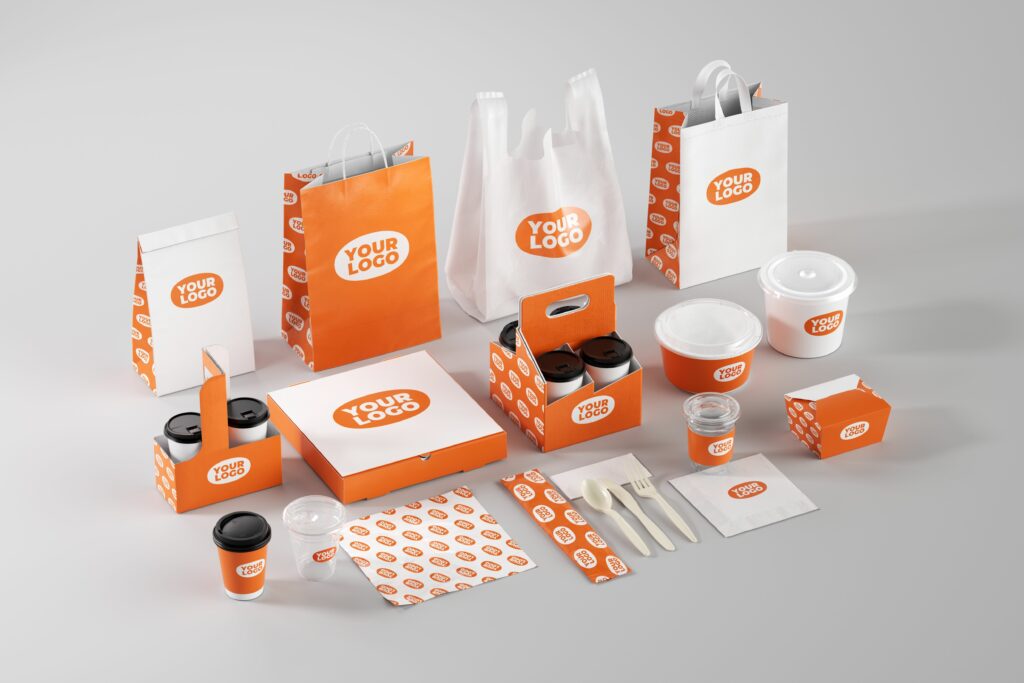
Unlike generic packaging providers, Fusenpack focuses exclusively on sustainable alternatives to plastic packaging for restaurants. What truly sets Fusenpack apart is their customization of food packaging. They recognize that your packaging is an extension of your brand, which is why their design team works with restaurants to create custom-printed containers that maintain brand identity while transitioning to sustainable materials. Whether you’re a quick-service restaurant needing thousands of identical containers or a boutique café looking for distinctive packaging that stands out, their solutions scale to meet your specific requirements.
The quality factor can’t be overlooked either. Many restaurants hesitate to switch from plastic because they fear alternatives won’t perform as well. Fusenpack’s rigorous testing process ensures their products meet or exceed the performance of traditional plastics.
Besides, Fusenpack offers competitive pricing that makes sustainability accessible. By specializing in eco-friendly foodservice packaging and operating at scale, they’ve managed to bring costs down to levels that make economic sense.
Conclusion
The shift away from plastic packaging in the foodservice industry is reshaping how restaurants operate and compete. By exploring alternatives to plastic packaging like paper containers, cardboard boxes, fiber-based solutions, biodegradable polymers, and reusable programs, forward-thinking establishments are discovering that sustainability and business success can go hand in hand.
Partners like Fusenpack are making this transition easier than ever, offering specialized solutions that maintain food quality and brand identity while dramatically reducing environmental impact!