How to Design Paper Bag: Effective Tips
By
Discover how to design a paper bag that is practical, eco-friendly, and visually appealing. Learn about the key factors involved in creating the perfect paper bag for your business, including materials, design, and storage.
With the rise of environmentalism, more people are choosing eco-friendly packaging materials like paper over plastic. For those in the food and retail industries, paper bags have become a popular choice. But how to design a paper bag that not only attracts customers but also serves its purpose? Here are some essential tips on how to design paper bags effectively.
Define the Purpose
The first step in how to design paper bag is to clearly define its purpose. Will the paper bag be used for food packaging, as a shopping bag, or as a gift bag? The intended use will determine the size and shape of the paper bag, ensuring that it is both functional and practical. Depending on the specific needs, you should also consider the structure of the paper bag, making sure it can hold weight without tearing easily.
Choose the Right Materials
Next, selecting the appropriate material is crucial in designing a paper bag. Options include kraft paper, white cardboard, or eco-friendly recycled paper. The material you choose affects both the texture and strength of the bag. If environmental sustainability is a priority, consider using biodegradable or recyclable materials. As sustainability becomes increasingly important, using eco-friendly ink and reducing excess packaging design can enhance your brand image.
Focus on the Appearance
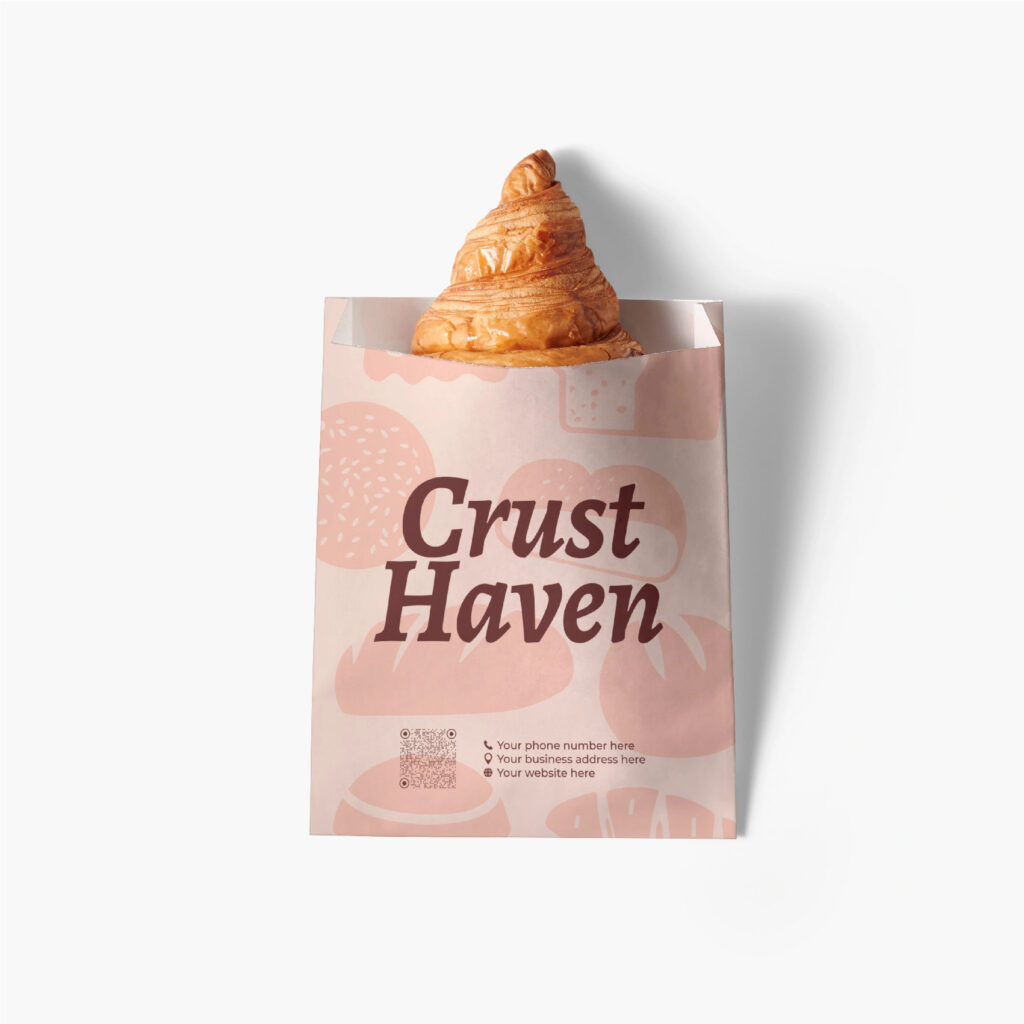
A key part of how to design paper bag is its appearance. The design should reflect your brand’s identity. Choose colors, patterns, and logos that align with your brand image. Simple, elegant designs often catch customers’ eyes more easily. If the bag is meant for food packaging, consider adding fun and food-related themes to the design.
You can even use AI to speed up the design process. You can choose a partner to help you with the design. For example, the design company FUSENPACK specializes in using AI to create packaging designs, making the process simpler and more efficient.
Consider Printing Techniques
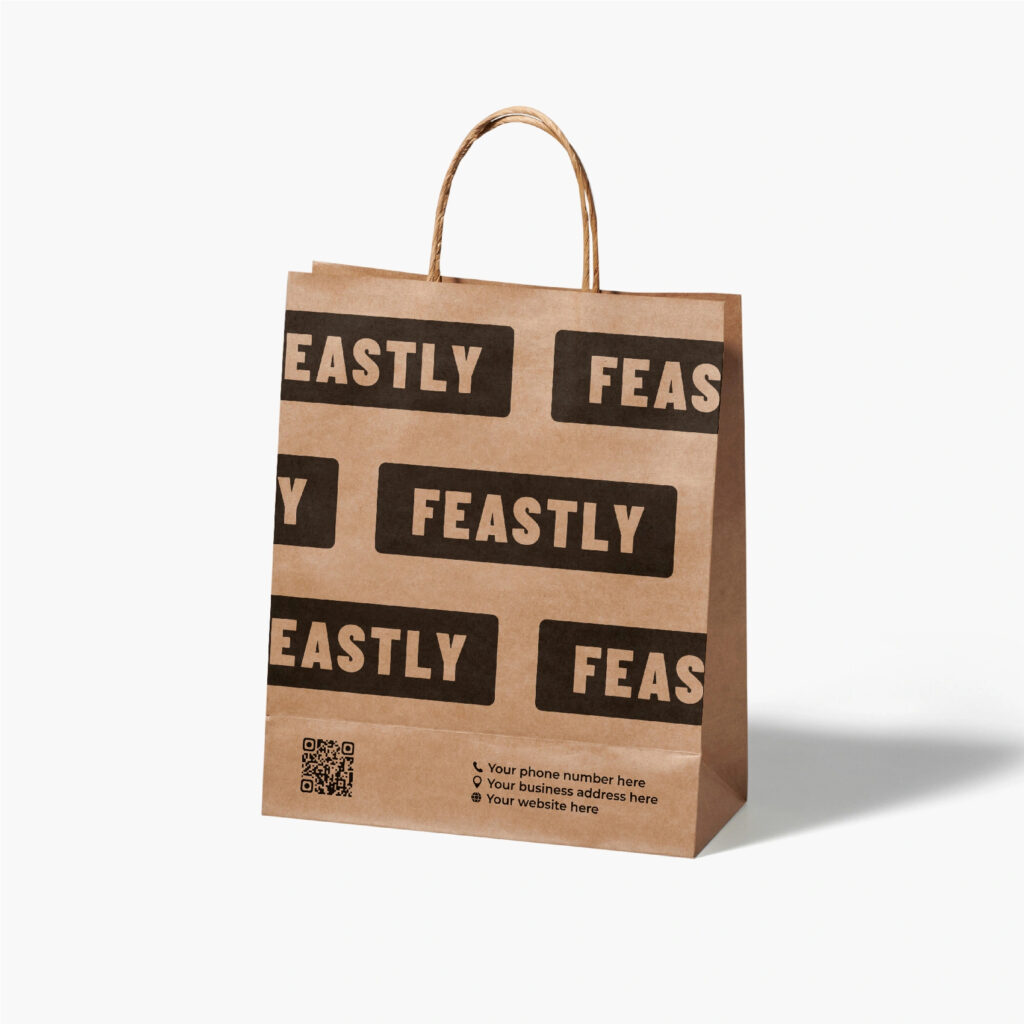
When designing your paper bag, it’s important to think about the printing technique. Options include single-color printing, multi-color printing, or even special effects like foil stamping. Pay close attention to how the colors match with the materials to create the best visual impact and reinforce your brand messaging.
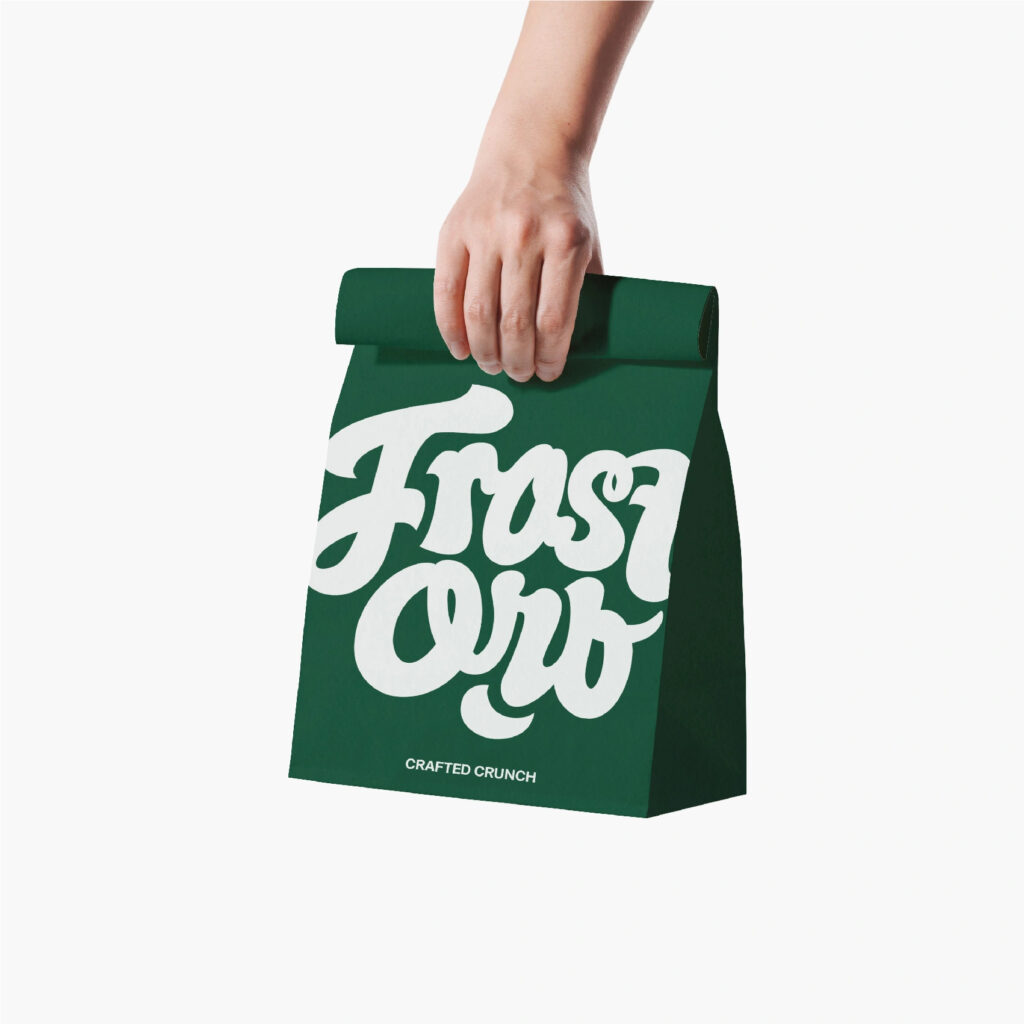
Think About Storage
One often overlooked aspect of how to design paper bag is storage. Paper bags are susceptible to moisture, so proper storage solutions are essential. If possible, choose the simplest option—find a warehouse to store your materials. While this might seem costly, companies like FUSENPACK can not only handle the design and production of your paper bags but also offer free storage and transportation services, saving you time and money.
Conclusion
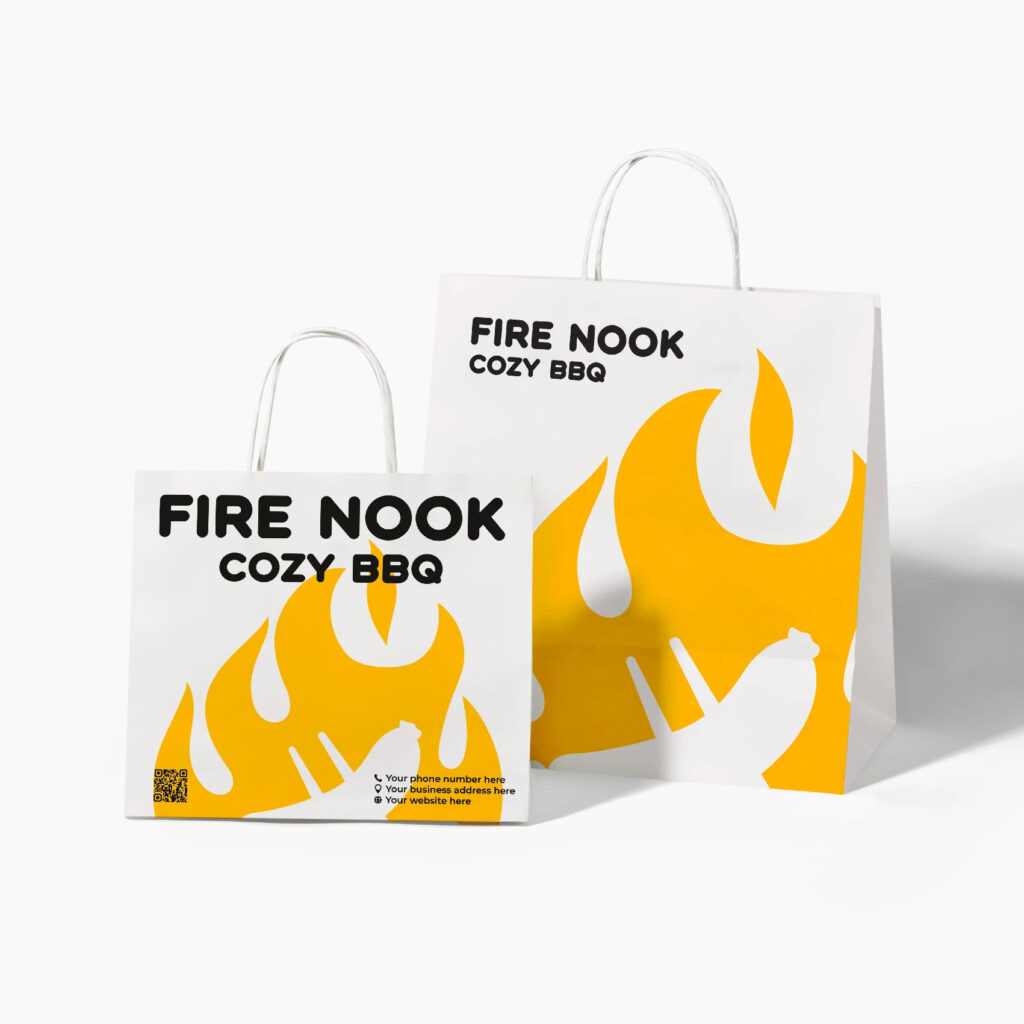
In summary, learning how to design paper bag involves several factors, from defining the purpose and choosing the right materials to considering storage. By following these tips and working with trusted partners like FUSENPACK, you can create paper bags that are both functional and visually appealing, helping your business succeed in an eco-conscious world.