How to Ship Frozen Food Overnight: Lessons from Leading Fast Food Chains
By
Contents
- McDonald’s: A Global Standardized Cold Chain System
- KFC: Regional Cold Chain Networks and Rigorous Inspection
- Starbucks: Optimizing the Cold Chain with Data Technology
- Burger King: Flexible Cold Chain Partnerships and Employee Training
- FUSENPACK: Your Partner for Cold Chain Packaging Solutions
- Key Takeaways for Successful Frozen Food Shipping:
Ensuring that frozen food stays at the right temperature during overnight shipping is crucial for many fast-food chains. A single mistake in cold chain management could lead to spoiled food, wasted resources, and potential financial loss. Fortunately, some of the world’s most successful fast-food brands have perfected their frozen food shipping processes. Let’s take a look at how McDonald’s, KFC, Starbucks, and Burger King handle their cold chains and find inspiration for your own frozen food shipping needs.
McDonald’s: A Global Standardized Cold Chain System
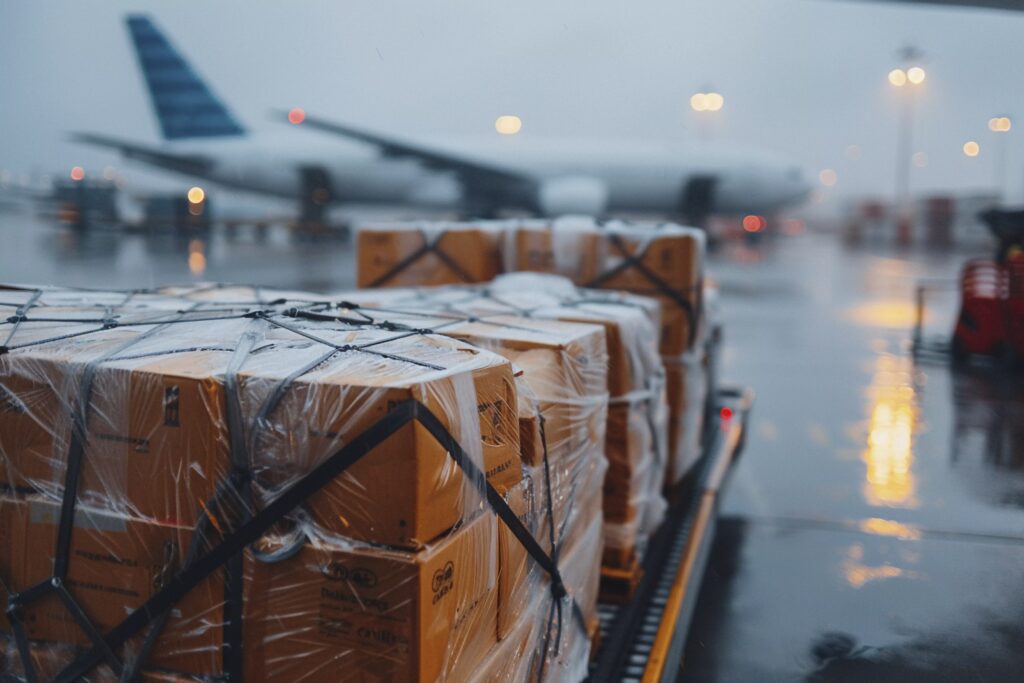
- Unified Global Supply Chain Management :McDonald’s follows global standards across every step, from sourcing and storage to transportation. McDonald’s collaborates with local suppliers but insists on meeting strict global standards. This way, customers get the same quality worldwide.
- Cold Chain Tracking Technology: McDonald’s uses temperature sensors in its distribution centers and trucks to monitor food. Real-time tracking keeps food at the right temperature, ensuring freshness during transport. If any temperature issues arise, McDonald’s responds immediately to keep food safe.
- Centralized Distribution Centers: McDonald’s operates distribution centers equipped with freezing and refrigeration technology. By centralizing inventory and reducing transfers, McDonald’s minimizes temperature changes, so products stay fresh until they reach restaurants.
KFC: Regional Cold Chain Networks and Rigorous Inspection
- Localized Distribution Centers: KFC sets up distribution centers in each region. This localized approach shortens travel time, keeping food fresh and cold chain costs lower.
- Strict Temperature Management: KFC has strict temperature rules for all foods, especially frozen ones. Frozen products stay below 0°C, while refrigerated items are kept between 0-4°C. By controlling temperatures closely, KFC ensures food safety and prevents bacterial growth.
- Quality Control Checks: KFC runs frequent inspections and random audits at suppliers and distribution centers. If a batch doesn’t meet standards, it’s removed immediately, maintaining the brand’s high-quality image.
Starbucks: Optimizing the Cold Chain with Data Technology
- Smart Supply Chain Platform: Starbucks uses data and AI to forecast inventory needs. By planning ahead, Starbucks keeps a steady supply of fresh food at each location. Data helps them schedule transport more efficiently, so products stay cold without delays.
- Cold Chain Visibility: Every link in Starbucks’ cold chain has temperature-tracking technology. This real-time data flows back to Starbucks’ central system. If there’s a temperature issue, Starbucks can fix it quickly.
- Last-Mile Management: Starbucks focuses on the final step of delivery, the “last mile.” Special refrigerated containers and fast delivery keep food at the right temperature from distribution centers to stores, so customers get the freshest products.
Burger King: Flexible Cold Chain Partnerships and Employee Training
- Strategic Cold Chain Partners: Burger King works with various logistics and cold chain providers. This flexible network allows Burger King to adjust supply routes based on demand, reducing travel time and temperature fluctuations.
- Advanced Cold Chain Facilities: Each of Burger King’s distribution centers features state-of-the-art refrigeration and freezing systems. These eco-friendly units maintain precise temperatures to keep frozen items fresh while also reducing environmental impact.
- Comprehensive Staff Training: Burger King trains staff in cold chain management from warehouses to restaurants. With thorough training on every detail, Burger King ensures consistent cold chain practices.
FUSENPACK: Your Partner for Cold Chain Packaging Solutions
FUSENPACK offers a complete solution for cold chain logistics, from innovative packaging to efficient warehousing and transportation services. We’re inspired by successful cold chain management practices and integrate advanced packaging solutions tailored to preserve product freshness and quality. With competitive pricing, robust storage options, and reliable logistics, FUSENPACK is the go-to partner for maintaining optimal cold chain standards in frozen food shipping.
Key Takeaways for Successful Frozen Food Shipping:
- Standardize Procedures and Maintain Quality McDonald’s proves that following a standard process is crucial. Consistent methods ensure high quality across locations.
- Implement Real-Time Temperature Tracking KFC uses tracking tech to prevent temperature changes. Real-time data lets them keep control at every stage.
- Use Data for Efficient Inventory and Transport Management Starbucks shows that data can make cold chains more efficient. Planning transport and stock levels with AI can help avoid supply issues.
- Partner with Reliable Cold Chain Experts Burger King’s strategy of collaborating with multiple cold chain partners offers flexibility. Partnering with trusted providers like FUSENPACK brings innovative packaging, custom storage, and streamlined logistics, enhancing reliability.
By learning from these fast-food giants, you can take proactive steps to improve your cold chain management for frozen food. With FUSENPACK as your partner, shipping frozen food overnight becomes a streamlined, effective process, ensuring your products reach customers in top condition.