Most Commonly Used Food Packaging Materials: Choosing the Right One for Your Business
By
Contents
What Are the Most Commonly Used Food Packaging Materials?
Food packaging plays an essential role in ensuring the quality, freshness, and safety of your products. With so many options available, how do you choose the best material for your food business? Let’s explore the most commonly used food packaging materials and their benefits. By understanding these materials, you can make informed decisions that benefit both your brand and your customers.
Paper Packaging: The Eco-Friendly Choice
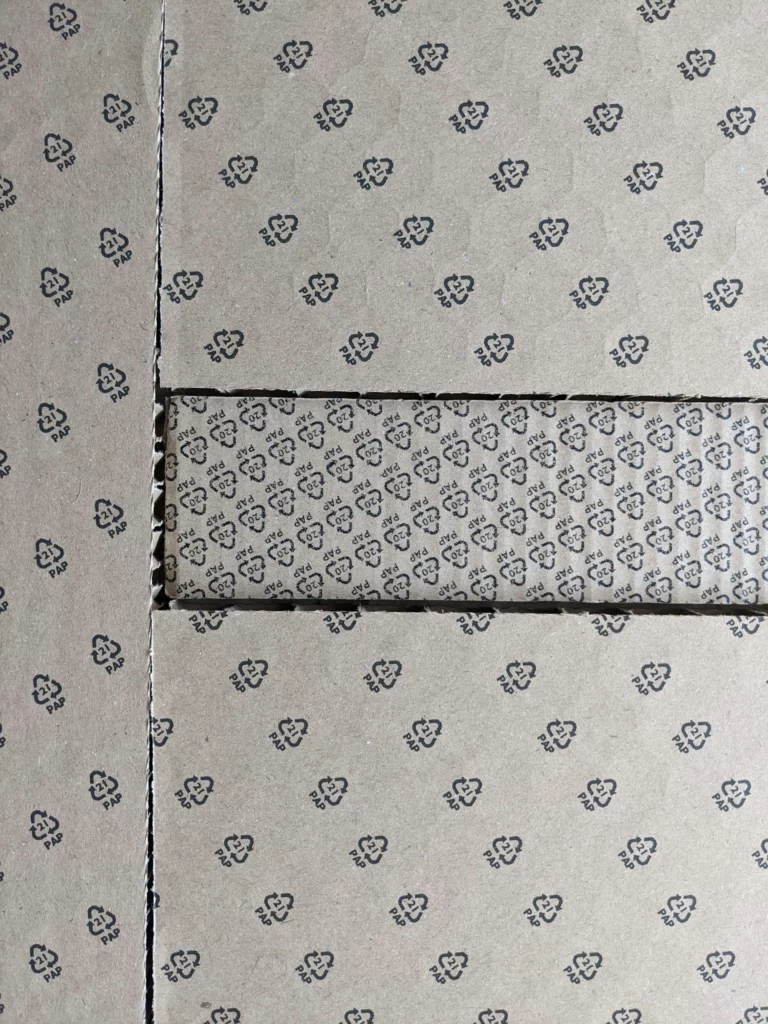
Paper is one of the most widely used materials in food packaging. It’s eco-friendly, versatile, and customizable, making it a popular choice for many businesses. Paper packaging is especially well-suited for the fast food, bakery, and café industries.
Types of Paper Packaging
- Kraft Paper: This unbleached paper is known for its strength and durability. Use it for bags, wraps, and takeaway packaging. Plus, it’s biodegradable, making it an excellent choice for businesses aiming to reduce their environmental impact.
- Paperboard boxes: Paperboard is lightweight yet sturdy and is ideal for items like cakes, sandwiches, and boxed meals. Not only is it durable, but it also offers excellent opportunities for branding through printing.
Benefits of paper packaging:
- Sustainability: As a renewable resource, paper is both recyclable and biodegradable. It’s perfect for businesses that want to reduce their environmental footprint.
- Branding: You can easily print your logo and brand message on paper packaging, making it a great tool for promotion.
- Versatility: From wraps to bags to boxes, paper is highly adaptable for different food types and packaging needs.
Plastic Packaging: A Durable and Cost-Effective Option
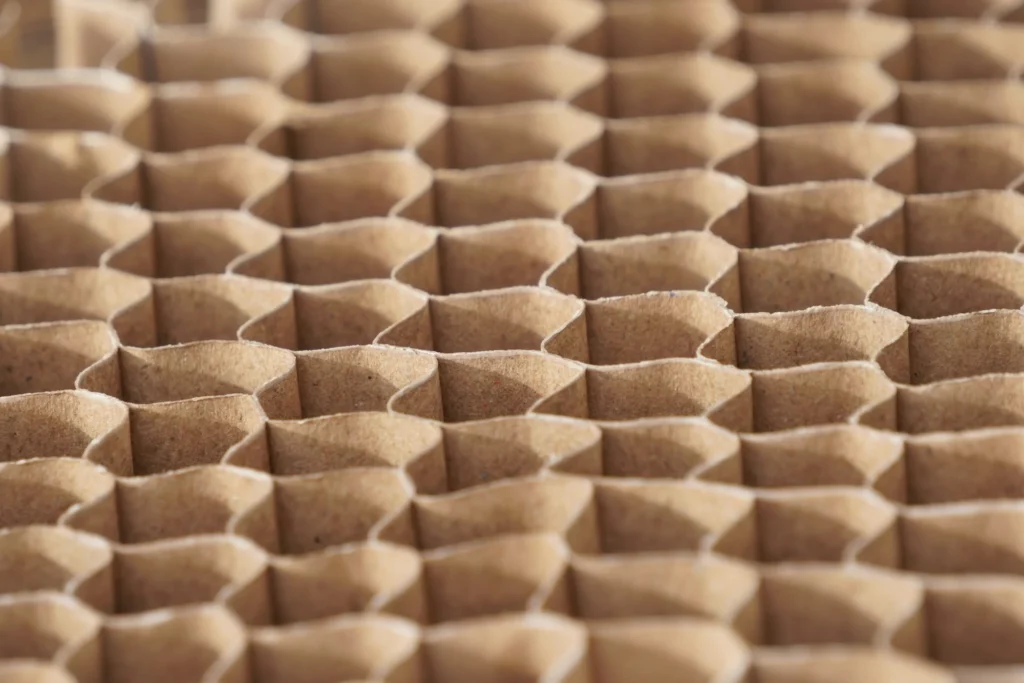
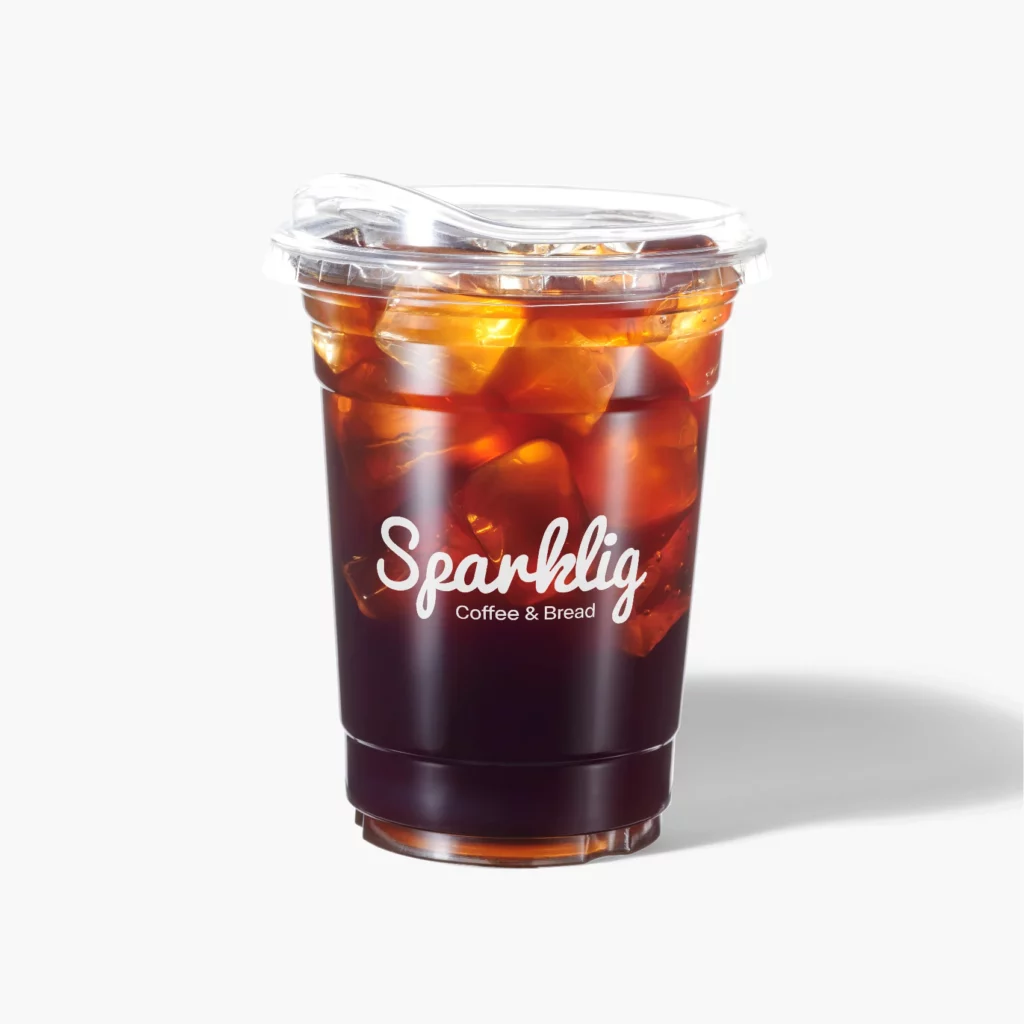
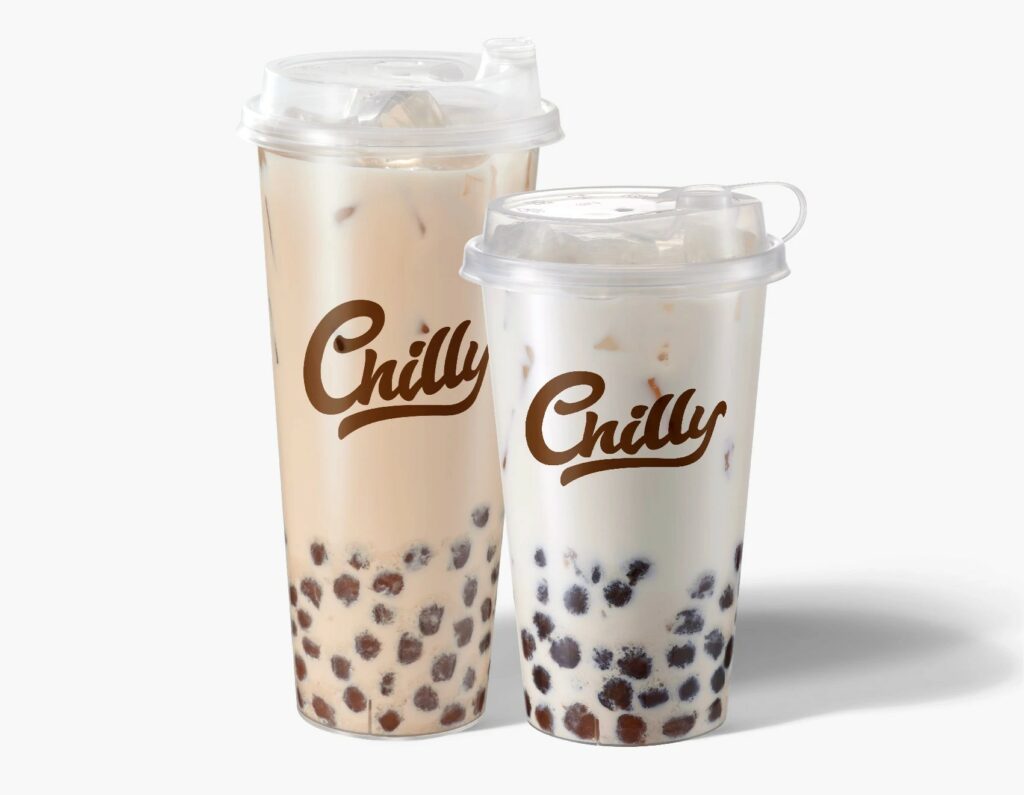
Plastic packaging is durable, affordable, and offers excellent protection for food products. It’s widely used across the beverage, snack, and takeout food industries. In fact, many businesses choose plastic packaging for its cost-effectiveness and convenience.
Types of Plastic Packaging
- PET (Polyethylene Terephthalate) containers: Clear and strong, PET containers are great for cold drinks, deli products, and salads. They’re lightweight, transparent, and perfect for showcasing your product.
- PP (Polypropylene): Known for its resistance to heat, PP is ideal for hot food packaging, including soups, sauces, and takeout meals.
- Plastic bags: These are flexible, lightweight, and perfect for packaging snacks, sandwiches, and bakery items, providing a convenient on-the-go solution for your customers.
Benefits of plastic packaging:
- Durability: Plastic resists impact and moisture, keeping your food safe and fresh during transport.
- Affordability: Plastic is cost-effective, especially for businesses with high-volume packaging needs.
- Lightweight: Its lightweight nature lowers shipping costs and makes handling easier.
Glass Packaging: Classic and Reusable
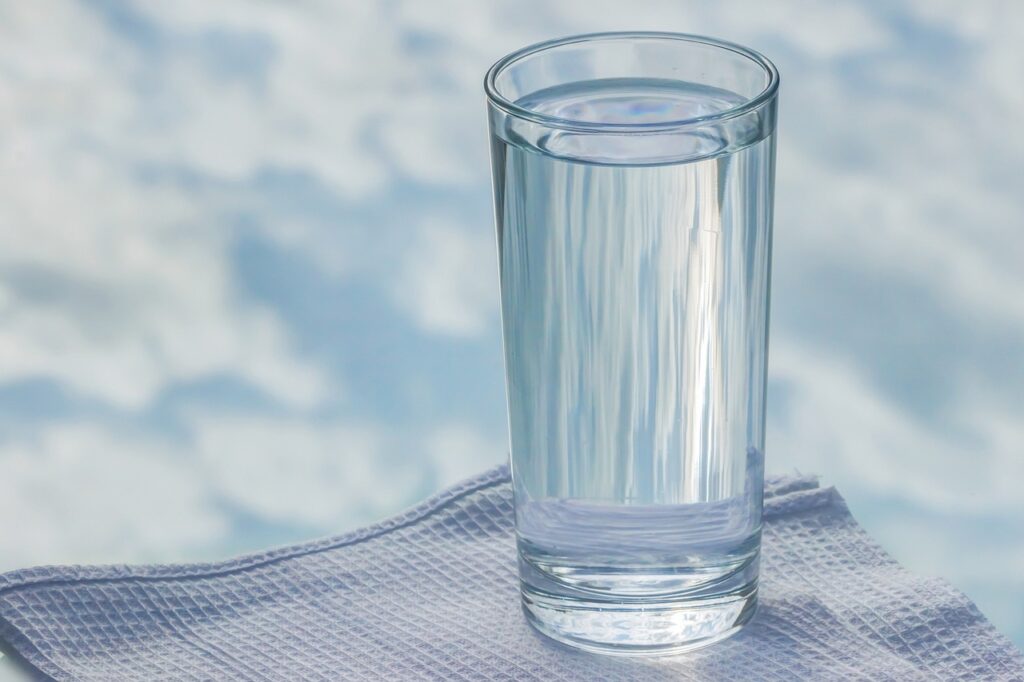
Glass is a premium material that is often used for food packaging in upscale restaurants and for luxury products. It provides an excellent seal, which helps preserve freshness, and is highly recyclable.
Types of Glass Packaging
- Glass jars and bottles: Glass containers are ideal for beverages, sauces, and jams. They provide an elegant, premium look that customers appreciate.
- Glass containers for takeaway food: These containers are increasingly popular for dishes like salads, soups, and desserts. They offer a visually appealing, sturdy option for takeout.
Benefits of glass packaging:
- Preservation: Glass provides an airtight seal that helps maintain the flavor and freshness of your products.
- Sustainability: Glass is 100% recyclable, so it can be reused indefinitely without degrading.
- Aesthetic appeal: Glass packaging stands out on store shelves, reinforcing a sense of quality and luxury.
Biodegradable and Compostable Materials
With growing environmental concerns, many businesses are opting for biodegradable packaging materials. These materials break down naturally, reducing waste and contributing to a more sustainable future.
Types of Biodegradable Packaging
PLA (Polylactic Acid) plastic: Made from renewable plant resources, PLA is a biodegradable plastic often used for food packaging, such as containers and cups.
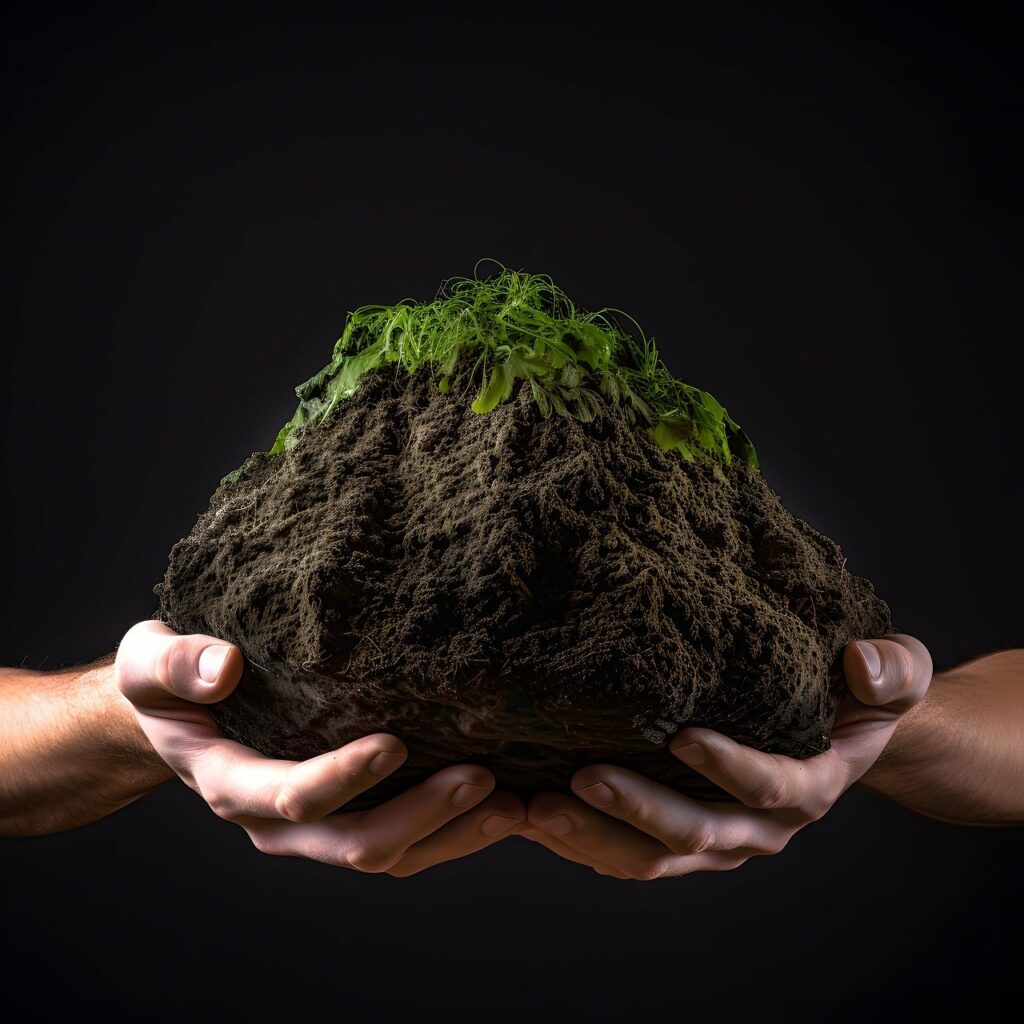
Mushroom packaging: An eco-friendly alternative to Styrofoam, mushroom packaging is made from agricultural waste and breaks down easily.
Benefits of biodegradable packaging:
- Eco-friendly: These materials break down naturally, reducing your environmental impact.
- Brand appeal: Consumers increasingly value sustainability, so biodegradable packaging can enhance your brand’s image.
- Variety of options: There are many biodegradable options for different food packaging needs.
Conclusion
Choosing the right food packaging material is essential for the success of your business. Whether you prioritize sustainability, durability, or cost-effectiveness, FUSENPACK offers a wide variety of custom packaging solutions to meet your needs. From paper and plastic to glass and biodegradable options, we can help you create the perfect packaging that suits your brand and business. With low minimum order quantities, free storage, and competitive pricing, FUSENPACK is your reliable partner in food packaging.
Where to Buy: You can explore our products on the FUSENPACK online store or reach out to us directly at sales@fusenpack.com for more personalized assistance.