Fast Food Restaurant Interior Design Ideas for New Startup in 2026
By
When a customer enter a restaurant, the most impressive thing is the interior and layout of this restaurant. As the fast-food industry is growing rapidly, and interior design plays a crucial role in attracting customers, enhancing their dining experience, and reinforcing brand identity. A well-thought-out fast food restaurant interior design not only makes a space more inviting but also influences customer satisfaction, ordering efficiency, and brand perception.
In 2026, restaurants must consider emerging trends, technology integration, and sustainable materials to create a space that blends functionality with aesthetics. Whether you’re planning a small fast-food joint or a modern quick-service restaurant, this article will guide you through the best interior design ideas for fast food restaurants, counter setups, and design innovations that are shaping the industry.
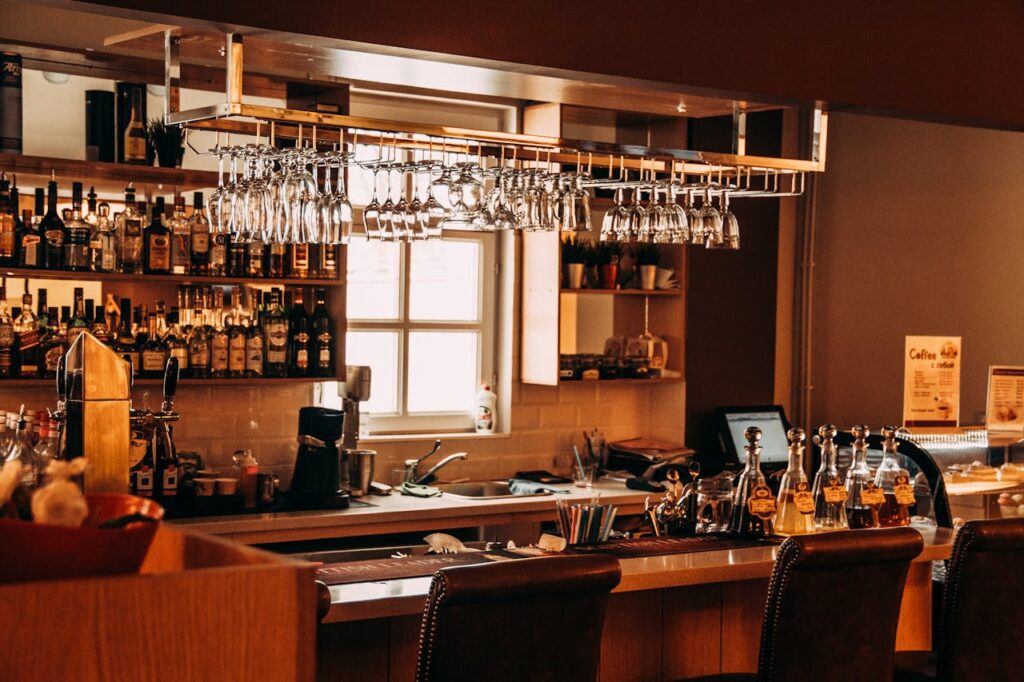
Fast Food Restaurant Interior Design Ideas
Open and Spacious Layouts
Modern fast-food restaurants are moving away from cramped seating arrangements and opting for open and airy layouts. This design not only enhances customer comfort but also makes the space feel more welcoming. Large windows, high ceilings, and strategically placed furniture create a sense of openness, making even small spaces feel bigger and creates a stress-free environment. You can try to use large windows for natural light, remove unnecessary walls, and use space-saving furniture like high-top tables.
Sustainable and Eco-Friendly Materials
With rising environmental awareness, customers appreciate restaurants that prioritize sustainability. Fast-food restaurants in 2026 are expected to integrate eco-friendly elements such as:
- Recycled and reclaimed materials for furniture and décor.
- Biodegradable and reusable packaging to minimize waste.
- LED lighting and energy-efficient appliances to lower energy consumption.
Sustainability isn’t just a design trend—it’s a business strategy that appeals to eco-conscious diners and enhances your brand reputation.
Interactive Digital Menu Boards
Technology is reshaping fast food restaurant design, and interactive digital menu boards are at the forefront. Digital screens not only provide clear and dynamic menu displays but also allow for easy updates on promotions, seasonal items, and nutritional information.
- Digital menu boards for dynamic menu updates and promotions.
- Self-order kiosks for faster transactions and personalized orders.
- Contactless payment options to reduce wait times and streamline checkout.
- Smart lighting and temperature control for an energy-efficient, automated environment.
Bold and Vibrant Color Schemes
Color psychology plays a crucial role in influencing customer behavior. Fast food brands traditionally use appetite-stimulating colors like red, yellow, and orange, but 2026 is seeing a shift toward more balanced palettes.
- Classic bold tones: Red, yellow, and orange promote energy and hunger.
- Earthy neutrals: Browns, greens, and beige reflect health-conscious branding.
- Monochrome and industrial aesthetics: A sleek black-and-white theme creates a modern, premium feel.
Choose colors based on your brand identity and customer demographic to create the perfect fast food restaurant interior design.
Industrial and Minimalist Aesthetics
An emerging trend in fast food restaurant interior design ideas is the use of industrial and minimalist aesthetics. This style includes:
- Exposed brick walls.
- Metal fixtures and hanging lights.
- Concrete countertops for a sleek, modern look.
The industrial theme creates a trendy and urban feel while keeping maintenance easy.
Comfortable and Functional Seating
The seating arrangement in a fast-food restaurant depends on whether the goal is quick dining or a relaxed experience. Here are two effective approaches:
- High stools and counter seating: Ideal for quick-service restaurants with a high turnover rate.
- Booth seating and communal tables: Creates a cozy environment for longer dining experiences and social interactions.
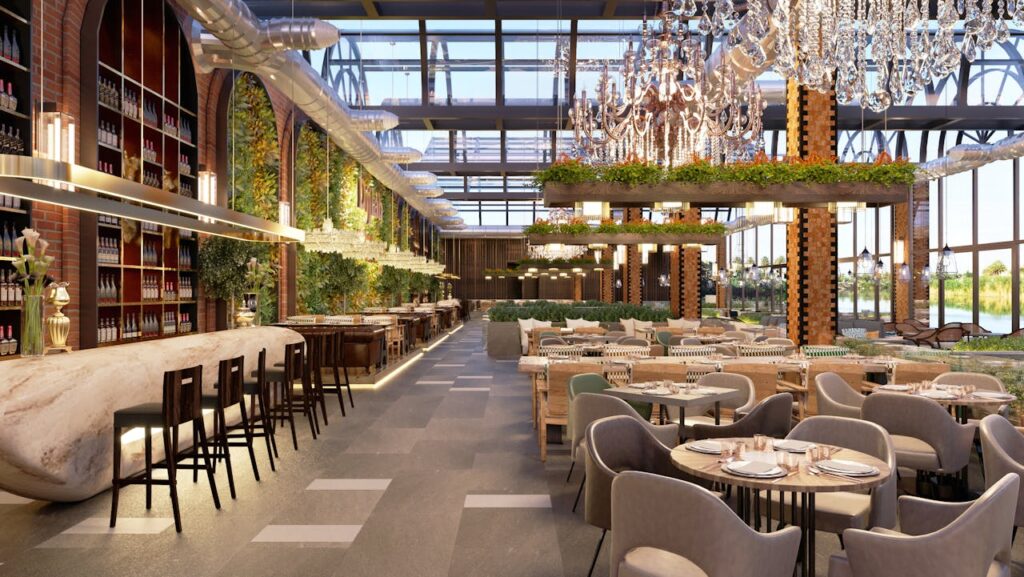
Comfortable seating contributes to repeat business, so choose durable yet stylish furniture that matches your restaurant’s theme.
Fast Food Restaurant Counter Design: What Works Best?
Your restaurant counter is the heart where customers order, pay, and pick up food. A well-designed restaurant counter improves efficiency and enhances the customer experience.
- Optimize Customer Flow
A linear or U-shaped counter allows multiple customers to order and pay without overcrowding. Avoid bottlenecks by spacing cash registers, kiosks, and pick-up stations efficiently.
- Feature Digital and Self-Service Kiosks
Incorporating self-order kiosks into the counter area can significantly reduce wait times and staff dependency. These kiosks should be:
- Easy to navigate with touchscreen functionality.
- Equipped with multiple payment options (contactless, mobile, credit card).
- Placed in an accessible spot away from the main queue to prevent congestion.
- Brand It with Unique Design
A well-designed counter featuring bold signage, custom branding elements, and unique lighting can enhance the customer experience while making your fast food restaurant memorable.
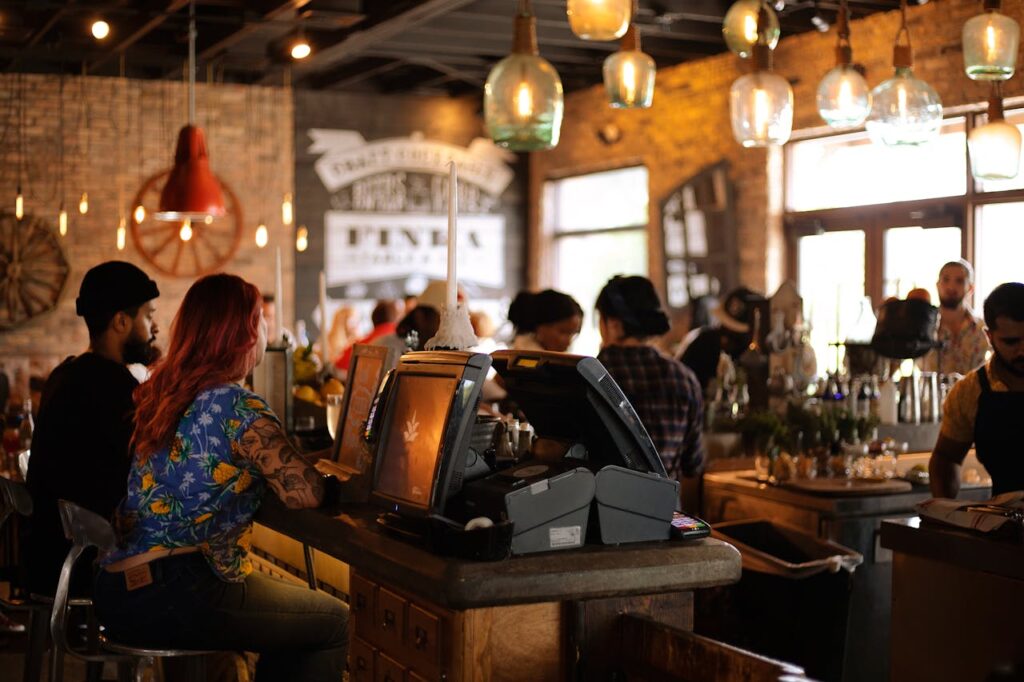
One of the most effective ways to achieve this is through custom-branded fast food packaging. At Fusenpack, it specialize in creating custom-printed food packaging solutions that align with your restaurant’s brand identity. From branded takeout boxes to personalized cups and food-grade bags, its packaging enhances your restaurant’s professional look and boosts brand recognition.
Conclusion
The design of a fast-food restaurant is more than just decoration, it plays an important role to impress customer , enhances your restaurant efficiency, and builds brand loyalty. Whether you’re aiming for a modern fast food restaurant design or a more classic and cozy feel, implementing the right fast food restaurant interior design ideas can make all the difference.
If you’re planning a new restaurant in 2026, focus on open layouts, sustainable materials, bold colors, digital menu boards, and a customer-friendly counter design to create an inviting and efficient space.