What Are Takeaway Containers Made From? Are They Recyclable?
By
Takeaway containers have become much more than just something to hold food—they’re a part of the customer experience and a chance for businesses to showcase their values. Whether it’s a hot bowl of ramen or a fresh salad, the container has to do more than just keep things in place. It has to keep the food fresh, portable, and appealing. But with growing concerns about the environment, both businesses and consumers are starting to wonder: what are these takeaway containers made of? And can they be recycled or composted?
In this guide, we’ll break down the different materials used in food packaging, explore the rise of eco-friendly alternatives like bagasse pulp, and answer some of the most common questions about sustainability.
What Material Is Commonly Used for Food Packaging?
Food packaging comes in a wide variety of materials, each with its pros and cons. Your choice of packaging depends on things like your menu, budget, and how important sustainability is to you. Here’s a quick look at some of the most common options:
1. Plastic (PP, PET, PS)
Plastic is still the most widely used material for takeaway containers. It’s cheap, durable, and versatile, but it’s also part of the pollution problem.
- Polypropylene (PP): Heat-resistant and microwave-safe, great for hot meals.
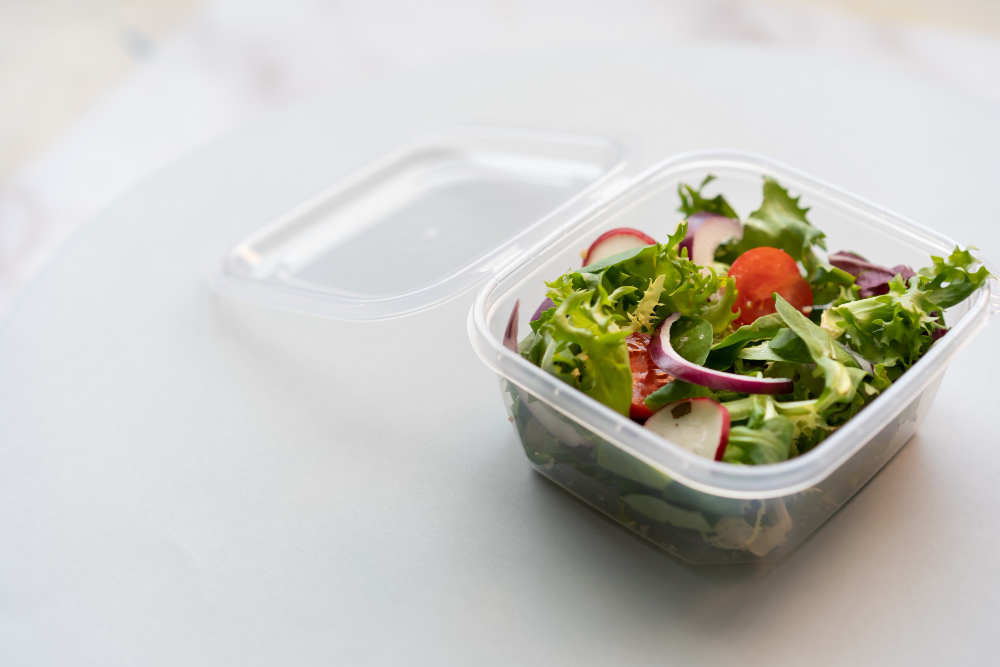
- Polyethylene Terephthalate (PET): Clear and rigid, ideal for cold foods like salads or drinks.
- Polystyrene (PS): Light and affordable, used in disposable cutlery and foam containers.
Pros: Lightweight, shatterproof, and customizable.
Cons: Most plastics aren’t biodegradable and often end up in landfills or the ocean. Recycling rates are also low.
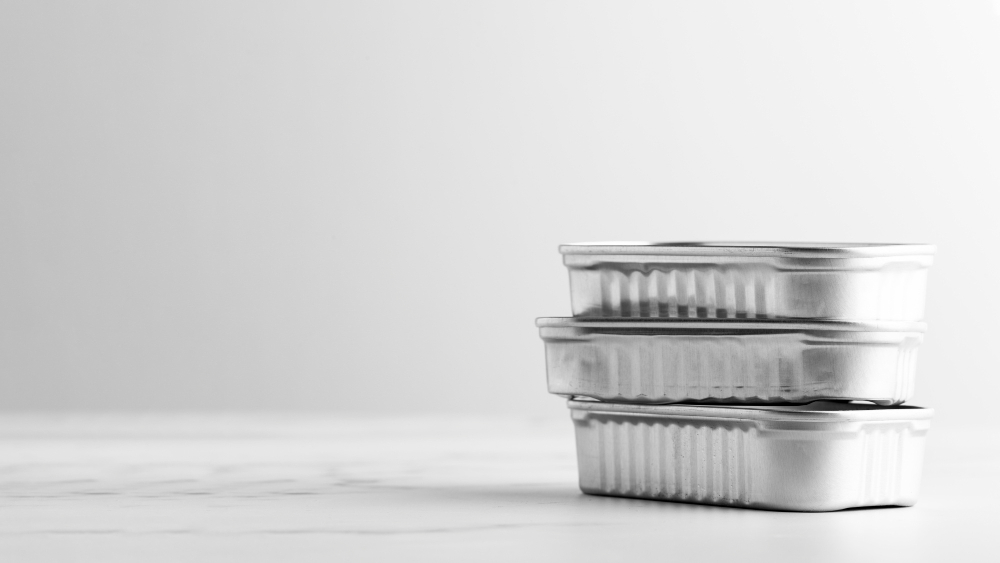
2. Aluminum Foil
Aluminum is known for its heat retention, making it a go-to for things like baked goods or ready-to-eat meals.
Pros: Fully recyclable, great for keeping food hot.
Cons: Energy-intensive to produce and doesn’t work well with acidic foods (like tomatoes).
3. Paperboard
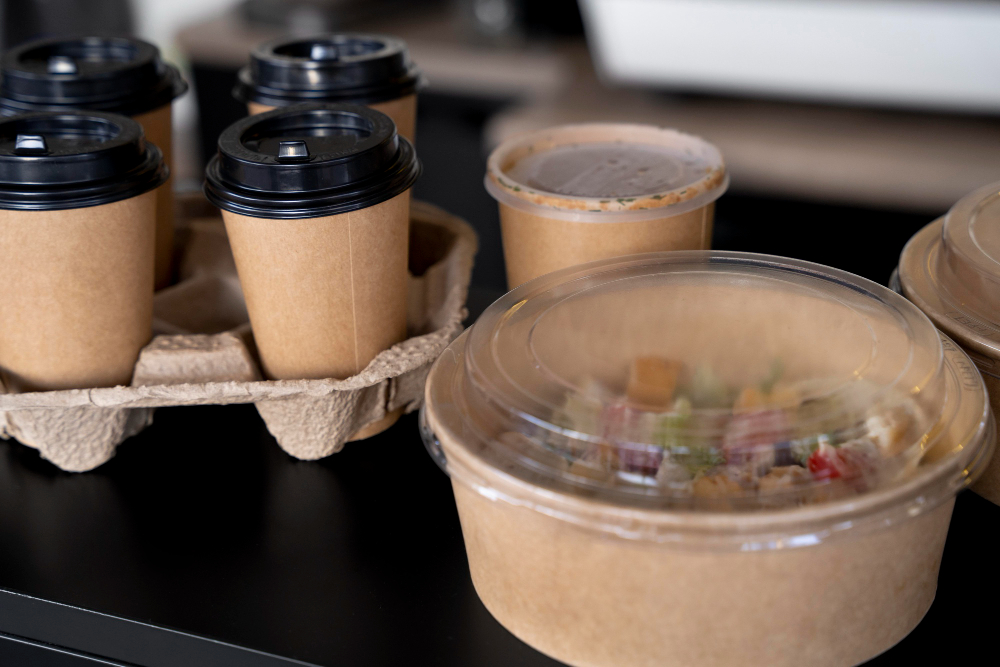
Dry foods like fries, pastries, or sandwiches often use paperboard as material for packaging.
Pros: Recyclable (if uncoated), lightweight, and affordable.
Cons: Coated versions may have non-recyclable linings, which can limit their eco-friendliness.
4. Bagasse (Sugarcane Fiber)
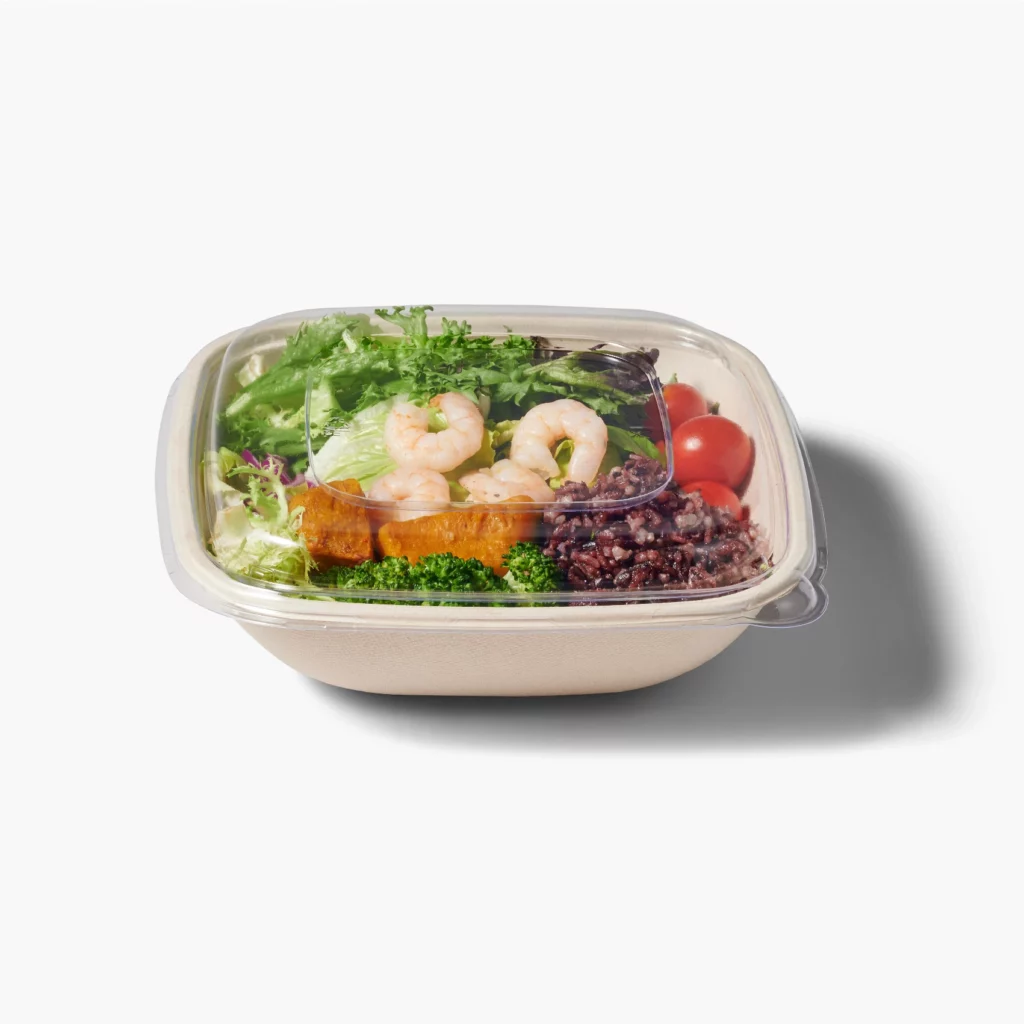
Bagasse is the leftover fiber after sugarcane juice is extracted. It’s becoming a top pick for eco-conscious food packaging because it’s compostable and strong.
Pros: Compostable, heat-resistant, sturdy enough for saucy or oily foods.
Cons: Needs industrial composting to break down properly.
5. Biodegradable PLA (Polylactic Acid)
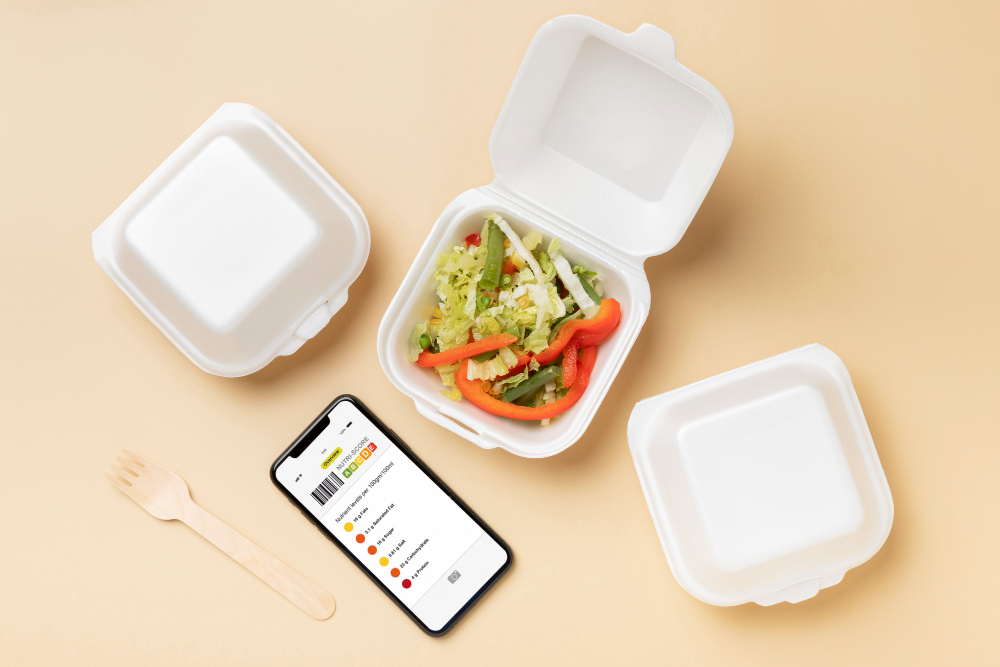
PLA is cornstarch or sugarcane, and it’s popular for cold food packaging.
Pros: Compostable in industrial composting facilities, made from renewable materials.
Cons: Not ideal for hot foods and requires specific composting conditions.
Why Material Choice Matters
Choosing the right material is about finding a balance between practicality, cost, and environmental impact. While plastic is still a budget-friendly choice, more businesses are turning to eco-friendly options like bagasse to appeal to environmentally conscious consumers.
Bagasse Pulp: Eco-Friendly Material for To-Go Containers
Bagasse is leading the charge when it comes to sustainable packaging. Made from sugarcane waste, it’s a great example of turning agricultural byproducts into something useful and eco-friendly.
Why Bagasse Stands Out:
- Eco-Friendly: It reduces reliance on fossil fuels and helps minimize agricultural waste.
- Compostable: It breaks down in commercial composting facilities within 30–90 days.
- Durable: Holds liquids without leaking, even for oily or saucy foods.
- Microwave-Safe: Won’t warp or release harmful chemicals like some plastics.
Bagasse containers also offer great branding opportunities. For example, Fusenpack’s Square Fiber Bowl is a durable, compostable option with a sleek, natural look. It’s perfect for cafes and restaurants that want to showcase their eco-conscious values.
How Bagasse Is Made:
- Sugarcane stalks are crushed to extract juice.
- The leftover fiber (bagasse) is cleaned and mixed with water.
- The pulp is molded into containers and heat-pressed for strength.
Certifications to Look For:
- BPI Compostable: Ensures the material will compost in industrial facilities.
- FSC-Certified: Guarantees the materials are responsibly sourced.
Frequently Asked Questions About To-Go Containers
Q1: Are takeaway containers recyclable?
It depends on the material:
- Recyclable: Aluminum, uncoated paperboard, PET plastic (check local guidelines).
- Not Recyclable: Polystyrene (PS) foam, wax-coated paper.
- Compostable: Bagasse, PLA (in industrial composting).
Q2: Can bagasse containers handle hot food?
Yes, bagasse containers can withstand temperatures up to 95°C (200°F), making them perfect for soups, curries, and other hot dishes.
Q3: Are biodegradable containers truly eco-friendly?
It depends on how they’re disposed of. PLA and bagasse need to be sent to industrial composting facilities to break down properly. If they end up in a landfill, they may not decompose as efficiently.
Q4: How can businesses reduce packaging waste?
- Choose compostable packaging options (like Fusenpack’s solutions).
- Educate customers on how to dispose of packaging properly (e.g., “Please compost this!”).
- Consider minimalistic packaging designs to reduce material usage without compromising quality.
Q5: What’s the cost difference between plastic and eco-friendly containers?
Eco-friendly containers like bagasse may cost a bit more upfront, but they can improve your brand’s image and attract environmentally-conscious customers. Over time, this investment can pay off through customer loyalty and positive environmental impact.
Conclusion
The takeaway container industry is evolving. While traditional materials like plastic are still popular for their convenience, more sustainable options like bagasse pulp are gaining ground.
For businesses, switching to compostable packaging can be a powerful way to align with sustainability trends. Ready to make the switch? Explore Fusenpack’s sustainable packaging solutions today. From sugarcane fiber bowls to custom-branded designs, your journey toward greener packaging starts here.