Is Wax Paper the Same as Greaseproof Paper?
By
Contents
Wax paper and greaseproof paper are often mistaken for one another, but they serve distinct purposes in food packaging. Wax paper is coated with a thin layer of paraffin or soybean wax, making it moisture-resistant but heat-sensitive. Greaseproof paper, on the other hand, relies on tightly compressed fibers to block oils and fats without coatings. While both resist grease, wax paper melts under high heat, whereas greaseproof paper can handle moderate oven temperatures. Understanding these differences ensures you choose the right material for food safety, functionality, and sustainability.
What is Greaseproof Paper?
Greaseproof paper is a specialized packaging material designed to resist oils and fats. It’s created through a chemical pulping process that compresses paper fibers into a dense, non-porous structure. This natural barrier prevents grease from seeping through, making it ideal for wrapping fried foods, burgers, or baked goods. Unlike wax paper, it contains no coatings, which enhances its recyclability and biodegradability. Restaurants favor greaseproof paper for its versatility, it can line pizza boxes, package hotsandwiches, or even withstand brief oven use (up to 400°F/204°C). For businesses prioritizing eco-friendly practices, it’s a sustainable choice that aligns with modern consumer preferences.

What is Wax Paper?
Waxpaper is a kitchen staple coated with a thin layer of paraffin or soybean wax. This wax layer provides a waterproof and non-stick surface, perfect for wrapping cold foods like sandwiches, cheese, or candy. However, the wax melts at temperatures above 200°F (93°C), making it unsuitable for oven use or direct contact with hot foods. While convenient for short-term storage, wax paper’s petroleum-based coatings often render it non-recyclable. Its primary advantage lies in affordability and ease of use for non-heat applications, but it lacks the durability and heat resistance of greaseproof paper.
| Feature | Wax Paper | Greaseproof Paper |
| Coating | Paraffin or soybean wax | None (tightly compressed fibers) |
| Heat Resistance | Melts above 200°F (93°C) | Tolerates up to 400°F (204°C) |
| Eco-Friendliness | Often non-recyclable | Biodegradable, recyclable |
| Best Uses | Cold foods, candy wrapping | Oven-safe lining, hot foods |
| Cost | Budget-friendly | Slightly higher, long-term value |
While wax paper is suitable for cold, short-term applications, greaseproof paper offers greater durability and sustainability for commercial use.
Why Choose Custom Greaseproof Paper?
Custom greaseproof paper elevates your restaurant’s branding while ensuring functionality. At Fusenpack, we provide tailored solutions that merge practicality with creativity:
- Brand Visibility: Print your logo, brand colors, or slogan directly onto the paper. This turns every takeout order into a marketing opportunity.
- Eco-Friendly Packaging: We use compostable or recyclable materials to appeal to environmentally conscious customers.
- Heat Resistance: Safely package hot foods like fries, burgers, or baked goods without compromising integrity.
- Free Design Services: Our AI-powered tools and expert designers create eye-catching patterns at no extra cost.
- Inventory Management: Fusenpack stores your packaging stock for free and sends weekly updates, saving you time and storage space.
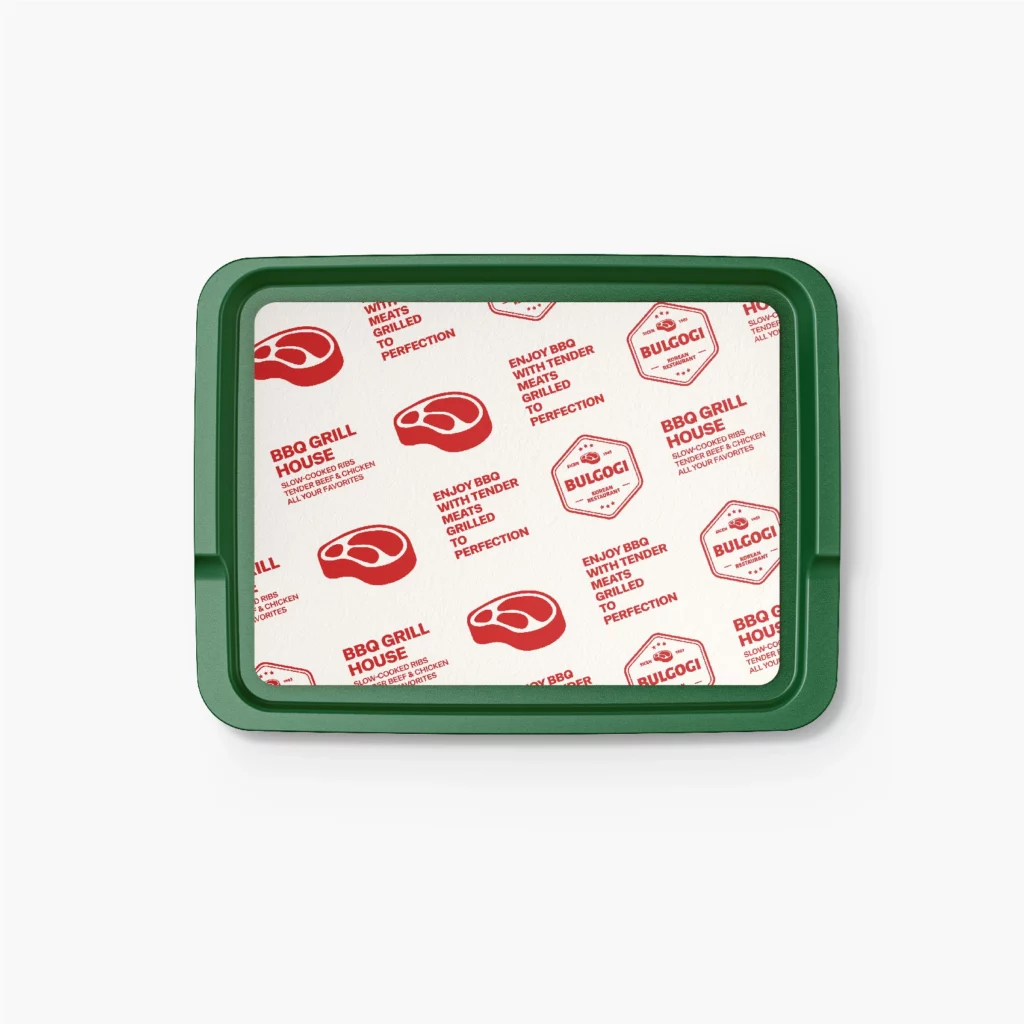
For example, a café using branded greaseproof paper for pastries can reinforce its identity while keeping pastries fresh. Upgrade your packaging today with Fusenpack’s custom greaseproof paper.
FAQs: Safety & Practical Uses
Q1: Is it safe to put food on wax paper? Yes, but only for cold or room-temperature items like cookies, cheese, or deli meats. Avoid using it with hot foods, as the wax coating can melt and transfer to food.
Q2: Can you use wax paper in the oven? No. Wax paper melts at high temperatures, risking fire hazards and food contamination. Opt for parchment or greaseproof paper for baking.
Q3: Can you use greaseproof paper in the oven? Yes! Greaseproof paper withstands temperatures up to 400°F (204°C), making it ideal for lining baking sheets or wrapping warm foods. Always verify the manufacturer’s guidelines for specific limits.
Conclusion
Wax paper and greaseproof paper may seem similar, but their differences in heat resistance, composition, and eco-friendliness make each suitable for specific tasks. For restaurants, custom greaseproof paper offers a superior solution: it’s durable, brandable, and aligns with sustainability trends.Fusenpack simplifies the process with free design services, eco-friendly materials, and hassle-free inventory management.