Are Paper Coffee Filters Compostable? The Eco-Friendly Solution
By
Contents
Coffee is an essential part of daily life for millions worldwide, but as sustainability becomes a growing concern, many coffee drinkers or cafe owners question the environmental impact of coffee filters. One common question is: Are paper coffee filters compostable? The answer depends on the type of filter you use. In this guide, we’ll explore the compostability of paper coffee filters, best practices for disposal, and eco-friendly alternatives such as custom paper coffee cups for businesses looking to reduce their environmental footprint.
Are Paper Coffee Filters Compostable?
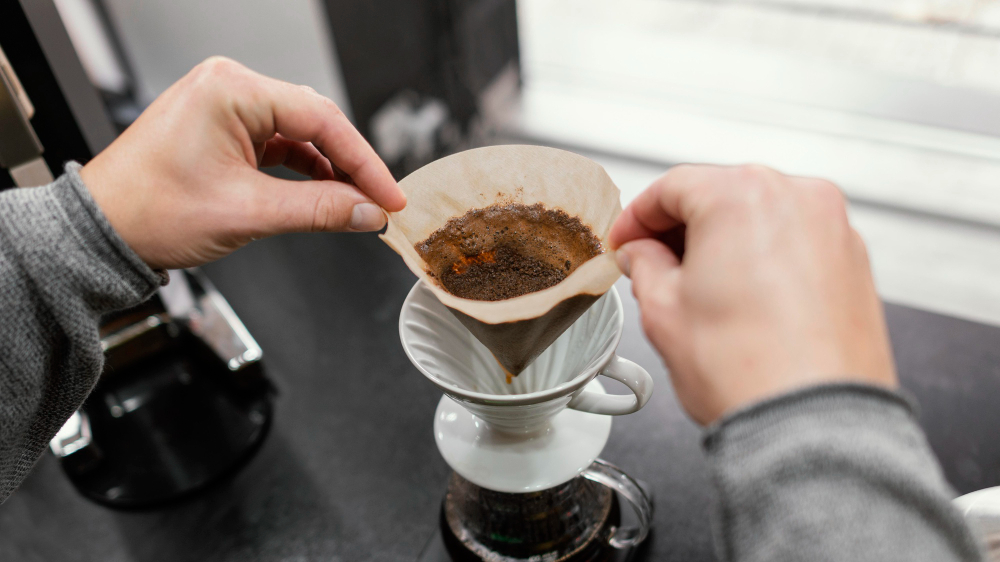
Yes, most unbleached paper coffee filters are compostable. Since they are made from natural paper fibers, they break down easily in a composting environment, adding valuable organic material to the soil. However, not all paper filters are created equal. For example, bleached coffee filters, which are processed with chemicals, take longer to decompose and may introduce unwanted substances into the compost.
Types of Paper Coffee Filters and Compostability
- Unbleached Coffee Filters: These are the best option for composting as they are free from chemical treatments and break down quickly.
- Bleached Coffee Filters: While still compostable, they contain chlorine or oxygen-based bleaching agents, which may not be ideal for organic composting.
- Paper Filters with Additives: Some paper filters contain synthetic fibers or chemical coatings, making them non-compostable. Always check the product label for composting suitability.
The Advantages of a Reusable Filter vs Disposable Ones
While disposable paper filters are compostable, switching to a reusable coffee filter can provide additional environmental and cost-saving benefits:
- Reduces Waste: A stainless steel or cloth filter can last for years, eliminating the need for single-use paper filters.
- Saves Money: Investing in a high-quality reusable filter reduces long-term costs compared to continuously purchasing disposable ones.
- Enhances Flavor: Many coffee enthusiasts believe reusable filters allow for better extraction and a richer taste, as they do not absorb natural oils from coffee grounds.
- Easy to Maintain: Most reusable filters require simple rinsing and occasional deep cleaning, making them convenient and low-maintenance.
Eco-Friendly Coffee Drinking: More Than Just Filters
While composting paper coffee filters is a step toward sustainability, reducing single-use waste in coffee consumption can have an even greater impact. Businesses and coffee lovers alike can make a difference by choosing eco-friendly coffee cups and custom paper coffee cups designed for compostability and recyclability.
Why Choose Eco-Friendly Coffee Cups?
- Biodegradable Materials: Many modern paper coffee cups use plant-based linings instead of plastic, making them easier to compost.
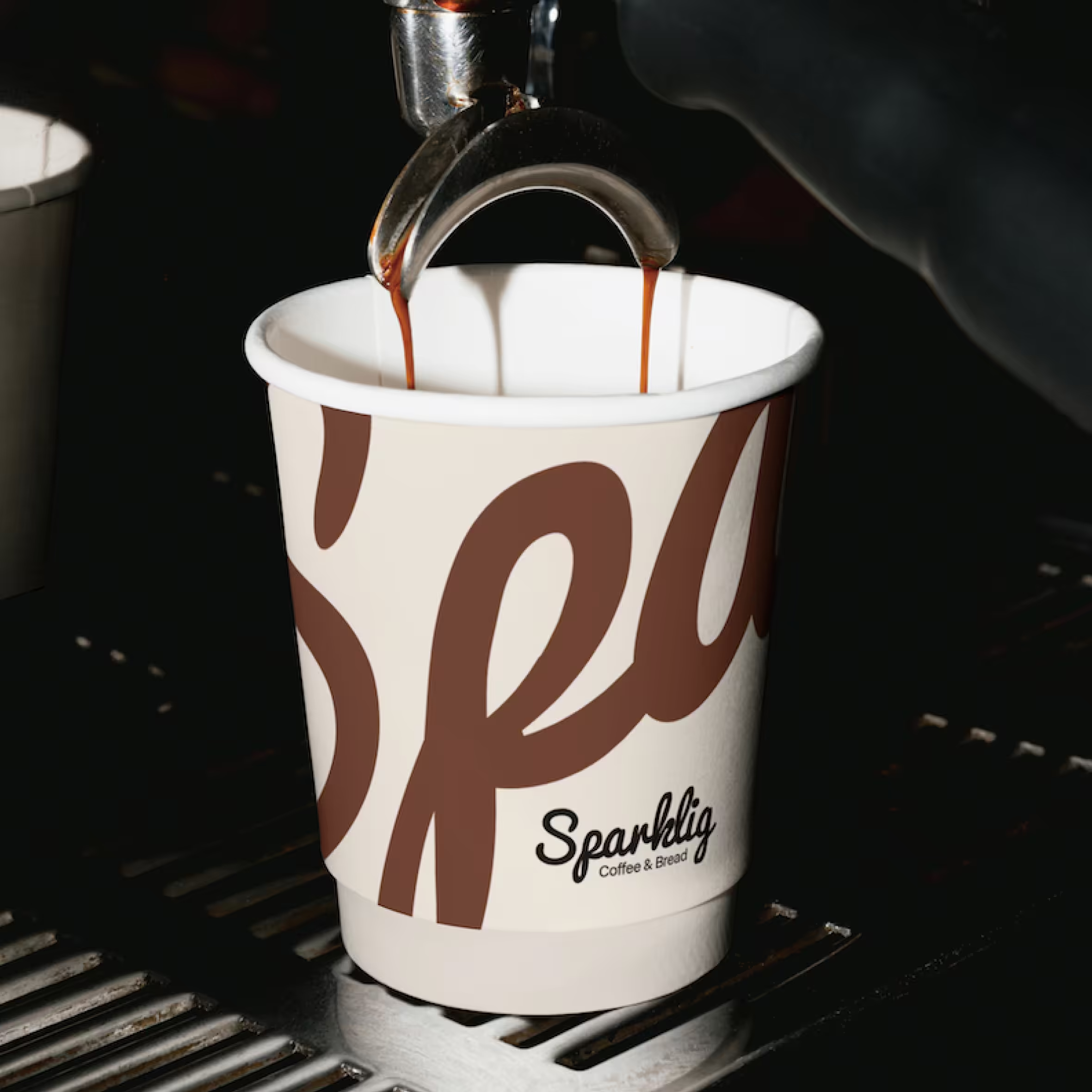
- Custom Branding Opportunities: Businesses can opt for paper coffee cups with a logo to promote their brand while staying environmentally responsible.
- Consumer Appeal: More customers are choosing coffee shops that prioritize sustainability. Offering compostable packaging can enhance brand reputation and attract eco-conscious consumers.
Sustainable Coffee Habits Beyond Composting
In addition to composting coffee filters and using custom paper coffee cups, here are a few more ways to make your coffee routine more eco-friendly:
- Use a reusable coffee filter (such as stainless steel or cloth) to eliminate waste altogether.
- Opt for fair-trade and organic coffee to support sustainable farming practices.
- Reduce waste by choosing recyclable or compostable coffee packaging.
Frequently Asked Questions
- Are Paper Coffee Cups Recyclable?
Standard paper coffee cups often contain a thin plastic lining, making them difficult to recycle in regular curbside programs. However, some specialized recycling facilities and eco-friendly coffee cups with plant-based linings are fully recyclable.
- Do Coffee Filters Contain Plastic?
Most traditional paper coffee filters do not contain plastic, but some specialty filters may have synthetic fibers or microplastic coatings to enhance durability. Always check the product label if you’re unsure.
- Are There Any Coffee Filters That Are Not Compostable?
Yes, some coffee filters are non-compostable due to chemical treatments, synthetic reinforcements, or plastic-based coatings. Avoid these and opt for unbleached, all-natural paper filters whenever possible.
Conclusion
Composting paper coffee filters is a simple yet effective way to reduce coffee-related waste and contribute to a greener planet. However, making sustainable choices doesn’t stop there. By opting for eco-friendly coffee cups, businesses and consumers can further minimize their environmental impact. Whether you’re an individual coffee lover or a coffee shop owner, adopting greener practices like composting filters and using compostable paper coffee cups helps create a more sustainable future for coffee culture.
If you’re looking for custom paper coffee cups with logo that align with your brand’s eco-friendly mission, Fusenpack offers high-quality, customizable solutions. Contact us today to learn more about our sustainable coffee packaging options!