How to Choose The Best Coffee Packaging For Your Products
By
Contents
In the competitive world of coffee, your packaging serves more than just a practical purpose; it acts as a silent salesperson, a brand ambassador, and a way to keep your product fresh, all in one. Choosing the right coffee packaging for your brand can mean the difference between products that fly off shelves and those that gather dust. Let’s dive into everything you need to know about selecting packaging that’ll make your coffee products shine while keeping them fresh and flavorful.
The Importance of Coffee Packaging
When it comes to coffee, packaging does far more than simply hold your precious beans or grounds. It’s actually working overtime behind the scenes in ways you might not have considered.
First and foremost, quality packaging preserves the complex flavors that make your coffee special. Those delicate notes of chocolate, fruit, or floral highlights? They’re the first casualties of poor packaging choices. Oxygen, moisture, light, and temperature fluctuations are all enemies of coffee freshness, and your packaging is the first line of defense against these threats.
Beyond protection, your packaging tells your brand’s story at a glance. In a crowded marketplace where consumers make split-second decisions, your packaging might be your only chance to communicate what makes your coffee different. Is your brand focused on sustainability? Premium quality? Accessibility? Adventure? Your packaging design should instantly telegraph these values to potential customers.

Now, let’s explore the specific factors you should consider when selecting packaging that will make your coffee products stand out from the competition.
5 Things to Consider When Choosing Coffee Packaging
Selecting the ideal packaging for your coffee isn’t a decision to take lightly. Here are five critical factors that deserve your careful attention before making this important choice for your brand.
- Material Selection
The material you choose affects everything from freshness preservation to environmental impact. Traditional options include multi-layer films with aluminum barriers that provide excellent oxygen and moisture protection. Paper-based options offer recyclability but typically require additional barrier layers to maintain freshness. Newer compostable films are improving rapidly but still have limitations in barrier properties.
For whole beans, packaging with one-way degassing valves is practically non-negotiable—these clever little devices allow carbon dioxide to escape without letting oxygen in, keeping your freshly roasted beans from staling prematurely. Ground coffee, being more vulnerable to oxidation, requires even more robust oxygen barrier properties.
- Design and Branding
Your packaging design should instantly communicate your brand’s personality and coffee’s character. Color psychology plays a significant role here—earthy tones suggest traditional quality, while bold colors might signal an adventurous, modern approach. Typography choices further reinforce these impressions, with serif fonts conveying heritage and sans-serif options suggesting contemporary sensibilities.
Consider how your packaging will appear in different contexts: on crowded retail shelves, in home pantries, and in those all-important social media unboxing moments. The most effective coffee packaging designs work hard from every angle and in every environment.
- Functional Features
The best packaging in the world is worthless if it frustrates customers! Consider how your packaging opens, reseals, pours, and stores. Zip-lock closures, tin ties, and fold-over seals with adhesive strips each offer different balances of cost and convenience. For coffee shops offering retail beans, consider how staff will fill and seal packages efficiently during busy periods.
Storage footprints matter too—packages that fit neatly in standard kitchen cabinets and maintain stability when partially empty will earn customer appreciation. If your target market includes coffee enthusiasts who transfer beans to separate containers, simpler packaging might make more sense than investing in premium resealable features.
- Sustainability Considerations
Environmental impact has moved from nice-to-have to essential consideration for many coffee consumers. The challenge is balancing sustainability with freshness preservation—the most environmentally friendly option isn’t helpful if it allows your coffee to degrade rapidly.
Consider compostable or recyclable materials where possible, but be transparent about their limitations and proper disposal. Single-material packaging is generally easier to recycle than multi-layer options. Some brands are experimenting with refill models or return programs that minimize packaging waste altogether.
- Cost and Scalability
Packaging costs can significantly impact your product’s profitability. Custom printed options typically require minimum order quantities that might challenge smaller roasters. Stock packaging with custom labels offers more flexibility but may not provide the same brand impact.
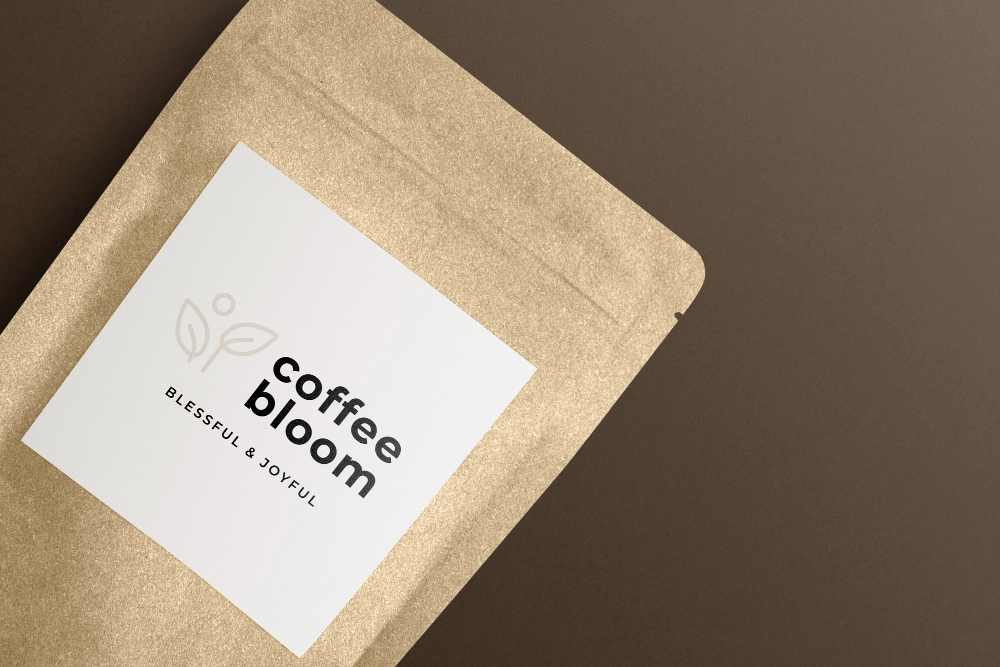
Consider your growth trajectory when making packaging decisions. Starting with adaptable systems allows you to scale without complete redesigns. Some packaging suppliers offer tiered approaches that grow with your business, from basic labeled options to fully custom packaging as volumes increase.
How to Choose The Best Coffee Take-Out Packaging via Fusenpack
When it comes to coffee take-out packaging, few decisions impact your customer experience more directly than your cup choice. This is where Fusenpack’s expertise in custom packaging solutions really shines, helping coffee businesses make smart, strategic choices.
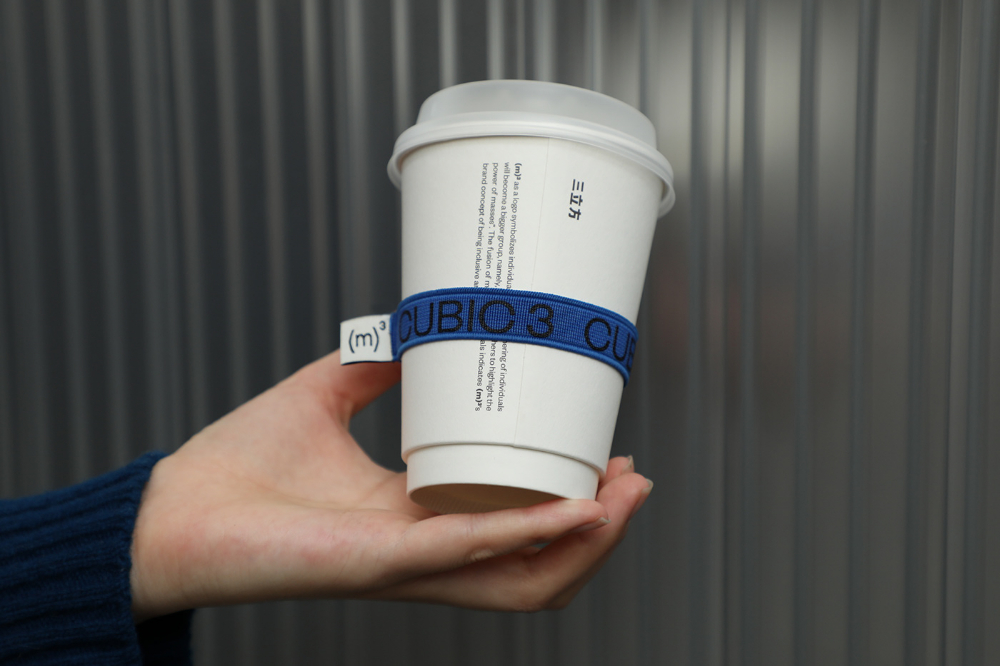
Fusenpack’s Custom Kraft Paper Hot Cup offers the perfect blend of practical performance and brand-building opportunity. They’re made from high-quality kraft paper. These cups maintain beverage temperature while providing an excellent canvas for your brand story.
What makes Fusenpack’s approach different is their comprehensive design support. Their team understands that effective cup design isn’t just about slapping a logo on kraft paper. It’s about creating a cohesive brand experience that resonates with your customers. From brand name selection to strategic logo placement, they’ll help you maximize the impact of every cup that leaves your establishment.
By partnering with Fusenpack for your coffee take-out packaging, you gain both exceptional products and valuable expertise in creating packaging that works as hard as you do. Now, let’s address some common questions about choosing coffee packaging to help you make the most informed decisions possible.
FAQs About Coffee Packaging
- How long will coffee stay fresh in different types of packaging?
Coffee freshness varies dramatically depending on the packaging type. In high-barrier packaging with one-way valves, whole beans typically retain peak flavor for 2-4 weeks after roasting, while ground coffee begins noticeably degrading after 1-2 weeks.
- What’s the most environmentally friendly coffee packaging that still preserves freshness?
This remains the coffee industry’s greatest packaging challenge! Currently, compostable films with bioplastic barriers offer promising environmental benefits while providing reasonable (though not perfect) freshness protection. Some innovative companies are developing mono-material recyclable options with acceptable barrier properties.
- How do I know how much to invest in custom packaging?
Calculate your packaging cost as a percentage of your retail price. For premium specialty coffee, packaging might justifiably represent 5-8% of the retail price, while larger commercial operations might target 3-5%. Consider the lifetime value of customers who become brand loyal due to distinctive packaging experiences. Many roasters find that investing in packaging that encourages social media sharing delivers returns beyond the direct packaging costs.
- Should I use different packaging for different coffee products?
Ideally, yes! Different coffee products have unique requirements. Filter coffee might prioritize convenient dispensing. Single-origin offerings might warrant more premium packaging than blends. However, maintain consistent branding elements across variations to build recognition. For retail locations, consider how your takeaway cups and retail bags work together to tell a cohesive brand story.
Conclusion
Choosing the right coffee packaging for your brand is a strategy that impacts everything from product quality to customer perception. The perfect packaging solution strikes that delicate balance between protection, presentation, functionality, sustainability, and cost-effectiveness.
For take-out packaging specifically, Fusenpack’s Custom paper coffee cups offer an exceptional combination of practical performance and brand-building potential. Their expertise in creating custom packaging solutions helps coffee businesses of all sizes deliver memorable experiences that keep customers coming back.