How to Select The Right Packaging Material For Food
By
Contents
With rising consumer demand for eco-conscious solutions, choosing the right packaging material is critical to preserving freshness, ensuring safety, and aligning with sustainability goals. Whether you’re packaging hot meals, beverages, or takeout, selecting the ideal material involves balancing functionality, compliance, and environmental impact. This guide explores key factors to help you select the right food packaging materials.
Why Packaging Material Selection Matters for Food Products
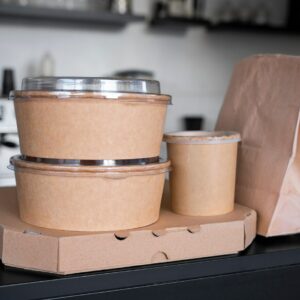
Choosing the right material impacts food safety, shelf life, and customer perception. For instance, a leak-proof PET cup keeps beverages secure, while a grease-resistant corrugated pizza box preserves flavor. Poor choices risk contamination, waste, and negative reviews. Plus, consumers prefer eco-friendly brands and sustainable options. Therefore, eco-friendly packaging like compostable paper bags can boost loyalty. Let’s explore the six factors every restaurant should weigh!
6 Factors to Consider When Choosing Food Packaging Materials
Not all packaging is created equal. What works for a food truck might flop for a fine-dining spot. Here’s what to prioritize:
- Food Type & Sensitivity: Hot, cold, greasy, or liquid? For example, choose insulated cardboard takeout boxes for steaming meals, while PET cups suit acidic juices.
- Safety & Compliance: FDA-approved, BPA-free materials are non-negotiable.
- Shelf Life: Keep food fresh and mess-free with secure takeout bags and boxes.
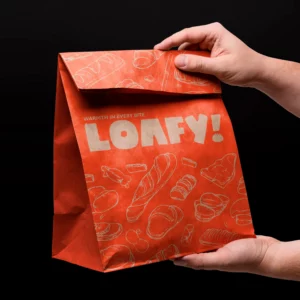
- Sustainability: Compostable kraft paper bags shout “eco-friendly” louder than plastic.
- Cost & Scalability: Bulk orders of custom paper cups save cash without skimping on quality.
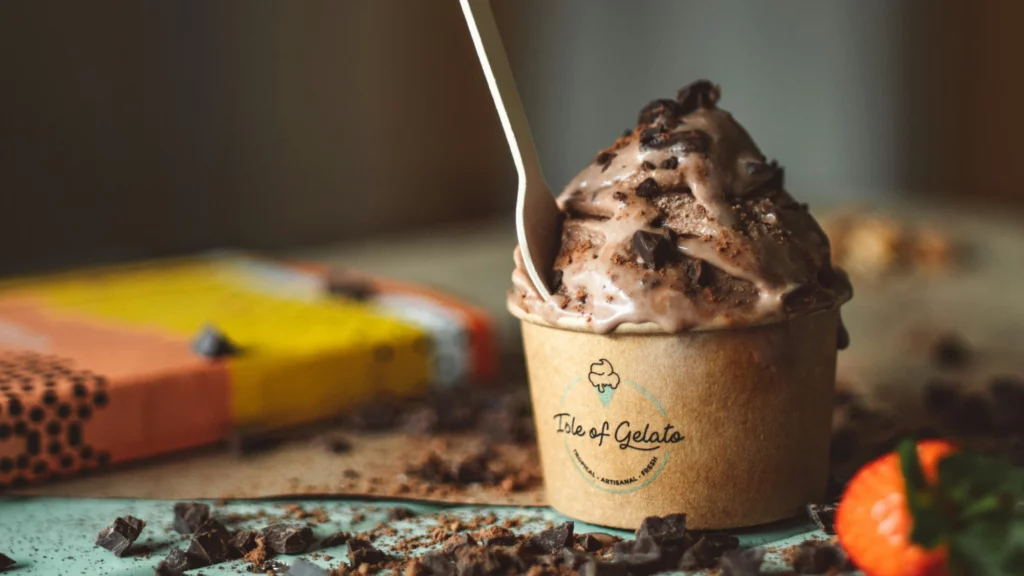
- Branding: A custom kraft bag with your logo encourages customers to share their experience on social media, boosting your brand visibility.
With these factors in mind, let’s explore the common packaging types and their practical use in restaurant settings.
Types of Packaging Materials for Food Products
There’s no one-size-fits-all in food packaging, especially for restaurants juggling delivery, takeout, and dine-in experiences. Each type of material brings unique benefits depending on the use case.
Flexible Packaging Materials for Food Products
When talking about flexibility, these materials shine. Flexible packaging is lightweight, space-saving, and versatile. Common materials include plastic films (like PET, PE, and PP), aluminum foil, and kraft paper. You’ll often see them in forms like resealable pouches, zipper bags, vacuum packs, and laminated film wraps.
Why restaurants love them:
- They take up minimal storage space and are easy to stack.
- Lower cost makes them great for high-volume use.
- Excellent for heat sealing to maintain freshness.
Flexible packaging is ideal for snack packs, seasoning packets, and pre-portioned frozen goods. For example, a bubble tea shop might use kraft stand-up pouches for toppings, while a deli might use PE film bags for sandwich ingredients.
These materials are best for preserving food in small quantities and short-term storage. However, if presentation is key, rigid options might serve you better—which we’ll explore next.
Rigid Packaging Solutions
Rigid packaging offers form and structure, giving your meals a premium look and feel. These materials include hard plastics (like PET and HDPE), glass, metals, and heavy paperboard. Common examples are clamshell containers, glass bottles, tin cans, and rigid kraft boxes.
Why restaurants rely on them:
- They offer excellent protection for fragile or liquid foods.
- Perfect for showcasing high-end meals or desserts.
- Reusable or recyclable, depending on the material.
For restaurants, rigid packaging is often used for takeout boxes, salad bowls, and soup containers. A burger joint might use a rigid kraft box to maintain shape and integrity, while a café could use PET cups for iced beverages.
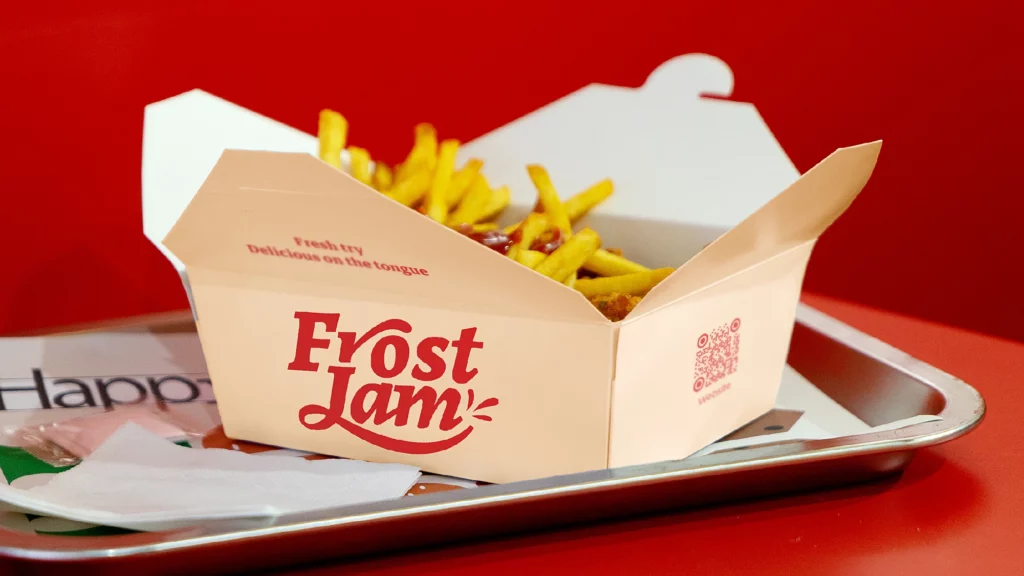
Rigid packaging brings durability and presentation to the forefront. But if eco-friendliness is your top priority, our next section is for you.
Sustainable Alternatives
Eco-conscious packaging isn’t just trendy—it’s becoming a necessity. Sustainable materials focus on minimizing environmental impact without compromising quality. Popular choices include compostable PLA plastics, recycled paper, bagasse (sugarcane fiber), and bamboo.
Why they matter:
- Reduce your carbon footprint and landfill waste.
- Showcase your brand’s commitment to sustainability.
- Ideal for health-conscious and eco-aware customer bases.
While these materials may cost more upfront, they pay off through brand loyalty and regulatory compliance. Many fast-casual restaurants now use compostable bowls or paper takeout bags made from recycled kraft. It’s worth noting, though, that these materials may need careful storage to maintain their integrity—especially in humid or oily food environments.
Sustainability isn’t a one-time decision—it’s a long-term investment in your brand’s future. Let’s recap how each material compares.
| Material | Key Features | Ideal For | Downsides |
| Flexible Packaging | Lightweight, low-cost, heat-sealable | Snacks, condiments, frozen items | Less premium look |
| Rigid Packaging | Durable, display-friendly, reusable | Takeout boxes, soups, meal sets | Higher cost |
| Sustainable Alternatives | Compostable, renewable, eco-conscious | Green branding, health food cafes | Higher cost |
Extra: Fusenpack’s Eco-Friendly Custom Packaging Solutions
If you’re looking for a partner who understands the balance between performance and sustainability, Fusenpack is here to help. We specialize in high-quality custom food packaging tailored for small and medium-sized restaurants.
Our unique advantages:
- Free Design Service: Our expert design team, supported by AI, creates impactful packaging that enhances your brand.
- Your Custom Store: Browse and preview all your packaging options in one personalized space.
- Free Storage & Management: No space? No problem. We store your stock and send weekly inventory updates.
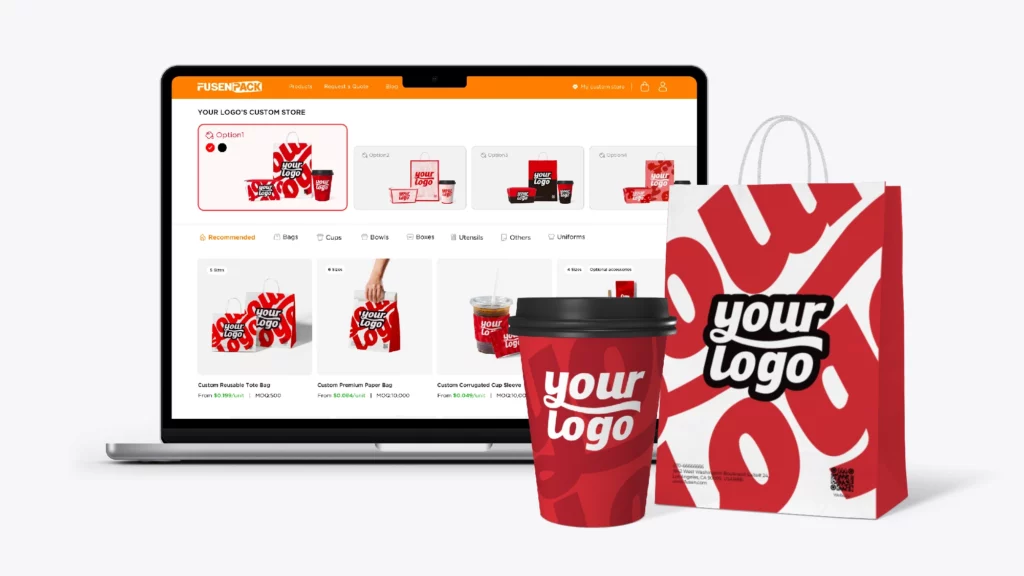
Our materials include recyclable kraft paper, food-safe PET, and biodegradable PLA. Whether you’re running a sushi bar, food truck, or family restaurant, we’ve got packaging that fits your vibe and values. We are leading the charge with innovative, customizable options such as compostable paper bags, recyclable PET cups, corrugated pizza boxes, and kraft paper bags.
How to Partner with Fusenpack for Your Packaging Needs
It’s easy to get in touch with us via our website, and you will need just 3 steps to finish your quote!
1: Explore our catalog of takeout bags, food boxes, cups, and more.
2: Let us know your restaurant name, what you needs, and we’ll prepare a tailored quote and packaging suggestion.
3: We’ll send you a personalized custom store where you can preview the products you need within 48 hours.
Your restaurant deserves packaging that works as hard as you do, and we’re here to deliver!
Conclusion
Selecting the right packaging material for food products requires a strategic blend of practicality, compliance, and sustainability. By prioritizing factors like food type, shelf life, and eco-friendliness, businesses can enhance customer satisfaction while reducing their environmental footprint. Fusenpack’s versatile range—from flexible packaging materials for food products to durable corrugated boxes offers tailored solutions that align with modern demands. Ready to elevate your food packaging? Explore Fusenpack’s catalog today and transform your brand’s unboxing experience.