Deli Paper vs. Greaseproof Paper for Restaurants: Key Differences
By
Contents
- Understanding the Basics of Deli Paper and Greaseproof Paper
- Key Differences Between Deli Paper and Greaseproof Paper
- Similarities Between Deli Paper and Greaseproof Paper
- How to Choose the Right Paper for Your Restaurant
- Why Restaurants Trust Fusenpack for Custom Packaging Solutions
- Frequently Asked Questions (FAQs)
- Conclusion
Choosing the right packaging, like Fusenpack’s Custom Deli Paper and Custom Greaseproof Paper, directly impacts food quality and customer satisfaction. Let’s quickly explore their differences, similarities, and how to pick the best option for your restaurant.
Understanding the Basics of Deli Paper and Greaseproof Paper
Before you make a choice, let’s break down what exactly these two types of papers are and their common uses.
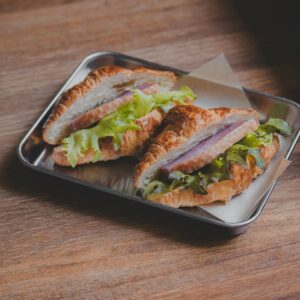
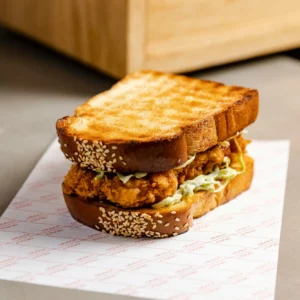
- A lightweight, thin paper with mild grease resistance, perfect for sandwiches, pastries, cold cuts, and casual dining environments.
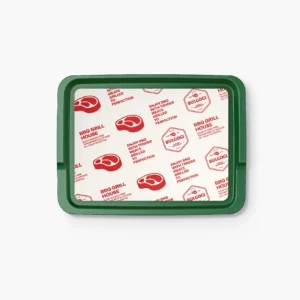
- Great for customization and branding purposes, making it ideal for restaurants aiming to enhance their visual identity.

- Specially treated paper with strong grease resistance, widely used for oily, fried, or moist foods like burgers, fries, and pizza slices.
- Ideal for takeout and delivery situations due to its sturdiness and protective capabilities.
Key Differences Between Deli Paper and Greaseproof Paper
| Scenario | Deli Paper | Greaseproof Paper |
| Wrapping burgers/sandwiches | Ideal | Suitable |
| Baking or heating | Not recommended | Excellent choice |
| Lining baskets for fried items | Sufficient | Highly recommended |
| Wrapping fried chicken | Can leak over time | Ideal |
| Separating deli meats | Convenient | Excessive |
| Wrapping moist pastries | Can absorb grease | Best choice |
Use Case: Resistance to Grease
Deli Paper
- Offers moderate resistance, suitable for low-to-medium oil foods like pastries or sandwiches.
- Not ideal for foods that release heavy grease.
Greaseproof Paper
- Provides superior grease resistance, specially crafted to handle oily and fried foods without breaking down.
- Perfect for menu items like burgers, fried chicken, and oily pastries.
In summary, choose deli paper for lighter fare and greaseproof paper for heavier, oily dishes.
Use Case: Resistance to Moisture
Deli Paper
- Offers limited protection against moisture and is best for dry or slightly moist items.
- It can become soggy if exposed to moisture for too long.
Greaseproof Paper
- Excellent at resisting moisture, preserving food quality and texture even in extended delivery or storage scenarios.
- Ideal for wetter foods or items requiring prolonged storage or transport.
This makes greaseproof paper your go-to choice when moisture management is crucial.
Durability and Strength
Deli Paper
- Lightweight and versatile for quick service, designed primarily for short-term use.
Greaseproof Paper
- Heavier and sturdier, built to withstand prolonged handling, transport, and storage conditions without tearing.
In short, greaseproof paper offers stronger durability for intensive use, whereas deli paper suits rapid-service scenarios.
Similarities Between Deli Paper and Greaseproof Paper
Despite their differences, deli and greaseproof papers share some valuable features:
Customizable for Branding
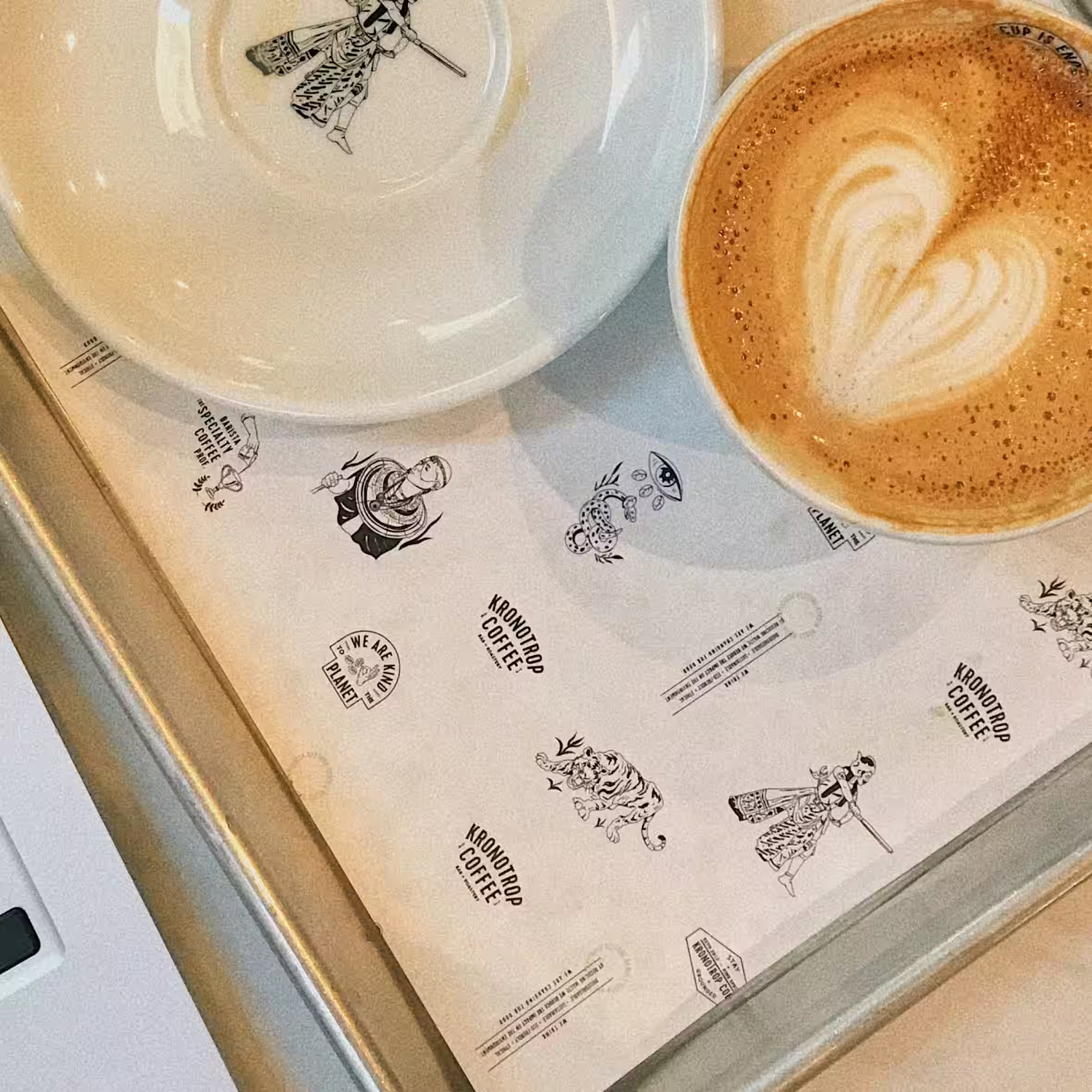
- Both options can showcase your restaurant’s branding with custom logos, patterns, and colors.
- Fusenpack provides high-quality customization to boost your visual appeal and brand recognition.
Food Safety Compliance
- Both papers meet strict food safety standards, ensuring they’re safe for direct food contact.
Eco-Friendly Options
- Available in recyclable or biodegradable materials, appealing to environmentally-conscious consumers and supporting sustainable business practices.
Understanding these similarities helps assure you of their shared reliability and effectiveness.
How to Choose the Right Paper for Your Restaurant
Assess Your Menu and Food Items
- Use deli paper for bakery items, cold sandwiches, pastries, and lower-grease foods.
- Opt for greaseproof paper if your menu includes oily, fried, or moisture-rich items like burgers or pizzas.
Consider Your Service Environment
- Choose deli paper for quick-service scenarios, eat-in environments, or items consumed shortly after preparation.
- Select greaseproof paper for takeout, delivery, or situations requiring longer storage or handling times.
Evaluate Branding and Customer Experience Goals
- Determine the type of branding experience you want to provide, and choose paper that aligns with your visual identity.
- Collaborate with Fusenpack to design custom solutions that highlight your restaurant’s unique personality and enhance customer satisfaction.
Carefully evaluating these considerations ensures you make an informed choice tailored to your restaurant’s needs.
Why Restaurants Trust Fusenpack for Custom Packaging Solutions
Restaurants may need Fusenpack because of:
- High-quality custom deli and greaseproof papers are specifically designed for the food service industry.
- Reliable printing and branding services to enhance visibility and customer experience.
- Commitment to eco-friendly and sustainable packaging solutions.
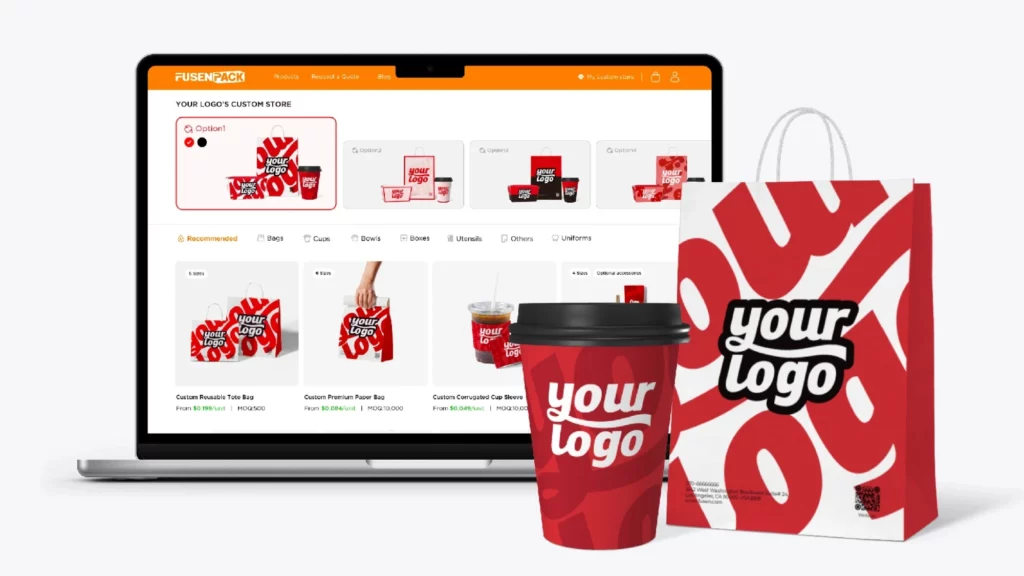
Choosing Fusenpack means choosing confidence in both your packaging quality and your environmental impact.
Frequently Asked Questions (FAQs)
- Can custom deli paper handle greasy foods? Yes, but only moderately greasy items. Greaseproof paper is recommended for highly oily foods.
- Is greaseproof paper suitable for reheating food? Generally, yes. It is durable and withstands moderate heat, suitable for reheating without becoming compromised.
- How environmentally friendly are these paper options? Both deli and greaseproof papers are available in eco-friendly options that are recyclable or biodegradable.
- What customization options does Fusenpack offer for restaurants? Fusenpack offers extensive customization, including logos, colors, patterns, and tailored designs for brand consistency.
Conclusion
The choice between deli paper and greaseproof paper should reflect your restaurant’s menu items, service environment, and branding goals. Deli paper is best for lighter items and fast-paced settings, while greaseproof paper excels at handling oily, moisture-rich foods in delivery and takeout scenarios. Both Fusenpack’s Custom Deli Paper and Custom Greaseproof Paper offer reliable, customizable, and environmentally conscious packaging solutions that can significantly enhance your restaurant’s presentation, food quality, and customer experience.