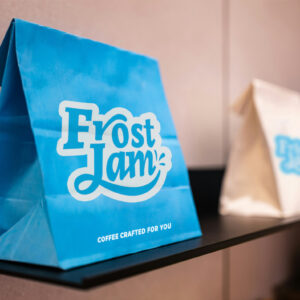
Types of Eco-Friendly Food Packaging: Trends and Best Practices
By
Contents
Sustainability has become a top priority in the food industry. As consumers demand greener solutions, businesses are increasingly adopting eco-friendly food packaging alternatives that minimize environmental impact. Understanding the different types of eco-friendly food packaging, the latest market trends, and best practices can help your restaurant or food business stand out while protecting the planet.
The Importance of Sustainability in Food Packaging
Eco-friendly food packaging reduces waste, conserves resources, and showcases your commitment to sustainability. It helps decrease landfill waste and carbon footprints, meeting both regulatory requirements and customer expectations for responsible business practices.
Popular Types of Eco-Friendly Food Packaging
1. Compostable Packaging
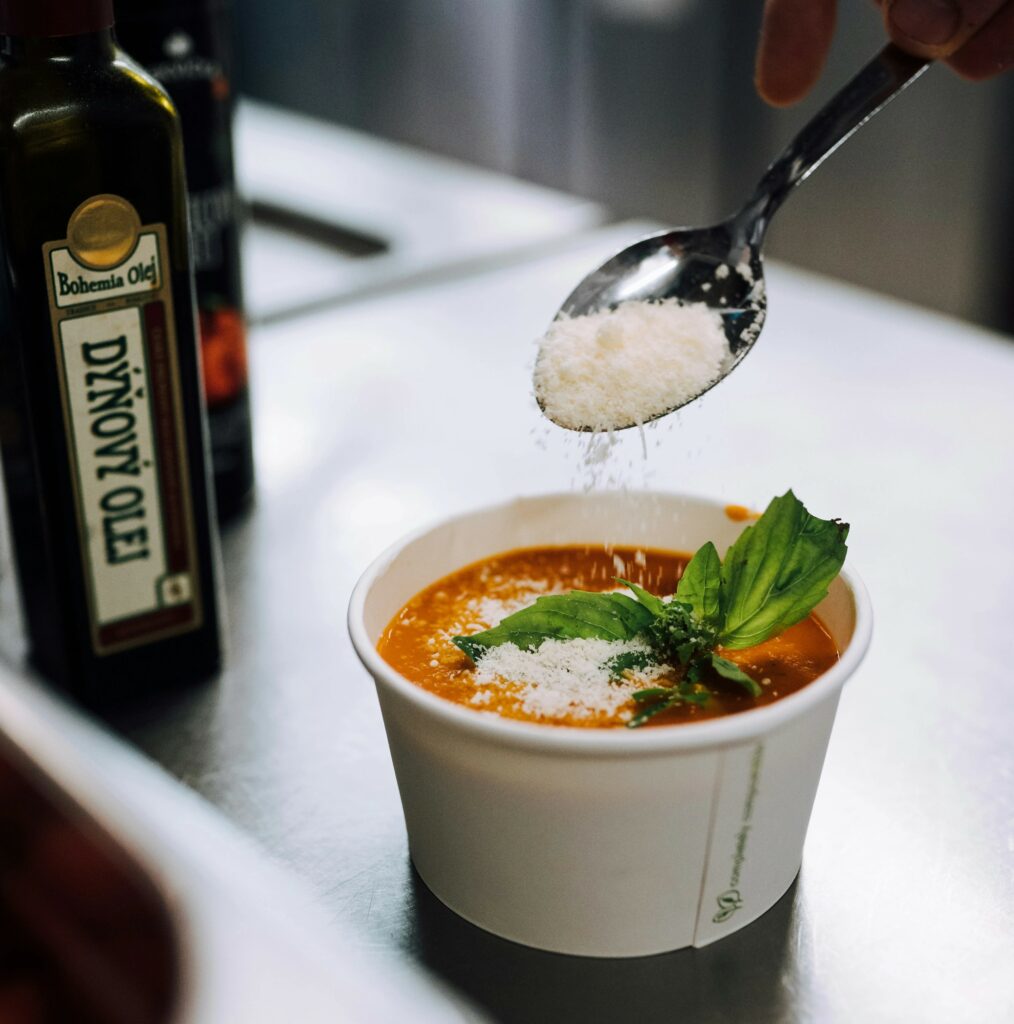
Made from materials like cornstarch, sugarcane bagasse, and bamboo fiber, compostable packaging breaks down quickly in composting environments. Items like plates, bowls, and soup containers insulated with plant-based linings offer excellent performance without plastic waste.
2. Biodegradable Packaging
Biodegradable packaging typically uses materials such as PLA (polylactic acid) or PHA, designed to degrade naturally when exposed to environmental conditions. Biodegradable cutlery, cups, and trays are gaining popularity for their versatility in sustainable food packaging.
3. Recyclable Packaging
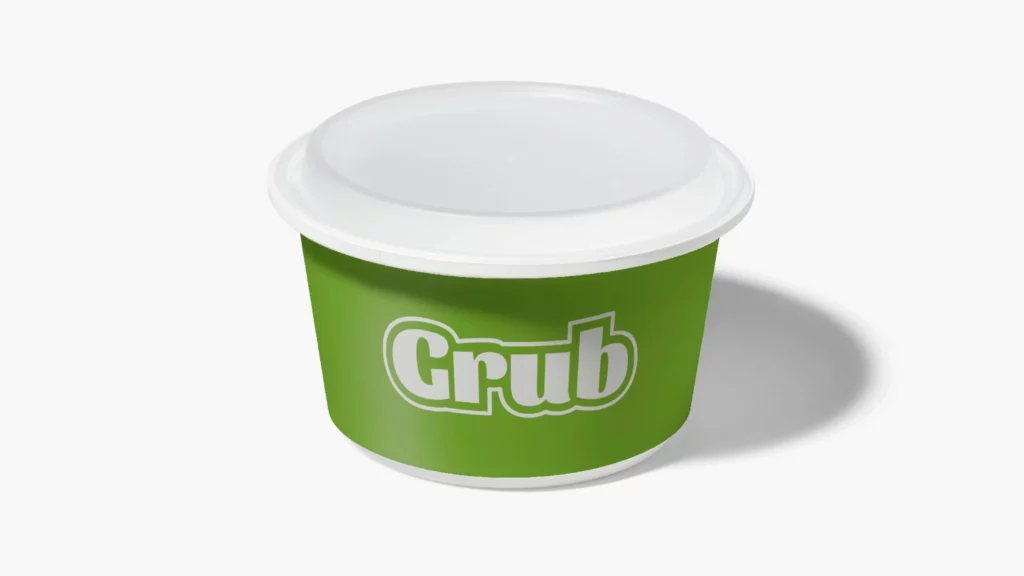
Classic recyclable options include paper, cardboard, PET, or glass. Recyclable soup containers and insulated paper cups retain heat and prevent leaks, meeting the needs of hot food service while supporting recycling programs.
4. Reusable Packaging
For dine-in and some takeout concepts, reusable containers made of stainless steel, glass, or hard plastics offer long-term solutions. Customers can return, refill, or reuse these containers, drastically reducing single-use waste.
5. Edible Packaging
Though still emerging, edible wrappers and cups made from algae, rice, or seaweed present a futuristic and zero-waste approach to food service packaging.
Trends in Eco-Friendly Food Packaging
With rising environmental awareness, the food packaging industry is embracing sustainable practices. Innovations such as insulated soup containers, smart labeling with QR codes, and minimalist designs highlight a shift towards eco-friendly solutions. These trends aim to meet consumer demands for convenience, sustainability, and efficient waste management in food packaging.
- Insulated Soup Containers The rise of delivery and takeaway has increased the demand for insulated soup containers that are both effective and sustainable. Options with compostable linings or recyclable double-wall construction maintain food temperature and integrity without relying on plastic foam.
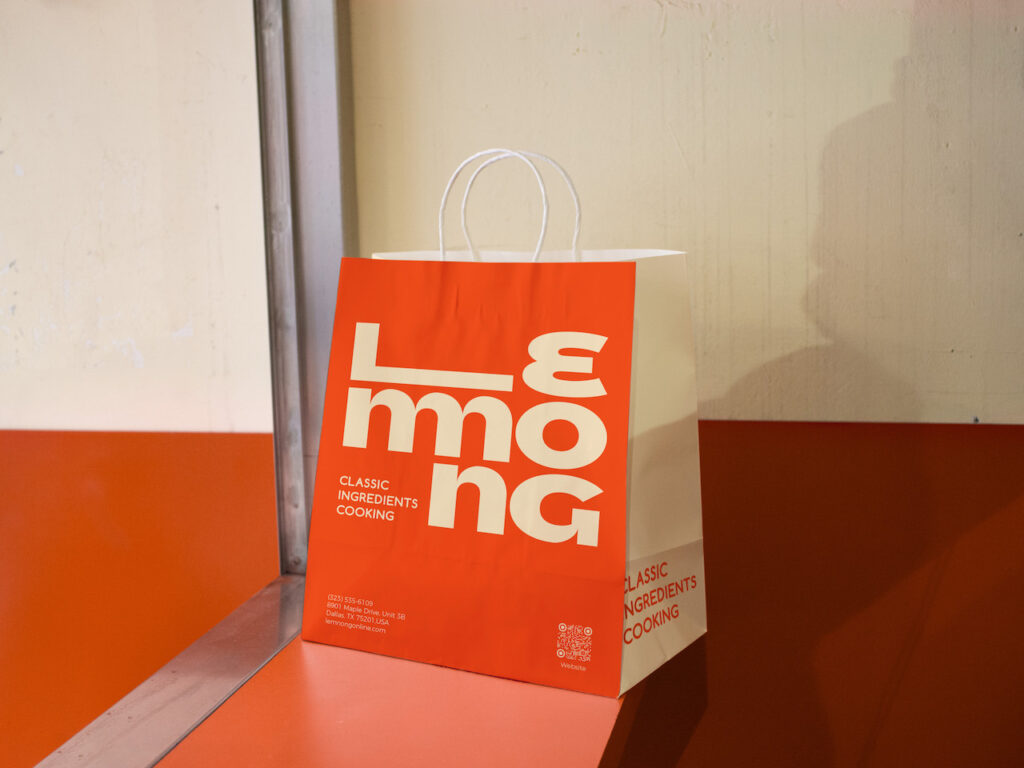
- Smart Labeling and QR Codes More brands now use eco-friendly packaging that features QR codes, enabling consumers to check disposal instructions, trace packaging origins, or join recycling incentives.
- Minimalist and Monomaterial Designs Reducing inks, coatings, and composite materials helps streamline recycling and composting, aligning with zero-waste goals.
Best Practices for Sustainable Food Packaging
Adopt eco-friendly packaging, educate customers on disposal, partner with certified suppliers, and align with local regulations to enhance sustainability in food service packaging.
- Choose the Right Type: Evaluate your menu and service model to select from various types of eco-friendly food packaging. Ensure containers for hot foods, like insulated soup containers, are suitably durable and sustainable.
- Educate Your Customers: Communicate the benefits and proper disposal methods for your packaging through labels, signage, and staff training.
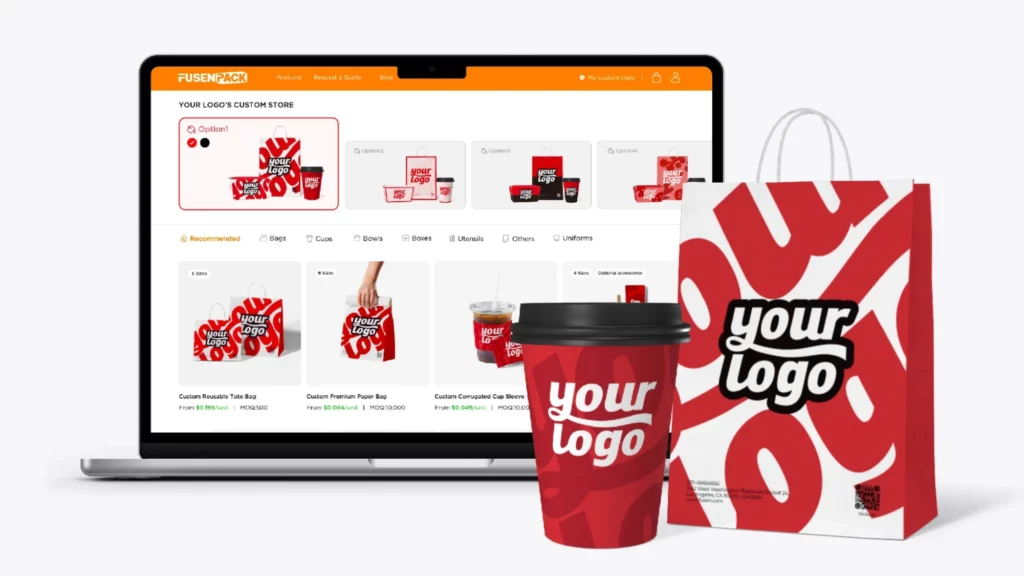
- Work with Certified Suppliers: Partner with suppliers offering FSC-certified, compostable, or recycled packaging. For added value, Fusenpack provides free design options, allowing you to customize packaging while ensuring third-party certifications to guarantee authenticity and quality.
- Optimize for Local Regulations: Stay informed on local waste sorting and recycling guidelines to maximize real-world impact and compliance.
Conclusion
Innovations in food packaging are making it easier than ever for restaurants and food businesses to operate sustainably. From compostable bowls to insulated soup containers, understanding the types of eco-friendly food packaging can help you adopt best practices and stay ahead of market trends. Make the move to sustainable food packaging today for a greener, more responsible business future.