What Are the Most Commonly Used Food Packaging Materials
By
Contents
In the world of coffee, packaging does far more than simply hold your drink — it’s a direct extension of your brand. For café owners and restaurant managers, choosing the right packaging isn’t just about function; it’s a smart branding move that protects your product, shapes customer perception, and supports your environmental commitments.
Why Packaging Material Matters for Coffee Businesses
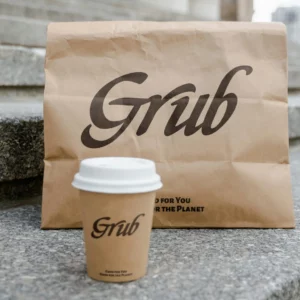
Packaging is the first touchpoint between your coffee brand and your customers. The materials you select speak volumes: eco-friendly, modern, or traditional — each makes an impression. A custom coffee cup does more than carry a beverage; it turns every takeaway into a roaming ad for your brand. Double-wall kraft cups keep drinks hot and hands comfortable, while clear PET cups enhance the visual appeal of cold brews.
But looks aren’t everything. Great packaging also needs to ensure food safety, be easy to recycle or compost, and meet current regulations. Packaging comes in layers: primary (cups, lids, sleeves in direct contact), secondary (branded bags, boxes), and tertiary (shipping cartons). Each plays a role in both function and storytelling.
Smart material choices balance function, aesthetics, compliance, and cost. Packaging is part of your brand promise.
Common Food Packaging Materials: Pros, Cons & Applications
Plastics (PET / PLA / PP)
- Pros: Transparent, leak-proof, lightweight, customizable. PLA is compostable (in commercial facilities).
- Cons: Standard plastics have sustainability issues; PLA isn’t heat-resistant.
- Typical Uses: Cold cups, lids, straws.
Kraft Paper & Paperboard
- Pros: Affordable, printable, biodegradable options.
- Cons: Requires coatings for moisture resistance.
- Typical Uses: Sleeves, takeaway bags, sandwich wraps.
Foil/Metal
- Pros: Excellent barrier against light, air, moisture. Retains heat well.
- Cons: Expensive, less suitable for custom branding.
- Typical Uses: Coffee bean bags, seals.
Bio-Based Materials (Bagasse, Corn Starch, PLA blends)
- Pros: Compostable, eco-friendly branding, consumer appeal.
- Cons: Higher cost, may lack strength, need proper disposal.
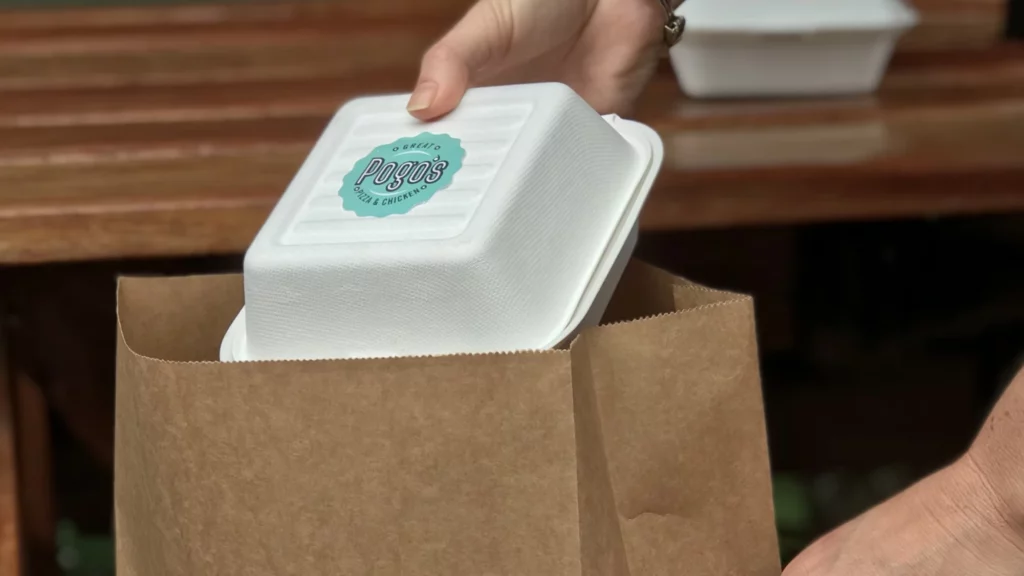
- Typical Uses: Compostable cups/lids, takeaway boxes.
Glass & Ceramics (for Dine-in)
- Pros: Premium, reusable, inert.
- Cons: Fragile, heavy, not for takeout.
How to Choose the Right Material for Your Coffee or Beverage
Selecting the ideal packaging material depends on your drink type, serving method, and safety requirements. Here’s a quick guide to help you make the best choice for your coffee business.
Which Materials Work Best?
- Paperboard & Kraft: Ideal for high-quality, full-color printing.
- Plastics: Good for logos and basic graphics; less flexible for full-coverage design.
- Metal: Hard to customize but great for valved bags (coffee beans).
- Finishing tips: Laminations add durability and a premium touch.
- Caution: Always request print proofs — some materials (like untreated kraft) may bleed/fade.
Eco-Friendliness Comparison
- Compostable: Breaks down quickly in facilities (e.g., PLA, bagasse).
- Biodegradable: Decomposes naturally, but timing varies.
- Recyclable: Enters regular recycling streams (PET, paperboard uncoated).
Real Café Case: A café switched to PLA-lined paper cups and saw 15% more social media buzz, showing that customers notice green choices.
Cost & MOQ Tips for SMEs
- Affordable picks: Paperboard and kraft are cost-effective, flexible for custom runs.
- Small batches: Fusenpack offers low MOQs, making premium packaging accessible to all businesses.
- Savings hacks: Use minimal PLA lining on kraft, or print sleeves for branding rather than all over the cup.
Popular Combos:
- Hot Drinks: Double-wall kraft cup + PLA lid + printed sleeve.
- Cold Drinks: PET clear cup + dome lid + custom sticker.
- Takeout: Kraft bag + compostable carrier + tray.
Future Trends
- Materials: Multilayer smart cups, edible/biodegradable coatings.
- Tech: QR codes for origin traceability and promotions.
- Compliance: More locations require compostable or recyclable packaging—trend is speeding up.
Verify Compliance & Certifications
- What to request: FDA, BPI, SGS, LFGB, BPA-Free, compostable, and food-grade certificates.
- Right questions: Is it certified? What’s the MOQ? Can you share documentation? (Fusenpack is transparent and provides proof.)
Sourcing & Custom Order Tips
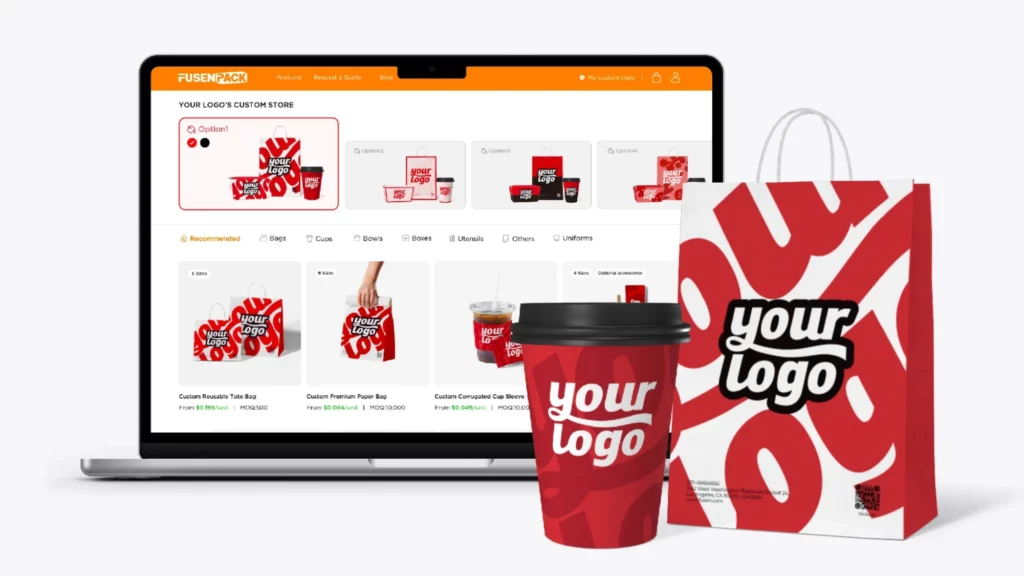
- Work with experienced suppliers like Fusenpack for flexible batch sizes, reliable lead times, and free design proofs.
- Plan orders 2–4 weeks in advance.
- Always review and approve samples/templates before production.
Fusenpack Advantage:
- Free design on all custom orders (up to 5 concepts per order)
- Low MOQ, perfect for small and growing brands
- Fast turnaround, online preview, and personalized service
- Materials: Kraft, PET, PLA-coated, more — all safe, certified, and customizable
FAQs About Food Packaging Materials
- What are the most commonly used materials for food and beverage packaging, especially for coffee shops?
The most common packaging materials in the coffee shop industry include paperboard, PET plastic, PLA bioplastics, and aluminum foil. The choice depends on the type of beverage and the shop’s sustainability goals.
- Is PLA packaging safe to use in a microwave or for reheating beverages?
No, PLA (polylactic acid) is not heat-resistant and should not be used in a microwave or for reheating, as it can deform or melt at high temperatures.
- Can I customize any packaging material with my brand or logo, or are some materials better for printing?
While most packaging materials can be branded, paperboard and kraft paper are best for high-quality printing and vibrant colors. Plastics (like PET and PLA) are suitable for simpler logos or designs, while metals are more limited in customization options.
- What is the best kind of cup and lid combination for serving hot coffee drinks to ensure insulation and sustainability?
The ideal option for hot drinks is a double-wall kraft paper cup paired with a PLA lid. This combination provides excellent insulation, keeps hands comfortable, and offers a more eco-friendly solution compared to traditional plastics.
- Does Fusenpack provide free design services when I order custom packaging, and what’s included?
Yes, Fusenpack offers five free design concepts and detailed mockups with each custom packaging order, helping you visualize and perfect your brand’s packaging before production.
Conclusion
With so many options, from kraft to compostable bioplastics, the right packaging material supports your drinks, delights your customers, and advances your brand’s sustainability goals. Ready to give your packaging a boost? Visit Fusenpack’s Custom Store or contact us for a free design preview.