Food Truck Equipment Checklist: Must-Have Items for Success
By
Contents
- Start with the Big Picture – Planning Your Food Truck Setup
- Core Equipment You Need for a Functional Food Truck
- Smart Layouts – How to Optimize Space in a Compact Food Truck
- Food Truck Packaging 101 – What to Use and Why It Matters
- Custom Food Packaging That Builds Your Brand
- Compliance First – Food Safety & Packaging Regulations
- Cost-Effective & Eco-Friendly Packaging Solutions
- Where to Source Bulk Custom Packaging (with Low MOQs)
- Final Checklist: Everything You Need to Start Your Food Truck
- FAQ
- Conclusion
Launching a food truck requires thoughtful planning, strategic equipment choices, and custom packaging solutions that ensure efficient service and brand consistency. If you’re a restaurant owner thinking about going mobile, this checklist breaks down exactly what you need in a food truck to succeed, from cooking equipment to food truck food packaging.
Start with the Big Picture – Planning Your Food Truck Setup
Before buying equipment, take a step back and look at the bigger picture. Every successful truck starts with a solid foundation.
- Define your food concept. Your menu will shape what kitchen equipment and packaging you need. A burger truck differs greatly from a smoothie van or a taco bus.
- Set a realistic startup budget. Costs can range from $50,000 to $150,000+. Allocate funds across key areas: the truck, kitchen equipment, licensing, and packaging.
- Understand your operational limits. Mobility means you’ll be working in compact spaces. Choose equipment and packaging that maximizes efficiency without overwhelming your layout.
Core Equipment You Need for a Functional Food Truck
What equipment for a food truck is non-negotiable? That depends on your menu, but some essentials apply to nearly all mobile kitchens.
Cooking Equipment Essentials
Your food truck kitchen should be compact yet capable.
- Flat-top griddles for burgers, eggs, pancakes.
- Deep fryers for fries, wings, and crispy sides.
- Convection ovens for baking, roasting, and reheating.
- Optional: steamers, toasters, or sandwich presses depending on cuisine.
Tip: Go for multi-functional units to save space and energy.
Refrigeration & Storage
Maintaining food safety standards is crucial.
- Reach-in refrigerators and undercounter freezers for perishables.
- Dry storage containers and bins for bulk ingredients.
- Consider modular shelving and sliding drawers to utilize vertical space.
Food Prep & Smallwares
Prepare efficiently with the right tools.
- Cutting boards, knives, measuring cups
- Mixing bowls, spatulas, thermometers
- Containers for mise en place
Smart Layouts – How to Optimize Space in a Compact Food Truck
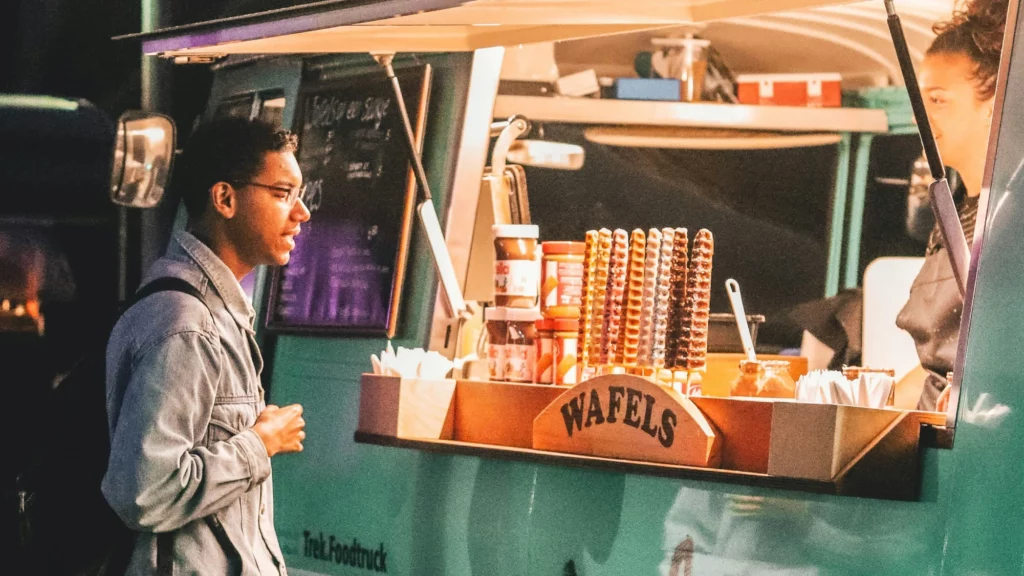
Food trucks are tight. Smart layout and flow planning can make or break your operations.
- Choose space-saving appliances that combine functions (e.g., a griddle with oven base).
- Install vertical shelves and hanging racks for pots, pans, and utensils.
- Use under-counter storage for prep tools and cleaning supplies.
Tip: Keep your cooking, prep, and service areas in a logical line to prevent backtracking.
Food Truck Packaging 101 – What to Use and Why It Matters
Packaging is your customer’s first interaction with your brand, and it affects food quality.
Packaging for Hot, Cold, and Fried Foods
- Grease-resistant boxes for fries and fried chicken
- Vented containers to prevent sogginess
- Soup-safe bowls with leak-proof lids
- PET cups for iced drinks vs. Kraft cups for hot beverages
Delivery & Takeout Friendly Options
- Stackable designs save space during prep and delivery
- Secure closures prevent spills
- Insulated wraps maintain warmth for handhelds like burritos or sandwiches
Custom Food Packaging That Builds Your Brand
Your truck is your billboard, and your packaging extends that branding into your customer’s hands.
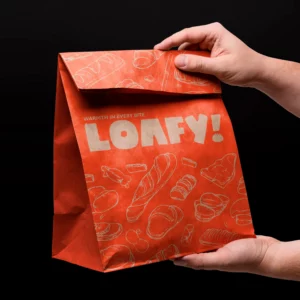
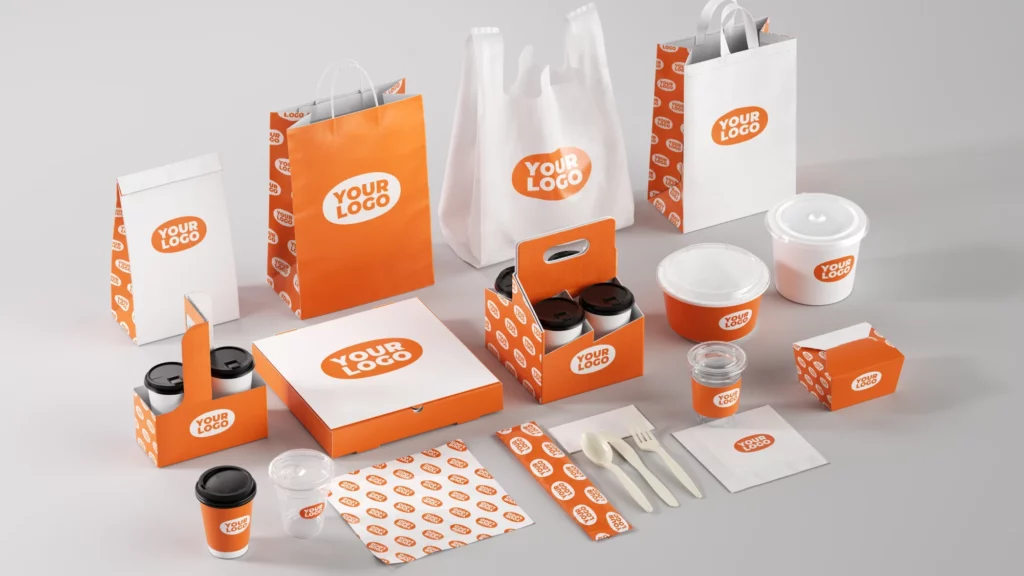
- Custom napkins, deli paper, cups, and boxes with your logo improve brand recall
- Match colors, fonts, and logo usage between your truck and packaging
- Use packaging to promote seasonal specials or highlight local ingredients
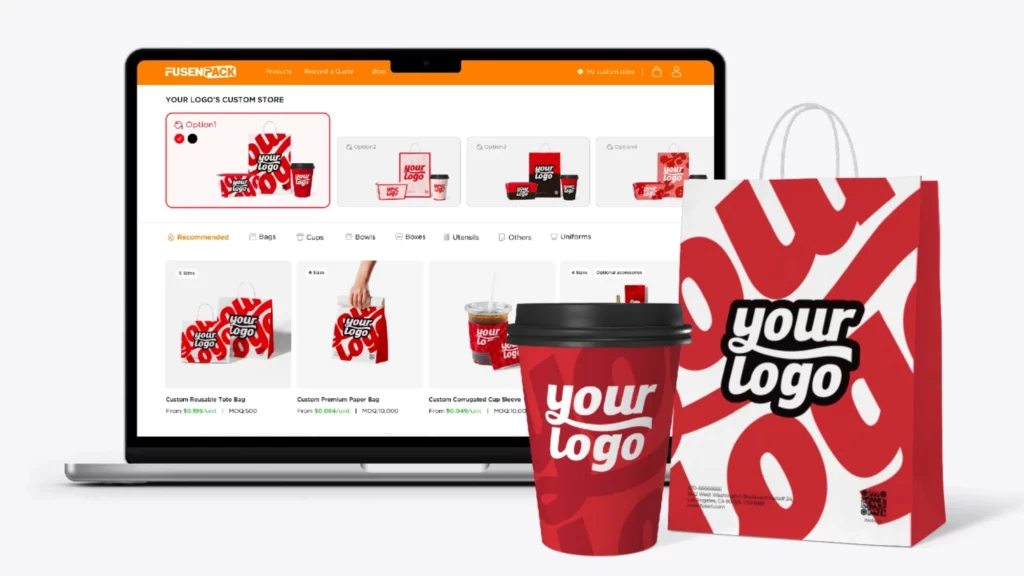
FUSENPACK offers custom food truck packaging that blends form and function. Our free design services, low minimums, and high-speed fulfillment help you create on-brand packaging without breaking the bank.
Compliance First – Food Safety & Packaging Regulations
Food trucks must meet the same health and safety standards as restaurants. Packaging matters here, too.
- Choose FDA-compliant, food-safe materials for all direct food contact items
- Ensure your packaging is labeled correctly if required (e.g., allergen warnings)
- Keep documentation for all packaging certifications (FSC, SGS, etc.)
Tip: Fusenpack packaging solutions are compliant with U.S. standards and include material traceability support.
Cost-Effective & Eco-Friendly Packaging Solutions
Sustainability is a growing concern, especially in food service. You don’t need to sacrifice your budget to stay green.
- Recyclable and compostable materials are now affordable and sturdy
- Choose FSC-certified kraft paper for bowls, boxes, and bags
- Compare PLA, bioplastics, and hybrid materials based on menu needs
Where to Source Bulk Custom Packaging (with Low MOQs)
Finding the right partner for food truck food packaging saves time, space, and money.
FUSENPACK offers:
- Low minimums ideal for small food truck operators
- Free design service (up to 5 versions within 24 hours)
- YOUR CUSTOM STORE platform: preview and personalize your packaging online
- Fast delivery and free storage to support your truck’s changing needs
Final Checklist: Everything You Need to Start Your Food Truck
Use this checklist to make sure you’re ready to roll:
- The truck & layout
- Cooking equipment: griddle, fryer, oven
- Cold storage: fridge, freezer
- Prep tools & smallwares
- Food-safe, efficient packaging
- Custom printed containers, napkins, and cups
- Health-compliant, eco-friendly materials
- Maintenance tools & backup gear
FAQ
Q: What do you need in a food truck to get started? A: You’ll need a truck, basic kitchen equipment (griddle, fridge, prep tools), permits, and branded, food-safe packaging.
Q: What kind of packaging is best for food trucks? A: Look for stackable, grease-resistant, temperature-safe containers. Custom printing enhances branding.
Q: Can eco-friendly packaging work for high-volume trucks? A: Yes. Today’s compostable and recyclable packaging options are durable and affordable.
Q: Where can I get small-batch custom packaging for my truck? A: FUSENPACK offers low MOQs, fast design turnaround, and storage solutions tailored to food truck operations.
Conclusion
Equipping a food truck means balancing functionality, branding, and compliance. From your first flat-top grill to your last custom paper box, every piece plays a role in your success.
Explore custom food truck packaging at Fusenpack or contact us directly to build your brand on wheels.