Small Business Food Packaging Guide 2026: Opportunities & Challenges
By
Contents
- The Growing Pressure on Small Kitchens
- Custom Packaging That Actually Helps the Brand
- Designed for Real Kitchens, Not Just Pretty Photos
- Sustainable Options Are Becoming A Quiet Advantage
- How Fusenpack Customization Process Works
- What 2026 Means for Packaging
- Ongoing Challenges
- Quick Comparison of Popular Packaging Types
- FAQ
- Final Thoughts
For many small kitchens, cafés, and take-out shops, the way food is packed now matters almost as much as the food itself. Good small business food packaging protects flavor, survives a delivery ride, and silently tells customers who you are. As expectations rise, packaging has shifted from a background detail to a business asset.
The Growing Pressure on Small Kitchens
Customers today notice everything—how tight the lid sits, whether fries stay crisp, whether soup leaks, and whether the design feels trustworthy. For many shops operating with tight margins, choosing the right small business food packaging becomes a daily decision that influences both cost and reputation.
This is why many owners look for packaging that performs reliably but still feels premium. Fusenpack’s designed for exactly these situations.
Custom Packaging That Actually Helps the Brand
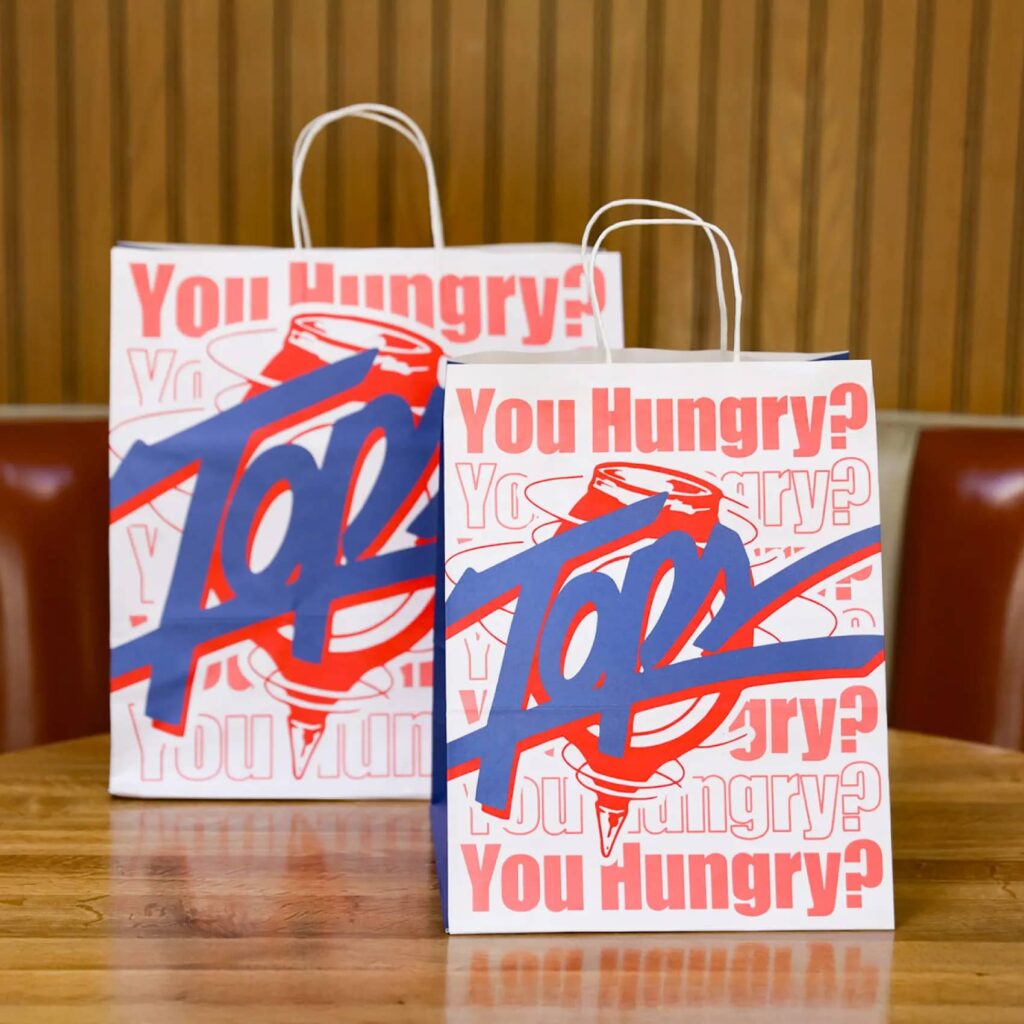
A custom container might seem small, but it shapes how customers remember a store. When someone carries a cup or box printed with a clear logo, it becomes part of their experience. Many small shops tell us that they don’t invest heavily in marketing; instead, they let their packaging speak for them.
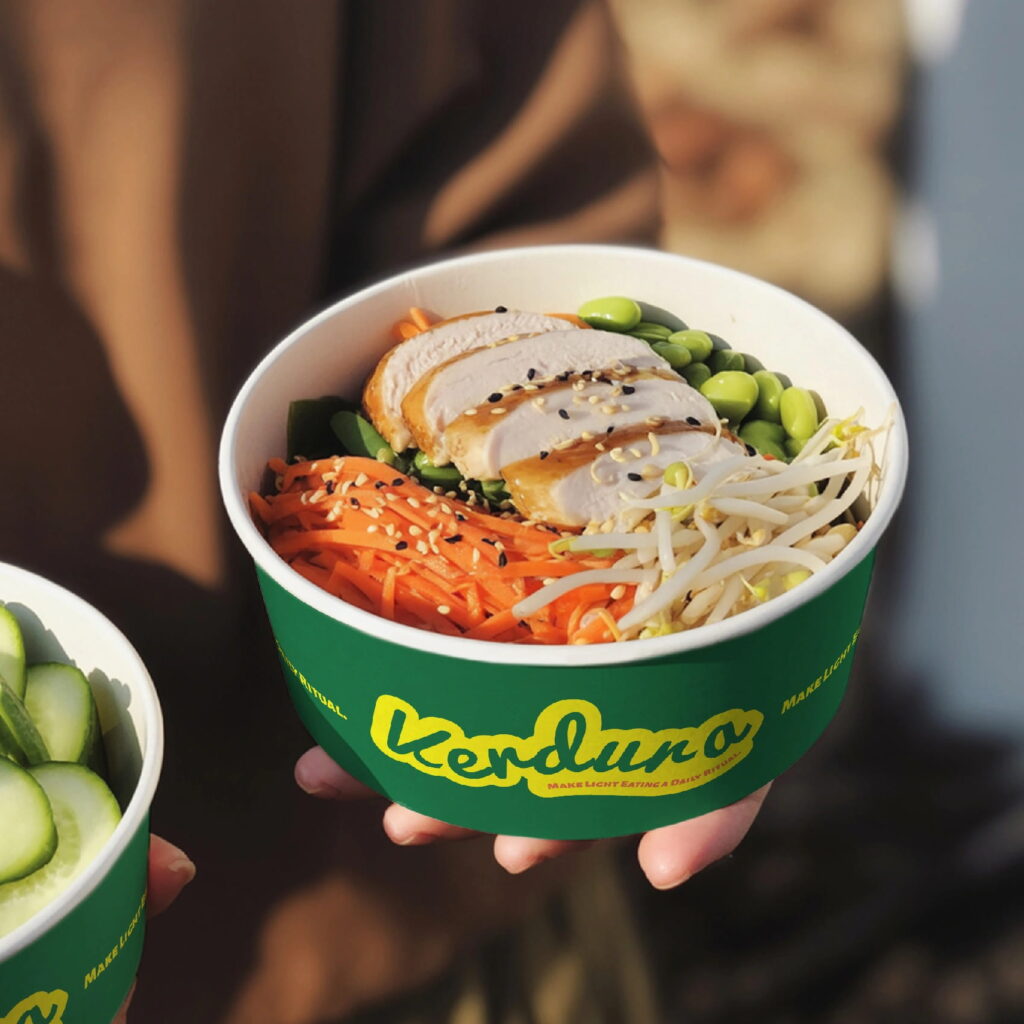
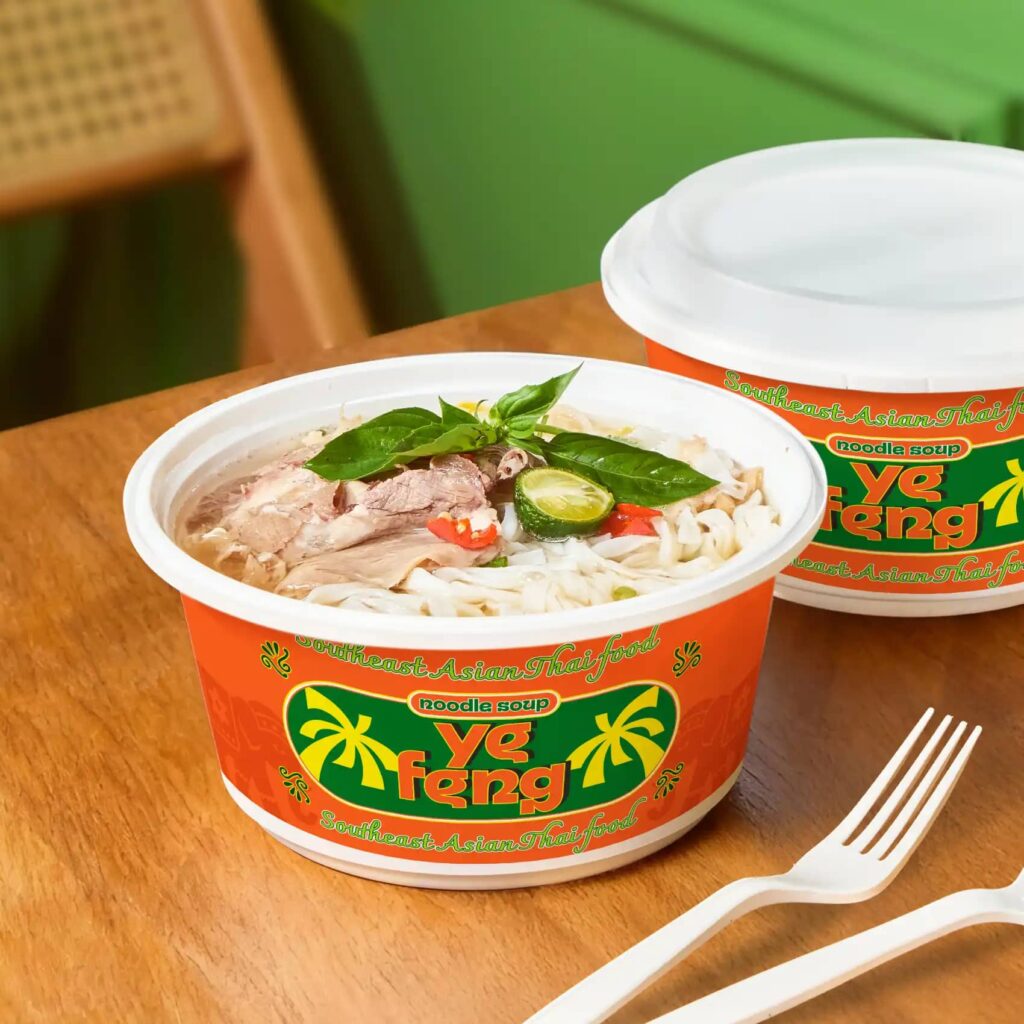
Our custom solutions focus on real, everyday use. We help refine logo placement, color balance, and print clarity so the final product looks clean—even on fast-moving items like drink cups, noodle bowls, or kraft boxes. This “quiet branding” strategy makes small business food packaging do double duty: functional and memorable.
Designed for Real Kitchens, Not Just Pretty Photos
A lot of packaging looks good in catalog photos but fails in a hot, crowded kitchen. During sampling, most owners test their containers for:
- Heat performance for noodles, rice plates, broth, or fried snacks
- Leak resistance when sauces press against the walls
- Stackability so staff can pack multiple orders quickly
- Grip strength for delivery drivers who handle dozens of orders per hour
Our bowls, grease-resistant boxes, PET drink cups, and anti-fog lids are selected based on these real kitchen conditions. And with the 5000 MOQ, shops can try new sizes or shapes without taking on excessive inventory.
Sustainable Options Are Becoming A Quiet Advantage
More customers now ask whether the packaging is recyclable, compostable, or made from natural fiber. They often mention this during repeat visits, which shows how packaging influences perception.
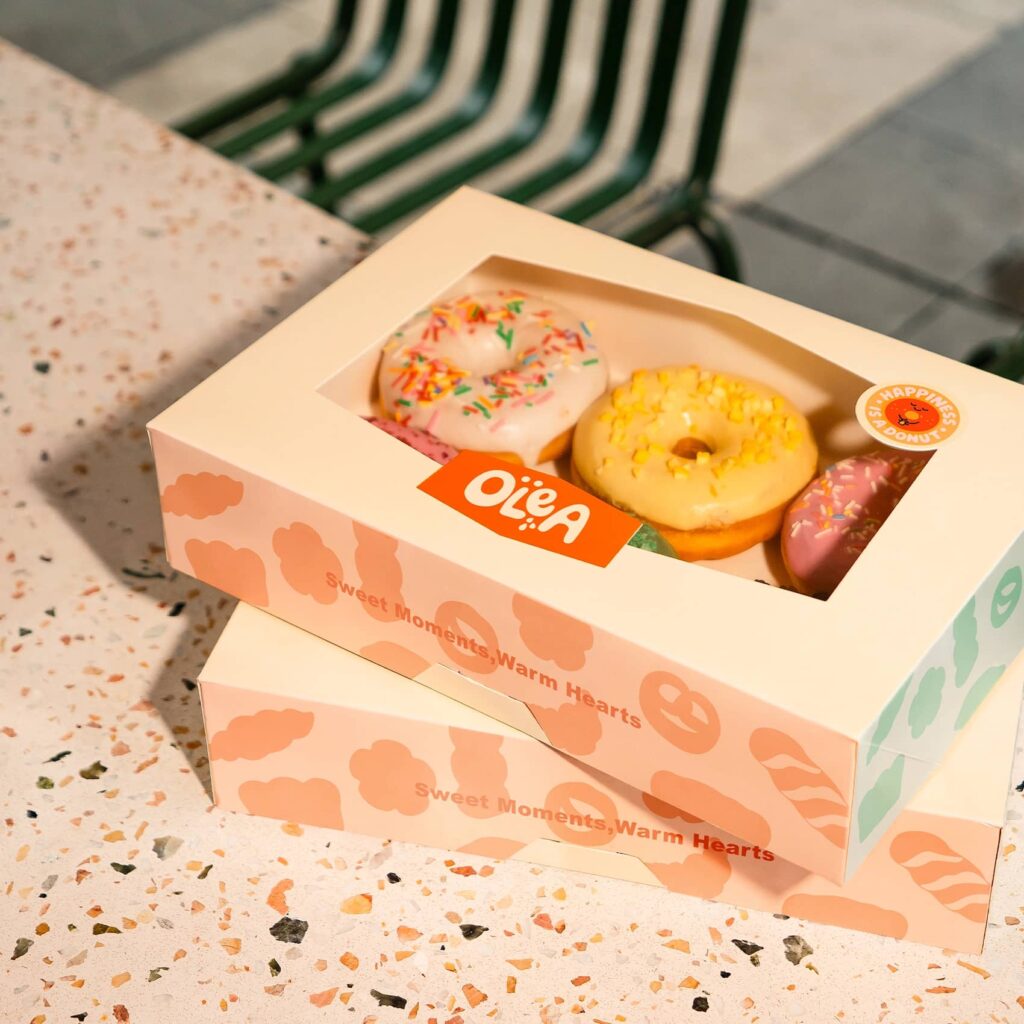
To support this shift, we expanded our line of small business food packaging to include kraft paper boxes, sugarcane-fiber meal containers, and recyclable cups. These options still allow custom printing while giving restaurants a cleaner, more responsible presentation.
How Fusenpack Customization Process Works
Many small shops initially think custom printing is complicated. In reality, it’s a simple, cooperative process:
- You send a logo or even a rough sketch.
- We adjust the artwork to fit the container shape and printing zones.
- Together we choose the right material for your dishes—hot, cold, oily, liquid, or dessert items.
- Our team performs print and strength checks.
- The final batch arrives fully ready for service.
Because most small restaurants don’t have a designer, we often help refine the look. Sometimes a slight adjustment in stroke width or color contrast makes the packaging feel noticeably more professional.
What 2026 Means for Packaging
Several shifts are bringing new opportunities:
Hybrid models: Many dine-in shops now operate small delivery menus, increasing demand for secure packaging.
Visual marketing: People upload photos of meals more often, so packaging has become part of their shareable experience.
Eco trend momentum: Natural-looking materials like kraft and sugarcane create a warm, trustworthy impression.
Specialized menus: Dessert shops, meal-prep kitchens, and noodle stalls now want signature packaging that reflects their style.
All these trends pull small business food packaging into a more strategic role. It’s no longer just a container—it’s part of the brand story.
Ongoing Challenges
Even with new opportunities, small kitchens still face:
- Rising board and plastic material costs
- Delivery platforms demanding tamper-evident solutions
- Limited backroom space for storing packaging
- Seasonal order swings that make forecasting tricky
Quick Comparison of Popular Packaging Types
| Packaging Type | Best For | Strengths | Notes |
| Paper Bowls | Soups, noodles, curries | Heat resistant, customizable | Vented lids optional |
| Kraft Boxes | Rice bowls, burgers, snacks | Natural look, durable | Strong eco appearance |
| PET Cups | Drinks, smoothies | Clear visibility | Works with sleeves |
| Sugarcane Containers | Hot meals, meal-prep dishes | Compostable, sturdy | Handles oily foods |
FAQ
Q: What’s Fusenpack usual minimum order for custom packaging?
A: We normally start at 5000 pieces. It keeps the printing consistent and still makes sense for small kitchens that don’t want piles of unused stock.
Q: Do you offer eco-friendly small business food packaging?
A: Yes, we carry kraft boxes, sugarcane-fiber meal containers, and recyclable cups. Many shops use these when they want their small business food packaging to look cleaner and feel more responsible.
Q: How long does custom printing usually take?
A: Once the design is settled, production moves quickly. The timeline depends on the item, but we keep you updated so there are no surprises.
Q: Is the design service really free?
A: Yes, our design concepts are completely free with no hidden costs.
Final Thoughts
Thoughtful small business food packaging creates trust before the customer even takes a bite. A clean print, a firm lid, a well-shaped container—these details build recognition meal by meal. For many small kitchens, packaging quietly becomes one of the most reliable tools to improve branding, keep food secure, and shape customer expectations.
And when customization stays practical, with reasonable MOQs and dependable materials, even the smallest shop can present its food with confidence from the moment it leaves the counter.
[Get Your Free Quote and Design]