Seasonal Restaurant Packaging: How a Quarterly Refresh Can Drive Repeat Sales
By
Contents
- Why Packaging Timing Is a Revenue Decision, Not a Design Decision
- The Quarterly Packaging Calendar: A Framework That Maps to Real Sales Cycles
- How to Refresh Without Rebuilding: A Practical Production Strategy
- The Numbers Behind a Quarterly Refresh ROI
- What to Print — and What to Skip
- FAQ
- What I want to say is
Restaurants that sync their seasonal restaurant packaging with a quarterly refresh cycle don’t just look current — they convert first-time delivery customers into repeat buyers at a measurably higher rate.
Why Packaging Timing Is a Revenue Decision, Not a Design Decision
72% of American consumers say packaging design directly influences their buying decisions. Yet most independent restaurant owners reorder the same box for three years straight.
That’s a compounding problem. According to a Bain & Company study, 60–80% of consumers will not return to a brand with poor packaging — even if they were satisfied with their purchase. And with 75% of U.S. restaurant traffic now coming from off-premise channels like takeout and delivery, your packaging is your dining room. There’s no server, no ambiance, no second chance.
Seasonal or promotional menu items demand packaging partners who can move at rapid speed without sacrificing quality — successful LTO execution requires supply chain agility and packaging solutions that can pivot quickly.
The Quarterly Packaging Calendar: A Framework That Maps to Real Sales Cycles
| Quarter | Season Focus | Key Windows | Packaging Move |
| Q1 | Winter → Spring | Valentine’s Day, St. Patrick’s Day | Limited-edition sleeves, red/pink colorways |
| Q2 | Spring → Summer | Mother’s Day, Memorial Day | Fresh palette, lighter kraft tones |
| Q3 | Summer → Fall | Back-to-School, Labor Day | Earth tones, family-size bundle bags |
| Q4 | Fall → Holiday | Halloween, Thanksgiving, Christmas | Holiday custom printing, gift-ready boxes |
Lock in your Q4 artwork by mid-September. Production runs 8–12 weeks, and holiday seasonal takeout box custom printing demand spikes hard in October.
How to Refresh Without Rebuilding: A Practical Production Strategy
Keep the Structure, Change the Surface
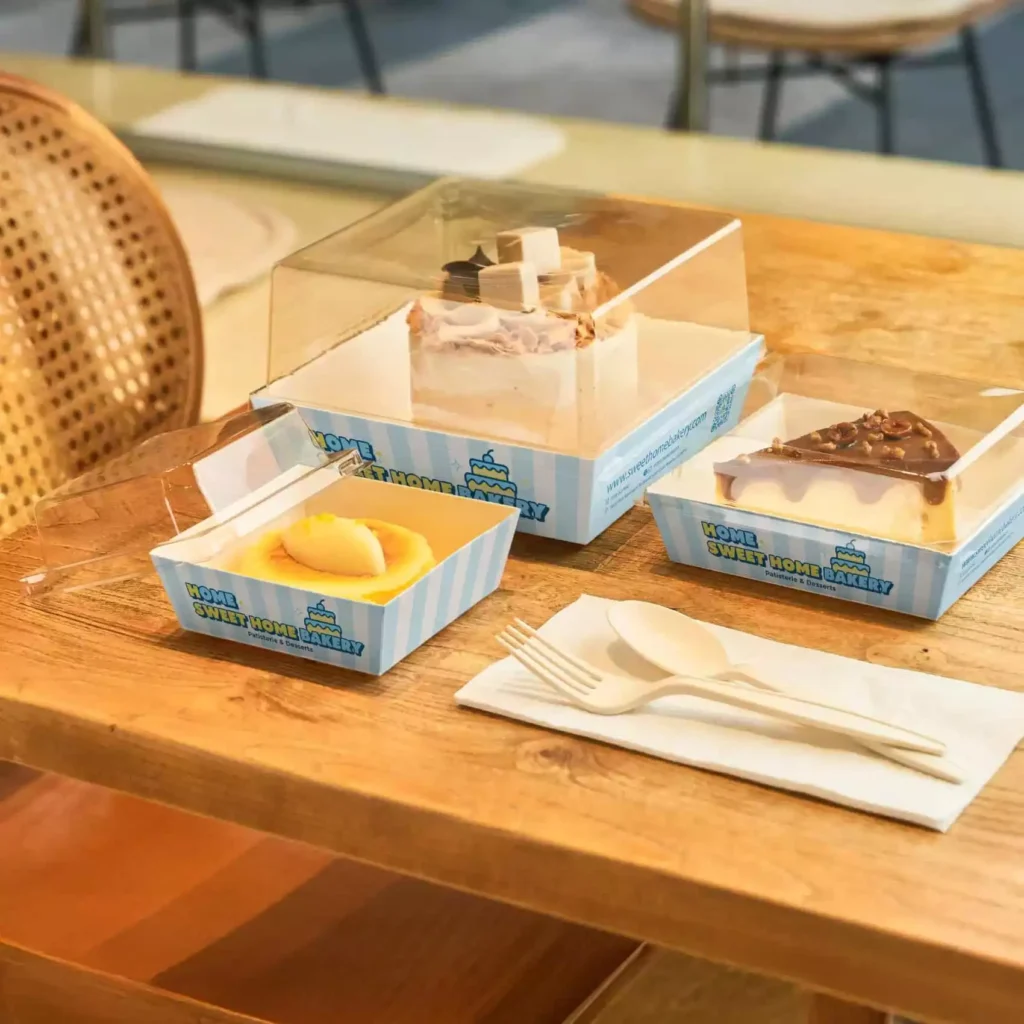
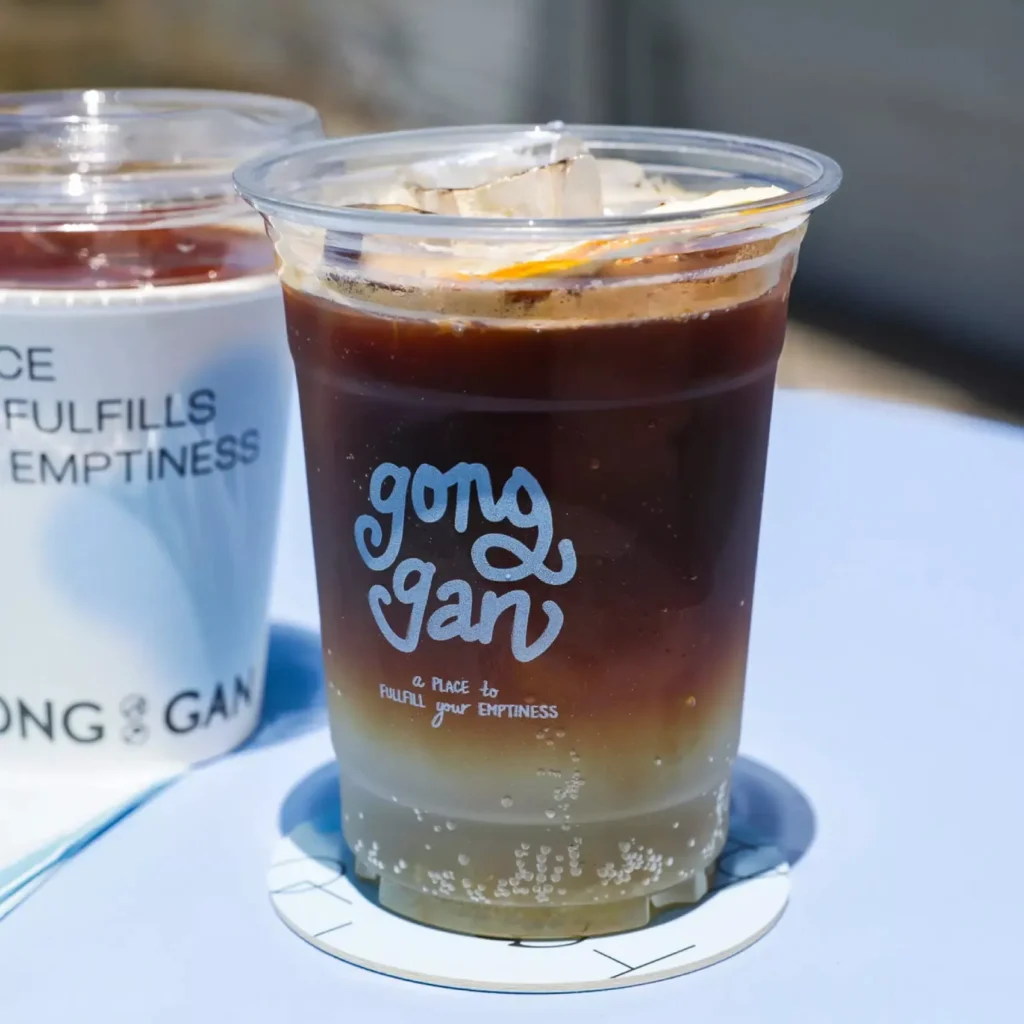
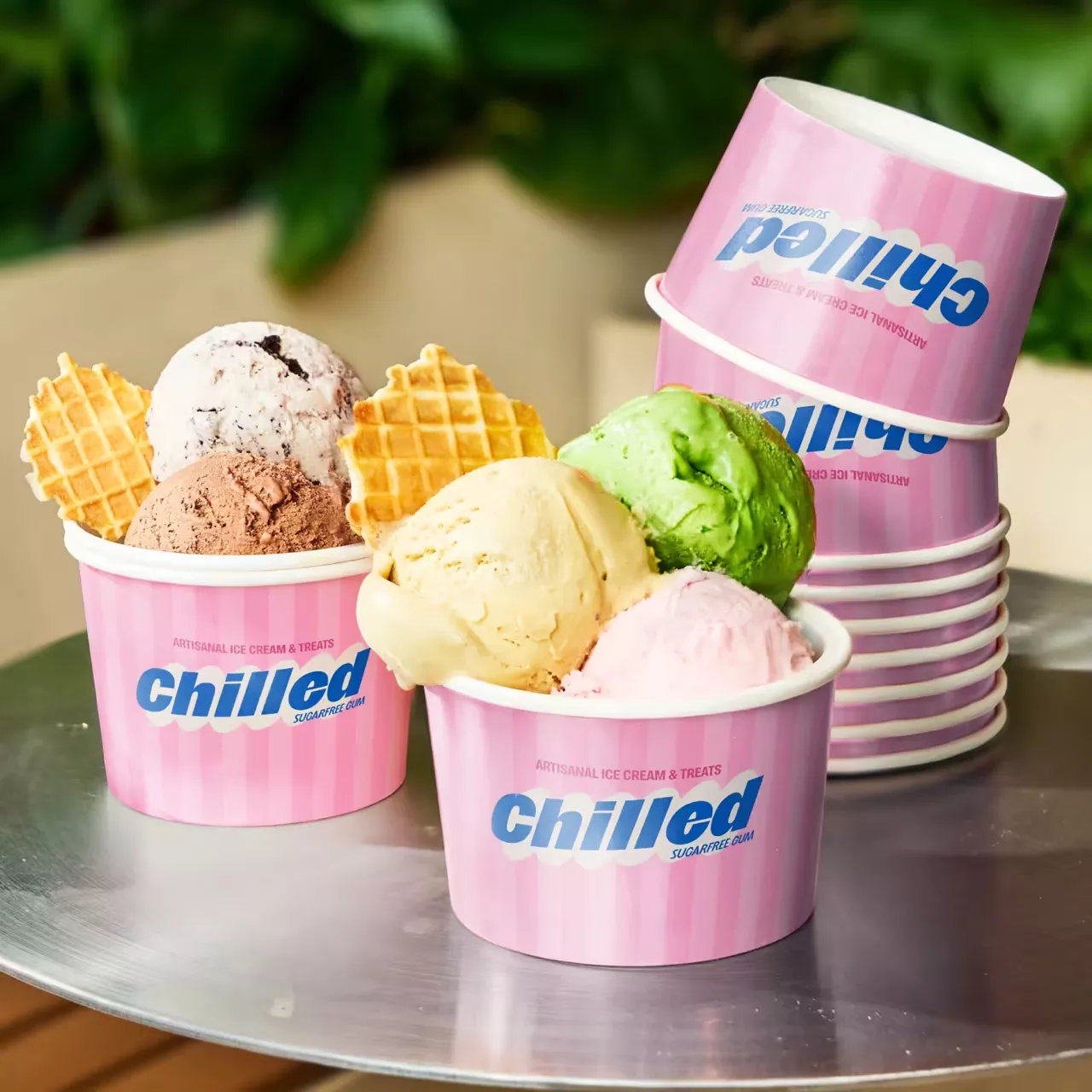
A full packaging overhaul every quarter isn’t realistic for most small restaurants. The smarter approach: lock in 2–3 core SKUs (a takeout box, a bag, a cup sleeve) and only update the print layer each cycle.
Changes that read as seasonal without triggering full redesign costs:
- Background color swap to match the season
- One seasonal illustration on the side panel
- Updated tagline or short promotional message on the bottom flap
- QR code linking to your seasonal menu or a loyalty offer
Eco-Friendly Materials Double as a Second Brand Story
43% of industry professionals identified meeting consumer demand for convenient, minimally packaged food and beverage products as a key factor influencing 2025 packaging investments.
Compostable sugarcane boxes and recycled kraft bags don’t just reduce waste — they give you something to say on the box itself. An eco-friendly seasonal restaurant packaging design update lets you lead with two messages at once: new fall design, and same zero-waste commitment. That combination hits especially hard with delivery customers who experience your brand entirely through what shows up at their door.
Suppliers like Fusenpack offer compostable and recyclable options starting at 5,000 units — a practical threshold for a restaurant doing 50+ daily takeout orders — with free design support and inventory holding that eliminates the upfront storage crunch.
The Numbers Behind a Quarterly Refresh ROI
The hesitation most operators have is cost. Here’s what the data actually says:
- 52% of customers are more likely to purchase again if they receive products in premium packaging.
- Premium packaging delivers a 61% higher repeat purchase rate, making it one of the most cost-effective customer retention tools available.
- 40% of consumers share product packaging online if it’s unique — that’s earned marketing with zero ad spend.
At a mid-range custom print price of $0.20–$0.35 per unit on a 5,000-unit MOQ, a standard takeout box runs under $1,750 per seasonal run. For a restaurant generating $8,000/month in delivery revenue, recovering even a 5% lift in repeat order rate more than covers the investment.
What to Print — and What to Skip
Include on seasonal restaurant packaging:
- Seasonal color treatment or illustration
- Your logo, website, and social handle
- A short seasonal message (5 words or fewer)
- QR code to seasonal menu or loyalty signup
Leave off:
- Specific pricing (it dates fast)
- Dense food photography (loses resolution at box scale)
- Generic filler copy that says nothing about your brand
FAQ
Q: How far in advance should seasonal restaurant packaging be ordered?
A: Finalize artwork by mid-September for Thanksgiving and Christmas runs. Production takes 8–12 weeks, and Q4 print slots fill up fast — late orders mean expedite fees or generic boxes through your biggest sales month.
Q: What’s a realistic MOQ for a small restaurant doing quarterly packaging design refreshes?
A: 5,000 units per SKU is the standard entry point for custom printing. At 50 takeout orders per day, that’s a 100-day supply — roughly one quarter. Stick to 2–3 SKUs per season to keep costs manageable.
Q: Do I need a designer to update seasonal packaging?
A: No. Suppliers like Fusenpack include free design services with orders — you provide direction on season and color, they handle artwork and proofing within 36 hours.
What I want to say is
Seasonal restaurant packaging isn’t just about changing box designs — it’s a tool to drive repeat sales.
Quarterly updates boost customer interest, strengthen brand memory and improve delivery experiences, making packaging more effective for your business.
For restaurants aiming to increase repeat orders, a quarterly refresh is a simple, impactful strategy.
For more information, please contact Fusenpack.