Best Hot Food Delivery Packaging: A Practical Guide for Restaurants
By
Contents
- Key Takeaways
- What Makes Hot Food Delivery Fail?
- What Are the Best Materials for Hot Food Delivery?
- How Does Delivery Time Affect Packaging Choice?
- What Packaging Is Best for Different Food Types?
- How to Keep Food Hot Without Making It Soggy
- Leak Control, Sealing, and Stackability: The Details That Save Reviews
- Is Eco-Friendly Packaging Always the Best Choice?
- A Simple Packaging System Beats a Single “Best Container”
- How to Start Optimizing Your Hot Food Delivery Packaging
- FAQ: Hot Food Delivery Packaging
- Conclusion: Build a Packaging System That Matches Your Menu
- Choosing the Container Format Itself
- What to Settle Before the First Order
The best hot food delivery packaging is not one magic box. It is the packaging system that keeps your food hot, your fried items crisp, and your sauces where they belong—based on your menu, your route, and your average delivery time.
A burger that arrives soggy, fries that turn limp, or a bowl that leaks in the bag does not usually mean the kitchen failed. Most of the time, the packaging was the weak link. That is the problem this guide solves.
In this guide, we will look at what causes hot food delivery to fall apart, which materials fit different situations, and how to test packaging before you commit to a full rollout.
Key Takeaways
- The best hot food delivery packaging matches your menu’s moisture, fat, and crunch profile with your average delivery time.
- For many restaurants, the practical choices usually fall into bagasse, molded fiber, food-grade paperboard, and PP plastic.
- Do not choose packaging by material alone. Always test it with your actual menu items first.
- Ventilation matters as much as insulation. Too much trapped steam is one of the fastest ways to ruin fried food.
- The smartest rollout is gradual: test one container type with one menu category before changing your entire system.
What Makes Hot Food Delivery Fail?
Most delivery problems come from a mismatch between the food and the packaging.
1. Food type vs. container design
A fried item needs airflow. A soup needs a tight seal. A burger needs structure without turning into a steam room. The same box cannot do all three jobs equally well.
2. Delivery time vs. material performance
A container that holds up for a 10-minute drop-off may struggle once the route stretches to 30 or 45 minutes. The longer the food sits in transit, the more packaging performance matters.
3. Cost vs. customer experience
Saving a few cents on packaging can backfire fast if the food arrives cold, soft, or spilled. In delivery, the package is part of the product.
What Are the Best Materials for Hot Food Delivery?
For most restaurants, the practical choices usually fall into four categories: bagasse (sugarcane fiber), molded fiber, food-grade paperboard, and PP plastic.
| Material | Heat Retention | Leak Resistance | Ventilation | Sustainability |
| Bagasse | Good | Good | Good | Strong eco profile |
| Molded Fiber | Fair to good | Fair | Good | Strong eco profile |
| Food-Grade Paperboard | Good with coating | Good with proper lid | Moderate | Good |
| PP Plastic | Good | Excellent | Low | Limited |
Bagasse
Bagasse is one of the strongest all-around choices for hot food delivery.
Bagasse works well when you want a balance of heat retention, grease resistance, and natural ventilation. It is especially useful for takeout meals that need to stay sturdy without trapping too much steam.
Molded Fiber
Molded fiber fits restaurants that want a lighter eco profile and a natural look. It can work well for some foods, but moisture-heavy meals often need the right lining or a better match to the dish.
Food-Grade Paperboard
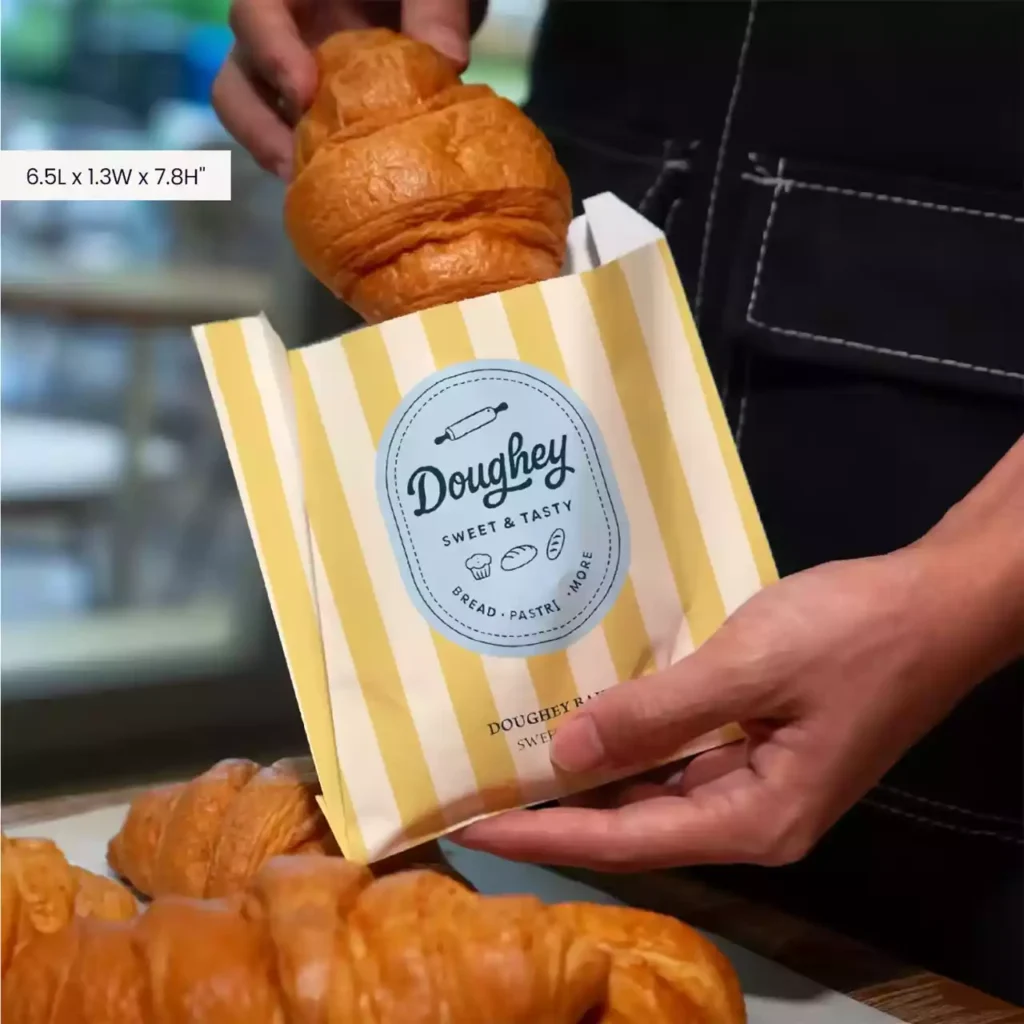
Food-grade paperboard is one of the most versatile options for modern food delivery. It offers strong branding potential, good printability, and a clean look. For boxed meals, bakery packaging, and branded takeaway containers, it can be a very practical choice.
PP Plastic
PP plastic performs well for leak resistance and grease resistance. That makes it useful for saucy foods. The trade-off is that it can trap steam if the design does not allow enough airflow.
Bottom line: the “best” material depends on the dish, the route, and the customer experience you want to protect.
How Does Delivery Time Affect Packaging Choice?
This is where many restaurants make the wrong call. They buy one container and try to force it to do everything.
A better approach is to match packaging to your average delivery window.
Under 15 minutes
For very short deliveries, simpler packaging can work. Focus on fit, leak resistance, and cost efficiency.
15 to 30 minutes
This is the most common delivery window for many restaurants. You usually need a better balance of insulation, structure, and steam control.
Over 30 minutes
For longer routes, packaging performance matters much more. You need stronger heat retention, better sealing, and often a more complete delivery system, not just a better box.
What Packaging Is Best for Different Food Types?
No single container works for every menu item. The right choice depends on what you sell.
Fried and crispy items
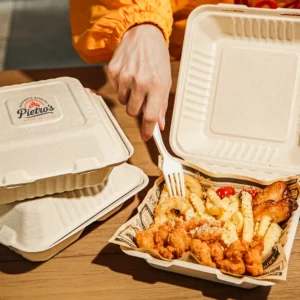
Fries, chicken, onion rings, and similar foods need airflow. If steam gets trapped, crisp food softens fast. For these items, ventilation is not optional.
Saucy and soupy items
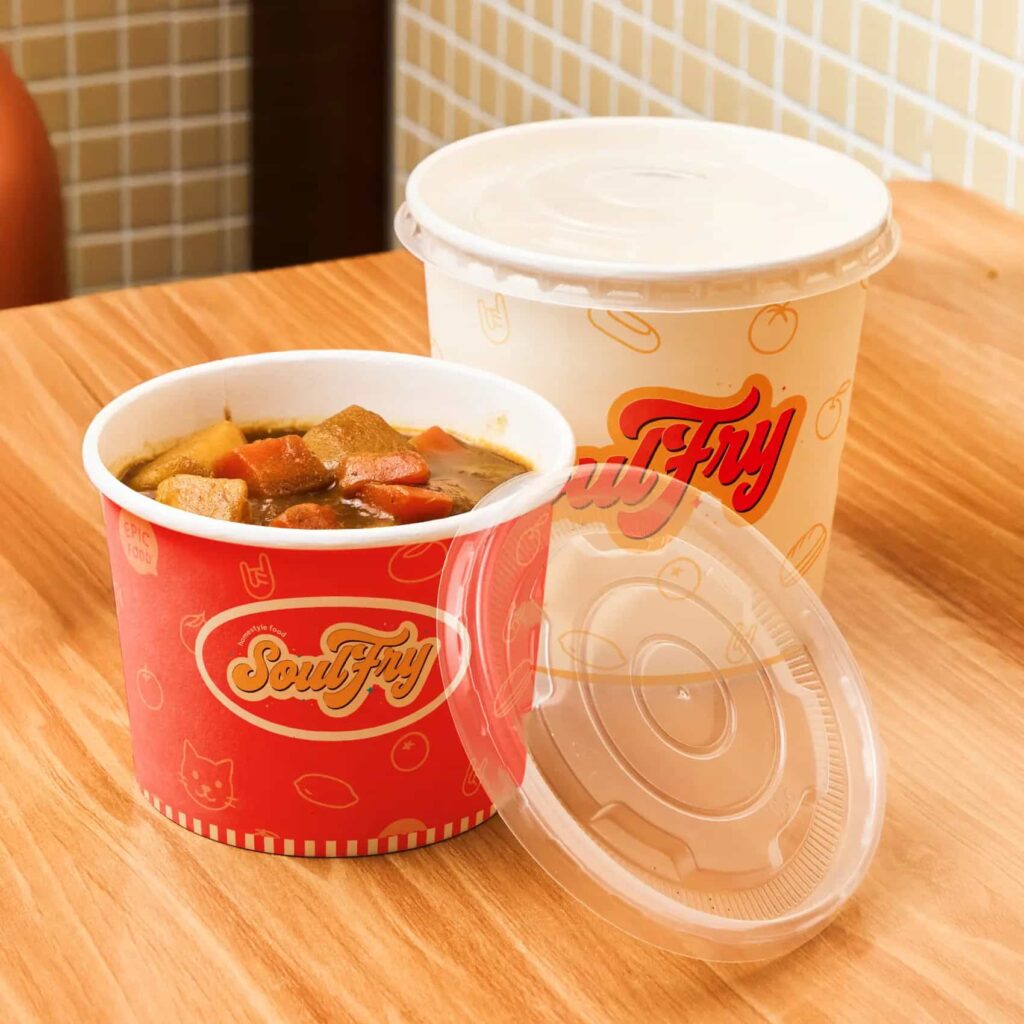
Curries, noodles, soups, and chili need leak resistance first. A secure lid matters more than a premium finish.
Burgers and sandwiches
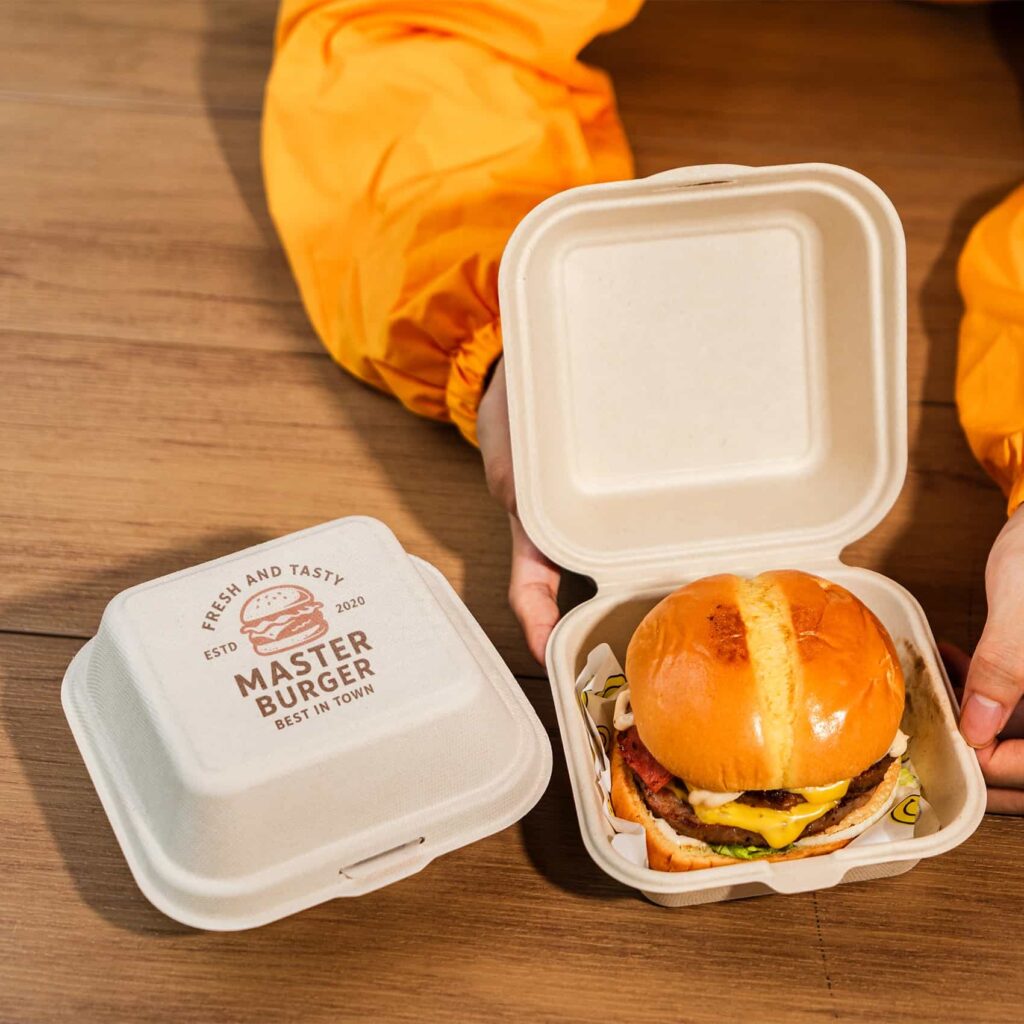
These foods need balance. Too much heat retention can create condensation and make buns soggy. Too little can leave the food feeling dry and flat.
Rice bowls and mixed meals
These items need stability, compartment control, and a lid that keeps everything in place during transit.
How to Keep Food Hot Without Making It Soggy
This is the real challenge.
A lot of restaurants focus only on keeping food warm. That is not enough. If the packaging traps too much steam, the meal can arrive hot and still taste disappointing.
The goal is not just heat. The goal is texture, structure, and taste.
Steam management matters
A fried item should not sit in a sealed box with nowhere for steam to go. A container that breathes slightly can protect crunch better than a fully closed one.
Sealing matters too
For saucy foods, too much ventilation creates leaks. So the answer is not “always vent” or “always seal.” The right choice depends on the menu item.
Leak Control, Sealing, and Stackability: The Details That Save Reviews
Small details cause a lot of delivery failures.
Leak control
If the lid does not fit properly, food can spill before it even reaches the customer. One bad spill can wipe out an otherwise good meal.
Sealing
A secure seal helps protect sauces, soups, and fatty foods. It also gives the customer more confidence when they open the package.
Stackability
Delivery bags often carry more than one item. If containers do not stack well, they can tip, crush, or slide around in transit.
These are not tiny details. They are often the difference between a good review and a refund.
Is Eco-Friendly Packaging Always the Best Choice?
Not always.
Eco-friendly packaging matters, but it should not be the only thing you look at. A compostable container that fails to protect the meal is not really a good solution.
What to prioritize first
- Food quality
- Leak resistance
- Delivery performance
- Cost
- Sustainability
That order matters. If the meal arrives ruined, the customer will not care that the box looked green.
A Simple Packaging System Beats a Single “Best Container”
The best restaurants do not look for one perfect box. They build a system.
That system usually includes:
- Container
- Lid
- Seal
- Delivery bag
- Label or tamper-evident close
When these parts work together, the food arrives in better condition. That is why packaging should be tested as a system, not as a one-time purchase.
How to Start Optimizing Your Hot Food Delivery Packaging
The safest way to improve packaging is to test in phases.
1. Audit your menu
Start with your top-selling items. Find out where they fail. Are fries getting soft? Is the lid leaking? Is the burger steaming itself apart?
2. Order samples
Do not buy in bulk right away. Start with a few sample options that match your menu and your route.
3. Test with real deliveries
Send sample meals through your normal delivery process. Check them after 15, 30, and 45 minutes.
4. Scale what works
Once a packaging type performs well for one menu category, expand it to similar items.
A common mistake is choosing a packaging material because it sounds premium or sustainable, then discovering it does not actually fit the food. The material was not the real problem. The mismatch was.
If you are testing suppliers, Fusenpack emphasizes free design, reliable quality control, and free storage, which makes sample-based rollout easier for restaurants that do not want to overbuy before they validate a format.
FAQ: Hot Food Delivery Packaging
Are bagasse containers good for hot food delivery?
Yes. Bagasse containers are widely used for hot food delivery because they offer good heat retention, grease resistance, and natural ventilation. Fusenpack’s own bagasse products include compostable clamshells and multi-compartment containers designed for takeout and delivery.
Can molded fiber work for delivery meals?
Yes, especially for lighter meals or menu items that do not carry a lot of liquid. The fit and lining matter more than the label on the box.
What is the most practical eco-friendly hot food packaging?
For many restaurants, bagasse is one of the strongest choices because it balances performance and sustainability better than packaging that only looks eco-friendly.
How do I prevent containers from leaking?
Use a tight-fitting lid, avoid overfilling, and match the container design to the food type. Saucy items need stronger sealing than dry items.
Conclusion: Build a Packaging System That Matches Your Menu
The best hot food delivery packaging is the one that protects temperature, texture, and presentation on the way to the customer. That usually means thinking beyond material alone and building a packaging system that fits your menu and your delivery route.
For many restaurants, the strongest practical mix is custom paper packaging, bagasse containers, molded fiber products, and secure takeaway boxes. That is also the kind of product range Fusenpack is built around, with custom packaging options across bags, cups, bowls, boxes, and related restaurant supplies.
Start small. Test carefully. Compare samples. Make the package earn its place on your menu.
Request a free branded mockups from Fusenpack and compare packaging options with your real menu items before placing a bulk order.
Choosing the Container Format Itself
Material and venting decide whether the food arrives in condition. Format decides whether the order fits in one carry at all, and that is a separate question worth settling before the material one.
| Format | Best fit | Watch for |
|---|---|---|
| Tuck-top folding box | Dry to moderately greasy items; stacks flat in storage | No seal, so not for anything with free liquid |
| Hinged clamshell | Single-portion hot meals, burgers, fried items | Traps steam unless vented |
| Snap-fit tub with separate lid | Wet and saucy food, stacked delivery orders | Lid and base must be matched by diameter, not volume |
| Molded fiber container | Hot food with a compostable claim | Needs its own coating decision for anything wet |
| Bowl with film or dome lid | Noodles, rice bowls, salads | Film seal holds liquid better than a dome; dome shows the food |
Multi-item orders are where the format decision usually breaks. Rather than sizing one oversized container to hold everything, most operations do better with several right-sized containers plus an outer bag. Our guide to custom to-go containers covers material against food temperature and moisture, and custom takeout bags covers the outer-carry side, including what paper weight actually predicts about load.
What to Settle Before the First Order
Three decisions in order. First, the material and vent arrangement against your worst-case dish, tested with real food rather than an empty sample. Second, the format and whether your typical order needs one container or several plus a bag. Third, the branding, which changes nothing about performance and should not be allowed to drive either of the first two.
Compliance sits underneath all three. For paper and paperboard components touching aqueous and fatty foods, the governing federal regulation is 21 CFR 176.170, and condition of use is part of the rule, so state your temperature and contact time when requesting documentation.
Reviewed by the Fusenpack packaging engineering team, September 2026. Confirm current requirements for your own ship-to states before ordering.