Best Eco-Friendly Breakfast Restaurant Packaging Products
By
Contents
- Importance of Eco-Friendly Packaging in Breakfast Restaurants
- Different Kinds of Eco-Friendly Materials
- Types of Eco-Friendly Packaging for Breakfast Items
- The Impact of Environmentally Friendly Packaging on Brand Image
- Key Factors to Consider When Choosing Eco-Friendly Breakfast Packaging
- Benefits of Customizing Eco-Friendly Packaging
- Common Challenges and Solutions
- Tips for Successfully Implementing Eco-Friendly Packaging
- FAQs about Eco-Friendly Breakfast Restaurant Packaging
- Conclusion
Eco-conscious consumers increasingly demand sustainable packaging solutions, particularly in breakfast restaurants where convenience meets sustainability. The right packaging products not only reflect your environmental commitment but also significantly enhance customer satisfaction and brand appeal. In this article, we explore the best eco-friendly breakfast restaurant packaging products that can elevate your business.
Importance of Eco-Friendly Packaging in Breakfast Restaurants
In today’s dining landscape, more customers are making decisions based on a brand’s environmental responsibility. Breakfast restaurants, with their high volume of takeaway and disposable packaging, are in a unique position to lead the sustainability movement. By choosing eco-friendly alternatives, businesses can minimize waste, reduce environmental impact, and present themselves as socially responsible brands. This shift not only helps the planet but also builds stronger relationships with environmentally conscious customers.

Different Kinds of Eco-Friendly Materials
Eco-friendly packaging starts with choosing the right materials. Each material has its own set of strengths and best-use scenarios, especially in the context of breakfast service, where food temperature, moisture, and portability all matter.
Bagasse
Bagasse is made from sugarcane fiber left over after juice extraction. Fully biodegradable and compostable, it offers a sturdy structure that performs well with both hot and cold foods. It’s a great option for restaurants that want durability without relying on plastic.
PLA Plastic
Polylactic acid (PLA) is a plant-based plastic alternative, typically derived from corn starch. It breaks down under industrial composting conditions and provides a transparent, lightweight solution ideal for cold drink cups and lid applications.
Kraft Paper
Kraft paper is one of the most versatile and sustainable packaging materials available. It is strong, recyclable, and biodegradable. It’s commonly used for items like bakery bags, sandwich wraps, and food sleeves, combining practicality with a natural, rustic appearance.
Bamboo
Bamboo grows quickly and regenerates without the need for pesticides, making it a popular eco-friendly choice. It’s used in utensils, packaging boxes, and even napkin holders. Biodegradable and compostable, bamboo products offer both sustainability and a refined aesthetic.
Types of Eco-Friendly Packaging for Breakfast Items
The functionality of breakfast packaging is just as important as its sustainability. Different menu items—pastries, hot drinks, or to-go meals—require different packaging formats. Below are key types of eco-friendly packaging solutions tailored for morning service.
Sustainable Bakery Bags
Freshly baked bread and pastries deserve packaging that keeps them crisp, warm, and protected. Fusenpack’s bakery bags are crafted for this purpose, offering breathable yet oil-resistant materials that preserve the quality of baked goods. These bags also support custom printing, allowing you to showcase your brand with every order.

Eco-Friendly Coffee Cups
Hot beverages are a breakfast staple, and the right cup makes all the difference. Fusenpack’s Custom Double-Wall Kraft Paper Hot Cup provides excellent insulation without the need for an additional sleeve. Made from recyclable kraft paper, it combines thermal protection with a sleek, earthy aesthetic that reinforces a brand’s eco-conscious message.

Premium Eco-Friendly Paper Bags
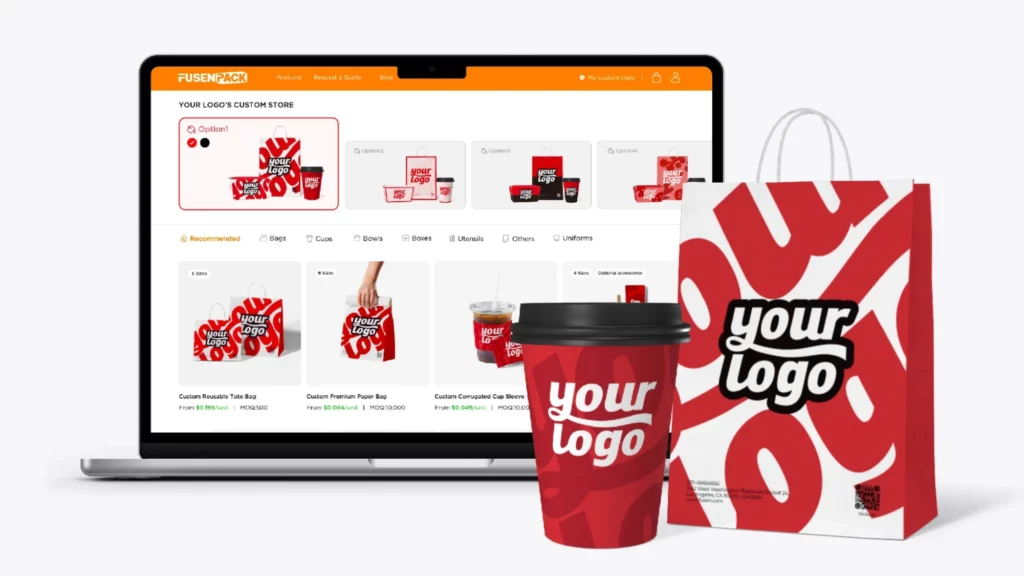
For customers grabbing a full breakfast to-go, a strong and sustainable carrier is essential. Fusenpack’s Custom Premium Paper Bags is not only durable enough to hold multiple items, but also customizable to reflect your branding. It’s an ideal solution for restaurants that want both functionality and visual appeal in their takeaway experience.

The Impact of Environmentally Friendly Packaging on Brand Image
Switching to environmentally friendly packaging does more than reduce waste—it tells a story. Customers increasingly prefer brands that align with their values, and eco-conscious packaging is one of the most visible indicators of a restaurant’s commitment to sustainability. Restaurants using high-quality, branded, and compostable or recyclable materials are more likely to earn trust and long-term loyalty from their patrons. This commitment also improves competitive positioning in a crowded market where diners look beyond the food and assess a business by its ethics and practices.
Key Factors to Consider When Choosing Eco-Friendly Breakfast Packaging
Selecting the right packaging for your breakfast menu involves more than just checking for the eco-label. You need to evaluate the full lifecycle of the packaging, from its material source to its post-use disposal. Recyclability and compostability are essential, but so are functionality and durability, especially for hot and greasy foods. Price matters too, and sustainable packaging doesn’t have to break your budget. The best products strike a balance between cost, appearance, performance, and compliance with food safety regulations, giving you a solution that’s practical and brand-friendly.
Benefits of Customizing Eco-Friendly Packaging
Custom packaging gives restaurants an edge, especially when it supports sustainability. Eco-friendly packaging that carries your logo, tagline, or special seasonal designs turns a standard product into a branding tool. It adds a thoughtful touch to the customer experience and can enhance unboxing moments for social sharing. Personalized packaging also communicates professionalism and reinforces a sense of quality, giving your breakfast brand a consistent visual identity that customers remember.
Common Challenges and Solutions
Implementing eco-friendly packaging isn’t without its hurdles. Costs can be higher upfront, and availability may vary based on supply chain fluctuations. However, bulk purchasing, forming relationships with reliable suppliers like Fusenpack, and choosing multi-use packaging designs can reduce long-term expenses. Quality control is another concern—make sure to test packaging against heat, moisture, and delivery distance. Training staff and informing customers about your sustainable practices can also smooth the transition and foster appreciation for your efforts.
Tips for Successfully Implementing Eco-Friendly Packaging
Transitioning to sustainable packaging is a strategic move. Start by educating your team so they can confidently handle and explain the new materials. Then communicate the change to your customers through signage, packaging messages, and digital channels. Promote your eco-conscious choices on social media, emphasizing your commitment to the environment. Lastly, stay open to feedback and regularly reassess your materials to ensure they continue to meet operational needs and align with customer expectations.
FAQs about Eco-Friendly Breakfast Restaurant Packaging
- What materials are considered eco-friendly for breakfast packaging? Materials such as bagasse, PLA plastic, kraft paper, and bamboo are biodegradable or recyclable and suitable for food contact.
- How does sustainable packaging impact customer perception? Customers increasingly value environmental responsibility, and using eco-friendly packaging builds trust and strengthens your restaurant’s public image.
- Are eco-friendly products significantly more expensive? Some materials have a higher upfront cost, but bulk ordering and long-term customer loyalty often offset the difference.
- How can I ensure that my packaging choices remain compliant with local regulations? Work with suppliers who are knowledgeable about food safety and environmental standards in your region, and always verify certifications.
Conclusion
Choosing the best eco-friendly breakfast restaurant packaging products positively impacts the environment, strengthens your brand, and boosts customer satisfaction. By opting for high-quality, sustainable solutions with Fusenpack, your restaurant can confidently meet consumer expectations and thrive in an eco-conscious market.