Butcher Paper vs. Parchment Paper: Which One for Burger Wrapping?
By
Contents
When it comes to wrapping burgers, the debate between butcher paper and parchment paper has many wondering which is the most suitable option. Both types of paper offer unique benefits and are widely used in the food industry. To make an informed decision for your burger wrapping needs, let’s learn the differences between butcher paper and parchment paper, their uses, and why one might be preferred over the other.
Understanding the Basics
What is Butcher Paper?
Butcher paper is made from kraft pulp, resulting in a durable, breathable, and often absorbent paper. It is known for its strength, making it ideal for wrapping meats and fish. Butcher paper is often seen in brown or white shades and is popular in BBQ circles for wrapping brisket during cooking.
What is Parchment Paper?
Parchment paper, on the other hand, is made from cellulose fibers and often coated with silicone or quilon. This gives it a non-stick quality, making it perfect for baking and cooking in high-temperature ovens. Its heat resistance and ability to prevent sticking make it a favorite for lining baking sheets and roasting pans.
Is Parchment Paper the Same as Butcher Paper
One of the most common questions is, “Is parchment paper the same as butcher paper?” The answer is no, they are quite different in composition and intended use.
Differences in Composition
- Butcher Paper: Uncoated paper designed for absorbing liquids; typically available in a heavier weight for added durability.
- Parchment Paper: Coated with silicone or quilon for a non-stick surface; designed to withstand heat without burning.
Differences in Uses
- Butcher Paper for Burger Wrapping:
- Breathable, allowing heat and moisture to pass through, making it ideal for hot sandwich wraps.
- Sturdy enough to prevent tearing, which can be useful for maintaining burger integrity during transport or storage.
- Parchment Paper for Burger Wrapping:
- Non-stick quality is useful if your burger includes sticky or saucy components.
- Less breathable, which can result in a slight steaming effect, useful if you want to maintain the burger’s moisture.
Variations and Alternatives
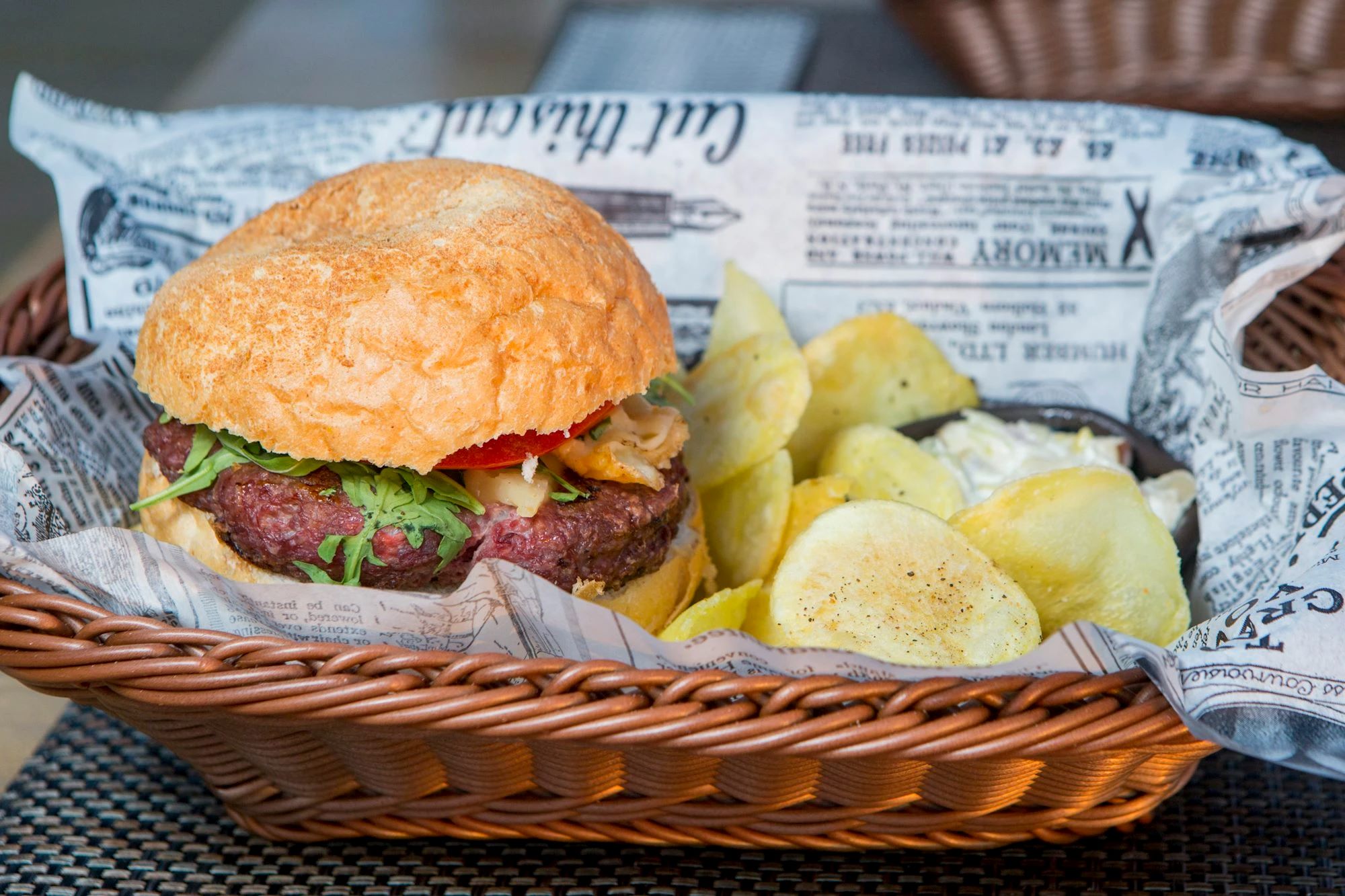
When considering “butcher paper vs parchment paper,” other variants like greaseproof paper and deli paper might also come into play, each offering unique qualities.
- Greaseproof Paper: Coated with a thin layer of PE-Coated paper, ideal for grease-resistant, and it is oven-safe up to temperatures of 230°C.
- Deli Paper: Lightweight and often wax-coated, great for sandwiches and cold items.
Choosing the Right Paper for Your Burgers
Factors to Consider: When deciding between butcher paper and parchment paper for burger wrapping, consider the following:
- Moisture Control: Butcher paper absorbs grease and moisture, while parchment paper retains them, which affects the texture of the wrapped burger.
- Temperature Requirements: If serving hot burgers, butcher paper is better for breathability, while parchment paper is best for sticky elements.
- Presentation: Consider the visual appeal. Butcher paper often gives a rustic feel, whereas parchment paper looks clean and elegant.
Conclusion
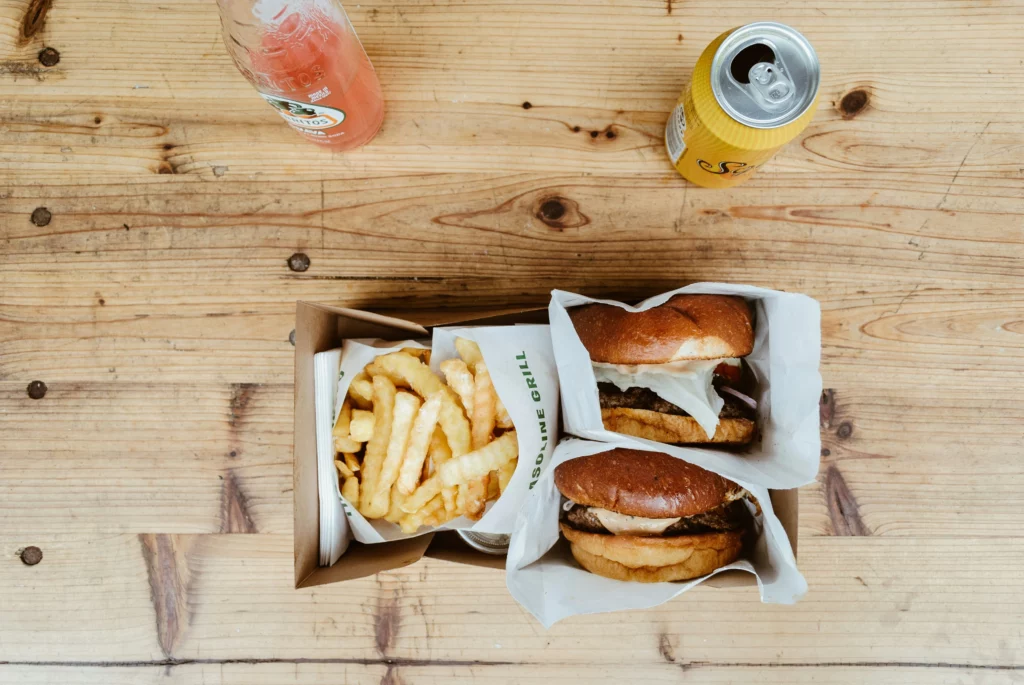
In the ongoing debate of “butcher paper vs parchment paper,” there is no definitive winner, as each serves different needs. For burger wrapping, your choice should depend on whether you prioritize moisture absorption and breathability (favoring butcher paper) or non-stick qualities and moisture retention (favoring parchment paper). With this knowledge, you can confidently choose the appropriate wrapping for your culinary creations, optimizing both taste and presentation.