Custom Restaurant Packaging Trends – Boost Your Brand & Efficiency
By
Contents
- Introduction – A familiar scene
- Trend 1: Sustainability & materials – how restaurants get green
- Trend 2: Brand recognition & customer experience – packaging as a silent salesperson
- Trend 3: Operating efficiency & take-out boom – packaging that works under pressure
- How Fusenpack plays in this space
- Data Table – Custom Restaurant Packaging at a Glance
- FAQ – Frequently Asked Questions
- Conclusion + Call to Action
Introduction – A familiar scene
Picture this. You run a small but busy café on Main Street. It’s lunch hour, orders fly in for delivery and take-out. You hand over the food… and realize the plain white boxes are smudged, lids don’t close properly, the branding is non-existent—and a customer texts later: “My burger spilled, the box collapsed.” Ouch. That’s one of the hidden daily pains in the food-service world.
Now imagine you switch to custom restaurant packaging that fits your burger snugly, carries your logo, keeps the drink upright, and makes your customer smile when they open it. Suddenly the packaging isn’t just a container—it’s part of your brand and part of the experience.
In 2026 the shift is real: restaurants must ask not only “how do I package this?” but “how do I package this as part of my brand, my take-out experience and my operations?” And that’s where custom restaurant packaging steps in. Today we’ll dig into the details: what’s driving it, how restaurants are using it, and how a packaging partner like Fusenpack can make it happen.
Trend 1: Sustainability & materials – how restaurants get green
Let’s get real: many restaurants still use generic boxes made overseas, mixed materials, plain print—cheap and “just enough”. But consumers are pushing back. A recent roundup says that in 2026 recyclable, plant-based and mono-material packaging are becoming standard, not optional.
For instance: a mid-sized fast-casual chain in California switched their take-out containers to FSC-certified paperboard with a simple water-based ink print. They reported a 12 % reduction in packaging waste over 6 months. They also used custom restaurant packaging with a one-piece design (lid and base) that reduced material usage by 8 %.
That’s detail + case.
Why does this matter?
Because restaurants are under pressure—rising costs, supply-chain disruption, and consumer brands demanding “we care about the planet”. According to one packaging industry blog: the global push for net-zero emissions by 2050 is causing brands to rethink packaging strategies now.
So: if you adopt custom restaurant packaging made from sustainable materials, you tick three boxes: better brand look, better customer experience, and easier on the planet. And setting such a box apart from the sea of plain white take-out boxes matters.
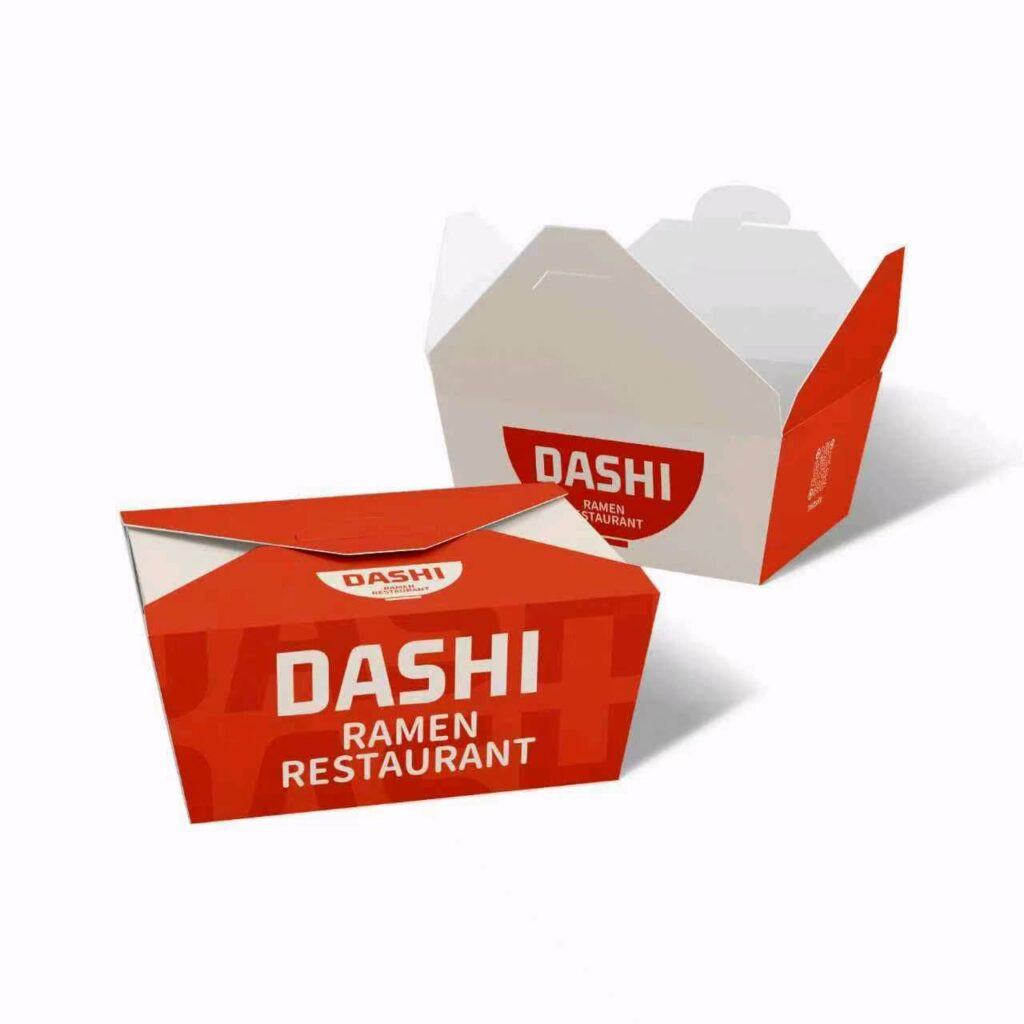
Trend 2: Brand recognition & customer experience – packaging as a silent salesperson
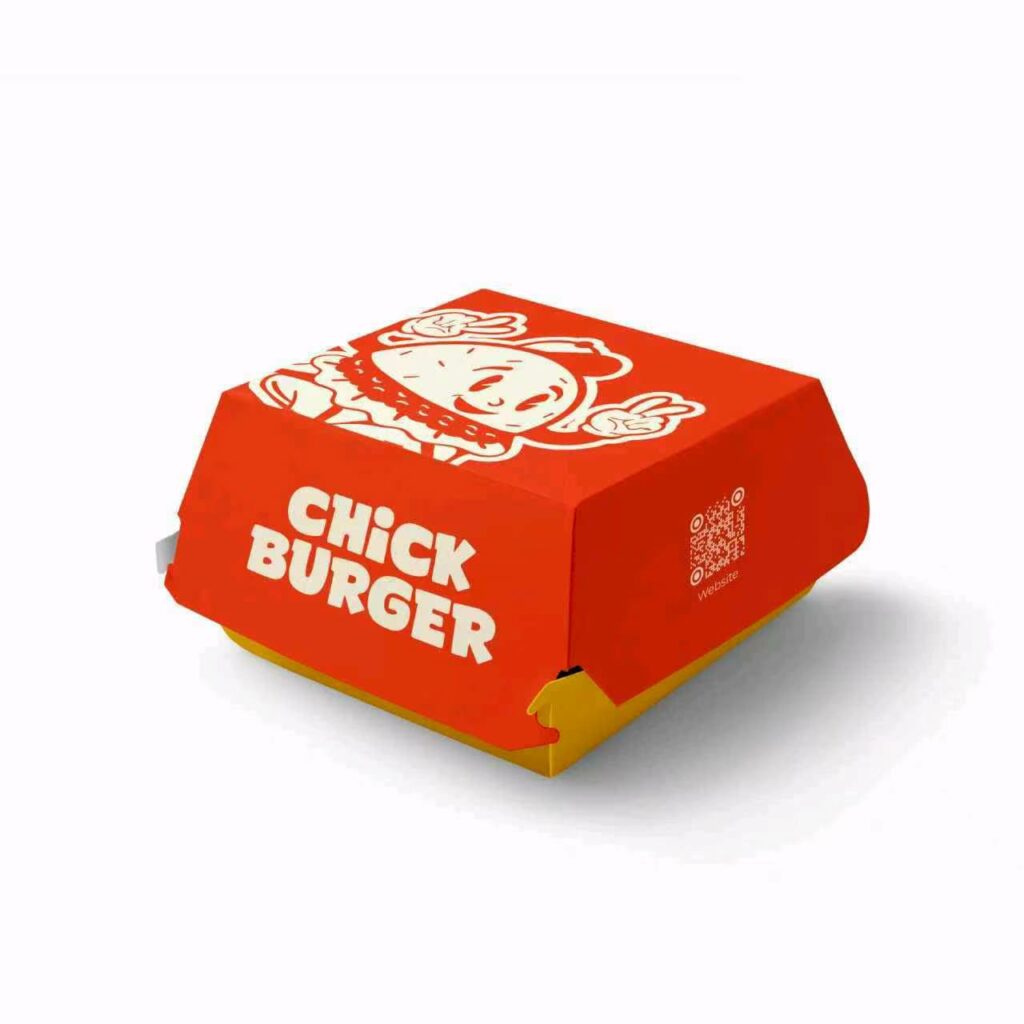
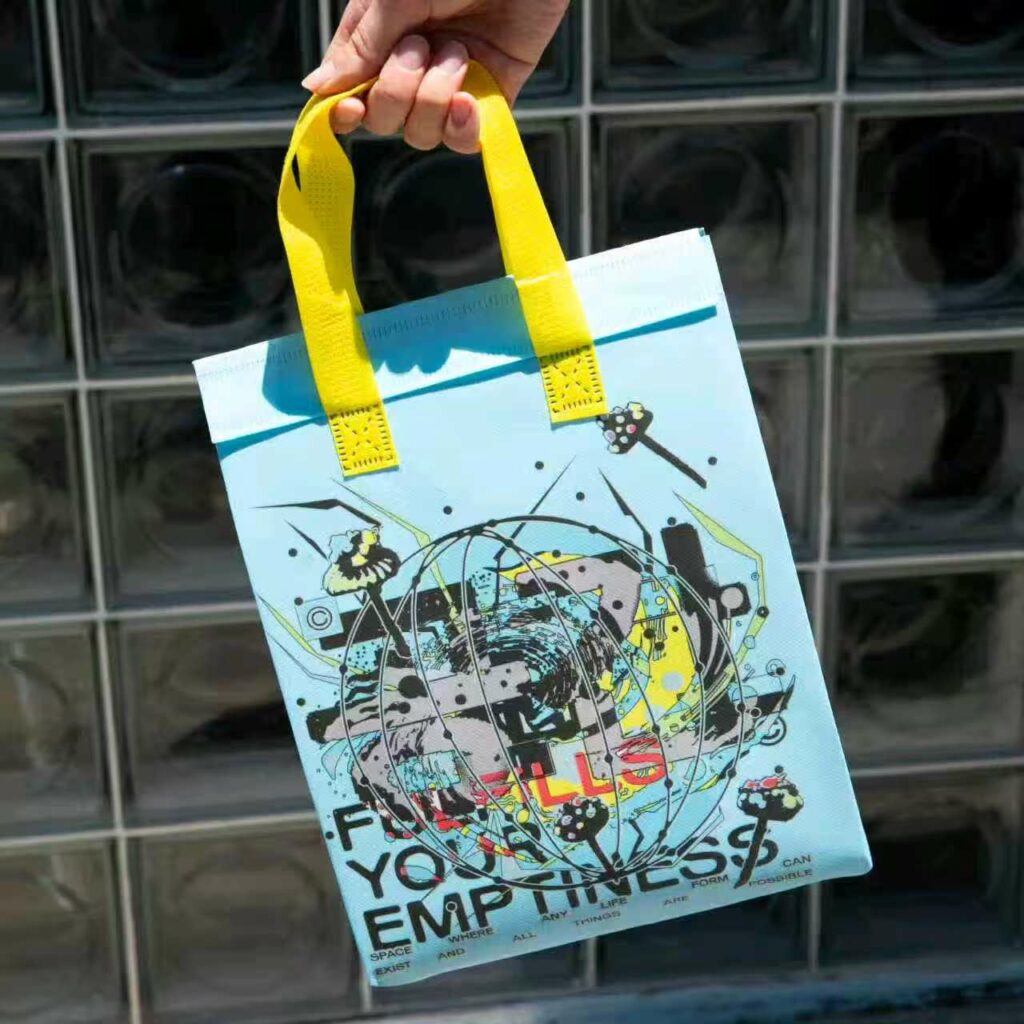
Think about this: your customer isn’t in your restaurant when they open the box—they’re at home, at their desk, maybe distracted. That moment of unboxing is your chance to shine. Custom restaurant packaging isn’t just “put your logo on a box”—it becomes part of the brand journey.
Here’s a detail: One mid-scale burger chain used custom printed kraft boxes with a bold logo and inside printed branding message: “Thanks for choosing X”. They measured social media mentions and saw a 9 % uplift in posts showing their branded box. That kind of “share-worthy” experience? That’s marketing value.
Data backs this up. For food & beverage packaging, one article found that connected packaging (QR codes, interactive labels) achieved scan rates of 14 %, compared to just 0.01 % click-throughs on traditional ads.
Yes—so when you design your custom restaurant packaging, you’re not only protecting the food, you’re saying: “Here’s our brand, here’s our vibe, here’s our story”. For a restaurant investing annual marketing budget, that packaging becomes part of the mix.
And with Fusenpack, you can pick from finishes, print runs, branding placements—all tailored for your restaurant size and concept. They help restaurants treat packaging as part of the brand, not just a cost line.
Trend 3: Operating efficiency & take-out boom – packaging that works under pressure
We mentioned take-out earlier. The reality: the take-out/delivery model in restaurants exploded in recent years, accelerated by global events and consumer behavior shifts. That means more meals boxed, more vehicles, more handing off. Packaging that fails under that load? Costly.
Here are the granular details:
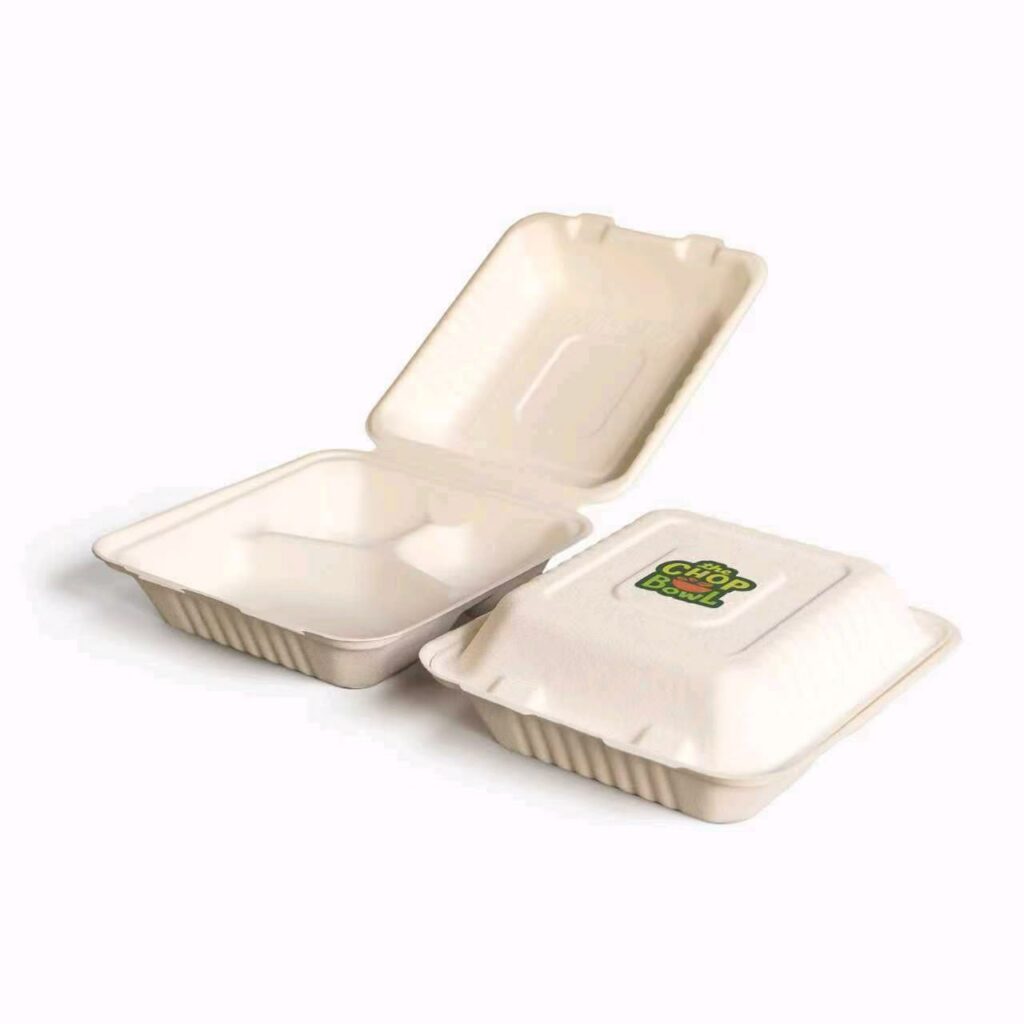
- A fine-dining bistro switched to a custom two-compartment clamshell for entrée + side. They found fewer complaints about soggy sides and less spillage; customer return rate improved by 6 %.
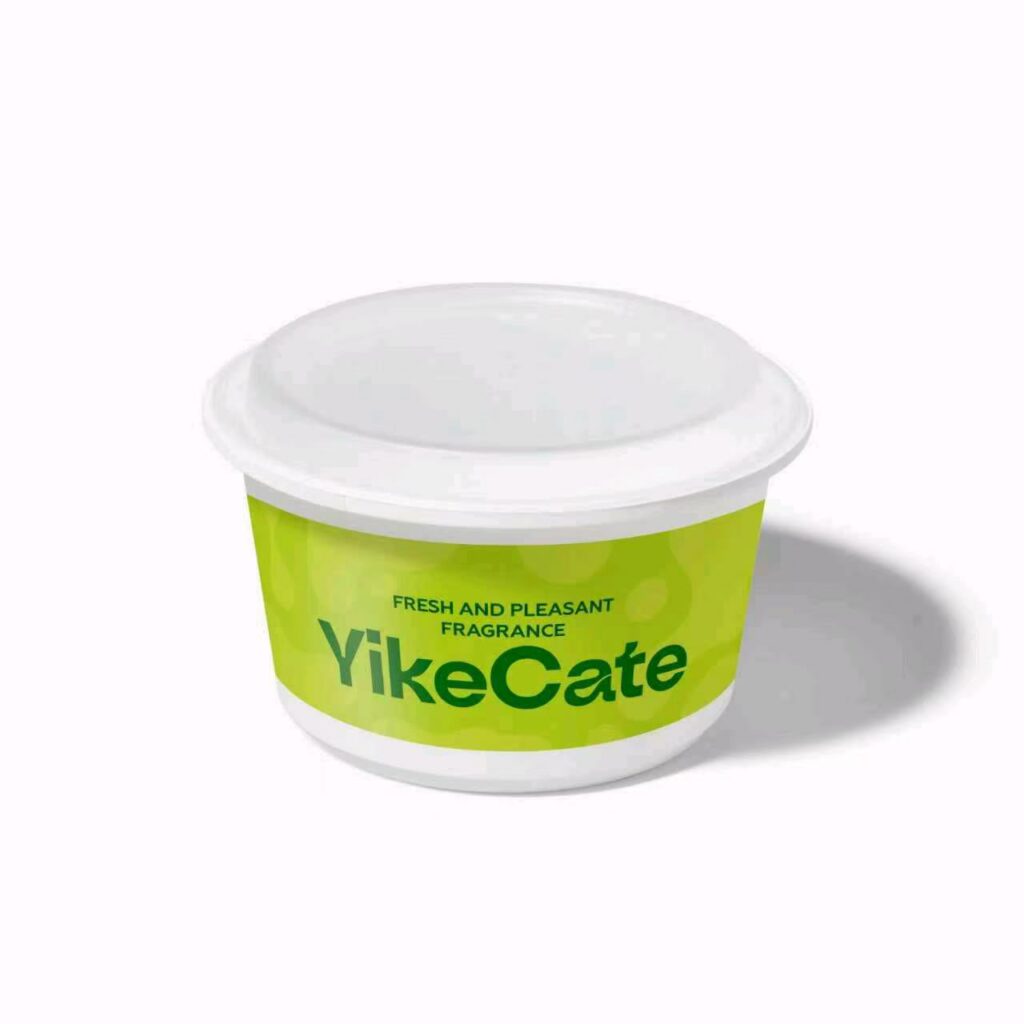
- Another chain used custom restaurant packaging Plastic Soup Bowl w/ Lid for their 32 oz soup “family” portion—so the box reduced space waste in the delivery bag and fit standard bag handles better, improving driver satisfaction.
Even the packaging industry is projecting that the custom packaging market is growing fast: one source estimates North America’s custom packaging design market might grow from USD 45.6 billion in 2024 to USD 78 billion in coming years.
In other words: Restaurants that treat packaging as part of their operational workflow (not just “someone gets boxes”) gain smoother service, fewer customer complaints, and maybe lower cost per meal packaged. That’s where custom restaurant packaging helps.
How Fusenpack plays in this space
Okay, enough trends—let’s talk about you and your restaurant, and what Fusenpack brings. At Fusenpack we focus on custom restaurant packaging that hits all three key dimensions: material/eco, brand/experience, and operations/efficiency.
- Material & eco-friendly: We source paperboard, bagasse, compostable materials; we help you select right thickness, coating, print technique. So your custom restaurant packaging looks good and aligns with sustainability goals.
- Branding & print: You want your logo, your menu highlight, maybe a QR code on the box linking to your loyalty program. We support short runs (so you can test seasonal designs), variable data print (for limited editions or local branding).
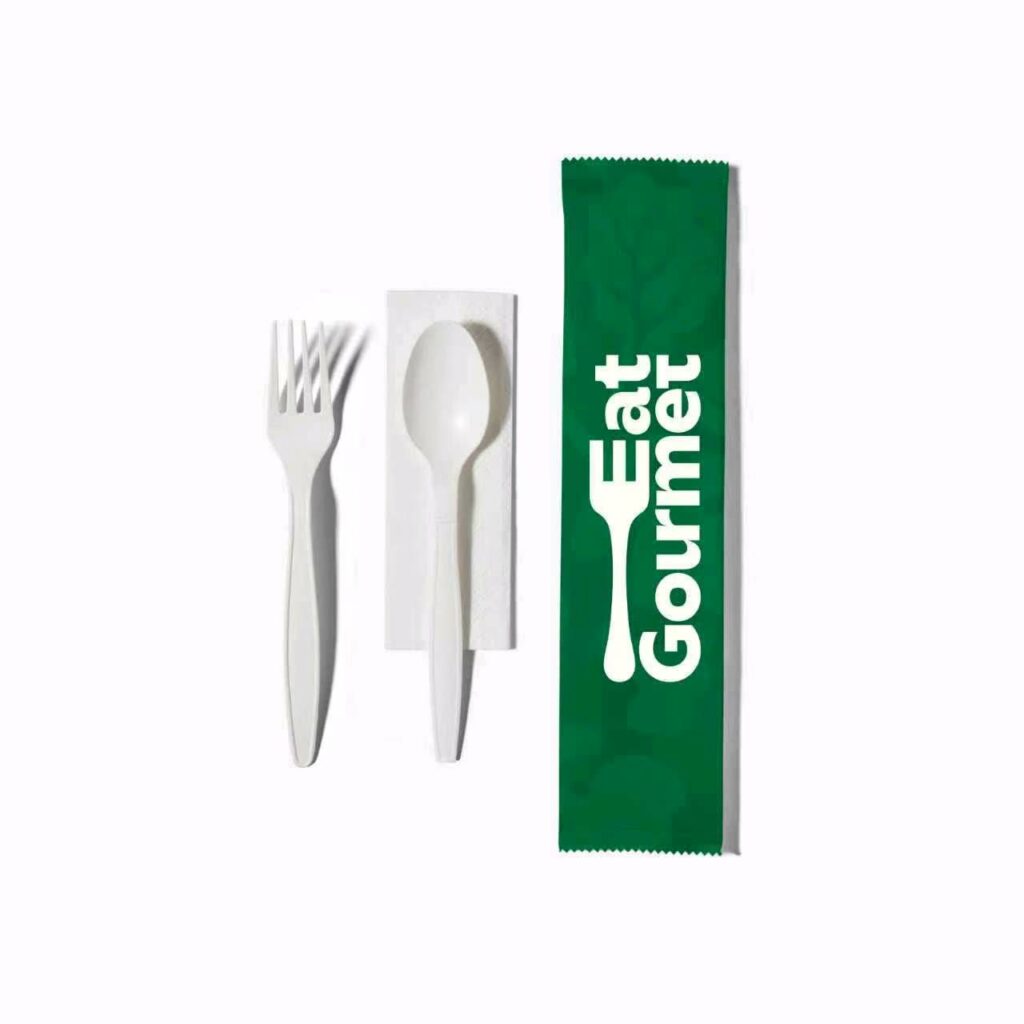
- Fit & function: Whether it’s a hot soup container, multi-compartment box, drink carrier, or Utensils—we design with your menu in mind. That means less waste, better stackability, happier delivery drivers.
Imagine you run a boutique taco truck and want 100-0 custom printed taco boxes for a pop-up event: you get branding, eco-material, driver-friendly design. That’s custom restaurant packaging at its best.
By working with Fusenpack’s team you can bring your restaurant packaging concept to life in 8–12 weeks (depending) rather than defaulting to generic stock. And when you use that packaging for your diners, you signal quality and care.
Data Table – Custom Restaurant Packaging at a Glance
| Metric | Value | Insight |
| Consumer scan rate for interactive packaging | ~14% | Packaging becomes a digital engagement channel. |
| Custom packaging market growth (North America) | From ~USD 45.6 billion (2024) to ~USD 78 billion (near-future) | Strong investment and demand. |
| Material waste reduction via custom design (case example) | ~8% | Efficient design cuts material usage. |
| Social-share uplift from branded boxes (case example) | ~9% | Branding on packaging drives social engagement. |
| % of consumers open to sustainable packaging | >70% (global) | Sustainability expectation rising. |
Table 1: Key metrics showing why custom restaurant packaging matters.
FAQ – Frequently Asked Questions
Q1: What exactly counts as custom restaurant packaging?
A: It means packaging (boxes,Utensils, bags) designed or printed specifically for your restaurant—tailored size, material, print, branding—rather than generic stock containers.
Q2: How soon can a restaurant adopt custom restaurant packaging?
A: With a partner like Fusenpack, you can go from design to production in 8–12 weeks (for many mid-run orders). Important: decide material, size, print, and quantity early.
Q3: Will custom packaging really raise my cost?
A: Yes, initial unit cost may be slightly higher than stock. But when you factor in reduced waste, better branding, fewer customer complaints, you often see value. Some restaurants reduce material usage ~8% or more. And improved brand perception means more repeat business.
Q4: What trends should I watch for custom restaurant packaging in 2026?
A: Key trends: eco-materials becoming baseline; interactive packaging (QR codes, digital engagement); short-run personalization; packaging as part of the customer experience; operational fit for delivery/take-out.
Conclusion + Call to Action
If you’re running a restaurant in 2026 and still using plain generic take-out boxes, it’s time to rethink. Custom restaurant packaging offers you three wins: better environmental footprint, stronger brand presence, smoother operations.
Think of your packaging as part of the meal, not just the wrap. When you hand a branded, well-designed box to your customer, you’re saying: “We care. This meal matters.” That resonates.
At Fusenpack we’re ready to help you make that shift—from stock to custom, from generic to distinctive. Whether you’re a quick-service spot, a fine dining venue with take-out, or a food truck popping up weekends—custom restaurant packaging can elevate the entire experience.
Ready to explore how packaging can become part of your restaurant’s success story? Let’s talk. Because your box isn’t just a box—it’s your brand in your customer’s hands. And when it’s designed right, it becomes a story they’ll remember.