How to Make Your Own Food and Sell from Home: Ideas for Selling
By
Contents
Starting a food business from home is an exciting venture. Whether you’re selling baked goods, sauces, or snacks, creating and marketing your own food products allows you to turn your passion into profit. But where do you start? From licensing to choosing the right food to sell and designing creative packaging, this guide will show everything you need to know to start your homemade food business.
Do You Need a License to Sell Food?
Whether you need a license to sell food may probably depend on where you are and what food you sell. Selling food products involves meeting specific licensing requirements to ensure safety, compliance, and quality. Different types of food businesses require distinct licenses based on the activities performed. Here’s an overview of the licenses needed for various food business operations in the USA:
For FDA-Regulated Food Businesses
The FDA (Food and Drug Administration) oversees most foods and food ingredients sold in interstate commerce, except for meat, poultry, and certain egg products regulated by the USDA.
Examples of FDA-Regulated Businesses:
- Facilities manufacturing, processing, packing, or holding food for human or animal consumption.
- Imported food products.
Key FDA Laws and Regulations:
- Federal Food, Drug, and Cosmetic Act (FD&C Act)
- Food Safety Modernization Act (FSMA)
- Title 21 of the Code of Federal Regulations (21 CFR)
For Food Businesses Not Regulated by FDA
Certain types of food businesses fall under state and local regulation instead:
- Retail Food Establishments: Grocery stores, restaurants, food trucks, and cafeterias.
- Farmers Markets: Vendors selling locally grown or produced goods.
- Home-Based Businesses: Private residences produce food for local sale.
Local health departments inspect these establishments, provide guidance, and enforce food safety standards.
Licensing for Home-Based Food Businesses
Under federal regulations, a private residence is not classified as a “facility” and is exempt from FDA registration. However, home-based food businesses must comply with local and state regulations.
Steps to Get Licensed for Home-Based Food Businesses
- Research Local Requirements: Check your state and county health department guidelines.
- Apply for a Cottage Food Permit: For low-risk products like baked goods, jams, or dried foods.
- Ensure Food Safety Standards: Equip your kitchen to meet cleanliness and hygiene requirements.
Licensing for Specific Food Businesses
Restaurant Licenses
- General Restaurant License: Allows the use of all cooking methods, including high-heat techniques like hotpots and grilling.
- Light Refreshment Restaurant License: Permits simple cooking methods (e.g., boiling, steaming) with minimal greasy fumes.
Bakery Licenses
- Bakery License: Required for producing and selling baked goods.
- Provisional Bakery License: For temporary baking operations or specific circumstances.
Factory Licenses
- Food Factory License: For manufacturing or processing food for sale off-premises.
- Temporary Food Factory License: For short-term operations, such as food stalls at public events.
Other Licenses
- Cold Store License: For storing refrigerated food in warehouses.
- Fresh Provision Shop License: For selling fresh or live products like fish, poultry, and reptiles.
- Milk Factory License: For processing and packaging milk and milk-based beverages.
- Frozen Confection Factory License: For producing ice cream and similar frozen products.
Understanding and acquiring the correct license ensures compliance, builds trust, and safeguards your customers.
5 Best Easy Food to Sell to Make Money
Choosing the right food products is key to maximizing profits. Opt for items that are easy to prepare, have a broad market appeal, and offer good profit margins. Here are the top five options:
Baked Goods
Cookies, muffins, cakes, and brownies are always in demand. These items are easy to prepare in bulk and can be customized for special occasions. They appeal to a wide audience and are easy to package and transport.
Jams, Sauces, and Spreads
Homemade jams, salsa, barbecue sauces, or nut butters are popular for their unique, homemade quality. These products can be stored for longer periods, making them ideal for local markets or online sales.
Snacks and Treats
Granola bars, popcorn, trail mixes, and candy are perfect for on-the-go snacking.They’re lightweight, have a long shelf life, and are easy to sell at farmers markets or online.
Cultural Foods
Specialty dishes or snacks from various cultures, such as tamales, dumplings, or empanadas, are unique and have growing demand. They cater to niche markets, making them standout products.
Health-Conscious Foods
Keto-friendly snacks, gluten-free baked goods, or vegan treats are increasingly popular among health-conscious consumers. These products attract customers who are willing to pay a premium for healthier options.
How to Sell Food From Home Online: Step-By-Step Guide
Selling food products online allows you to reach a broader audience and simplifies the purchasing process for customers. Here’s how to establish your online food business:
STEP 1. Set Up an E-Commerce Store
- Use platforms like Shopify, Etsy, or Wix to create a professional website.
- Include high-quality images, clear product descriptions, and pricing details.
STEP 2. Leverage Social Media
- Use Instagram, Facebook, and TikTok to showcase your products with engaging content.
- Share behind-the-scenes footage, customer testimonials, and special promotions.
STEP 3. Collaborate with Delivery Services
- Partner with platforms like DoorDash, Uber Eats, or local delivery apps for quick and convenient customer access.
STEP 4. Offer Discounts and Promotions
- Attract first-time buyers with introductory discounts.
- Reward repeat customers with loyalty programs or referral incentives.
STEP 5. Streamline Your Operations
- Use inventory management tools to track sales and restock efficiently.
- Invest in high-quality packaging to ensure safe delivery and positive unboxing experiences.

Extra Tips: Unique and Creative Food Packaging Design Ideas
Great packaging is more than just functional, it’s a powerful marketing tool that attracts customers and builds brand loyalty. Here’s how to make your packaging stand out:
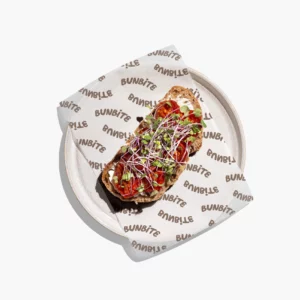
- Focus on Branding
- Incorporate your logo, tagline, and brand colors into the design.
- Use clear, professional fonts and high-quality materials to reinforce brand trust.
- Choose Sustainable Materials
- Opt for eco-friendly options like compostable paper, biodegradable plastics, or recyclable containers.
- Highlight your commitment to sustainability on the packaging itself.
- Add Practical Features
- Use resealable bags, leak-proof lids, or microwave-safe materials to enhance convenience.
- Ensure that packaging is sturdy enough for transport without compromising aesthetics.
- Personalize the Experience
- Include handwritten thank-you notes or QR codes that link to recipes, your website, or discount codes.
- Use seasonal or limited-edition designs to keep your products fresh and engaging.
- Use Visual Appeal
- Experiment with bold colors, minimalist designs, or patterns that reflect your brand identity.
- Highlight product features or benefits prominently on the packaging.
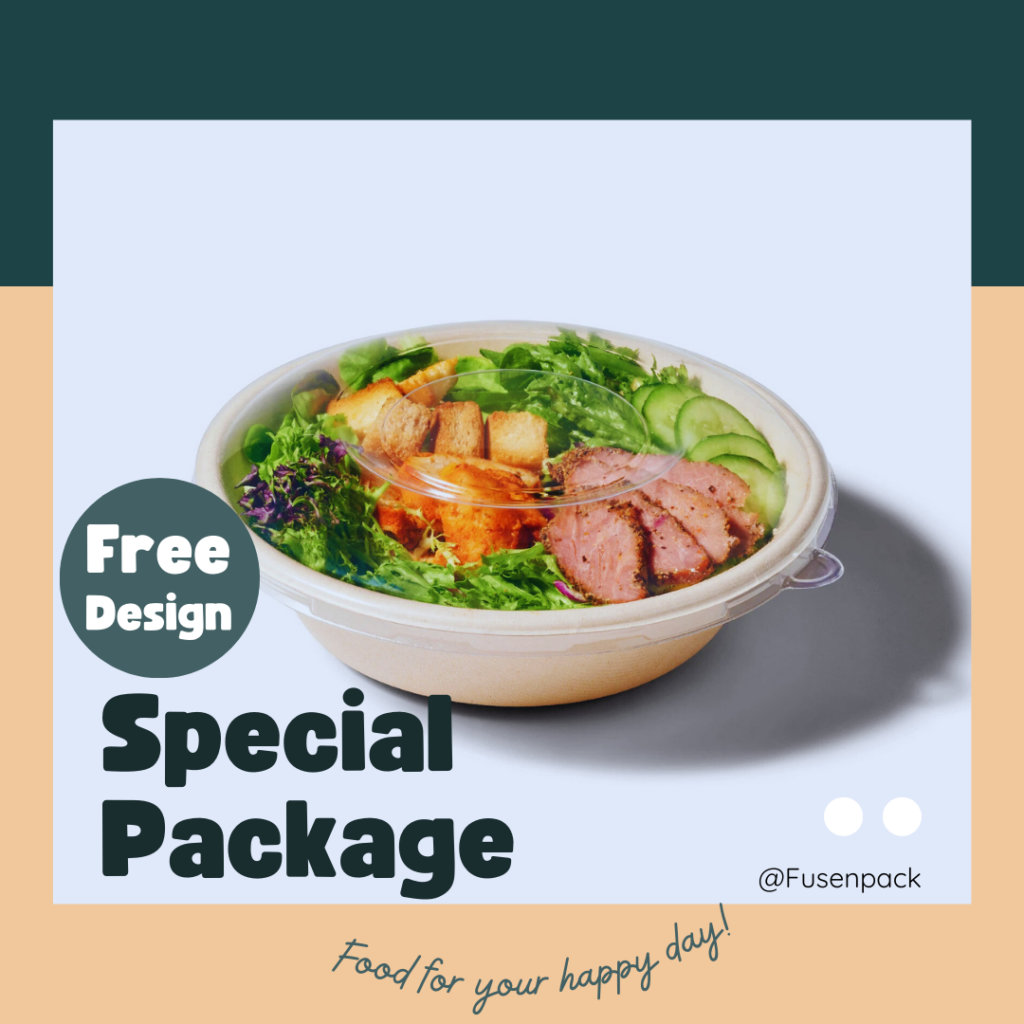
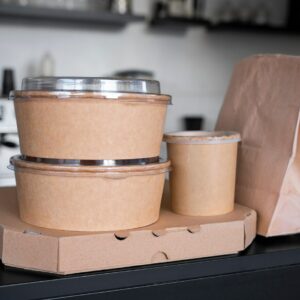
Creative packaging not only protects your food but also communicates your brand’s values and quality. For professional assistance, a free design service like Fusenpack offers customizable packaging solutions to meet all your branding needs.
Conclusion
From selecting easy-to-sell food items to creating eye-catching packaging, building a successful food business requires creativity, strategy, and attention to detail. Whether you’re selling baked goods, sauces, or snacks, understanding licensing, leveraging online platforms, and investing in quality packaging will help you stand out in a competitive market.
For packaging solutions that reflect your brand’s quality and creativity, visit Fusenpack. With customizable designs, durable materials, and expert guidance, It ensures your food products make a lasting impression. Start your journey today and turn your passion for food into a thriving business!