How to Order Custom Food Packaging Without Expensive Mistakes
By
Contents
- 1. Define What Your Packaging Actually Needs to Do
- 2. Request a Quote With the Right Information
- 3. Do Not Approve the Design Too Quickly
- 4. Confirm MOQ Before You Commit
- 5. Understand the Full Production Timeline
- 6. Plan Delivery and Storage Before Shipping
- 7. The Most Common First-Time Ordering Mistakes
- 8. Final Pre-Production Checklist
- Final Thoughts
- FAQ
Most first-time packaging orders do not go wrong because of production. They go wrong because small details get approved too early.
A box size looked correct on screen but did not fit the actual food.
A logo file looked sharp online but printed blurry.
The artwork proof was approved before anyone checked the bleed area.
By the time someone notices the problem, thousands of boxes may already be in production.
If you are researching how to order custom food packaging for the first time, this guide will help you avoid the mistakes that usually cost the most time and money. The ordering process itself is not that complicated. The difficult part is knowing what needs to be confirmed before production starts.
1. Define What Your Packaging Actually Needs to Do
A lot of first-time buyers start with the logo or colors first. In reality, packaging works better when the practical side gets figured out before the design.
Start with the basics:
- What kind of food will go inside?
- Is it hot, cold, oily, dry, or sauce-heavy?
- Is the packaging mainly for takeaway, delivery, or dine-in?
- Does it need to stack, insulate, seal, or prevent leaks?
Those answers affect almost everything later — material choice, structure, coating, lid fit, and even shipping cost.
Hot food and cold food need different packaging
Hot food usually needs better grease resistance and ventilation. Without enough airflow, fried food gets soggy fast during delivery.
Cold food is different. Salads, desserts, and sushi often need tighter sealing without trapping too much moisture inside.
The wrong material does not just create packaging problems. It changes the food experience itself.
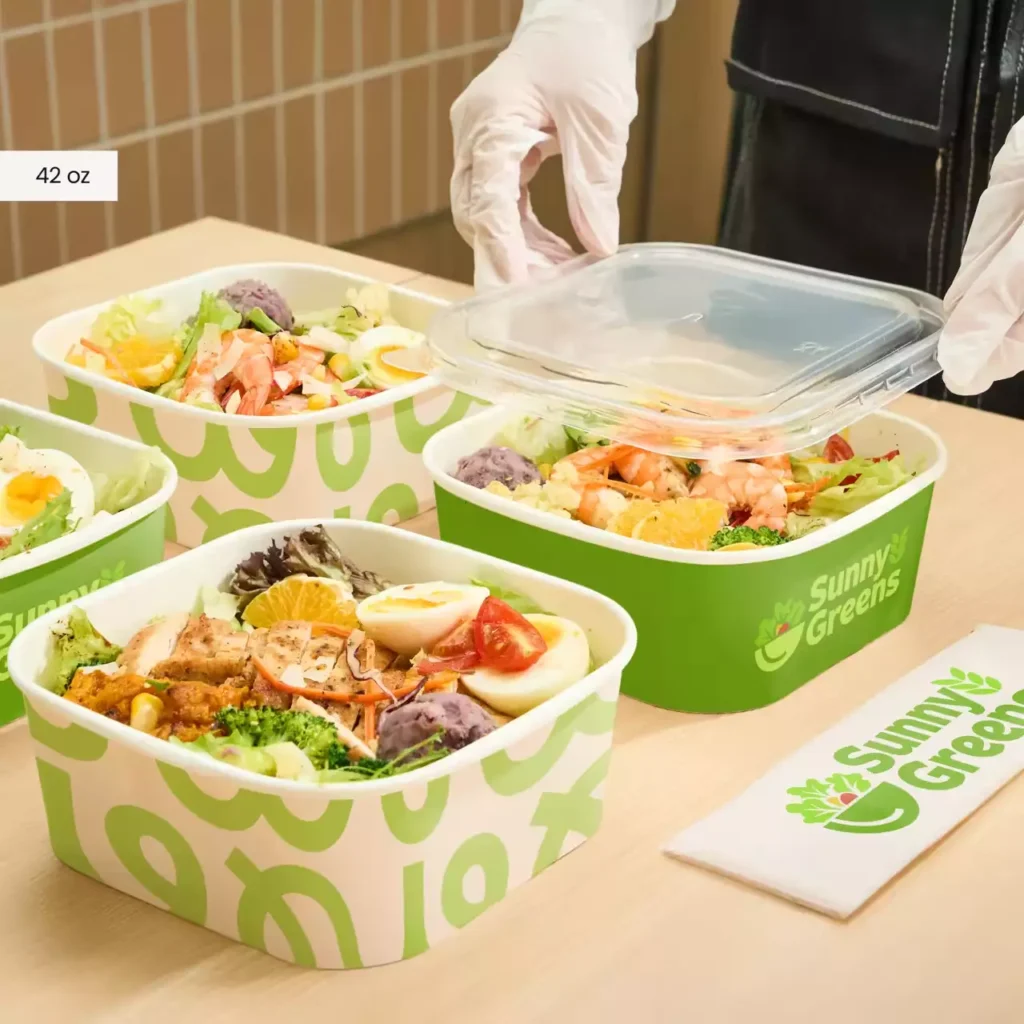
Size and lid compatibility matter more than people expect
This is one of the most common first-order mistakes.
A box can look perfect in a mockup and still be too shallow once real food goes inside. The lid may technically match the box style but still not close properly once the portion size changes.
Before production starts, confirm:
- actual food portion size
- internal box dimensions
- lid compatibility
- stacking requirements
Checking those details early is much easier than fixing them after printing.
2. Request a Quote With the Right Information
A slow custom food packaging quote usually happens because key information is missing.
If dimensions are unclear or artwork is incomplete, suppliers need extra rounds of questions before they can quote accurately. That back-and-forth is what slows projects down.
A proper RFQ should include:
- box dimensions
- estimated quantity
- packaging style
- artwork files or a rough concept
- destination country
- expected delivery timeline
Even rough information is still useful. It gives the supplier something practical to review before production planning begins.
If some details are still uncertain, suppliers like Fusenpack can usually help review the structure, dimensions, or artwork direction early in the process. That helps catch problems before they become production delays.
Questions worth asking before accepting a quote
- Does this price include printing and setup?
- Does quantity affect unit pricing?
- Are samples available before full production?
- What could delay the timeline later?
The goal is not just getting the cheapest quote. It is understanding exactly what is included before the order moves forward.
3. Do Not Approve the Design Too Quickly
This is where many expensive packaging mistakes happen.
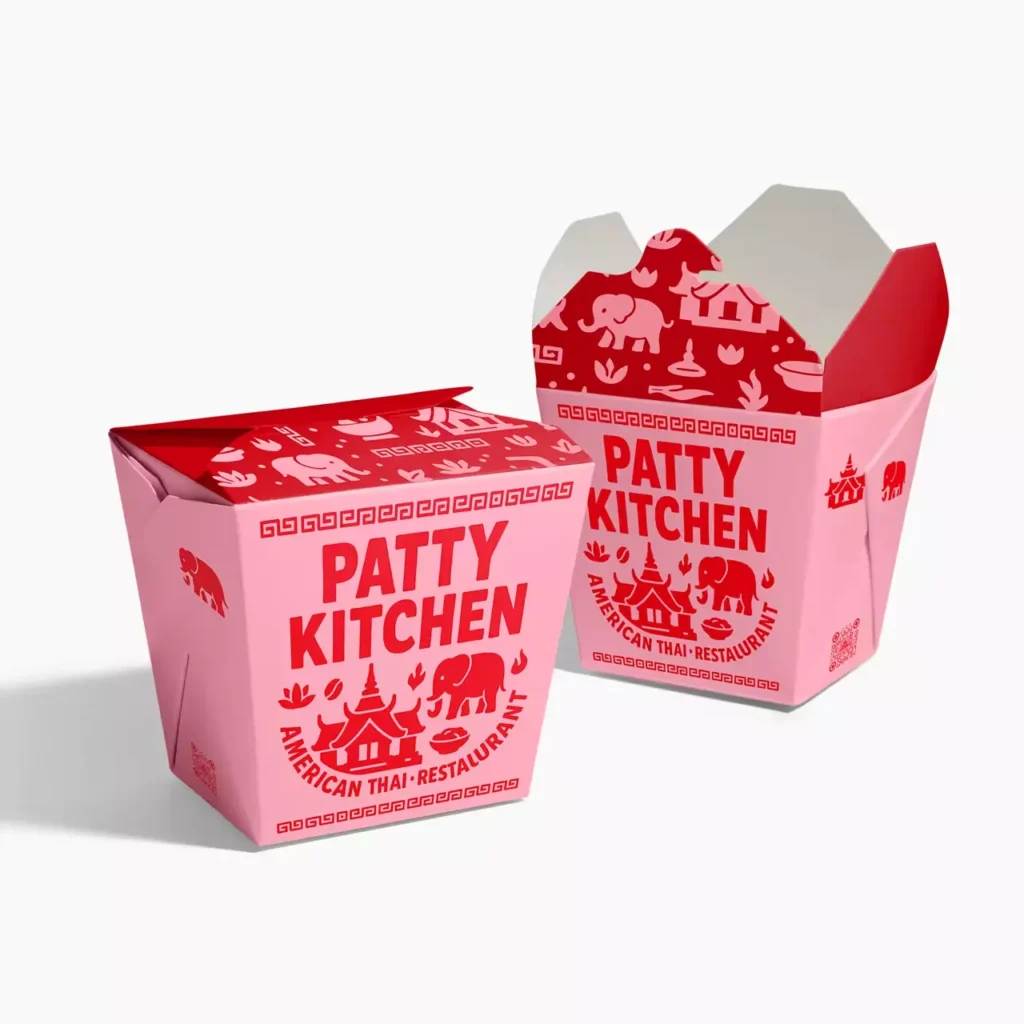
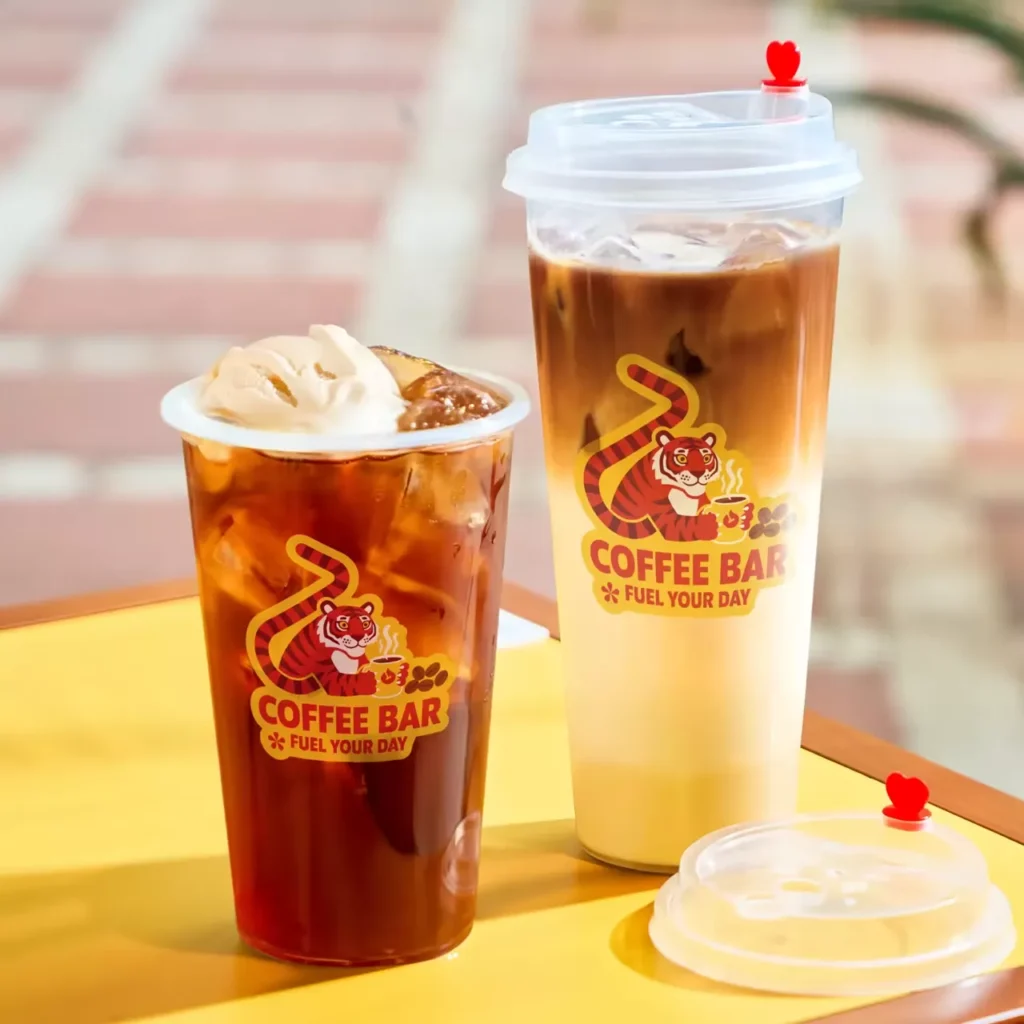
A proof can look completely fine on a laptop and still print badly during production. Small text becomes difficult to read. Colors shift. A logo that looked sharp on screen suddenly looks soft once it is printed at full size.
That is why artwork approval matters so much.
Things to check before approving artwork
Bleed and safe area
Important text and logos should stay inside the safe zone, away from cutting edges.
File format
Vector files like AI, EPS, or print-ready PDF files usually produce cleaner results than compressed JPG or PNG files.
Color mode
Colors often look brighter in RGB than they do in CMYK print production. Confirm expectations before printing starts.
QR codes and small text
Always test QR codes at the actual print size. Very small fonts may become unclear after printing.
Many first-time buyers move through this step too quickly because the proof “looks done.” In reality, this is usually the last chance to catch expensive mistakes.
Fusenpack offers a 36-hour design turnaround, which helps speed up artwork revisions before production scheduling begins. Faster revisions make it easier to fix problems early instead of delaying the entire order later.
4. Confirm MOQ Before You Commit
MOQ stands for minimum order quantity, and it causes confusion for a lot of first-time buyers.
A lower MOQ sounds safer at first. But MOQ affects more than quantity alone. It can also affect pricing, material options, production scheduling, and reorder flexibility.
For a first order, rushing into a very large quantity is usually where problems start.
It is often smarter to confirm:
- actual food fit
- print quality
- material performance
- customer response
before increasing volume on future orders.
Questions to ask about MOQ
- How does pricing change at different quantity levels?
- Does MOQ affect production lead time?
- Can the same packaging be reordered later?
- Will changing the material affect MOQ?
The cheapest unit price is not always the safest first decision.
5. Understand the Full Production Timeline
Production does not begin the moment the order is placed.
Before manufacturing starts, suppliers usually still need:
- artwork approval
- material confirmation
- final specifications
- production scheduling
Most delays happen during those earlier stages, not during the actual factory run.
A typical custom food packaging production timeline may look like this:
- RFQ and quotation
- Artwork revision and approval
- Sample confirmation if needed
- Production scheduling
- Full production
- Shipping and delivery
The exact timing depends on the packaging type, order quantity, and shipping method.
This is why launch dates should always leave room for revisions and approvals — not just production itself.
6. Plan Delivery and Storage Before Shipping
A packaging order is not finished once production ends.
The next question is simple: where will everything go after it arrives?
This becomes a real issue for restaurants and small brands with limited storage space. Large packaging shipments take up more room than many first-time buyers expect.
Before shipping, confirm:
- delivery address
- receiving hours
- pallet dimensions
- storage space
- reorder timing
If storage is limited, ask whether split shipments are possible.
Planning those details early helps avoid unnecessary warehouse pressure later.
7. The Most Common First-Time Ordering Mistakes
Most packaging mistakes are not dramatic at first. They usually look small until production starts.
Some of the most common problems include:
- ordering the wrong box size without testing actual food portions
- submitting low-resolution logo files
- forgetting bleed areas in the artwork
- approving proofs too quickly
- not confirming lid compatibility
- choosing MOQ based only on unit price
The pattern is usually the same. Everything looked fine during approval, but production exposed the problem.
That is why slowing down during review often saves money later.
8. Final Pre-Production Checklist
Before approving production, confirm the following:
- box dimensions tested with the real product
- lid compatibility verified
- artwork checked for bleed and safe areas
- logo files prepared in print-ready format
- MOQ confirmed
- timeline reviewed
- delivery details confirmed
If one important detail is still unclear, it is better to pause and confirm it before production starts.
Final Thoughts
Most first-time custom packaging problems are preventable.
The issue is usually not the factory itself. It is approving details too quickly before everything has been properly checked.
Take extra time to confirm the sizing, artwork, MOQ, and delivery plan before production begins. Fixing mistakes early is always easier than fixing them after production starts.
If you still have questions during the ordering process, Fusenpack can help review artwork, packaging specifications, and production details before the order moves forward.
FAQ
How long does custom food packaging take from order to delivery?
The timeline depends on artwork approval, production scheduling, order quantity, and shipping method. Design revisions and approval stages often take longer than buyers expect.
What is a realistic MOQ for a first order?
MOQ varies depending on the packaging type, material, and printing method. For first-time buyers, it is usually better to confirm product fit and print quality before scaling to larger quantities.
Do I need a vector logo file?
Yes. Vector files such as AI, EPS, or print-ready PDF files generally produce cleaner printing results than low-resolution image files.
Can artwork be changed after approval?
In most cases, changes after approval may affect scheduling, cost, or production timing. That is why artwork should be reviewed carefully before sign-off.