How to Reduce Food Waste in Your Restaurant
By
Contents
- Why Reducing Food Waste Matters in 2025
- Understand the Two Types of Restaurant Food Waste
- Optimize Portion Control with Custom Packaging
- Extend Freshness with Functional Packaging Materials
- Smart Inventory and Prep with Packaging-Driven Efficiency
- Choose Eco-Friendly Packaging to Meet Sustainability Demands
- Prevent Delivery & Takeout Waste with Leak-Proof and Durable Solutions
- Encourage Waste-Free Behavior through Packaging Design
- Evaluate the Right Packaging Supplier for Your Anti-Waste Strategy
- FAQs: Reducing Food Waste with Packaging
- Conclusion: Reduce Waste, Save Costs, and Strengthen Your Brand
Running a restaurant becomes more manageable when you focus on maximizing efficiency, minimizing costs, and delivering a seamless customer experience. One often overlooked strategy to achieve all three is reducing food waste. For small and mid-sized restaurant owners in the U.S., it’s uncommon to recognize that cutting waste is a savvy business move.
In this article, we’ll explore how to reduce food waste in your restaurant using strategic planning, smart packaging, and practical systems that you can implement today.
Why Reducing Food Waste Matters in 2025
According to the USDA, up to 30–40% of the food supply in the U.S. is wasted in restaurants, which translates to billions of dollars down the drain.
Tackling this issue is vital for lowering costs and improving operational efficiency, while also building a greener brand that resonates with environmentally-conscious customers. Smart strategies that focus on every stage of food handling can make a significant impact on reducing waste, benefiting both your bottom line and the planet.
Understand the Two Types of Restaurant Food Waste
Before fixing the problem, you need to identify it. Restaurant food waste typically falls into two categories:
Pre-Consumer Waste
This includes spoilage, over-prep, or kitchen mistakes. A poorly managed inventory system or oversized bulk ordering is often to blame.
Post-Consumer Waste
This comes from customer leftovers, either due to large portions or food not traveling well in takeout.
Smart packaging and portion control can help address both types by optimizing preparation and enhancing the customer experience.

Optimize Portion Control with Custom Packaging
One of the simplest ways to reduce waste is to control how much food you serve. And packaging can help you do just that.
- Offer multiple size options with containers that visually guide portions.
- Use compartment-style containers to separate side dishes and reduce sogginess.
- For dine-in, smaller plates can trick the eye and reduce leftovers.
A fast-casual restaurant switched to custom 12-oz rice bowls from Fusenpack for lunch service. Result? A 25% reduction in uneaten food and lower food costs.
Extend Freshness with Functional Packaging Materials
Food that spoils too soon is food (and money) wasted. High-quality packaging can extend shelf life and reduce early spoilage.
- Use vented containers to release moisture and prevent soggy fried foods.
- Select Kraft paper with oil-resistant coatings for hot foods that need to breathe yet stay fresh.
- Choose PLA or PET clear lids for salads and desserts to maintain visibility and temperature.
At Fusenpack, we provide materials like compostable kraft paper, dual-seal containers, and moisture-resistant wraps designed to meet both functional and sustainability needs.
Smart Inventory and Prep with Packaging-Driven Efficiency
Efficient packaging supports your kitchen workflow by seamlessly integrating into everyday operations.
- Implement color-coded or labeled containers to track inventory expiration dates.
- Use “first-in, first-out” (FIFO) strategies with visible date markings on packaging.
- Choose multi-purpose containers to simplify stock and reduce excess SKUs.
By integrating packaging with your POS and inventory system, you can track DOH (days on hand) and reduce bulk overstock.
Choose Eco-Friendly Packaging to Meet Sustainability Demands
Today’s diners want to support businesses that care about the environment. Eco-friendly packaging helps you meet those expectations while reducing overall waste.
- Opt for biodegradable or recyclable materials that break down after disposal.
- Print eco-labels on packaging to highlight compostability or sourcing.
- Communicate your sustainability efforts through packaging design and messaging.
Fusenpack offers FSC-certified and FDA-compliant materials, helping you meet both safety standards and green goals.
Prevent Delivery & Takeout Waste with Leak-Proof and Durable Solutions
Much of post-consumer waste happens outside your restaurant—on the way home or in a customer’s fridge.
- Use leak-proof bowls and clamshells to protect sauces and soups.
- Choose microwave-safe materials to increase the likelihood of reheating rather than discarding.
- Match container size to portion to avoid oversized, half-filled packaging.
Tip: Avoid using one-size-fits-all containers. A well-fitted box reduces product shift, breakage, and unnecessary volume. Explore various container sizes for your food.
Encourage Waste-Free Behavior through Packaging Design
You can use your packaging to communicate with your customers.
- Print reminders like “Save your leftovers!” or “Reheat me later” on takeout lids.
- Add QR codes that link to storage tips or reuse recipes for common dishes.
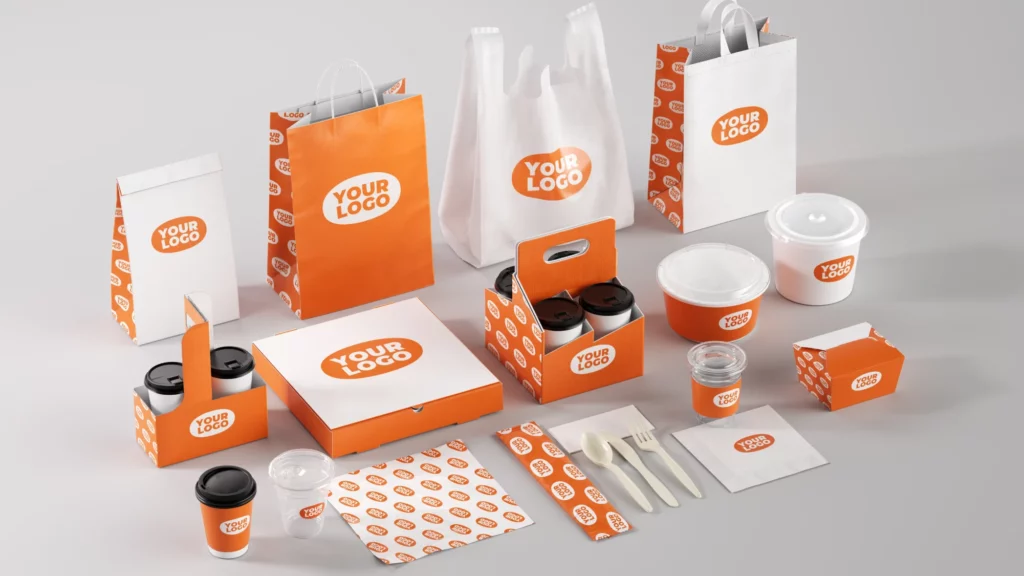
- Encourage reuse with branded takeaway boxes or containers suitable for a second life.
Smart design educates your customers and keeps your food (and brand) in their minds longer.
Evaluate the Right Packaging Supplier for Your Anti-Waste Strategy
Your packaging supplier should do more than sell you boxes. They should be a partner in your sustainability and efficiency goals.
Ask the right questions:
- Can they provide low minimum order quantities to avoid overstock?
- Do they offer free design support to help align packaging with your brand and menu?
- Are materials certified and tested for food safety and eco-compliance?
Fusenpack specializes in custom packaging for U.S.-based small and mid-sized restaurants. We offer fast turnaround, free design within 24 hours, and packaging solutions that help you reduce food waste and grow your brand, without overspending.
FAQs: Reducing Food Waste with Packaging
Q1: Can packaging really reduce food waste in my restaurant? Yes. Thoughtfully designed packaging can help manage portion sizes, preserve freshness, and prevent damage during transport—all of which contribute to reduced food waste.
Q2: What types of packaging are best for keeping food fresh longer? Look for containers with breathable vents, moisture barriers, and appropriate insulation for hot or cold items. Materials like PLA, PET, and oil-resistant kraft paper work well.
Q3: How can I make my takeout packaging more sustainable? Switch to compostable or recyclable materials, print educational messages on the packaging, and avoid unnecessary layers. Fusenpack offers eco-certified options for all packaging needs.
Q4: Is custom packaging affordable for small restaurants? Yes. With low MOQ options and free design services from suppliers like Fusenpack, even small restaurants can access high-quality, customized packaging solutions without large upfront investments.
Q5: Does eco-friendly packaging impact food safety or durability? Not if you choose the right supplier. At Fusenpack, all our materials are FDA-approved and tested to perform under real-world food service conditions—safe, strong, and sustainable.
Conclusion: Reduce Waste, Save Costs, and Strengthen Your Brand
By integrating packaging into your waste-reduction strategy, you can minimize spoilage, simplify kitchen operations, and improve customer satisfaction. Fusenpack offers custom packaging built for your menu, your budget, and your sustainability goals.Explore our online store or contact our packaging specialists to get started today.