How to Scale a Restaurant Business: 5 Signs You’re Ready for Larger Packaging Orders
By
Contents
If you’ve been reordering packaging every few weeks and still running short, you’ve already answered the question. Knowing how to scale a restaurant business starts with the numbers you track every day — and packaging reorder frequency is one of the clearest signals. Here’s how to read those signs before they become problems.
Why Packaging Tells You More Than You Think
When you’re figuring out how to scale a restaurant business, most owners jump straight to staffing, kitchen capacity, or foot traffic. Packaging is an afterthought — until you run out mid-dinner rush.
That’s a mistake. Your packaging consumption rate mirrors your real output. When you’re placing small, frequent orders just to keep up, you’re not only spending more per unit. You’re burning time, running storage thin, and letting your brand look inconsistent across shifts and locations.
Scaling your packaging order isn’t just a cost decision. It’s an operations decision.
5 Signs You’re Ready to Place a Larger Order
1. You’re Reordering More Than Twice a Month
Once a month is manageable. Twice a month means you’re running lean. Three times a month means your order size has already fallen behind your actual volume.
Frequent small orders cost more per unit and stack up in shipping fees. They also create unpredictable gaps in supply — which is the last thing you want on a busy Friday night.
Rule of thumb: If you’ve reordered three or more times in the past 30 days, your monthly usage has outgrown your order size.
2. Your Cost Per Unit Is Higher Than It Should Be
Bulk pricing unlocks at volume thresholds. At 5,000 units, the per-unit cost on a custom takeout box can drop by more than 40% compared to small-batch orders. That gap compounds fast across thousands of orders per month.
| Order Size | Approx. Cost Per Unit |
| 500–1,000 units | $0.16–$0.22 |
| 2,000–3,000 units | $0.12–$0.16 |
| 5,000+ units | $0.05–$0.10 |
Figures vary by product type. Contact your supplier for exact pricing.
If you’re still in that top row, you’re leaving money on every single order.
3. Your Packaging Looks Different Batch to Batch
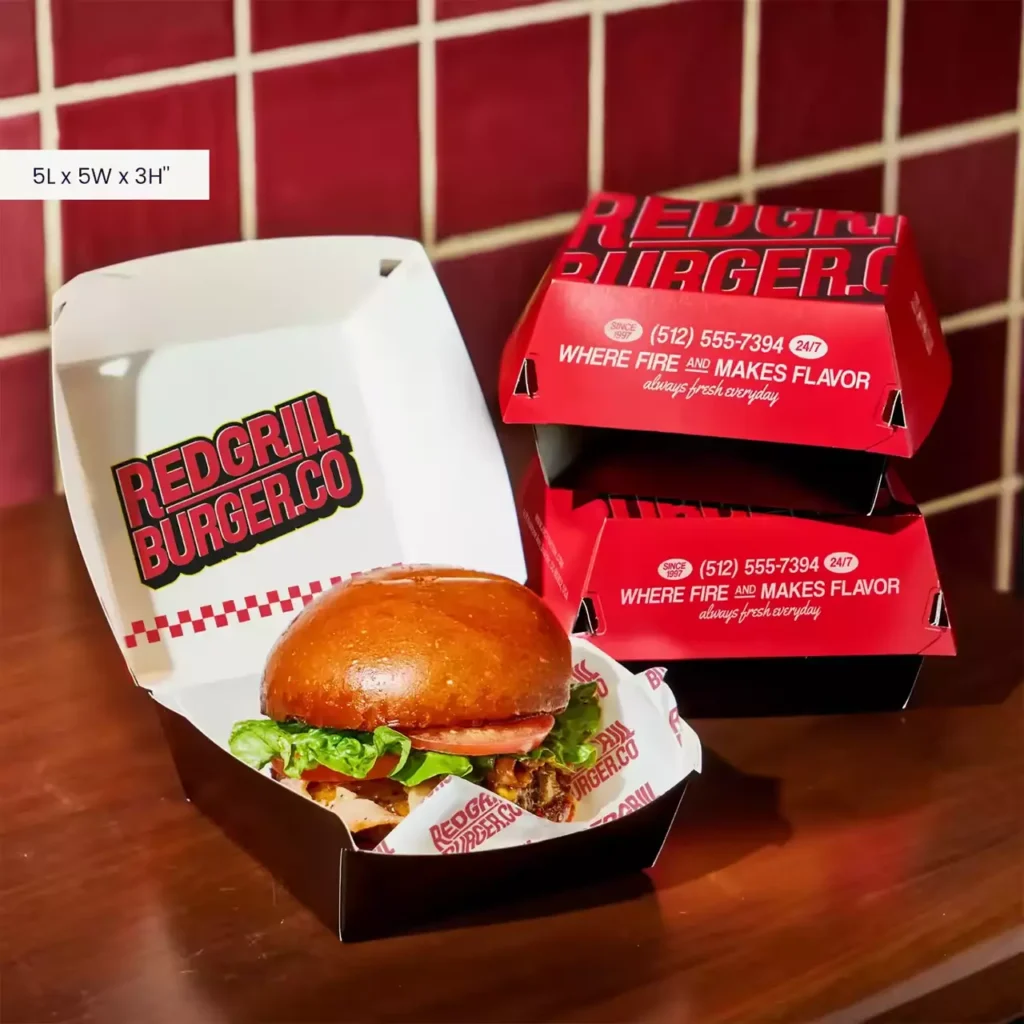
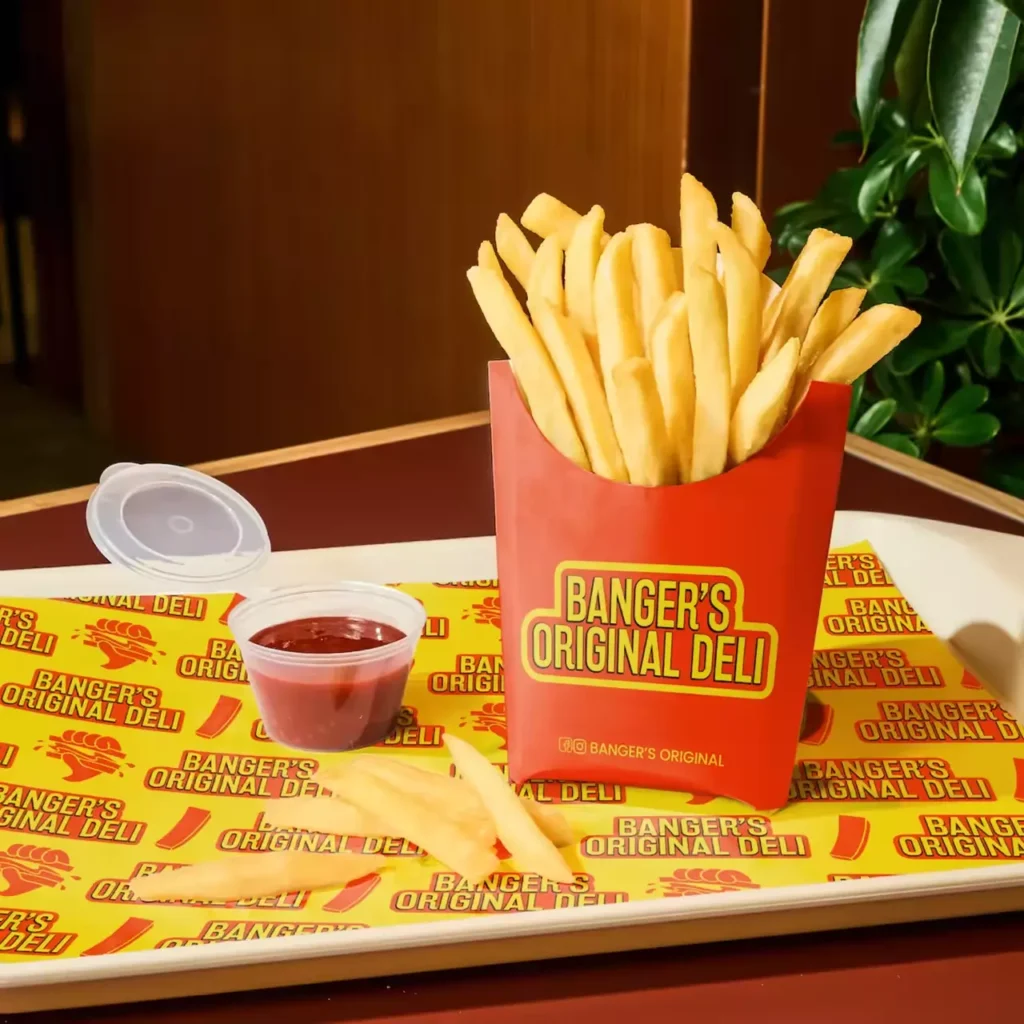
Inconsistent packaging is a brand problem. When you’re grabbing whatever’s in stock — different suppliers, different print runs, different paper weights — your boxes, bags, and cups stop looking like they belong to the same restaurant.
This matters more than most owners realize. 72% of consumers remember brands with distinctive packaging, and 52% are more likely to reorder from restaurants that use consistent, quality containers. [Source: SoGreenPack, Takeout Packaging & Customer Loyalty Report]
Custom bulk orders fix the consistency problem at the root. One production run, locked specs, same Pantone colors on every unit — whether the order goes out Tuesday or Saturday.
4. You’re Running Seasonal Promotions or Adding Menu Items
A summer LTO. A holiday special. A new delivery-only menu. Each of these needs packaging lead time — typically 8 to 12 weeks from order to delivery.
Restaurants that order in bulk with free storage can pre-order seasonal packaging months ahead, store it at no cost, and pull inventory when the promotion launches. Restaurants ordering small scramble for anything that ships fast — and pay a premium for it.
If you’re running more than two promotions a year, bulk ordering with managed storage isn’t a nice-to-have. It’s the only way to stay ahead of your own calendar.
5. You’re Opening a Second Location or Adding Delivery
Delivery volume alone can double your packaging consumption overnight. A second location multiplies it further.
The numbers back this up: the global online food delivery market reached $288.84 billion in 2024 and is projected to hit $505.50 billion by 2030 — a 9.4% annual growth rate that flows directly into packaging demand. [Source: Grand View Research, Online Food Delivery Market Report]
Neither scenario is the time to figure out your packaging supply chain. Scaling a restaurant business successfully means having your operations — including packaging — ready before the demand hits, not scrambling after.
If you’re six months out from a second location or a delivery partnership, start your packaging order now.
What to Do Once You Recognize the Signs
How to scale a restaurant business without chaos comes down to removing two blockers most owners run into: upfront cost and storage space. Both are solvable before you spend a dollar.
- No storage space? Fusenpack offers free overseas storage with smart inventory management — you hold nothing on-site and pull units when you need them.
- No design team? Free custom packaging design is included, with your brand colors, logo, and specs dialed in. Turnaround is 36 hours.
- Worried about MOQ? The minimum starts at 5,000 units — lower than the industry standard, and low enough for a single-location restaurant doing solid dinner volume.
- Not sure what to order? Their team walks you through product selection, sizing, and print specs from the first conversation to final delivery.
And the ROI compounds over time. About 60% of U.S. consumers order delivery or takeout at least once a week — meaning every order that goes out in a branded, consistent package is a repeat touchpoint with a customer who already comes back regularly. [Source: Deliverect, U.S. Food Delivery Market Report 2024]
Scaling your packaging order doesn’t require a big budget or a warehouse. It requires recognizing the right moment — and most restaurant owners are already past it.
FAQ
Q: How to scale a restaurant business quickly?
A: Focus on demand, reduce unit costs, and standardize operations like packaging and supply.
Q: How many units per month do I need to justify a bulk packaging order?
A: If you’re consistently using 1,500+ units per month, bulk pricing will almost always save you money. It’s one of the fastest levers when scaling a restaurant business on a tight margin.
Q: Do I need to handle storage if I order in bulk?
A: Not with the right supplier. Fusenpack provides free overseas storage and ships to you on demand, so you’re not holding inventory on-site.
Q: How far in advance should I order for a seasonal promotion?
A: Allow 8–12 weeks from order placement to delivery. With storage included, you can order further out and pull inventory when the promotion starts.
Ready to place a larger order? Get a free custom design and quote from Fusenpack in 36 hours.