Low MOQ vs Bulk Discount: Restaurant Food Cost Control Guide
By
Contents
- What low MOQ really means in restaurant purchasing
- What a bulk discount really saves
- The real cost is bigger than the unit price
- When low MOQ makes more sense
- When bulk discount makes more sense
- Why packaging buyers need to look at MOQ more carefully
- Waste changes the math fast
- A simple way to compare both options
- FAQ
In restaurant food cost control, the cheapest-looking order is not always the one that saves money. A low MOQ can protect cash flow and reduce waste, while a bulk discount may lower the unit price but leave you with too much stock. For restaurants, the real question is not which option looks cheaper on paper. It is which one lowers total cost once storage, waste, and ordering rhythm are added in.
That question matters because restaurant food cost control stay tight even for operators who run a disciplined kitchen. In 2024, food and non-alcohol beverage costs represented a median of 32.0% of sales among full-service restaurant respondents, and 32.4% among limited-service respondents. [Data Source: National Restaurant Association, 2025]
What low MOQ really means in restaurant purchasing
MOQ stands for minimum order quantity. Low MOQ simply means the supplier lets you buy smaller volumes.
That matters more than many buyers admit. A small café, a fast-changing menu, or a seasonal concept often cannot afford to sit on a large pile of inventory. Smaller orders give the team more room to adjust when demand changes. They also make testing easier. If a product does not work, the loss is smaller.
Low MOQ is not about getting the lowest sticker price. It is about keeping control over what comes in and what actually gets used.
What a bulk discount really saves
Bulk discounts are easy to understand. Buy more, pay less per unit.
That sounds straightforward, and sometimes it is. A restaurant that uses the same packaging, ingredient, or supply every day can save real money by ordering more at once. If the item moves fast and storage is not a problem, the lower unit price can make a noticeable difference.
Food-away-from-home prices also keep moving. USDA ERS reports that food-away-from-home prices rose 4.1% in 2024 and 3.8% in 2025, still faster than the long-run average of 3.5% per year. [Data Source: USDA ERS, 2026]
The real cost is bigger than the unit price
When restaurants compare low MOQ and bulk discount, they usually focus on product cost. That is only one piece of the picture.
Restaurant food cost control: Proper comparison items
- Product cost
- Shipping cost
- Storage space
- Waste risk
- Handling time
- Cash tied up in inventory
A bulk order can look cheaper on the invoice and still cost more in practice. A smaller order can look more expensive per unit and still leave the business in a healthier position.
Here is a simple way to think about it:
| Option | What looks good | What can go wrong |
| Low MOQ | Lower risk, more flexibility | Higher unit price |
| Bulk discount | Lower unit price | More storage pressure, more waste risk |
The invoice does not tell the full story. The kitchen does.
When low MOQ makes more sense
Low MOQ usually works better when the product is not used every day or when the restaurant is still learning customer demand.
That includes new menu items, seasonal packaging, special promotions, and supplies that need to match changing sales volumes. It also makes sense when storage space is tight. A lot of operators discover that “saving money” on a bulk order creates a different problem later: boxes stacked in the wrong place, packaging crushed in storage, or ingredients sitting too long before use.
For smaller restaurants, low MOQ can also protect cash flow. Money that is not locked into inventory can stay available for payroll, rent, repairs, and the rest of daily operations.
When bulk discount makes more sense
Bulk discount works better when the item moves quickly and the business already knows the usage pattern.
That usually means stable, repeat purchases. If the same container, cup, napkin, or ingredient is needed every week, a larger order can make sense. The unit price drops, ordering becomes less frequent, and the admin side gets simpler.
Why packaging buyers need to look at MOQ more carefully
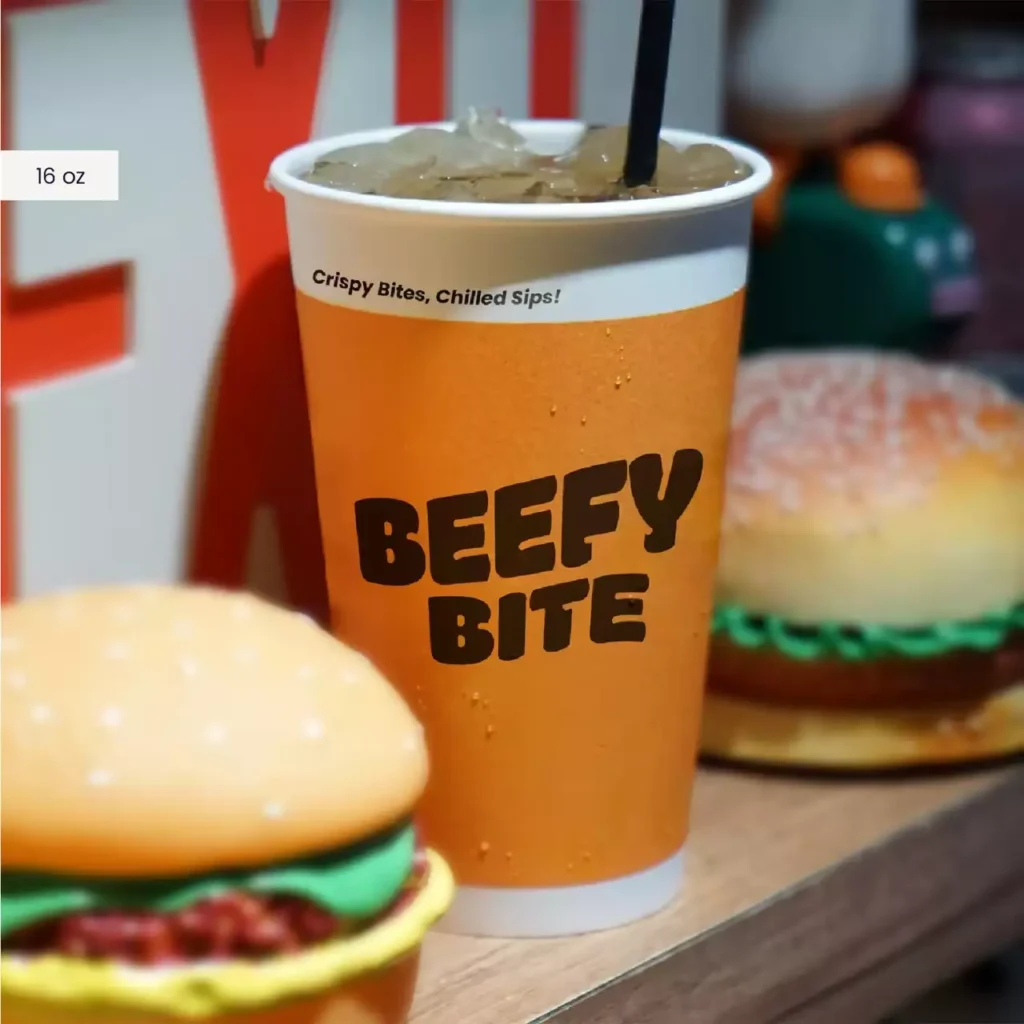
Packaging is one of the easiest places to misjudge cost. Restaurants often assume that packaging is just a support expense, but the order structure can change the economics a lot.
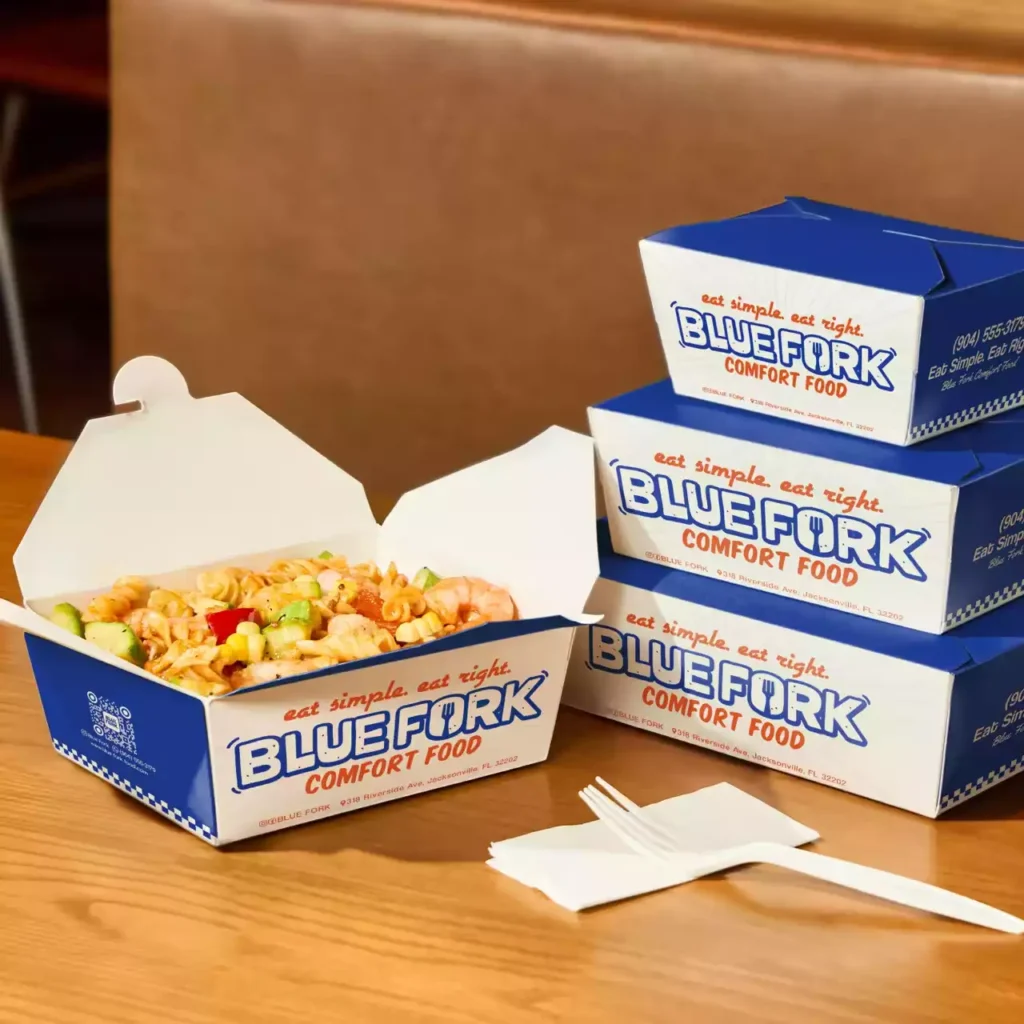
For restaurants that want custom packaging without taking on extra inventory pressure, Fusenpack is a practical option. It helps solve common problems like no design budget, limited storage space, and inconsistent packaging quality. With free design, free storage, and a low-MOQ ordering model, restaurants can test packaging, control cash flow, and keep branding consistent without being forced into oversized orders.
In other words, packaging should not be bought only by unit price. It should be bought by how well it fits your order rhythm.
Waste changes the math fast
Food waste is another reason this decision matters. EPA estimates that in 2019, 66 million tons of wasted food were generated in the food retail, food service, and residential sectors, and about 60% of that waste was sent to landfills. [Data Source: US EPA, 2025]
That is exactly why bulk buying can go wrong for restaurants. The bigger the order, the more money can be lost if demand shifts, products expire, or storage goes badly.
A simple way to compare both options
Before placing an order, ask these questions:
- How fast will this product move?
- How much storage space do I actually have?
- Will the lower unit price still matter after shipping and waste?
- Does this order help or hurt cash flow?
- Will I reorder soon anyway?
If the answer points toward slower usage, smaller orders usually make more sense. If the item is stable, fast-moving, and easy to store, bulk pricing starts to look better.
FAQ
Q1: Is bulk buying always cheaper?
A: No. It can be cheaper per unit, but the total cost may be higher if waste or storage costs increase.
Q2: Does low MOQ help cash flow?
A: Yes. Smaller orders reduce upfront spending and keep cash available for operations.
Q3: When does bulk purchasing actually save restaurants money?
A: Bulk discounts work best for fast-moving, stable, non-perishable supplies with consistent usage and sufficient storage space.
Q4: How do I calculate true cost per order?
A: Add product cost, shipping, storage, waste, and handling costs.
Q5: Is there a smart way to balance cost savings and flexibility in packaging purchasing?
A: Yes. Fusenpack provides low-MOQ ordering, free design and storage, supporting strong restaurant food cost control while keeping branding consistent without large bulk commitments.