Restaurant Takeaway Bags: Paper vs Plastic – Pros & Cons Guide
By
Contents
When it comes to packaging, especially for retail and food businesses, one of the most common debates is whether to choose paper bags vs plastic bags. Each has its own set of advantages and considerations. But with growing environmental concerns, paper and plastic bags are often compared for their sustainability, durability, and convenience.
In this article, we’ll explore the pros and cons of plastic bags and paper bags, specifically addressing common questions like, “Are paper bags better than plastic bags?” We’ll also guide you on how to choose the right packaging for your restaurants and why FUSENPACK is the ideal partner for your custom packaging needs.
Plastic Bag vs Paper Bag: What’s the Difference?
First things first—let’s break down the basics of plastic bags and paper bags so you can make an informed decision for your business.
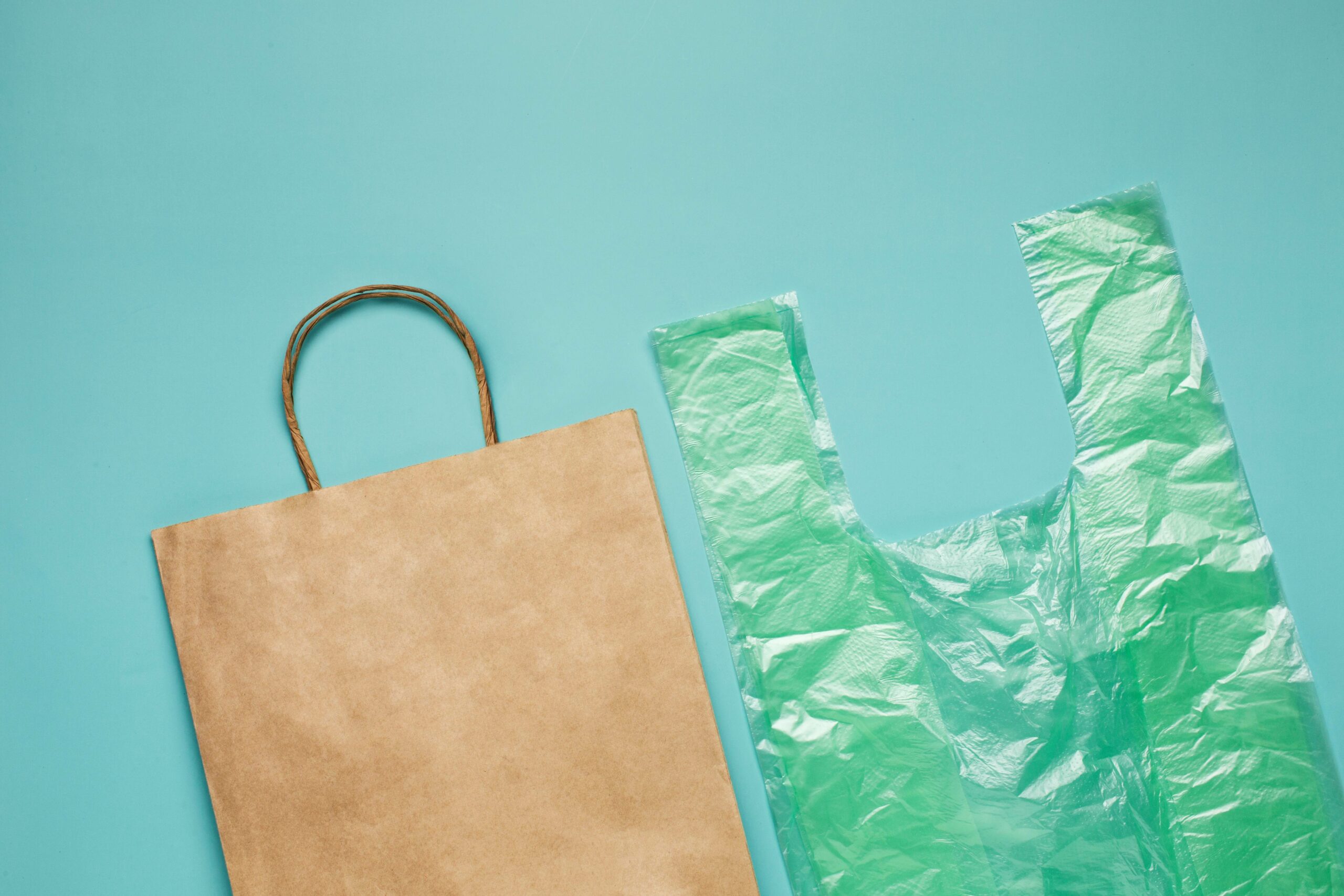
Plastic Bags: The Convenient Choice
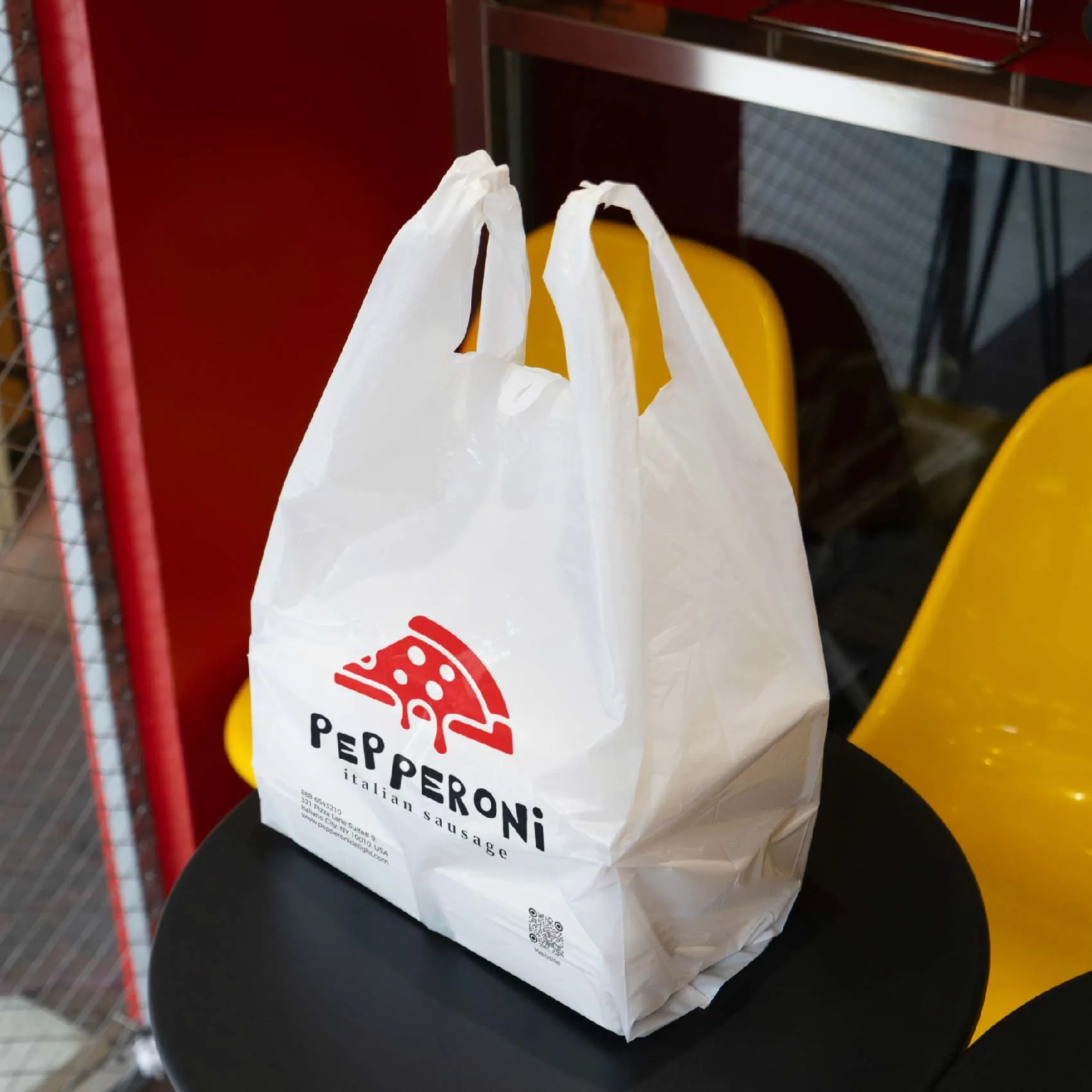
Plastic bags, such as t-shirt bags, are a go-to for many retailers and restaurants. They’re lightweight, durable, and can carry heavier items without tearing. Plus, plastic bags are water-resistant, which makes them ideal for food packaging, especially in takeaway or delivery settings.
Benefits of Plastic Bags:
- Durability: Plastic bags can handle heavier loads and are less likely to tear than paper bags.
- Water Resistance: Protects items from rain or moisture.
- Versatility: Commonly used for various products like groceries, clothing, and food packaging.
- Cost-Effective: Plastic bags are usually cheaper than paper bags to produce and purchase in bulk.
However, plastic bags come with their own set of environmental drawbacks. They’re made from non-renewable resources and can take hundreds of years to decompose in landfills. Plus, California banning plastic bags is a growing trend, and many businesses now face regulations restricting their use.
Paper Bags: The Eco-Friendly Alternative
On the other hand, paper bags, particularly brown paper bags, offer an environmentally friendly alternative to plastic. They’re biodegradable, recyclable, and often made from renewable resources like wood pulp.
Benefits of Paper Bags:
- Environmentally Friendly: Made from biodegradable and recyclable materials.
- Sustainability: Typically produced using renewable resources.
- Customizable: Great for branding! Paper bags offer ample space for logos and designs.
- Perceived Value: Paper bags have a premium feel, often associated with quality products.
However, they do have some downsides. Paper bags are usually less durable than plastic, especially when wet. They also tend to be more expensive to produce, which could affect your business’s bottom line.
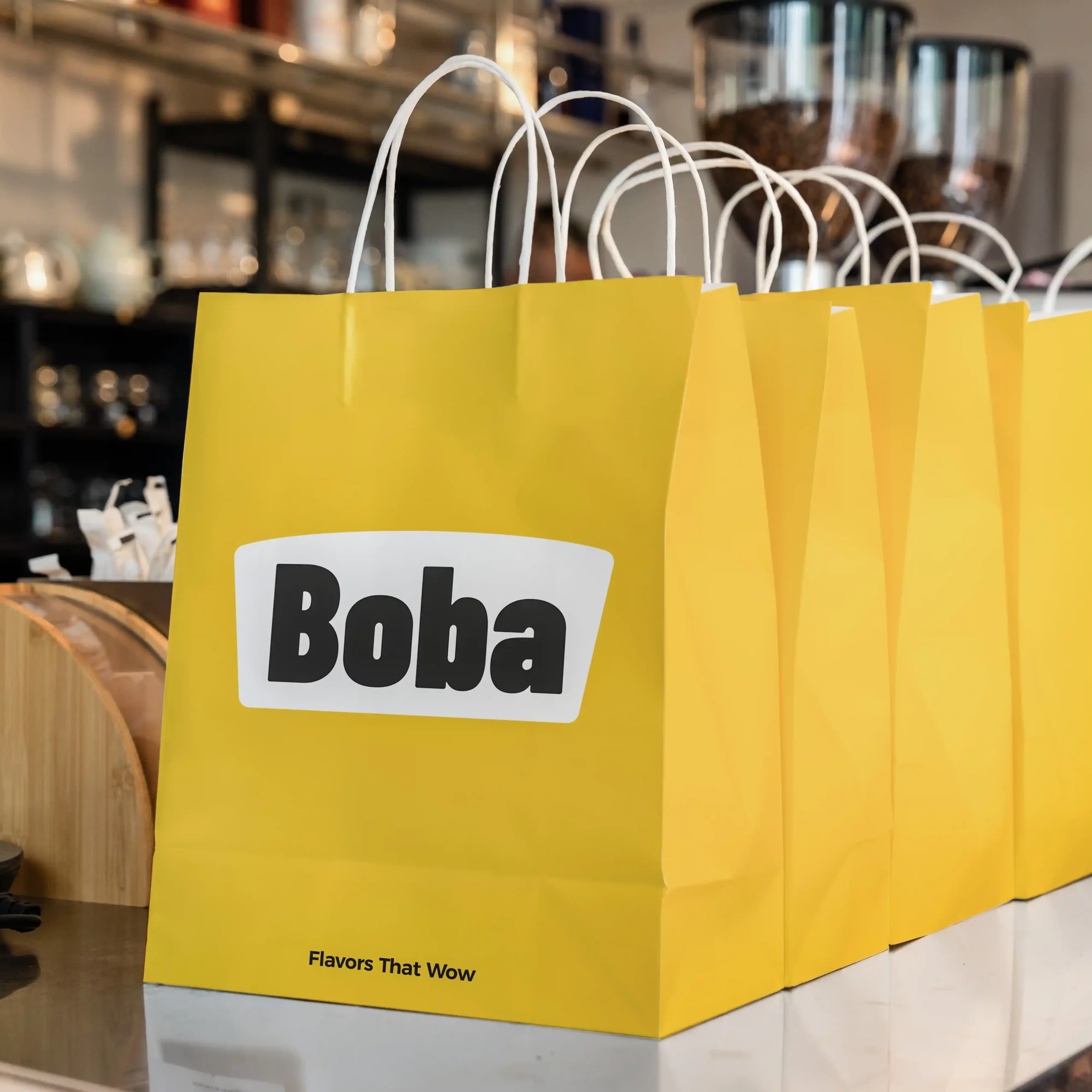
Paper Bags vs Plastic Bags: A Detailed Comparison
Now that we’ve covered the basics, let’s dive deeper into the paper bags vs plastic bags debate.
1. Environmental Impact
One of the most significant reasons businesses choose paper and plastic bags is their environmental impact. Paper bags are biodegradable, meaning they will break down naturally in the environment. In contrast, plastic bags can take decades or even centuries to decompose, contributing to waste accumulation.
However, paper bags do have a larger carbon footprint in terms of production. Biodegradable shopping bags made from plastic are becoming more popular as an eco-friendly alternative. They combine the durability of plastic with biodegradability, but they may still require proper disposal to prevent environmental harm.
2. Cost Considerations
When choosing between paper vs plastic bags, cost is often a major factor for businesses. Plastic bags are generally cheaper to produce and purchase, making them an attractive option for businesses looking to save on packaging costs.
That said, the increasing trend of California banning plastic bags is pushing businesses toward more sustainable options. Paper bags might cost more upfront, but their eco-friendly appeal could help you attract environmentally-conscious consumers, which can boost your brand image and potentially lead to higher sales.
3. Durability and Functionality
Plastic bags are lightweight and flexible, making them perfect for carrying heavier items or packaging food for takeout or delivery. They don’t tear easily and are waterproof, which makes them a go-to for many retailers and restaurants.
Paper bags, however, are more susceptible to tearing, especially when wet. If your business involves packaging products that might leak, you might want to opt for plastic. But if your goal is to create a premium, eco-friendly image, paper is a great option.
4. Storage and Handling
If you’re considering drying in paper bag vs hanging, paper bags tend to have better air circulation, which is ideal for items like produce or fresh bread. However, paper bags can become damaged if exposed to moisture, whereas plastic bags are more resistant to water, making them better suited for food items that could be affected by humidity.
Are Paper Bags Better Than Plastic Bags?
The question are paper bags better than plastic bags isn’t easy to answer in one sentence. It depends on your business needs and values.
If sustainability and an eco-friendly image are essential to your brand, then paper bags might be the better choice. But if you’re looking for something more durable, waterproof, and cost-effective, plastic bags may be the way to go.
In fact, many businesses find that a combination of both types of packaging works best. For example, you can use paper bags for retail items and plastic bags for food packaging or takeaway orders.
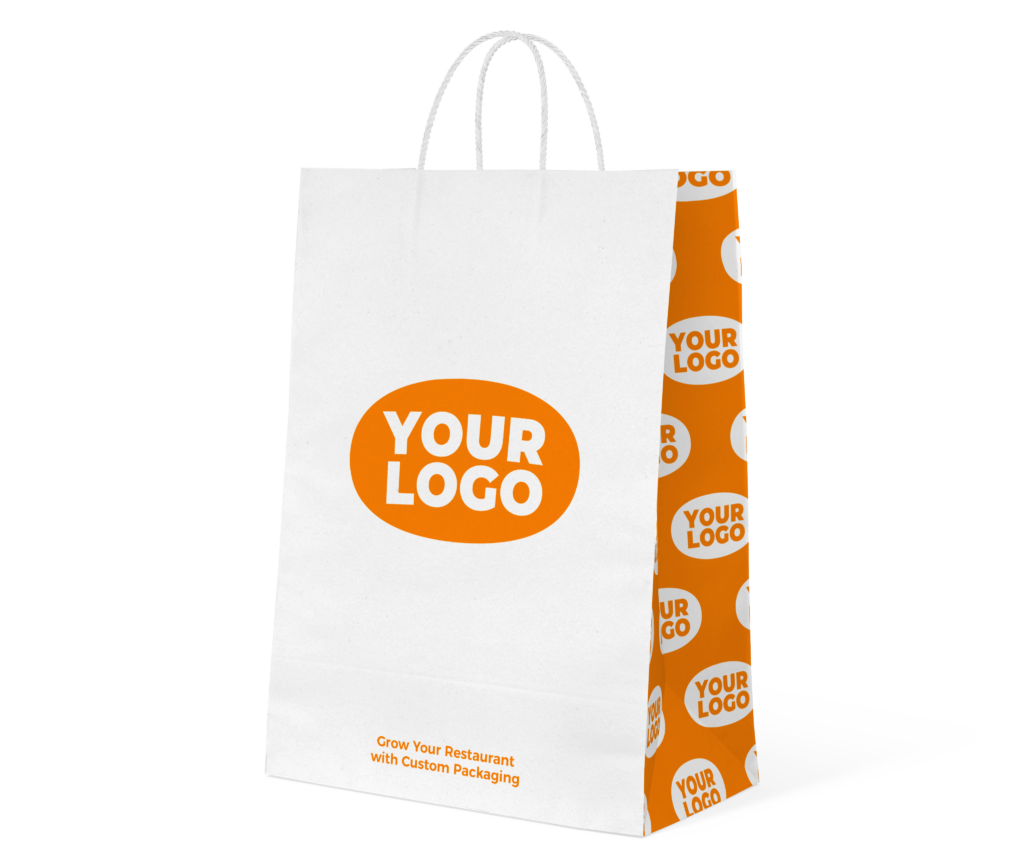
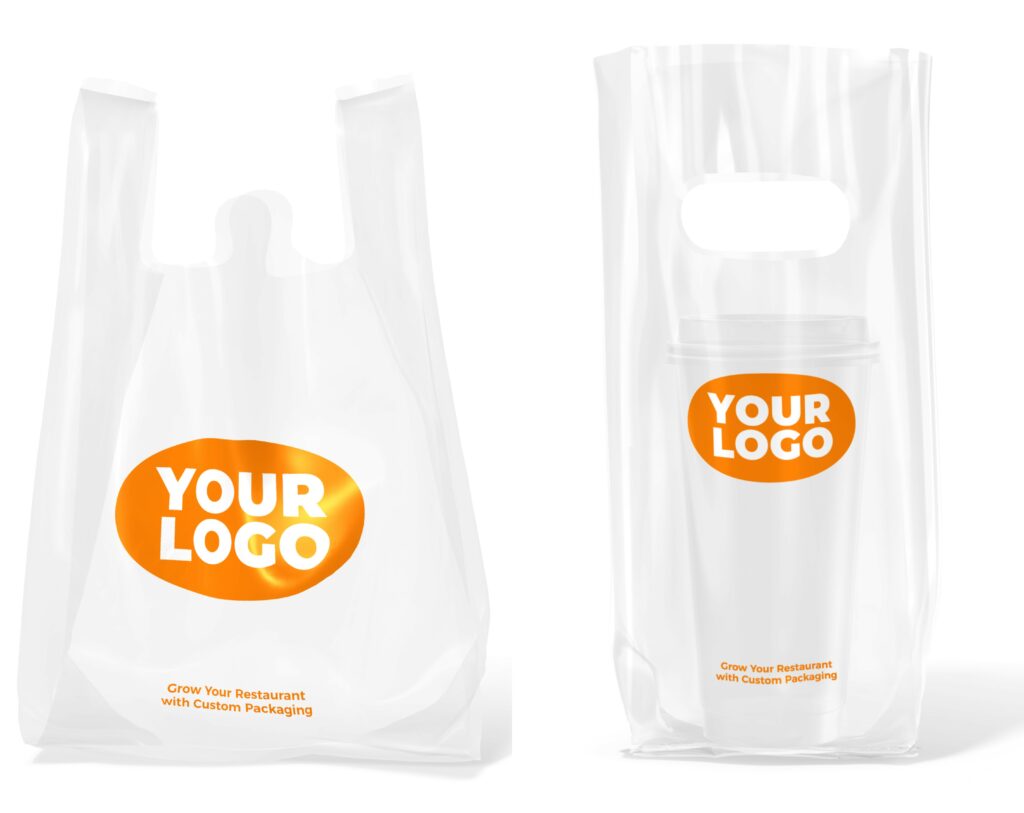
How to Choose the Right Bags for Your Business
When choosing paper and plastic bags for your business, here are a few things to consider:
- Brand Image: Do you want to highlight your brand’s eco-friendly values? If so, brown paper bags or biodegradable shopping bags are a great choice.
- Cost: If you’re on a tight budget, plastic bags may be more affordable. However, if you’re willing to invest a bit more for sustainability, paper bags are a better long-term choice.
- Functionality: Will your bags be used to carry heavier or wetter items? Plastic bags are more suitable in these cases.
- Local Regulations: Stay informed about the California banning plastic bags trend or similar legislation in your area. Some regions require businesses to offer more sustainable packaging options.
| Feature | Paper Bags | Plastic Bags |
|---|---|---|
| Environmental Impact | – Biodegradability – Recyclability – Renewable Resource | – Recyclable, but less frequently/easily recycled |
| Cost | Generally Higher | Generally Lower |
| Durability | Lower, prone to tearing | Higher, more resistant to tearing |
| Water Resistance | Low | High |
| Customization | Excellent, easy to print high-quality graphics | Good, can be customized, but full-color printing might be more complex/costly |
| Storage Space | More space required | Less space required |
| Weight Carrying | Generally Lower | Generally Higher |
| Reusability | Lower | Potentially higher |
| Brand Image | Often perceived as more premium, eco-conscious | Can be perceived as less premium, standard |
FUSENPACK: Your Custom Packaging Solution
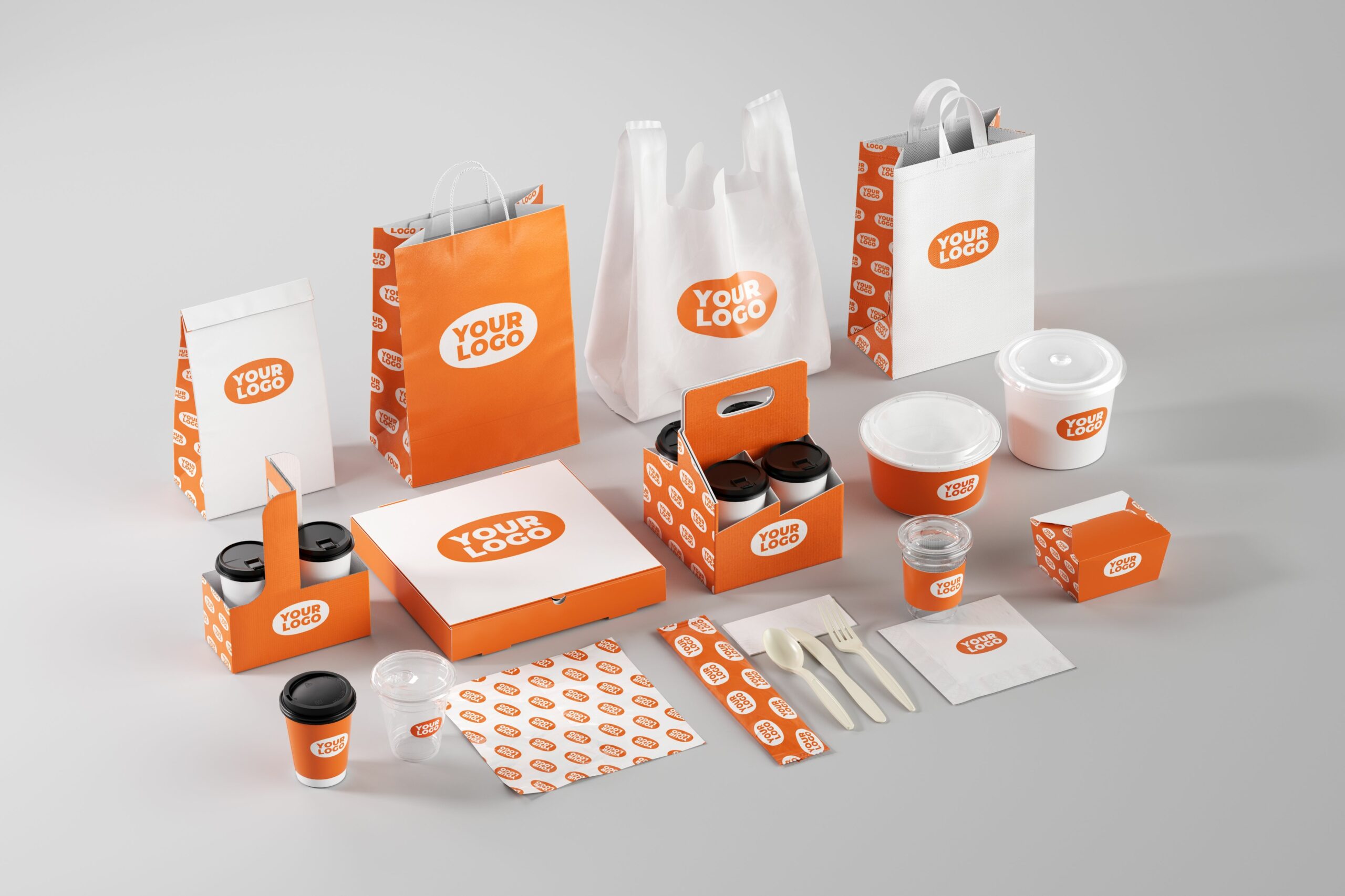
At FUSENPACK, we understand that choosing the right packaging can be challenging, especially when weighing options like plastic bag vs paper bag. That’s why we offer a wide range of custom packaging solutions, including paper bags, plastic bags, and more. Whether you’re looking for eco-friendly biodegradable shopping bags or custom paper bags with your logo, we’ve got you covered.
With FUSENPACK, you can enjoy:
- Free Design Services: Our expert design team will work with you to create the perfect bag design.
- Low Minimum Order Quantities: You don’t have to worry about large inventory commitments.
- Fast Turnaround: Get your custom bags in no time with our quick production process.
- Free Storage and Shipping: We offer free storage and shipping, so you can focus on your business.
Explore our custom packaging options today at CUSTOM STORE and get started with 5 free design concepts!
By understanding the differences between paper bags vs plastic bags, you can make an informed decision for your business that aligns with both your operational needs and your brand’s values. At FUSENPACK, we’re here to help you choose the best packaging for your products and ensure your business stands out.