What Are the Best Packaging Materials for Bakery Products?
By
Discover the best packaging materials for bakery products. Learn how different packaging options like plastic bags, paper bags, composite materials, biodegradable options, and vacuum packaging impact freshness, sustainability, and customer appeal.
When it comes to running a bakery, the packaging you choose for your products plays a vital role. It’s not just about protecting the baked goods but also about enhancing their appeal and ensuring they stay fresh for customers. So, what are the best packaging materials for bakery products? Let’s take a closer look at some of the most common and effective options.
1. Plastic Bags
Plastic bags are among the most commonly used bakery packaging materials. They are perfect for preserving moisture, which helps keep bread soft and fresh for a longer period. This makes plastic bags ideal for short-term storage, ensuring that baked goods like sandwich bread or rolls remain moist and fluffy for several days. Plus, plastic is easy to seal, offering an added layer of protection.
2. Paper Bags
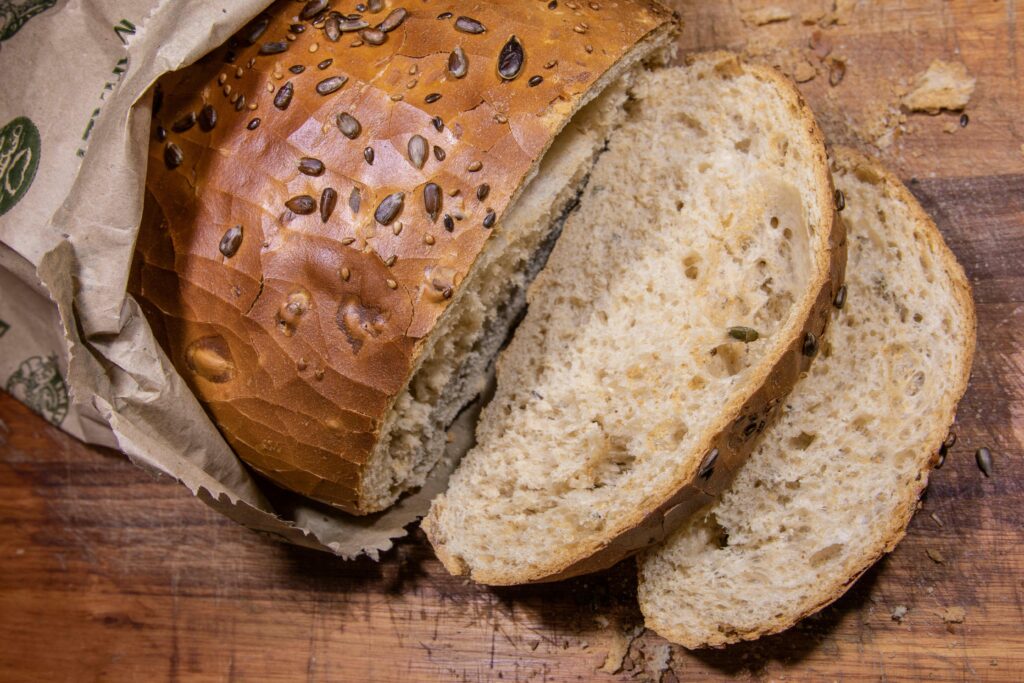
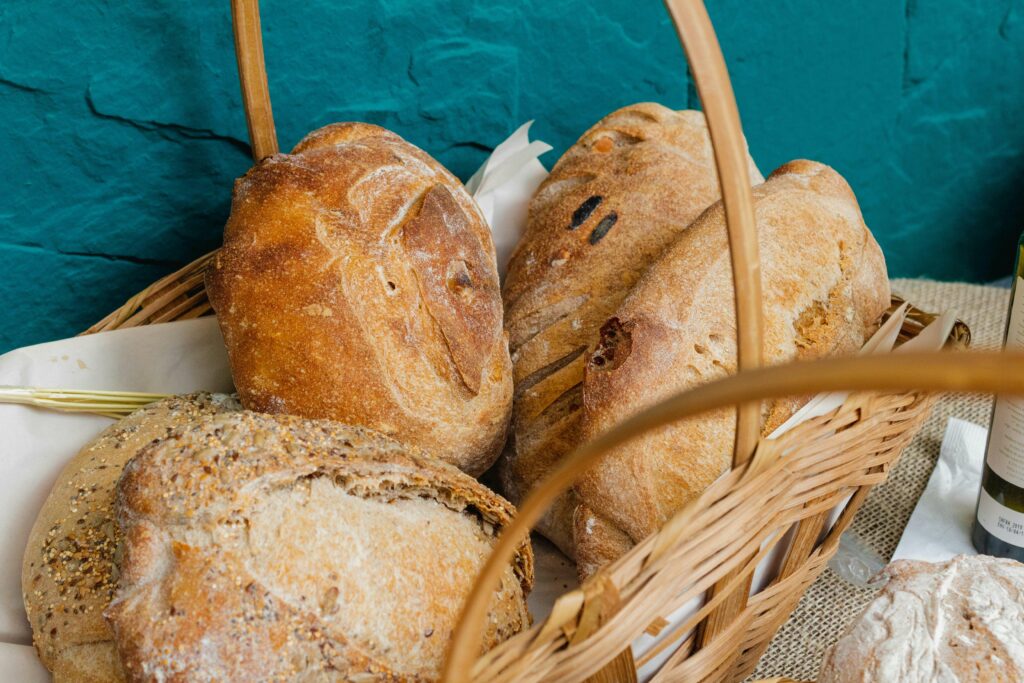
Paper bags are often used in small bakeries or for artisanal bread. The main benefit of paper is its breathability. It allows the outer crust of the bread to remain crisp, which is important for certain types of bread that are best consumed on the same day. If you’re wondering what are the best packaging materials for bakery products that prioritize a rustic, eco-friendly feel, paper bags are a great option. However, they may not be the best choice for long-term storage as they allow moisture to escape.
3. Composite Packaging
Composite packaging, a combination of plastic and aluminum foil, is excellent for bakery items that require a longer shelf life. It provides strong protection against moisture and oxygen, helping to keep products fresh for extended periods. This type of packaging is commonly seen with pre-packaged bakery items found in supermarkets. If you’re looking to extend the shelf life of your products, composite materials are among the best packaging materials for bakery products.
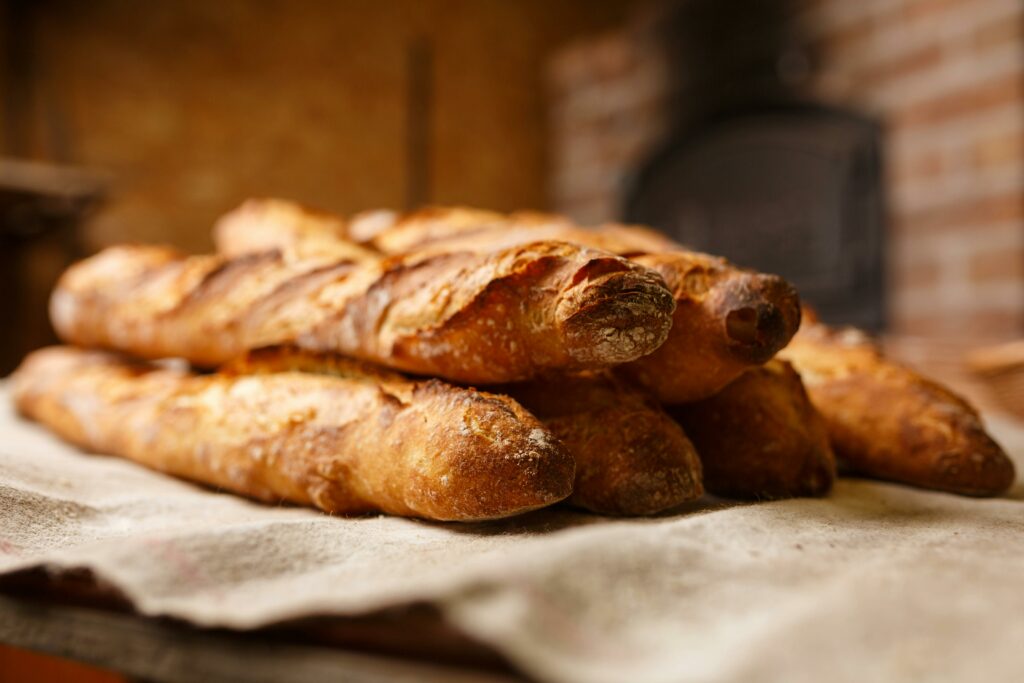
4. Biodegradable Packaging
As environmental awareness grows, more bakeries are turning to biodegradable packaging. This includes materials like compostable bioplastics and recyclable paper bags. Choosing biodegradable packaging is not only good for the environment but also appeals to eco-conscious customers. For bakeries focused on sustainability, biodegradable options are among the best packaging materials for bakery products, reducing the overall environmental impact.
5. Vacuum Packaging
For industrial bakeries that produce large volumes of bread with long shelf lives, vacuum packaging is an excellent choice. By removing air from the packaging, it slows down the process of spoilage, helping bread stay fresh for weeks or even months. This is commonly used for pre-packaged items sold in supermarkets and big retail chains.
Conclusion
In summary, there are many options when it comes to selecting the best packaging materials for bakery products. When choosing your packaging, consider the needs of your product and your customers to make the best decision.
Sure, we can choose different packaging materials based on the product’s characteristics, but that would involve a lot of work. So, it might be a good idea to select a reliable partner and communicate your requirements to them, saving you time and effort.
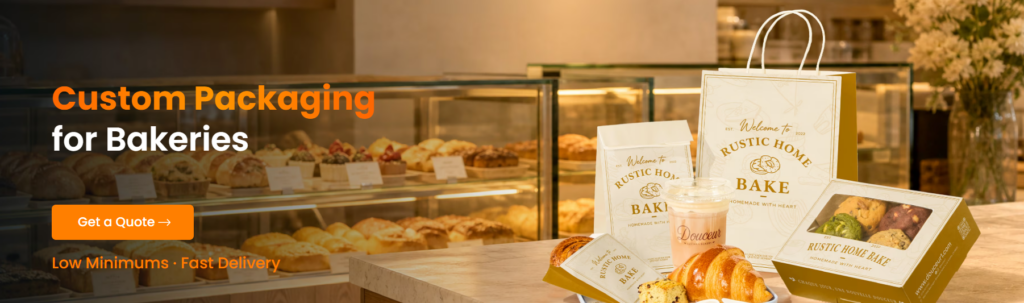
FUSENPACK is a great choice for this. They are a company that specializes in designing packaging materials and can also take care of production, storage, and transportation for you. As mentioned earlier, there are many options for bakery packaging materials, and FUSENPACK can meet all your needs. They offer a wide range of packaging materials to fulfill all your requirements in one go.