The Ultimate Korean Restaurant Packaging Guide: Elevate Your Takeout Game
By
Contents
In today’s fast-paced world, online ordering is more popular than ever. As a Korean restaurant owner, you want to ensure that your delicious dishes not only taste great but also look appealing when they arrive at your customers’ homes. The right custom packaging can make a huge difference in the overall dining experience. Let’s explore the types of packaging you need for different categories of Korean cuisine!
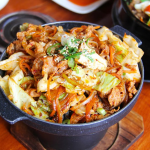
Packaging for Rice Dishes (Bibimbap, Stir-Fried Dishes)
Korean rice dishes, such as bibimbap and stir-fried dishes, are hearty and flavorful. To ensure these dishes stay fresh and presentable during transport, consider the following:
- Containers: Use sturdy, compartmentalized containers that can hold the rice and various toppings separately. This keeps the ingredients fresh and visually appealing.
- Insulation: Since these dishes are often served hot, choose packaging that offers insulation. This helps maintain the temperature and keeps the meal enjoyable for your customers.
- FUSENPACK Solutions: FUSENPACK provides eco-friendly options that not only protect your food but also reflect your commitment to sustainability. By using their packaging, you can create a positive impression on environmentally conscious customers.
Soup and Noodle Packaging
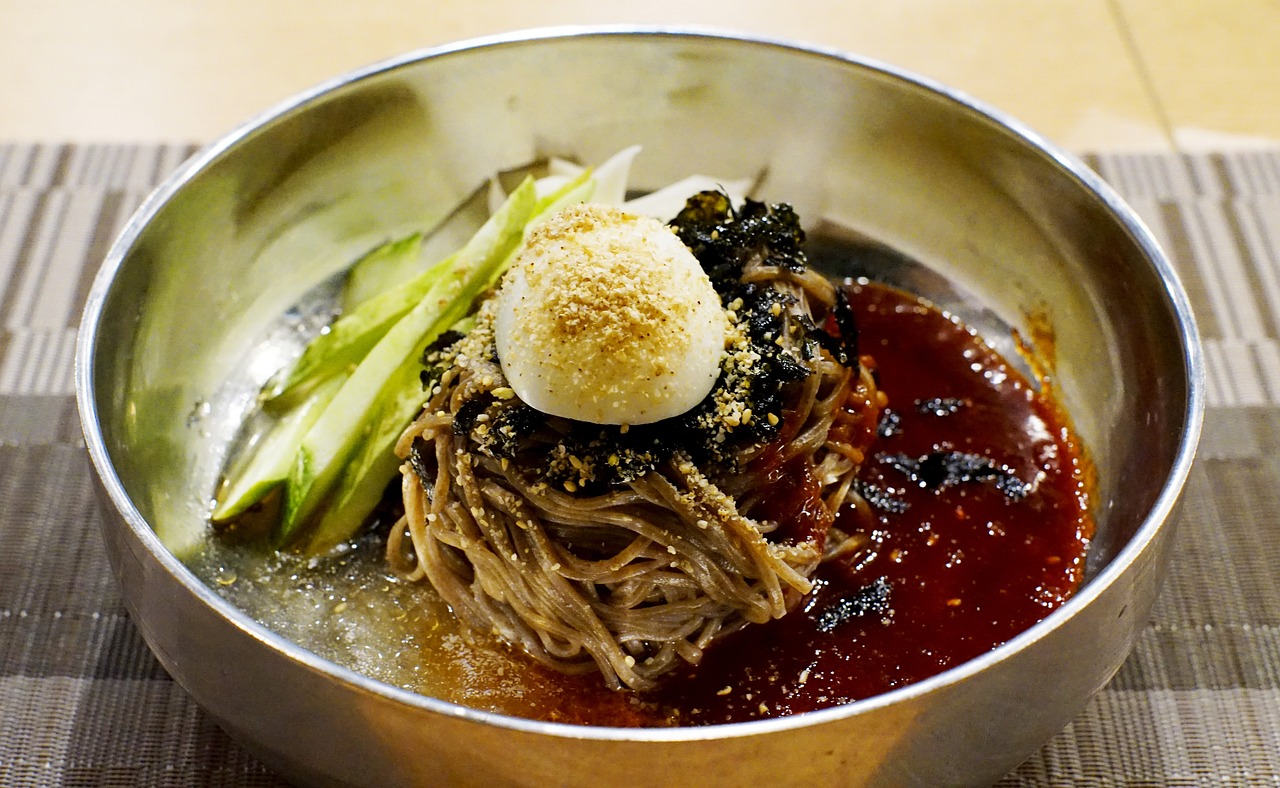
Soups, like kimchi jjigae or cold noodles (naengmyeon), are popular choices at Korean restaurants. However, they require special consideration when it comes to packaging.
- Heat Resistance: Make sure the containers are heat-resistant. This ensures that the soup stays warm and delicious, just like when it’s served in your restaurant.
- Sealing: Choose containers with tight seals to prevent any spills. Nobody wants a leaky soup container!
- Portion Control: Consider offering different sizes, so customers can choose according to their appetite. This flexibility can enhance their dining experience.
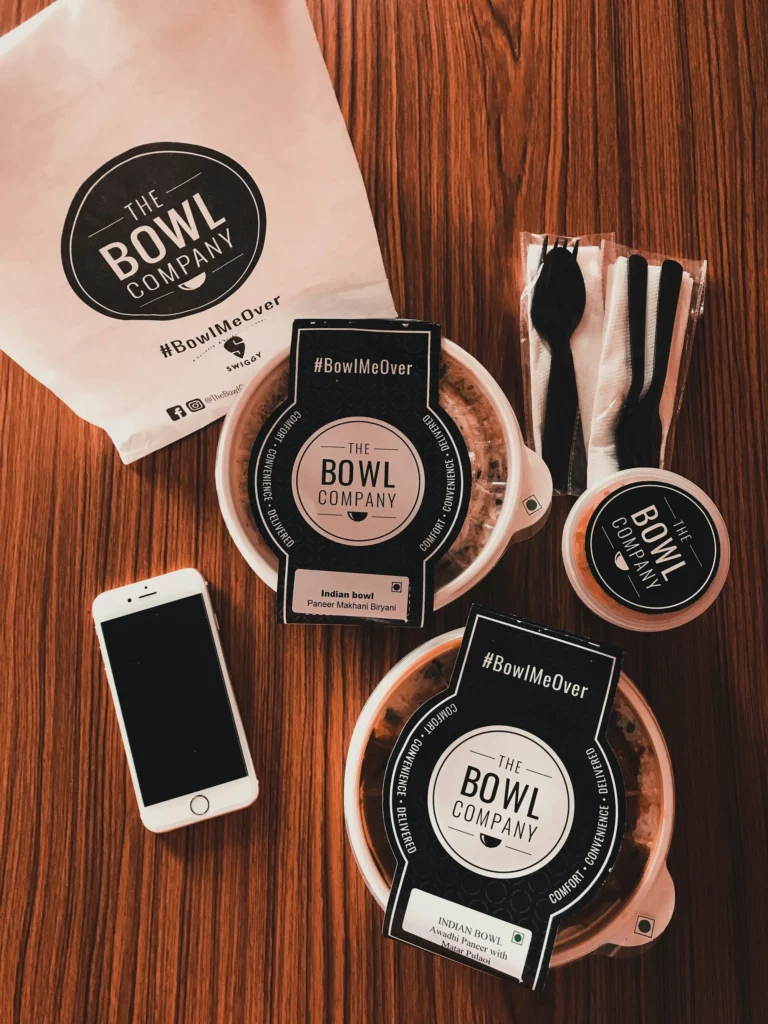
Sauce and Condiment Packaging
Korean cuisine is famous for its array of side dishes and dipping sauces, such as gochujang, sesame oil, and kimchi. Here’s how to package these essential items:
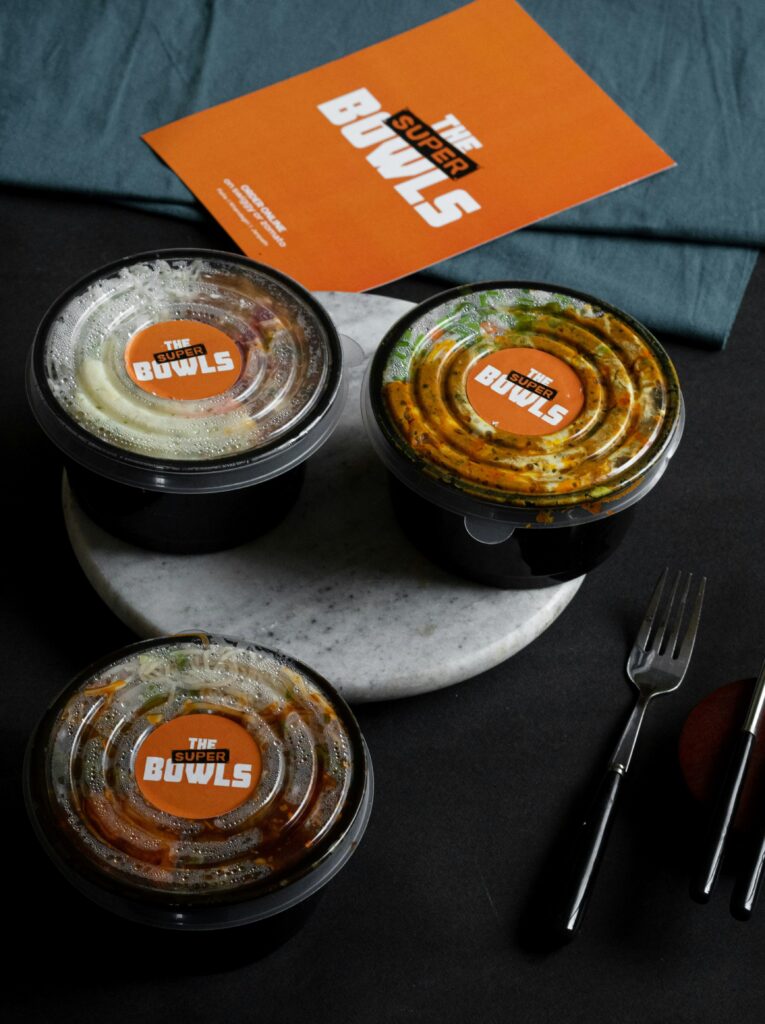
- Small Containers: Use small, leak-proof containers for sauces and condiments. This makes it easy for customers to enjoy the flavors that accompany their meals.
- Labels: Consider labeling each sauce container with its name or flavor. This helps customers easily identify their favorites, enhancing their overall experience.
- Brand Visibility: By using branded packaging for your sauces, you reinforce your restaurant’s identity and encourage customers to return for more.
Dessert Packaging
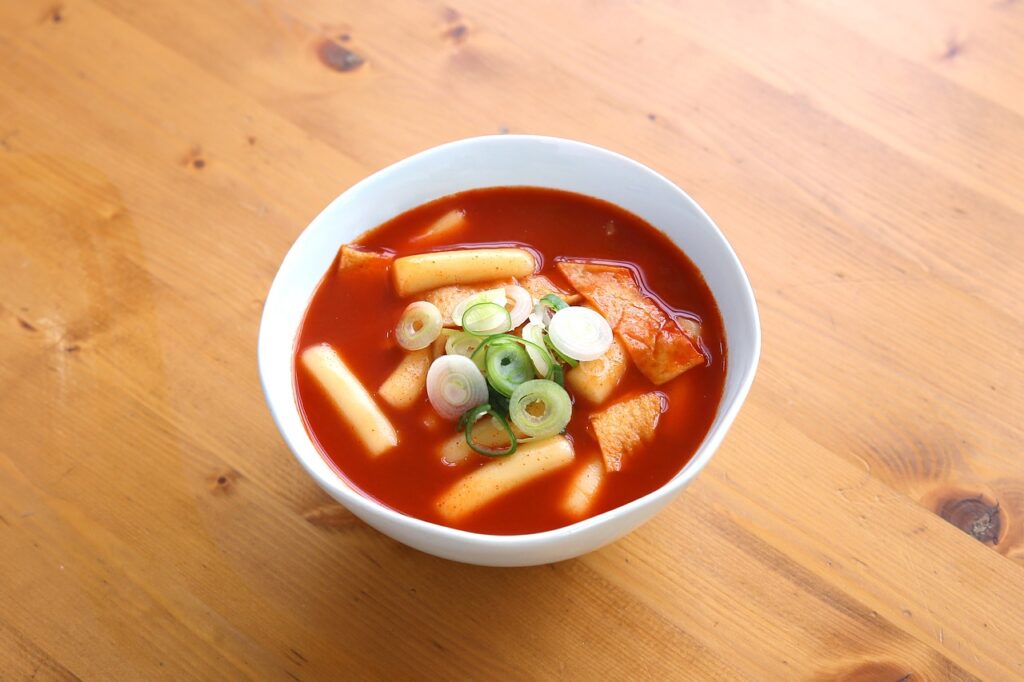
Don’t forget about dessert! Korean desserts like bingsu or rice cakes (tteok) deserve special attention too.
- Clear Containers: Use clear packaging to showcase the vibrant colors and textures of your desserts. This visual appeal can entice customers to make a purchase.
- Secure Sealing: Ensure that the packaging keeps the desserts fresh and intact during transport. Proper sealing is essential to prevent messes.
- Eco-Friendly Options: Choosing sustainable materials not only helps the environment but also attracts customers who value eco-conscious choices.
Additional Considerations for Effective Packaging
- Custom Branding: Incorporate your restaurant’s logo and colors into your packaging. This creates a cohesive brand image and makes your products easily recognizable.
- User-Friendly Design: Ensure your packaging is easy to open and handle. Customers appreciate convenience, especially when they’re enjoying takeout at home.
- Partnership with FUSENPACK: Consider collaborating with FUSENPACK for innovative and sustainable packaging solutions. Their expertise in eco-friendly materials can help you find the best options for your restaurant.
Conclusion
Incorporating the right packaging for your Korean restaurant is essential for enhancing the takeout experience. From rice dishes to soups, sauces, and desserts, each category requires careful consideration to ensure quality and presentation.
By partnering with FUSENPACK, you can access sustainable packaging options that not only protect your food but also resonate with today’s eco-conscious consumers. With the right packaging in place, you’ll elevate your restaurant’s takeout game and leave a lasting impression on your customers.
So, take a moment to evaluate your current packaging and see where improvements can be made. With these tips in hand, you’re well on your way to creating an unforgettable takeout experience that keeps customers coming back for more!