How Restaurants Make Salads Irresistibly Tasty
By
Contents
Ever wondered why restaurant salads often taste fresher, crunchier, and more perfectly balanced than the ones you make at home? Professional chefs skillfully combine technique, precision, and presentation to transform simple greens into menu-worthy experiences.
But there’s a crucial element often overlooked: the premium impression extends beyond what’s in the bowl. It includes how the salad is packaged, stored, and presented, especially in today’s delivery-focused dining landscape. Therefore, with eco-friendly custom food packaging, your salad can be stunning and taste as fresh in a nice takeout box.
Professional Ingredient Preparation
The Cold Chain: Temperature Control is Non-Negotiable
Restaurants maintain a strict “cold chain,” keeping salad ingredients consistently between 34–36°F (1–2°C) in dedicated refrigeration. This preserves optimal texture and prevents wilting.
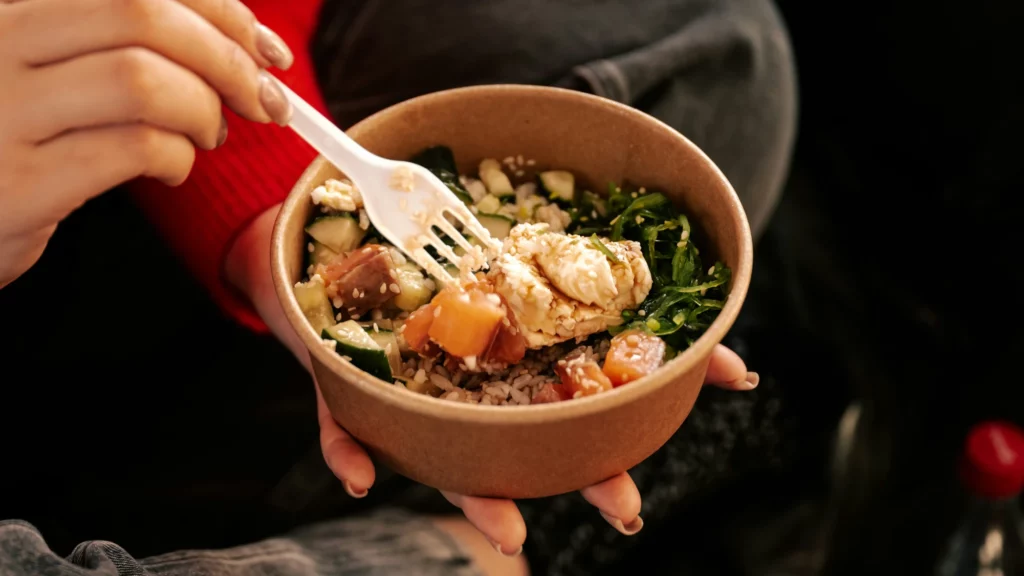
For takeout, maintaining that freshness goes beyond kitchen storage—your to-go containers need to help insulate cold foods effectively. Fusenpack’s paper-based salad bowls are designed to help keep greens crisp during transit.
Proper Washing and Drying Techniques
Restaurant chefs are meticulous about moisture management. Greens are often triple-washed, thoroughly spun-dry, and stored in breathable containers to ward off any sogginess.
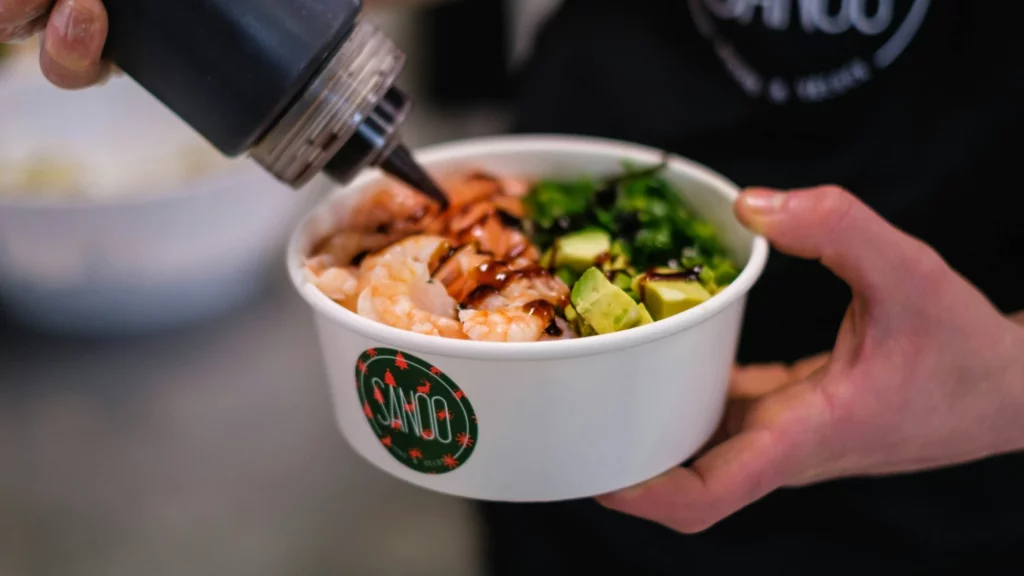
Want to achieve that same crispness in your delivery orders? Fusenpack offers breathable, grease-resistant packaging options, like our versatile Custom Paper Take-Out Box. This type of packaging helps maintain salad integrity by reducing trapped steam and preventing moisture from compromising textures.
The Art of Dressing
House-Made Dressings with Quality Ingredients
Savvy restaurants typically skip bottled dressings, opting instead to blend their own using high-quality olive oils, vinegars, and fresh aromatics for superior flavor.
Perfect Emulsification and Ratios
Professional chefs understand that proper emulsification creates dressings that cling perfectly to leaves without drenching them. They also know the ideal dressing-to-green ratio (typically around 1–1.5 tbsp per 2 cups of greens).
When packaging, consider using slightly larger containers that allow customers to easily toss the salad themselves. Alternatively, shaker-style boxes enable convenient in-box mixing without the mess. Fusenpack provides a variety of container sizes and styles to suit these different needs.
Balancing Flavors and Textures
The Five-Element Formula for Success
Exceptional restaurant salads often achieve a harmonious balance through a mix of:
- Base: Mixed greens or specialty lettuces
- Crunch: Seeds, nuts, croutons, or crisp vegetables
- Creaminess: Cheese, avocado, or creamy dressings
- Sweetness: Fruits, candied nuts, or a touch of sweetness in the dressing
- Acidity: Vinaigrettes, citrus, or pickled components
Seasoning at Every Step
Great salads are seasoned thoughtfully in layers. Greens, roasted vegetables, proteins—each component is often seasoned individually before being combined.
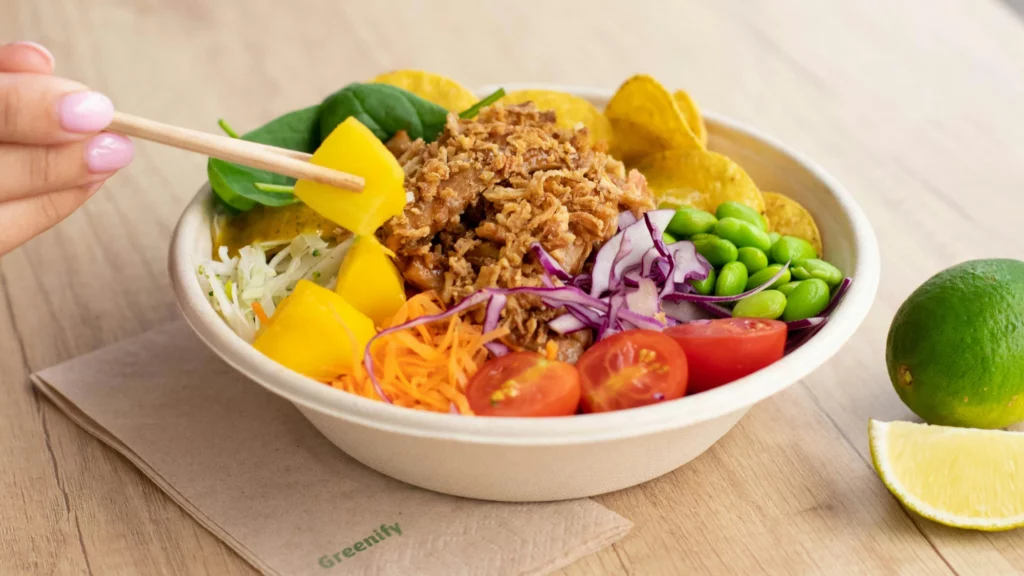
Want to ensure that vibrant flavor holds up, even after 20 minutes in transit? Fusenpack’s leak-resistant containers are designed to combat excess moisture pooling at the bottom, helping every bite remain as flavorful as intended.
Presentation and Packaging in Delivery
Mastering Temperature Contrasts
Restaurants often create appealing contrasts by topping cool salads with warm proteins or roasted veggies. Unfortunately, this delightful contrast can be lost with inadequate packaging.
Chilled Serving Vessels for In-House Dining
Fine dining establishments often chill their plates or bowls to maintain the salad’s freshness right up to the first bite. For an elevated dine-in experience, consider storing serving vessels in the refrigerator before plating.
Planning to serve both dine-in and takeout customers? Fusenpack’s versatile packaging supports both formats seamlessly, ensuring consistent branding and quality presentation across all your service channels.
FAQs:
- Are Plastic To-Go Containers Microwavable?
Yes, containers made from polypropylene (PP) are generally microwave-safe and are a great choice for holding warm salad components like grilled chicken. Fusenpack’s plastic container series includes microwave-safe PP bowls and containers suitable for dishes requiring dual temperatures.
- How Far in Advance Can I Prep Salad Ingredients?
Restaurants typically prep components separately. Properly washed and thoroughly dried greens can last up to 3 days when stored correctly. Dressings can often be made up to a week ahead. However, always assemble the final salad just before serving or packing for delivery to ensure maximum freshness.
- Why Do Restaurant Croutons Taste Better?
They’re often made in-house using quality artisan bread, tossed with fresh garlic, olive oil, herbs, and then baked to perfect crispiness. Consider offering your house-made croutons in a separate, branded pouch from Fusenpack for delivery orders – it adds a premium touch and guarantees crunch.
- What’s the Secret to Restaurant-Style Caesar Salads?
An authentic Caesar hinges on the dressing—traditionally made with egg yolk, anchovies, garlic, Dijon, lemon, Worcestershire, and Parmesan, emulsified perfectly. Presentation also counts: often whole romaine leaves, hand-shaved cheese.
Conclusion
The magic of a truly great restaurant salad lies in the thoughtful technique, careful balance, and meticulous attention to detail. But in today’s hybrid world of dine-in, takeout, and delivery, preserving that freshness extends far beyond the kitchen pass.
From complimentary custom design services and eco-friendly material options to custom printed salad boxes and free storage solutions, Fusenpack supports your entire packaging journey.
Visit Fusenpack.com today to explore our range of salad-ready packaging solutions, submit a custom inquiry, and receive your free design concepts—typically within 48 hours.