Custom Hot Dog Packaging: Box vs Tray — Which One Actually Works Best?
By
Contents
- Key Takeaways
- 1. The first decision is not design. It is service style.
- 2. Box vs tray: what each format does well
- 3. Why hot dog packaging fails in real life
- 4. Size matters more than most people think
- 5. Material and coating: what actually matters
- 6. When branding helps, and when it does not
- 7. What buyers should ask before ordering
- 8. The simplest rule for choosing box or tray
- FAQ
- Conclusion
Custom hot dog packaging is not just about putting a hot dog in a box or tray. It is about choosing packaging that keeps the food intact, handles grease and steam, and fits the way your business actually serves customers. For restaurants, food trucks, and takeout operations, the right package can make the difference between an order that arrives neatly and one that turns soggy, messy, or crushed.
Key Takeaways
- Custom hot dog packaging should be chosen by service style first, not by looks.
- Boxes are better for delivery and takeout. Trays are better for speed and open service.
- Steam, grease, and fit are the three things that usually make hot dog packaging fail.
- The right package should match how your food moves through the line, the bag, and the customer’s hands.
1. The first decision is not design. It is service style.
When people search for custom hot dog packaging, they usually think they are choosing a box. They are not. They are choosing a system for how the food will be served, carried, and eaten.
That is why the first question is simple: does the hot dog need to travel, or does it need to move fast?
If the order is going into delivery bags, takeout carriers, or stacked multi-item orders, a box usually makes more sense. It keeps the hot dog together and gives the order more structure.
If the food is being handed over fast at a food truck, stadium stand, concession counter, or event booth, a tray is often the better tool. It is open, quick, and easy to serve from.
That is the real fork in the road. Not “which one looks nicer.”
2. Box vs tray: what each format does well
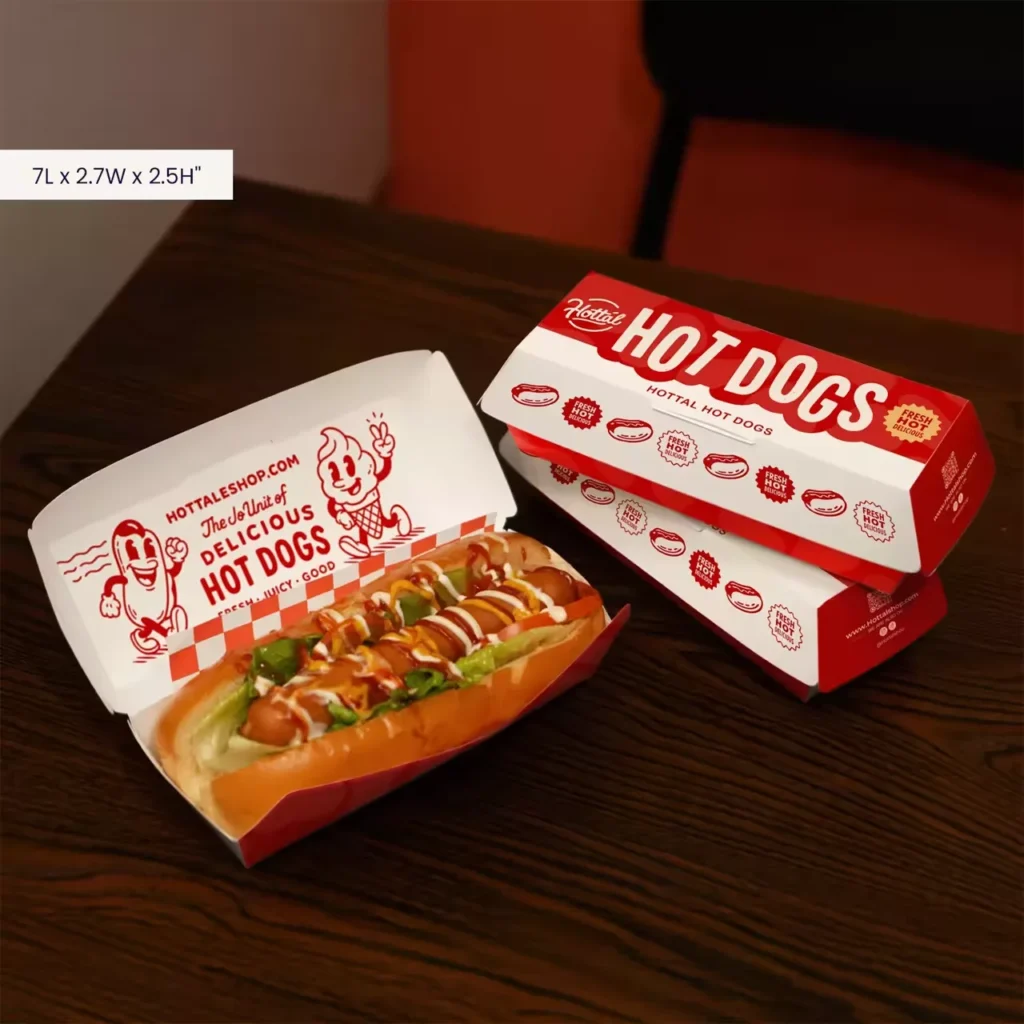
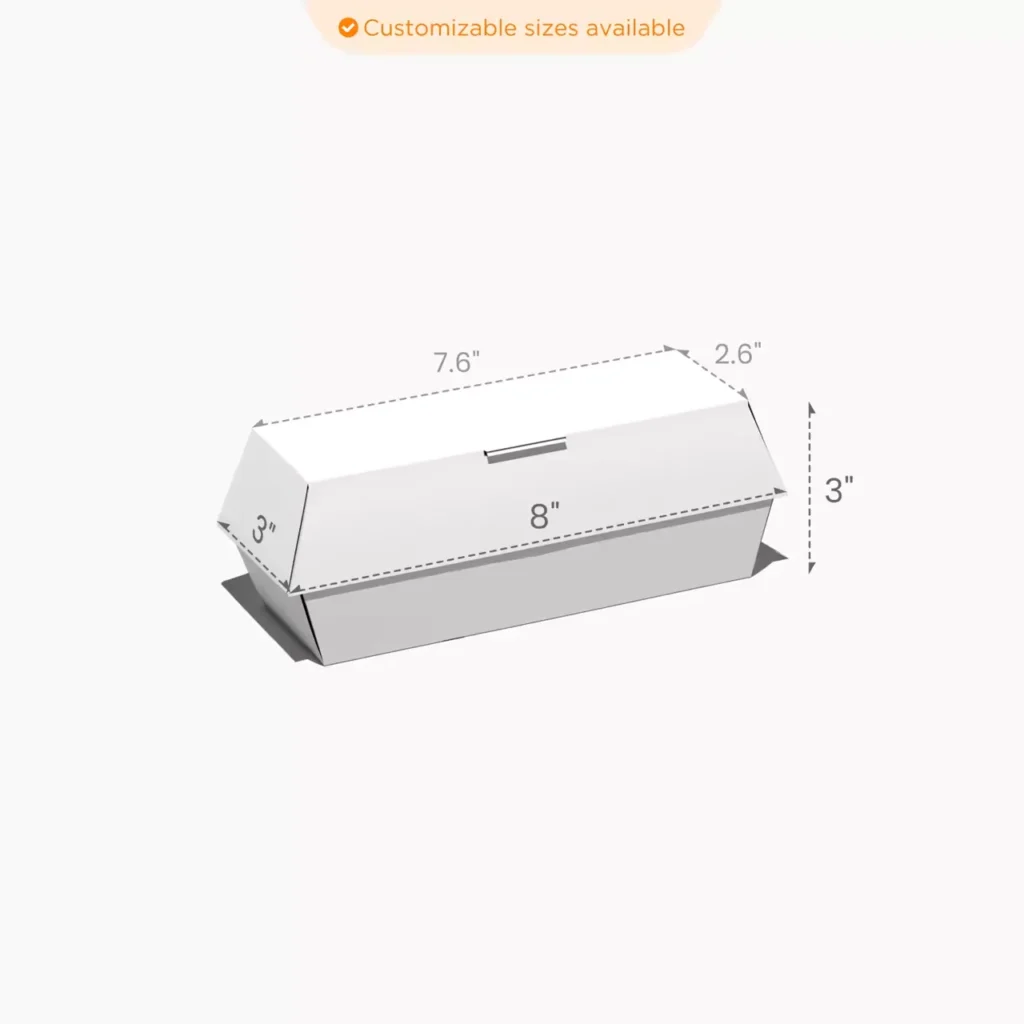
A box is about control. It helps keep the bun, sausage, and toppings in one place. It also makes the order feel more contained during delivery or takeaway.
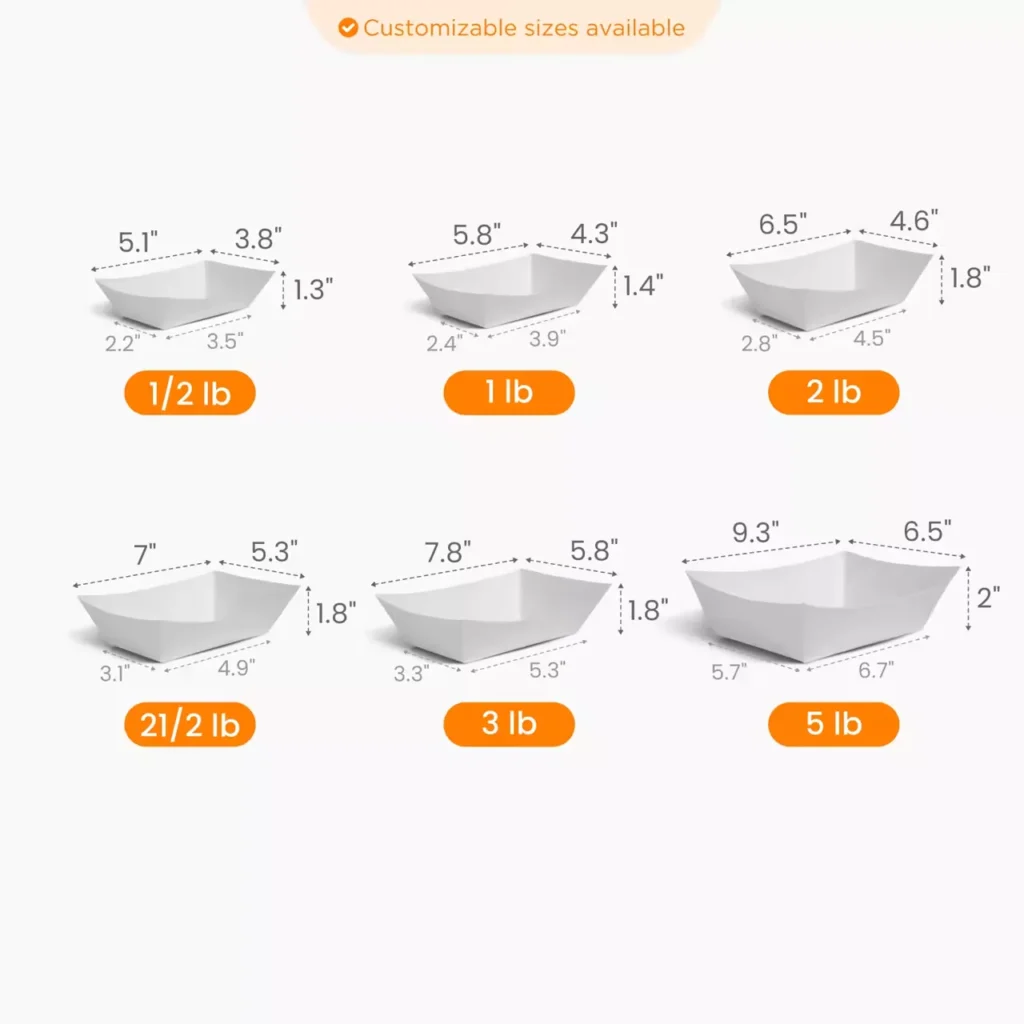
A tray is about speed. It reduces handling steps, keeps the service line moving, and makes the product easy to grab and hand off.
Here is the short version:
- Choose a box for delivery, takeout, and combo meals.
- Choose a tray for fast service, open display, and dine-in counters.
- Choose a box when the customer will carry the food for a while.
- Choose a tray when the customer will eat soon after receiving it.
This is where a lot of businesses get it wrong. They choose based on appearance and then wonder why the food shifts, softens, or feels awkward in service.
3. Why hot dog packaging fails in real life
Most packaging problems are not visual problems. They are physical problems.
Hot dogs create steam. Toppings create grease. Sauces create moisture. Then the package has to survive handling, stacking, and carrying.
Three failures show up again and again:
Steam makes the bun soft
If steam has nowhere to go, condensation builds up inside the pack. The bun softens. The package feels wet. The eating experience drops fast.
Grease stains everything
Cheap paperboard can soak through quickly. Once grease reaches the outside, the order looks messy and the brand looks cheaper than it should.
Weak structure collapses
A box that looks fine on a mockup can fail once it is filled, stacked, and moved around in a real kitchen.
That is why packaging should be tested with a real hot dog, not judged from a render.
4. Size matters more than most people think
Sizing is not just about fit. It affects waste, speed, and stability.
A package that is too large lets the hot dog slide around. A package that is too tight crushes the bun or makes loading slow.
For custom hot dog packaging, sizing should start with the food, not the template. Measure the length of the sausage, the width of the bun, and the height of the finished product with toppings. Then build the packaging around that actual use case.
That matters even more if you sell more than one style:
- classic hot dogs
- footlongs
- loaded dogs
- combo meals with sides
One “standard” size rarely fits all of those well.
5. Material and coating: what actually matters
This is the part many buyers overcomplicate. They focus on thickness numbers and forget the real question:
Will this package hold up when the food is hot, greasy, and moving?
At Fusenpack, the Custom Paper Hot Dog Box uses 350g food-grade cardboard, includes an inner coating to help prevent oil or sauce leaks, supports full-side custom printing, and is listed with MOQ 2,500, from $0.104/unit, and 8–12 weeks ETA. It also shows free design service and free storage service.
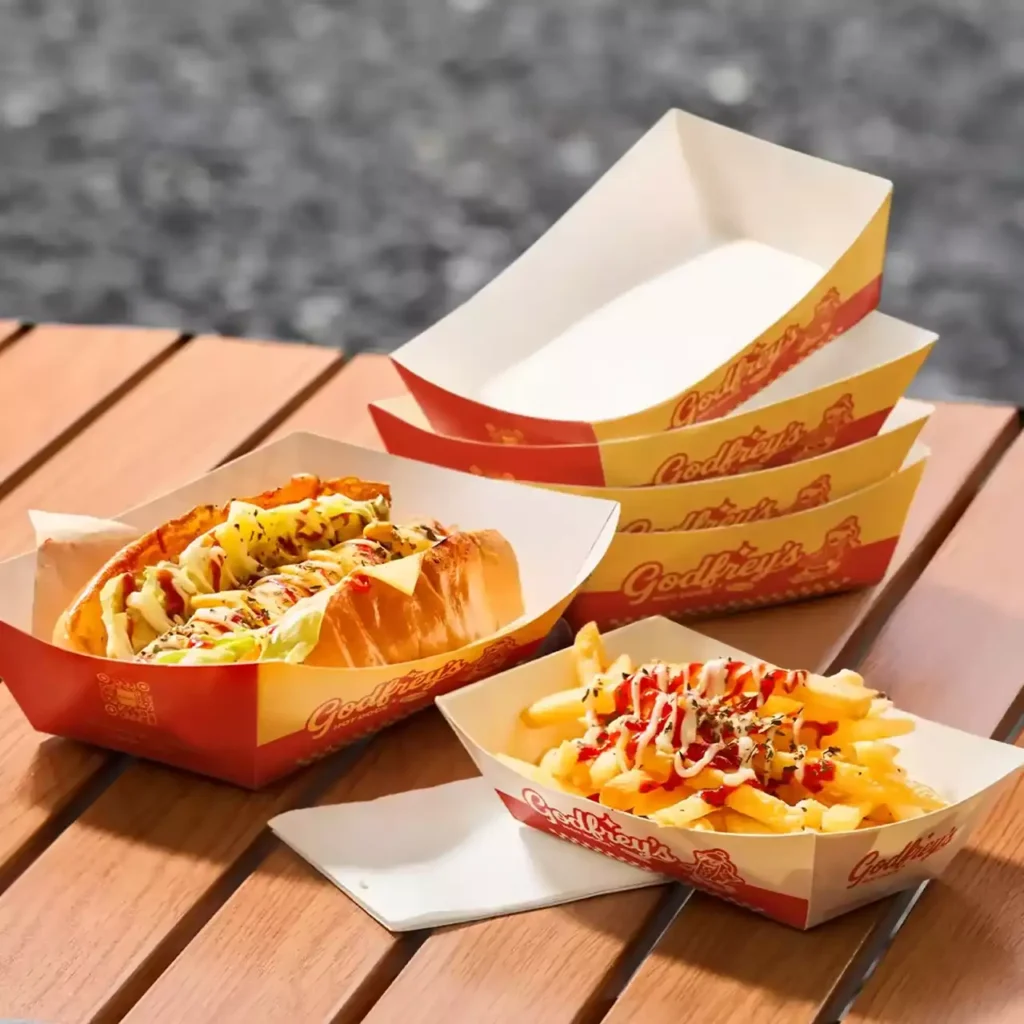
The Custom Paper Food Tray also uses 350g food-grade cardboard, with a water- and oil-resistant coating, custom sizes, FDA/FSC certifications, MOQ 5,000, from $0.053/unit, and 8–12 weeks ETA. Its product page also lists free design service and free storage service.
What matters most is not “which material sounds premium.” It is whether the packaging can handle the actual service environment:
- steam
- grease
- stacking
- carry-out
- quick handoff
6. When branding helps, and when it does not
Custom printing is useful. It helps the packaging feel like part of the brand instead of just a container.
But branding only works after performance is already solved.
A logo on a box does not fix sogginess. A nice color palette does not stop grease bleed. A clever tagline does not help if the food arrives crushed.
Use custom printing when:
- the packaging is visible to customers
- the order is likely to appear in photos
- brand recall matters
- the packaging is part of the experience
Keep it simple when:
- the package is very small
- the order volume is still low
- the design risks becoming cluttered
- speed matters more than decoration
The best packaging looks intentional, not busy.
7. What buyers should ask before ordering
If you are comparing suppliers, do not start with artwork.
Start with these questions instead:
- Will the hot dog travel?
- How long will it sit before being eaten?
- Does the food produce a lot of steam?
- Is grease a real problem?
- Do I need a fast open-and-serve format?
- Do I need one hot dog or a combo meal format?
- Is this packaging meant for takeaway, delivery, or open service?
That is the kind of thinking that leads to a better purchase.
Most bad orders do not happen because the supplier is terrible. They happen because the buyer chose the wrong format for the way the business actually works.
8. The simplest rule for choosing box or tray
If you want the fastest possible decision:
- Box = travel, structure, protection
- Tray = speed, visibility, handoff
That is the whole game.
When the food has to stay contained, choose the box.
When the line has to move, choose the tray.
FAQ
What is the difference between a hot dog box and a hot dog tray?
A box is better for travel and takeout. A tray is better for speed and open service.
How do I reduce soggy hot dog packaging?
Use a package with better moisture control, enough internal space, and a format that fits the service style.
Can I print my logo on custom hot dog packaging?
Yes. Fusenpack’s hot dog box supports full-side custom printing, and the tray supports custom printing options depending on the material and color.
What is the best material for hot dog packaging?
For many businesses, food-grade cardboard with oil resistance is a practical starting point. Fusenpack’s hot dog box and tray both use 350g food-grade cardboard.
How do I decide between custom and stock packaging?
If your volume is still small, stock packaging may be easier to start with. If brand consistency and fit matter more, custom packaging becomes more attractive.
Conclusion
Choosing custom hot dog packaging isn’t about looks—it’s about performance. The right packaging should protect the food, support fast service, and reflect your brand.
Fusenpack’s Custom Paper Hot Dog Boxes and Custom Paper Food Trays combine food-grade paperboard, custom sizing, and grease-resistant performance to meet different serving needs.