Stop Paying to Store Custom Packaging: How Restaurants Cut Inventory Costs
By
Contents
Every month your custom packaging sits in storage, it’s costing you more than you paid for it.
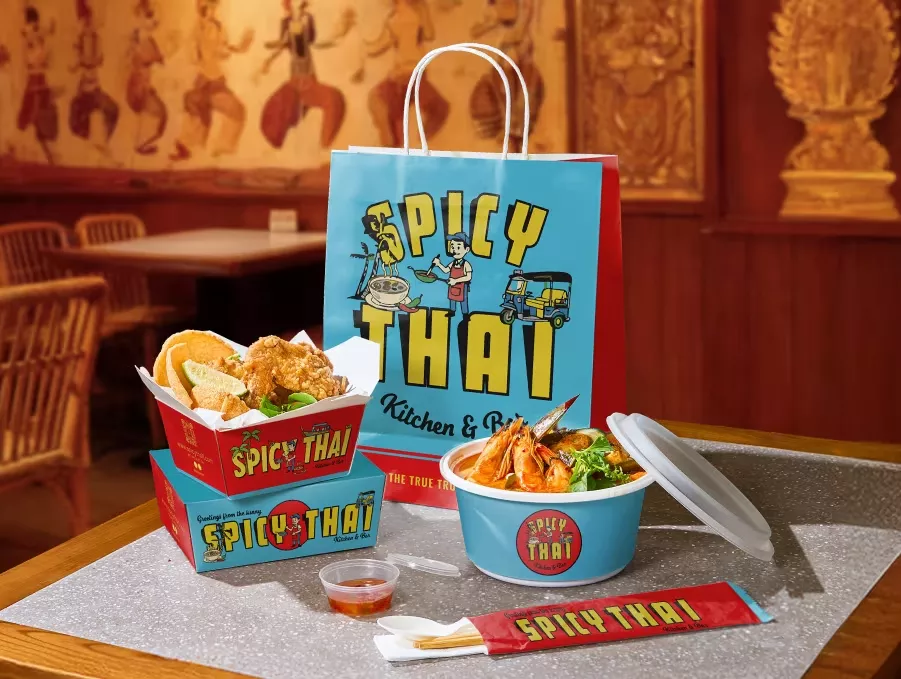
Cut inventory costs on custom packaging is a problem most restaurant operators don’t see coming. You place one order — boxes, bags, cups, containers with your logo — and the economics look solid. Lower per-unit cost at higher volume. Simple math. But the moment those boxes land in your storeroom, the real cost begins. Storage space consumed. Cash locked up. And a quiet, compounding drain that most operators never actually calculate.
The average business pays 20–30% of total inventory value per year just to hold stock. [Data source: 2026 Industry Benchmark — IHL Group, Inventory Distortion Report] On a $30,000 custom packaging order, that’s up to $9,000 annually — in a storeroom, earning nothing.
The Ordering Logic That Creates the Problem
It starts with a reasonable decision.
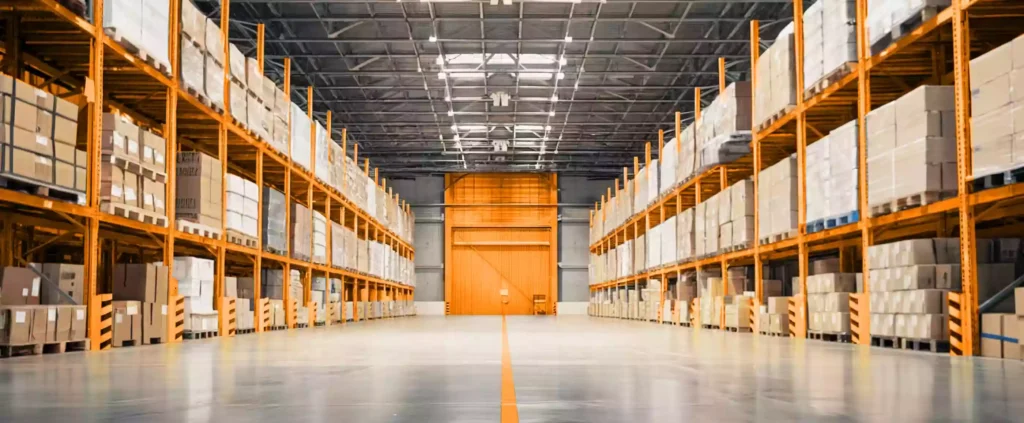
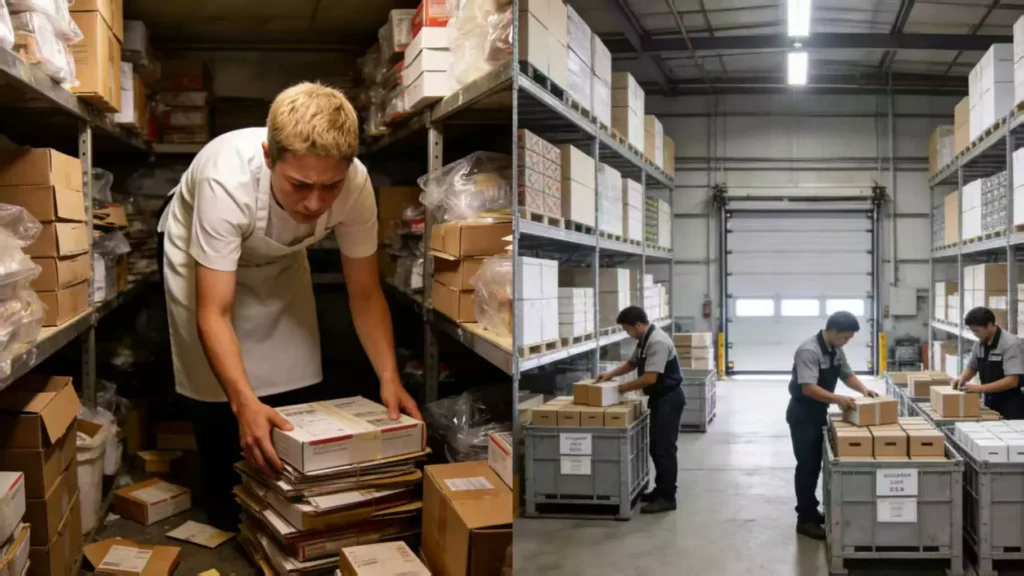
Your packaging supplier has a minimum order of 15,000 units. The per-unit price drops significantly at 20,000. So you order 20,000. You use 800 a month. That’s 25 months of supply sitting in your back-of-house — over two years of packaging stacked in space that your kitchen team needs.
This is where custom packaging inventory storage costs quietly multiply:
Space. Every square foot your branded boxes occupy is a square foot your team can’t use for prep, equipment, or service. In a restaurant, back-of-house space is among the most expensive real estate you operate.
Capital. A $30,000 packaging order paid upfront means $30,000 that isn’t paying a supplier, covering payroll, or sitting in reserve. That capital is frozen in cardboard until the last box ships. [Data source: 2026 Industry Benchmark — Deloitte Working Capital Report]
Obsolescence. Custom packaging carries a risk that generic stock doesn’t — it’s tied to your current branding, your current menu, your current business. Rebrand your restaurant. Update your logo. Launch a new concept. Every box in that storeroom just became a liability. Obsolescence costs restaurants 5–15% of packaging inventory value per year in write-offs. [Data source: 2026 Industry Benchmark — Gartner Supply Chain Survey 2025]
The Carrying Cost Your Invoice Doesn’t Show
When restaurants think about what custom packaging costs, they look at the supplier invoice. That number is incomplete.
[TABLE — The Real Cost of Holding Custom Packaging Inventory]
| Cost Component | % of Total Carrying Cost | What It Means for Restaurants |
| Capital / Opportunity Cost | 35–40% | Cash tied up in boxes can’t cover operations or growth |
| Storage / Space Cost | 20–25% | Back-of-house space has real value — packaging erases it |
| Inventory Service | 15–20% | Time spent counting stock, managing reorders, tracking expiry |
| Obsolescence / Risk | 20–25% | Rebrands, menu changes, damage make old packaging worthless |
[Data source: 2026 Industry Benchmark — APICS Supply Chain Council]
The capital cost line is the one that surprises operators most. It never shows up on a storage invoice. But cash locked in custom packaging inventory is cash that isn’t working anywhere else in the business. At 35–40% of your total carrying cost, it’s the largest single driver of the problem — and the hardest to see. [Data source: 2026 Industry Benchmark — Deloitte Working Capital Report]
The Smarter Way to Cut Inventory Costs
The fix isn’t ordering less and paying higher per-unit costs. That just trades one problem for another.
The fix is ordering at a reasonable quantity, but not taking delivery of the full order at once.
When a supplier produces your custom packaging and holds it at their facility — shipping in smaller batches as you actually need them — your storeroom stays clear, your capital stays liquid, and your obsolescence risk drops significantly. You’re never storing more than a few weeks of supply. You’re never paying to hold two years of boxes you haven’t used yet.
This model changes what “ordering in bulk” actually means. The economics of the larger order still apply. The storage problem disappears.
What Fusenpack Solves for Restaurants
Most custom packaging suppliers hand off the inventory problem to you once your order ships. Fusenpack operates differently — tailored to how restaurants actually use packaging, helping them cut inventory costs.
Here’s how it works in practice:
Restaurants order custom packaging — branded bags, boxes, cups, containers — with a 5,000-unit minimum, about half what most suppliers require.
Fusenpack makes the full order and stores it for free at their facility. Each week, they send an inventory summary: remaining units, shipments, and upcoming stock. When stock hits a set threshold, production restarts automatically. Instead of one large delivery that clogs their storeroom for months, restaurants get small, frequent shipments — usually 2-4 weeks of supply at a time, key to cut inventory costs.
Restaurants working with Fusenpack no longer use their back-of-house as a packaging warehouse; that space returns to the kitchen. Capital once tied up in large upfront packaging orders stays available for operations. And if a restaurant rebrands, updates its menu, or changes packaging design, they avoid being stuck with 14,000 obsolete, paid-for boxes — another way Fusenpack helps cut inventory costs.
Custom packaging inventory storage costs don’t vanish — but they’re no longer the restaurant’s problem to manage, letting them effectively cut inventory costs while keeping their custom packaging.