U Shape Cup: Is It the Right Choice for Your Beverage Brand?
By
Contents
- The Decision Is Not the Shape; It Is the Drink Program
- Where U-Shaped Cups Create Real Value
- Where a Straight-Wall Cup May Be the Smarter Buy
- Material, Lid, and Print Choices That Matter
- Before You Approve a Custom Order
- Think Carefully About Sustainability Claims
- Is a U Shape Cup Right for Your Business?
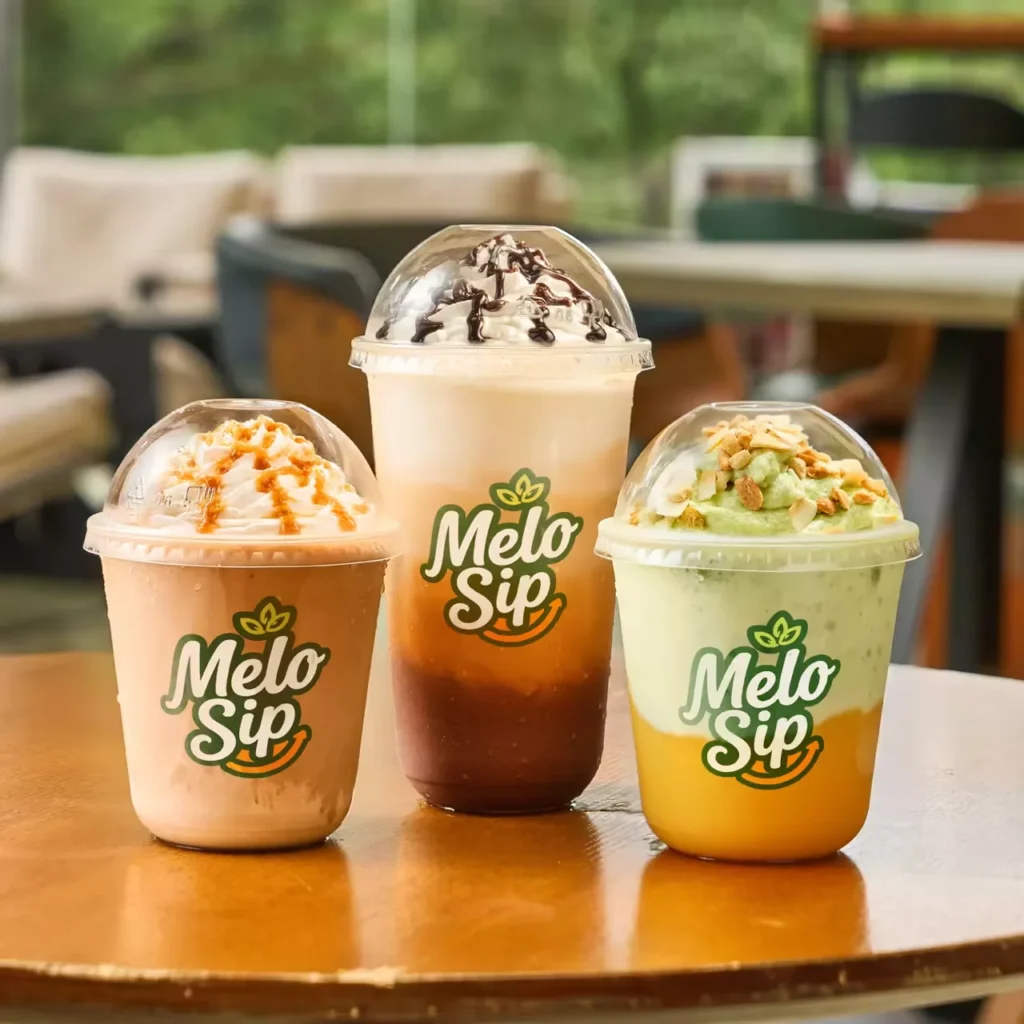
A U Shape Cup makes sense when the drink needs to sell visually before the customer takes a sip: layered fruit tea, brown sugar boba, smoothies, cheese foam, colorful toppings, or a seasonal launch designed to stand out in hand and on camera.
It is not the default best cup for every beverage business.
If your team is trying to lower packaging cost, speed up service, reduce lid SKUs, or serve mostly simple iced drinks, a regular straight-wall plastic cup may be the more practical choice. The real question is not whether a U-shaped cup looks better. It is whether the shape adds enough perceived value to justify the sourcing, lid matching, storage, and inventory work behind it.
The Decision Is Not the Shape; It Is the Drink Program
A U Shape Cup is a clear plastic cold drink cup with a rounded body that narrows toward the bottom. It is commonly used for bubble tea, fruit tea, smoothies, iced coffee, desserts, and drinks where color, layers, toppings, or texture are part of the product experience.
The silhouette is only one part of the cup system. Before you choose it, you still need to lock down material, capacity, rim diameter, lid style, straw fit, printing method, carton packing, sealing film compatibility, and carrier fit.
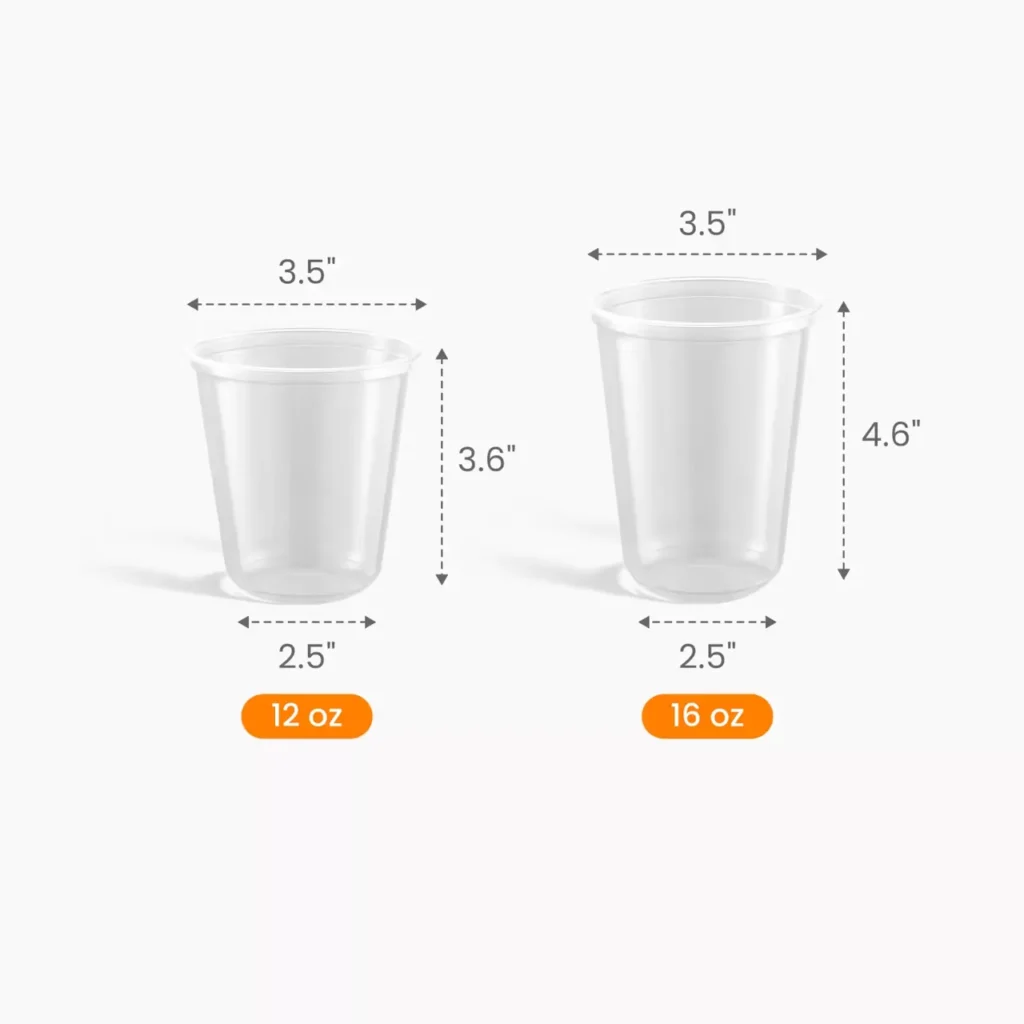
For many beverage programs, sizes such as 16 oz and 24 oz are often evaluated for boba, fruit tea, smoothies, and iced coffee. They should not be selected by habit. Portion strategy, topping volume, menu price, lid availability, and cup holder compatibility should determine the final size.
A useful sourcing comparison should place the U-shaped cup next to standard cold cups and premium boba cup formats, not treat it as an isolated design choice. Fusenpack’s Custom Clear U-Shaped Cold Cup can be reviewed alongside broader custom cup options when you are building a complete beverage packaging set.
Where U-Shaped Cups Create Real Value
U Shape Cups are strongest when the cup improves how customers read the drink at a glance. That is why they are often considered for boba shops, juice bars, dessert drinks, and limited-time beverage campaigns.
| Buying condition | Why a U Shape Cup helps | What to confirm before ordering |
| Your drinks have visible layers, fruit, pearls, foam, or toppings | The clear curved body can make color and texture more visible | Cup clarity, wall consistency, and print placement |
| Your brand sells a premium or design-led drink experience | The cup shape feels more distinctive than a basic straight-wall cup | Whether customers will pay enough to offset packaging cost |
| You plan custom logo cups for social media-led branding | The cup gives your logo a more noticeable display surface | Artwork size, ink color, logo position, and proof approval |
| You sell seasonal or limited-edition drinks | A different cup shape can help the launch feel intentional | MOQ, lead time, and whether the cup can be reused across menus |
| You want one packaging style for boba, fruit tea, and smoothies | The same cup family may support multiple cold drink lines | Capacity range, lid compatibility, and straw diameter |
The cup can make a drink easier to photograph and more consistent with a visual brand system. It cannot create demand on its own. The beverage, price, store experience, and repeat purchase still do the commercial work.
Where a Straight-Wall Cup May Be the Smarter Buy
A U Shape Cup can look more premium and still be the wrong operational choice.
For high-volume takeaway, a regular straight-wall cup is often easier to standardize. It usually stacks efficiently, may work with more common lid systems, and can reduce staff confusion during rush periods.
| Operating priority | U Shape Cup | Regular straight-wall plastic cup |
| Visual presentation | Stronger for layered and colorful drinks | More basic, less distinctive |
| Lid inventory | May require specific matching lids | Often easier to standardize |
| Storage efficiency | Can take more planning depending on shape and carton | Usually simpler to stack and store |
| Delivery setup | Needs lid, sealing, carrier, and bag validation | Easier to fit into existing systems |
| Cost control | Total cost includes cup, lid, printing, cartons, and storage | Usually easier to control for daily volume |
| Best buying trigger | Menu upgrade, brand relaunch, premium cold drinks | High-volume daily service, simple drinks, price-sensitive menus |
Delay U Shape Cups if most of your menu is basic iced tea, fountain drinks, simple iced coffee, or low-margin takeaway. In those cases, customers may not notice the packaging upgrade enough to justify the added complexity.
Delivery-heavy brands need an extra round of validation. Delivery performance depends on rim tolerance, lid fit, sealing film, cup wall strength, drink viscosity, headspace, carrier design, and bag handling. The shape alone does not prevent leaks.
Material, Lid, and Print Choices That Matter
Choosing the right U Shape Cup starts with the material.
| Material | Best For | Keep in Mind |
|---|---|---|
| PET | Cold drinks, fruit tea, iced coffee, smoothies | Crystal clear; not for hot drinks |
| PP | Cold drinks needing extra toughness or higher heat resistance | Check the product’s temperature rating |
| PLA | Plant-based or compostable cold drink programs | Compostability depends on certified materials and proper facilities |
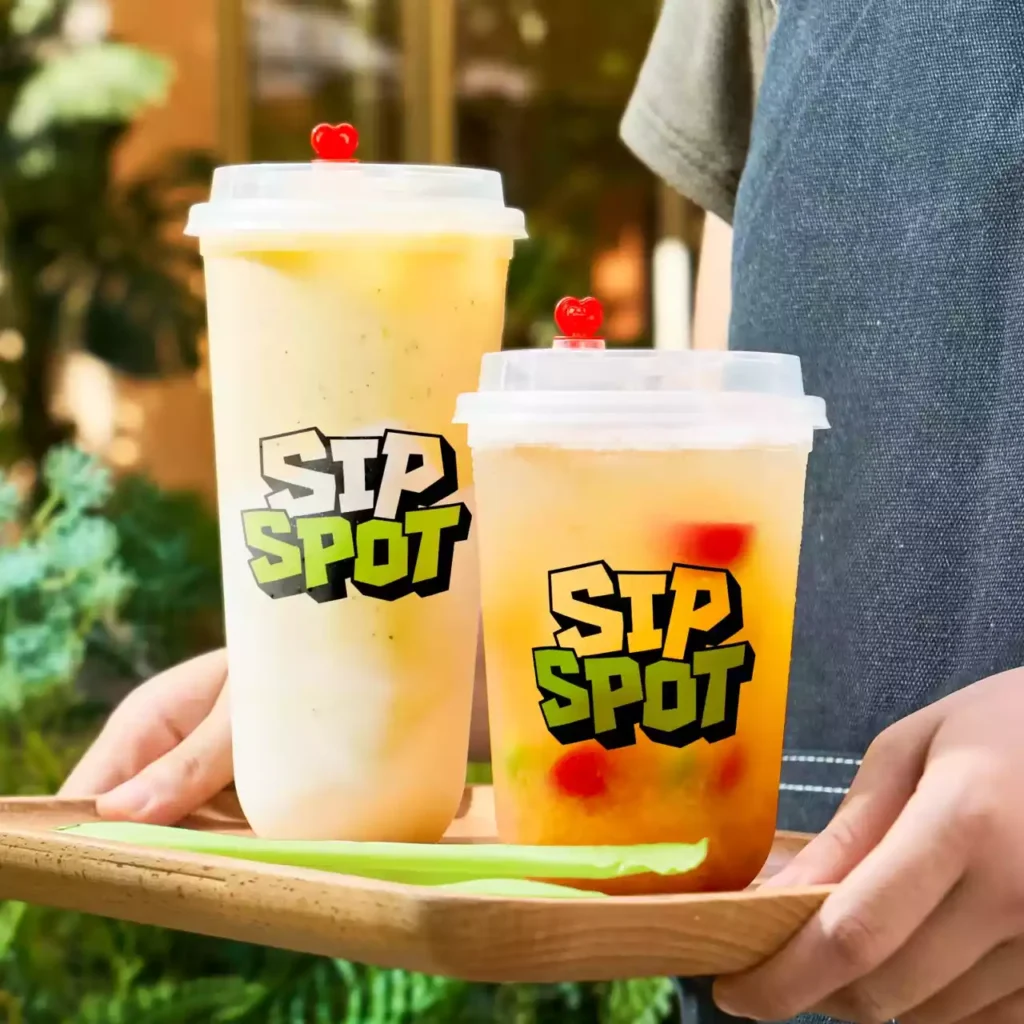
PET is the most common choice because its high clarity showcases colorful drinks and toppings. PP offers greater durability and better heat resistance, while PLA suits brands looking for more sustainable packaging options.
The right lid is just as important.
- Flat lids — iced coffee, fruit tea, and standard cold drinks
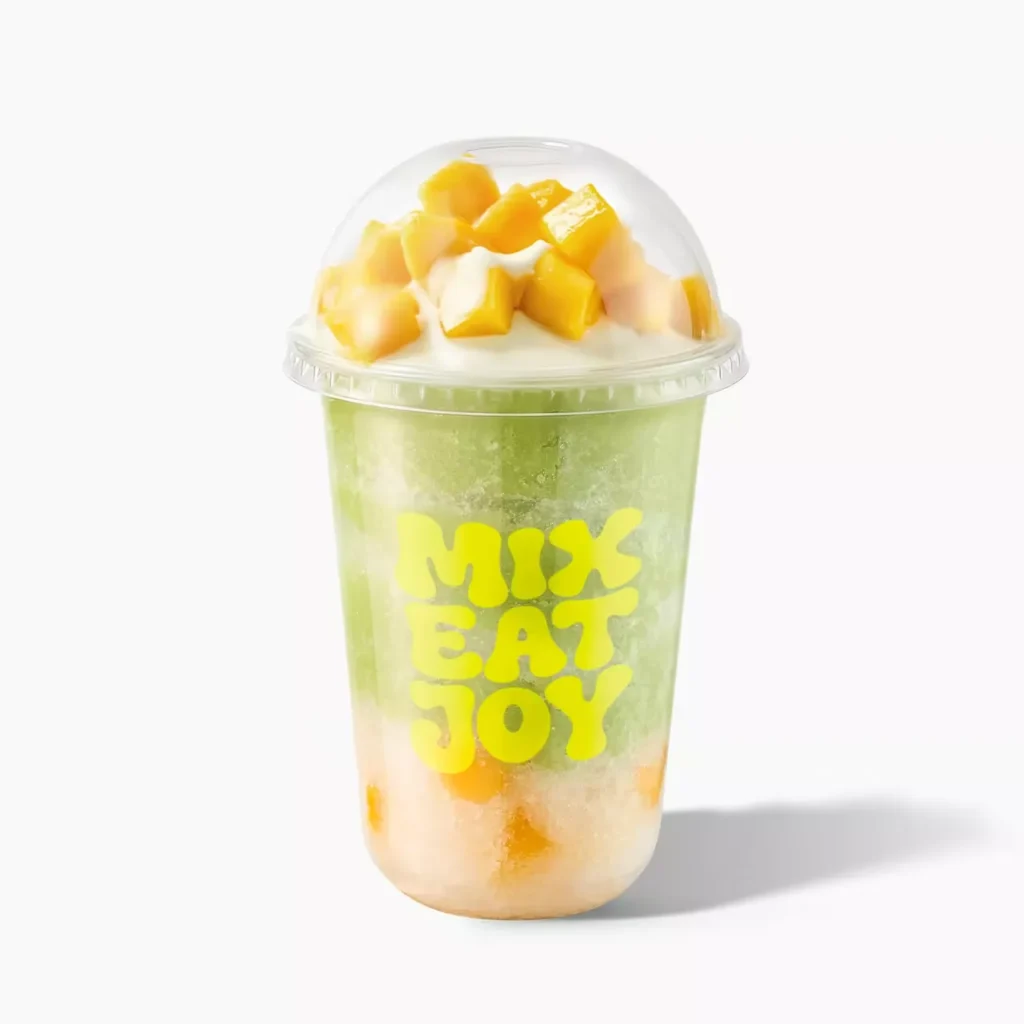
- Dome lids — whipped cream, cheese foam, fruit, and desserts
- Sealing film — widely used for bubble tea to help reduce spills
Before placing an order, confirm:
- Cup size and matching lid
- Straw hole or sealing film compatibility
- Straw size for pearls or toppings
- Dome lid height (if needed)
- Cup carrier and drink bag compatibility
For custom branding, screen printing works well for simple logos, while full-wrap printing is better for colorful designs. Hot stamping can add a premium finish when it matches your brand. For artwork preparation, see Fusenpack’s guide on how to put a logo on a plastic cup.
Before You Approve a Custom Order
Do not move a custom U Shape Cup into mass production just because the mockup looks good. The sample has to answer service, sealing, delivery, and branding questions.
Use this checklist before approving the order:
| Check item | Why it matters | What to ask or test |
| Cup clarity | Cloudy plastic weakens the visual value of the cup | Compare sample clarity with your actual drinks |
| Rim and lid fit | Poor fit can cause leaks or loose lids | Test flat lid, dome lid, and sealing film if applicable |
| Stack release | Cups that stick slow down service | Have staff pull cups during a simulated rush period |
| Logo position | Curved surfaces affect visual alignment | Approve a physical or production-equivalent proof |
| Print durability | Ink quality affects brand appearance | Ask the supplier how printed samples are checked for rubbing, scuffing, and handling wear before shipment |
| Sealing film compatibility | Bubble tea operations depend on seal consistency | Test with your sealing machine and film |
| Carrier fit | Delivery and takeaway need stable handling | Check cup holders, drink carriers, and bags |
| Carton packing | Storage and freight affect total cost | Ask for pieces per carton, carton size, and packing method |
The cup price is only one part of the cost. Add matching lids, sealing film, straws, custom printing setup, sample or proof cost, carton volume, warehouse space, freight, and waste from misfit lids or rejected prints.
For a faster quote, provide: cup size, material, lid type, artwork, print colors, and order quantity.
You can submit these through Fusenpack’s request for quotation page.
Think Carefully About Sustainability Claims
PET and PP are recyclable materials, but that doesn’t mean every used cup will be recycled. Recycling depends on local collection programs and how the cup is sorted after use. It’s safer to describe the material as “Made from PET” or “Made from PP” rather than implying the finished cup is always recyclable.
If you’re using recycled-content PET (PCR) or PLA, ask your supplier for supporting documentation before making environmental claims. For food-contact packaging, recycled materials should comply with applicable food safety requirements, and compostable claims should match recognized standards such as ASTM D6400.
Clear, accurate wording helps build trust and reduces compliance risks.
Is a U Shape Cup Right for Your Business?
A U Shape Cup is a great choice if your drinks rely on visual appeal, premium presentation, and custom branding. If your priority is low cost, simple operations, and high-volume service, a standard straight-wall cup may be the better option.
Before placing a bulk order, test samples with your actual drinks, lids, and sealing equipment. Comparing the complete packaging system—not just the cup price—will help you make a better decision.
Fusenpack can help you choose the right combination of U-shaped cups, standard cold cups, lids, straws, and other beverage packaging for your business.