Are Paper Bags Better Than Plastic? Which is Greener?
By
Contents
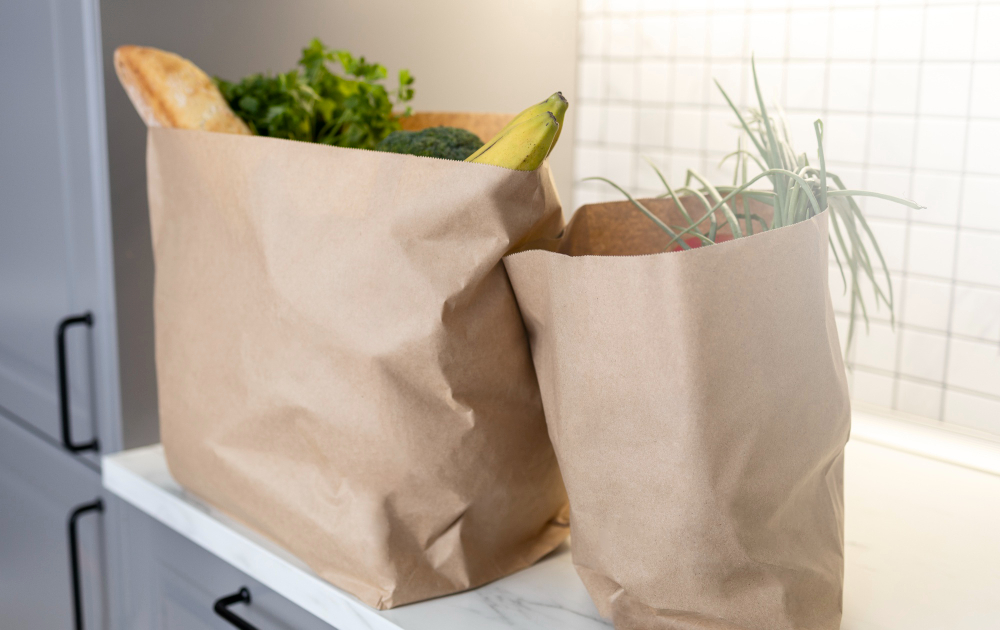
In the ongoing debate over environmental sustainability, the choice between paper and plastic bags has been a focal point. Consumers and businesses alike are striving to make eco-friendly decisions, but determining which option is truly greener requires a comprehensive analysis. This article shows the environmental impacts, production processes, and sustainability factors associated with both paper and plastic bags, providing insights to guide informed choices.
Environmental Impact of Paper Bags
Production and Resource Consumption
Paper bags are primarily made from wood pulp, necessitating the felling of trees. This process contributes to deforestation, loss of biodiversity, and increased carbon emissions. Additionally, paper production is resource-intensive, consuming significant amounts of water and energy. According to studies, manufacturing a paper bag requires about four times more energy than producing a plastic bag.
Degradation and Pollution
While paper bags are biodegradable and decompose faster than plastic, their degradation process can still release greenhouse gases, such as methane, especially in anaerobic landfill conditions. Moreover, the chemicals used in paper production can lead to water pollution if not properly managed.
Environmental Impact of Plastic Bags
Production and Resource Consumption
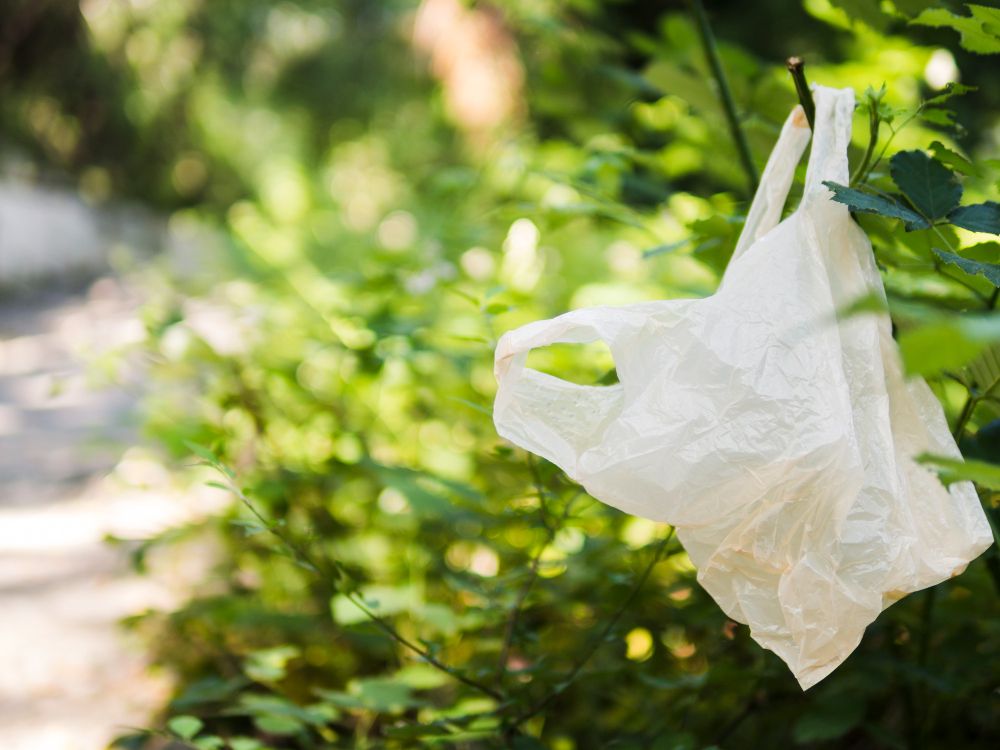
Plastic bags are derived from petroleum, a non-renewable resource. The extraction and refining processes are energy-intensive and contribute to environmental degradation. However, the actual manufacturing of plastic bags is less resource-demanding compared to paper bags, requiring less water and energy.
Degradation and Pollution
Plastic bags are notorious for their persistence in the environment, taking hundreds of years to decompose. They contribute significantly to pollution, often ending up in oceans and harming marine life. The accumulation of plastic waste has led to severe ecological consequences, prompting global movements to reduce plastic usage.
Comparative Analysis: Paper vs. Plastic Bags
When evaluating the environmental impact of paper and plastic bags, several key factors come into play: carbon footprint, reusability and durability, and waste management and recycling. Here’s a comparative overview:
| Aspect | Paper Bags | Plastic Bags |
| Carbon Footprint | Production is energy-intensive, consuming more water and energy, leading to higher greenhouse gas emissions. | Lower carbon footprint during production; however, environmental persistence poses long-term ecological risks. |
| Reusability & Durability | Less durable; prone to tearing; limited reusability. | More durable |
| Waste Management & Recycling | More commonly recycled; established recycling systems; biodegradable, decomposing faster than plastic bags. | Less frequently recycled; can persist in the environment for hundreds of years. |
The Rise of Reusable Bags
Environmental Benefits
Reusable bags, made from materials like cotton, jute, or woven synthetics, offer a sustainable alternative to single-use paper and plastic bags. They reduce the demand for disposable bags and minimize environmental pollution.
Considerations for Use
The production of reusable bags requires more resources; for instance, cotton bags need substantial water for cultivation. Therefore, to offset the environmental impact, reusable bags must be used multiple times—studies suggest at least 50 uses—to be considered more sustainable than single-use options.
Fusenpack: Eco-Friendly Packaging Solutions
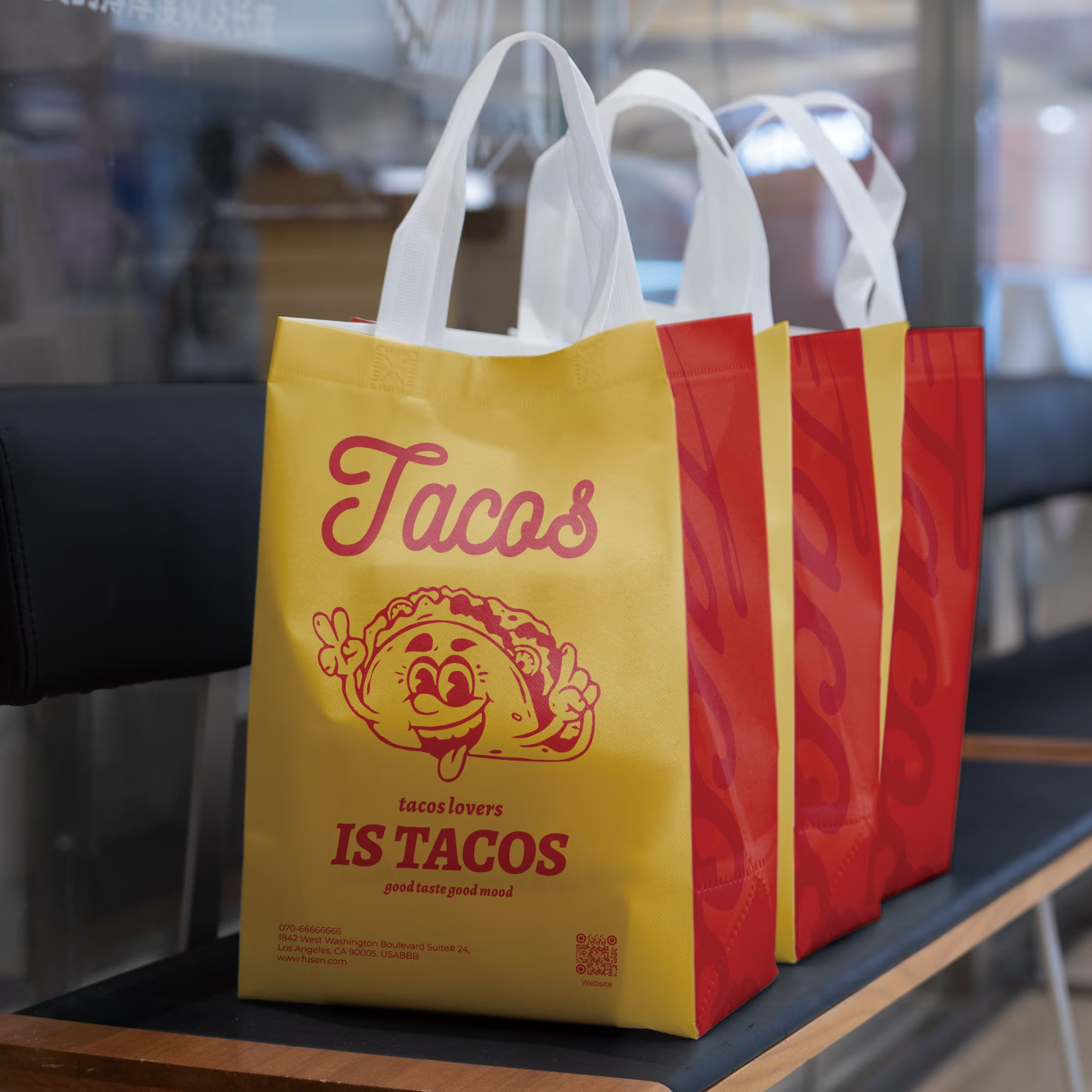
Fusenpack specializes in providing high-quality custom food packaging for small and medium-sized restaurants. Their focus on free, innovative designs, eco-friendly materials, and exceptional quality positions them as a leader in sustainable packaging solutions.
Services and Features
- Free Design Service: Fusenpack’s expert team, utilizing advanced AI, crafts tailored packaging designs that align with each brand’s identity.
- Your Custom Store: Clients can explore their Custom Store to preview designs for all their custom restaurant packaging needs, ensuring satisfaction before production.
- Free Storage & Management: Fusenpack offers free storage and provides weekly stock summaries, streamlining inventory management for businesses.
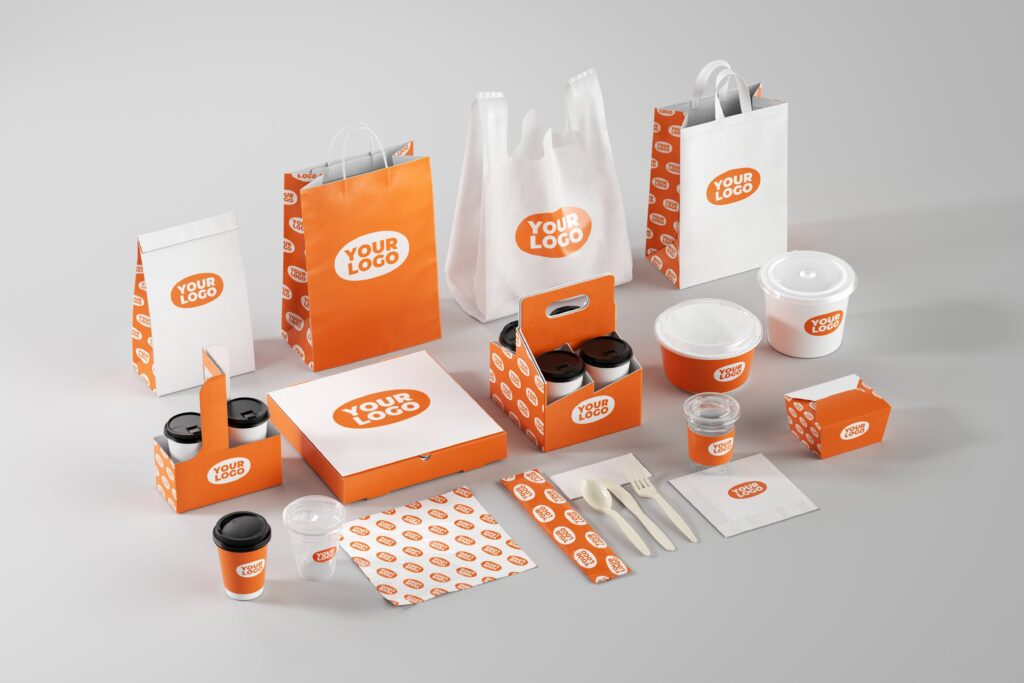
Fusenpack’s dedication to using eco-friendly materials ensures that their products not only meet the functional needs of clients but also contribute positively to environmental conservation.
Conclusion
While paper bags are biodegradable and derived from renewable resources, their production is resource-intensive. Plastic bags, though less demanding in production, pose significant environmental hazards due to their persistence and pollution potential. Reusable bags emerge as a sustainable alternative, provided they are used sufficiently to offset their production impact. Companies like Fusenpack play a crucial role in this transition by offering innovative, eco-friendly packaging solutions that cater to both business needs and environmental sustainability.