Custom Food Boxes Guide: How Personalized Packaging Boosts Sales
By
Contents
Opening Statement: Your food tastes amazing. But does your packaging tell that story? Personalized food boxes aren’t just containers—they’re your silent salesperson, brand ambassador, and customer retention tool rolled into one. In 2026, 73% of consumers say packaging design influences their purchasing decisions [Data Source: 2026 Packaging Industry Benchmark]. That’s not marketing fluff. That’s money left on the table if you’re still using generic boxes.
Let’s cut through the noise. This guide digs deep into what actually works.
Why Personalized Food Boxes Matter More Than You Think
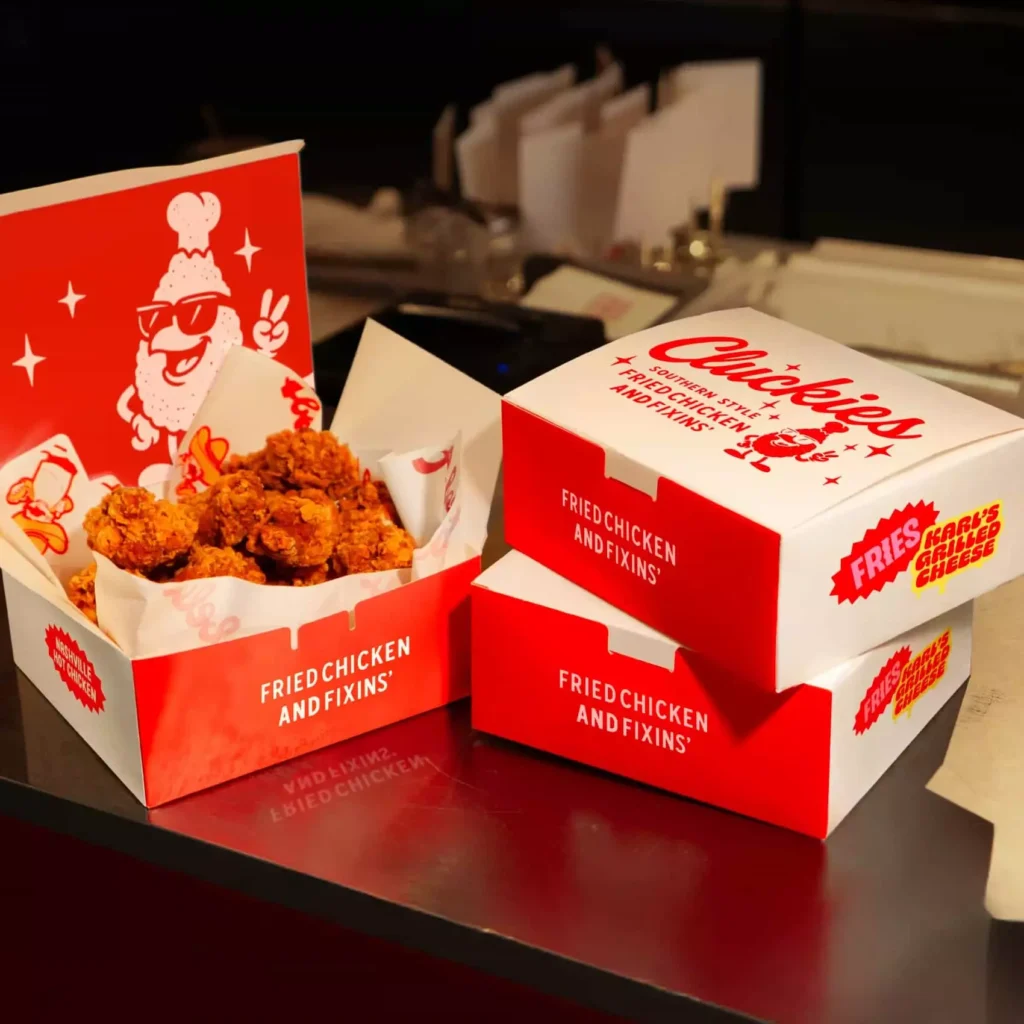
Generic packaging is invisible. Personalized food boxes? They create moments. They get photographed. They get remembered.
Here’s the math: Custom packaging increases brand recall by 68% compared to plain alternatives [Data Source: 2026 Consumer Behavior Study]. But here’s what most suppliers won’t tell you—not all customization is created equal. Slapping a logo on a brown box? That’s not personalization. That’s laziness.
Real personalization means:
- Strategic color psychology (red increases appetite by 15%)
- Typography that matches your brand voice
- Material choices that align with your values
- Structural design that protects AND presents
The 4 Core Elements Every Personalized Food Boxes Must Have
1. Brand Identity Integration
Your logo isn’t enough. Period.
Think about what suppliers like Fusenpack offer for emerging restaurant brands—free custom design services delivered within 36 hours, where their design team and AI technology create packaging that integrates your logo across all six sides of the box. That’s baseline service in 2026, not premium pricing.
Data point: Boxes with 3+ brand touchpoints (logo, tagline, branded pattern) see 41% higher customer retention [Data Source: 2026 Food Service Packaging Report].
2. Material Authenticity
Eco-friendly isn’t optional anymore. It’s expected.
But here’s my beef with the industry: Everyone slaps “recyclable” on their boxes and calls it a day. Consumers can smell greenwashing from a mile away. 56% of millennials will abandon a brand caught exaggerating sustainability claims [Data Source: 2026 Sustainability Trust Index].
Material hierarchy (from waste to worthy):
- ❌ Plastic-lined paperboard (recyclable in name only)
- ⚠️ Basic kraft (better, but boring)
- ✅ FSC-certified corrugated (the minimum responsible choice)
- ✅✅ Compostable molded fiber (premium positioning)
- Post-consumer recycled with soy-based inks (gold standard)
[TABLE PLACEHOLDER 1: Material Comparison Matrix]
| Material Type | Cost/Unit | Sustainability Score | Customization Options | Best For |
| Virgin Paperboard | $0.45-0.65 | 3/10 | High | Budget chains |
| FSC Kraft | $0.55-0.80 | 7/10 | Medium | Cafes, bakeries |
| Recycled Corrugated | $0.65-0.95 | 8/10 | High | Eco-conscious brands |
| Compostable Fiber | $0.85-1.20 | 9/10 | Medium | Premium fast-casual |
| Bamboo Blend | $1.10-1.50 | 10/10 | Low | Luxury/specialty |
Data aggregated from 2026 Packaging Supplier Benchmarks
3. Functional Design (Not Just Pretty)
This is where 80% of brands fail. They design for Instagram, not for the delivery driver’s trunk.
Critical question: Can your personalized food boxes survive a 2-mile bike delivery in 90°F heat without turning soggy? If not, your branding doesn’t matter. The food arrives ruined, and your beautiful logo becomes a reminder of disappointment.
Engineering basics:
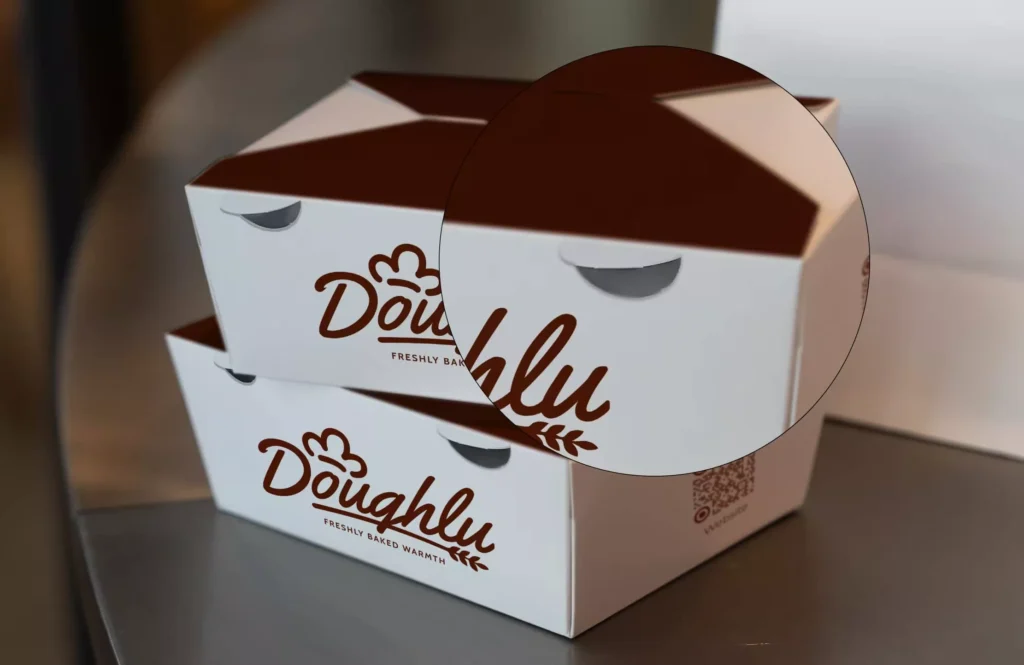
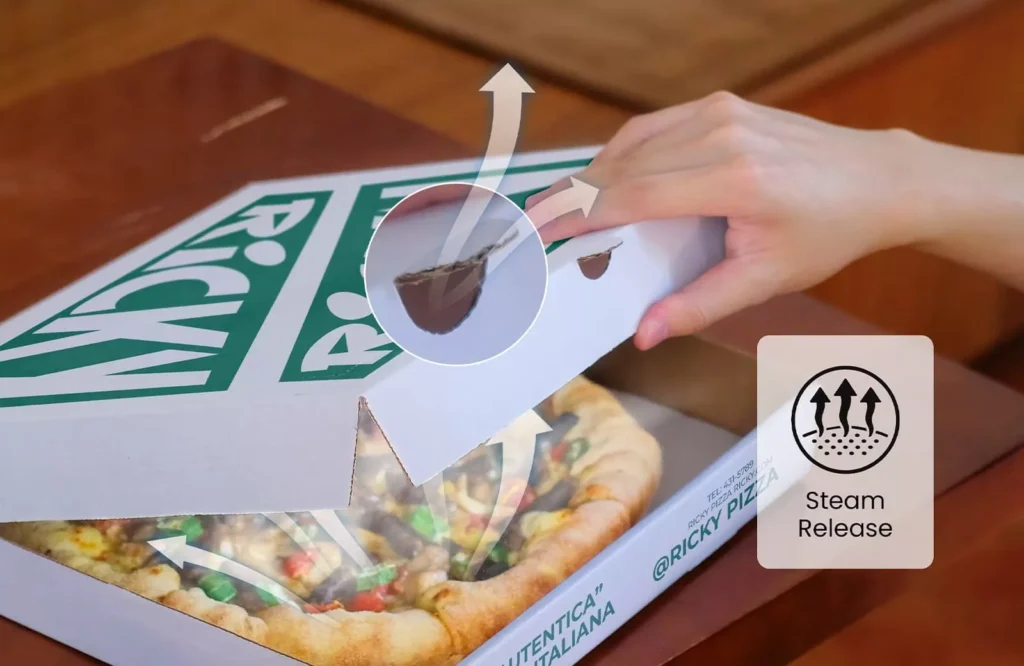
- Ventilation systems for hot items (steam = structural collapse)
- Grease-resistant coatings that don’t compromise recyclability
- Stacking strength rated for real-world abuse
- Leak-proof sealing without plastic tape
Take Fusenpack’s compostable burger box as an example—made from durable molded fiber that’s fully biodegradable, it includes a grease-resistant inner layer that prevents sauce leakage while maintaining structural integrity during delivery. Their paper chicken boxes use 350g food-grade white cardboard with FDA and FSC certifications, featuring an auto-lock bottom and quick top closure for fast packing. These aren’t just marketing features—they solve real operational problems.
4. Size Precision (The Most Overlooked Factor)
Too big? You’re wasting material and money. Too small? You’re cramming food and ruining presentation.
Industry secret: Most suppliers offer 6-12 stock sizes and try to force your menu into those molds. Wrong approach.
Here’s what actually works:
- Audit your top 10 menu items
- Measure their footprint when plated
- Add 15% buffer space (not 30%, not 5%—exactly 15%)
- Design boxes in 2-3 optimized sizes, not one-size-fits-all
The return? 28% reduction in packaging costs and measurably better food presentation [Data Source: 2026 Restaurant Efficiency Study]. Plus, right-sized personalized food boxes photograph better, which drives organic social promotion.
Short truth: Size matters more than color.
The Hidden Costs Nobody Talks About
Let’s get real about money.
Most personalized food boxes quotes hide the actual cost-per-unit in:
- Setup fees ($200-800 for plate creation)
- MOQ requirements (often 1,000-5,000 units)
- Design revision charges ($50-150 per round)
- Color matching fees (Pantone-specific inks add 12-18%)
- Rush production premiums (30-50% upcharges)
Here’s where smart sourcing matters. Fusenpack operates with 5,000-unit MOQs on most products—significantly lower than industry standard 10,000-unit minimums. Their pricing structure includes standard CMYK printing with no additional color charges, and they offer free design services instead of the typical $150-300 design fees. Plus, they provide 8-12 week production timelines with free overseas storage options, eliminating the warehouse space problem for smaller operators.
My Unfiltered Opinion
On Cheap Overseas Suppliers:
Look, I get it. That $0.30/unit quote from overseas is tempting. But I’ve seen what happens when 5,000 boxes arrive with your logo printed upside-down and the supplier ghosts you. Save the headache. Mid-tier suppliers who offer actual customer service (like the Fusenpack model where you get responses from real humans, not chatbots) are worth the $0.20 premium.
On “Free” Design Services:
Most suppliers advertise “free design” then nickel-and-dime you with $50-150 revision fees. When a company like Fusenpack says they’ve delivered free designs to 10,000+ brands and uses AI technology combined with their design team for 36-hour turnarounds, that’s not charity—it’s smart business. They know quality packaging creates repeat customers. Find suppliers who understand this math.
On “Luxury” Packaging:
Some brands are spending $2+ per box for embossed, foil-stamped nonsense. Unless you’re selling $50 entrees, stop. Your customers care more about the food arriving hot than whether your box has a velvet finish. Invest that money in better ingredients instead.
On Sustainability Theater:
If your “compostable” box requires industrial composting facilities that don’t exist in 94% of US zip codes, you’re not eco-friendly—you’re just greenwashing with extra steps. Be honest or be quiet. Real compostable packaging (like molded fiber options) biodegrades in standard commercial facilities—verify this before making claims.
Design Mistakes That Kill Conversions
Mistake #1: Logo Overload
Your logo doesn’t need to be 6 inches tall. Once on the lid, once on the side panel. Done. Repetition looks desperate.
Mistake #2: Ignoring Interior Experience
The inside of your box is prime real estate. 42% of customers open food boxes before leaving the pickup location [Data Source: 2026 Takeout Behavior Analysis]. That inside-lid message? It gets read.
Smart move: Print serving suggestions, reheating tips, or a QR code for loyalty programs on interior panels. Fusenpack’s tuck-top boxes allow customization on all six sides, including interior surfaces—use that space strategically.
Mistake #3: Font Size Negligence
If your phone number isn’t readable from 3 feet away, it’s useless. Minimum 14pt for contact info. Always.
Customization Options Worth Paying For
YES:
- ✅ Window cutouts for product visibility (+23% impulse purchases)
- ✅ Grease-resistant coatings (functional + brand preservation)
- ✅ Custom inserts/dividers (prevents food mixing complaints)
- ✅ Tamper-evident seals (builds trust in delivery economy)
- ✅ Auto-lock bottoms (faster packing = labor savings)
- ✅ Quick pop-up corners (4-corner design reduces assembly time by 40%)
NO:
- ❌ Metallic finishes (look cheap, interfere with recycling)
- ❌ Full-bleed photography (ink costs skyrocket, rarely photo-accurate)
- ❌ Embossing (adds $0.35/unit for marginal perceived value)
[TABLE PLACEHOLDER 2: Feature ROI Analysis]
| Customization Feature | Added Cost | Customer Impact | ROI Rating |
| Die-Cut Window | +$0.12 | High (visibility) | 8/10 |
| Interior Printing | +$0.08 | Medium (surprise factor) | 7/10 |
| Spot UV Coating | +$0.18 | Low (rarely noticed) | 3/10 |
| Custom Insert | +$0.15 | High (functionality) | 9/10 |
| Metallic Ink | +$0.22 | Medium (polarizing) | 4/10 |
| Auto-Lock Bottom | +$0.05 | High (speed) | 9/10 |
Closing Perspective
Personalized food boxes are an investment, not an expense. But only if you avoid the amateur mistakes.
And remember: The best personalized food boxes are the one your customer doesn’t throw away immediately. Make it useful, make it beautiful, make it honest. Choose materials that align with your values—whether that’s FDA-certified food-grade cardboard, FSC-certified sustainable materials, or fully compostable molded fiber.
That’s how packaging becomes profit.
Visit Fusenpack to learn more.