How to Prevent Soggy Takeout Packaging During Delivery
By
Contents
- Why Does Takeout Packaging Get Soggy So Fast?
- Most Takeout Containers Are Designed to Retain Heat — Not Texture
- Packaging Features That Actually Help Prevent Soggy Takeout Packaging
- Real Packaging Mistakes That Cause Soggy Delivery Food
- Sustainable Packaging Can Still Prevent Sogginess
- Final Thoughts: Packaging Changes the Food After It Leaves the Kitchen
Figuring out how to prevent soggy takeout packaging explains why most delivery meals go downhill not from bad cooking, but from sitting trapped inside their containers.
You can spot a ruined order the second you open it: floppy fries, mushy fried chicken, and water droplets fogging up the lid. Keeping food crisp isn’t about better kitchen prep—it’s about what happens once the box shuts. Hot dishes keep steaming nonstop during transit, and all that trapped steam quickly turns crispy textures soggy.
Most takeout boxes are made to lock in heat, but they trap moisture right along with it, which ruins food quality fast.
Why Does Takeout Packaging Get Soggy So Fast?
Steam Starts Building the Moment the Lid Closes
Freshly cooked food releases a surprising amount of moisture.
The second a hot order gets sealed, that moisture becomes trapped in a small enclosed space. Steam rises, hits the cooler lid, and forms droplets. A few minutes later, those droplets end up right back on the fries or breading underneath.
You see this constantly with clear plastic lids. After twenty minutes in a delivery bag, the inside of the container can look damp enough to wipe with a napkin.
The strange part is that many containers are technically doing what they were designed to do. They’re holding heat.
They’re just holding humidity too.
Why Fried Foods Lose Texture First
Fried food falls apart fast once moisture gets involved.
The crispy outer layer is thin and porous, which is great when the food is fresh out of the fryer. During delivery, though, that same texture becomes fragile. Steam settles onto the surface and softens it almost immediately.
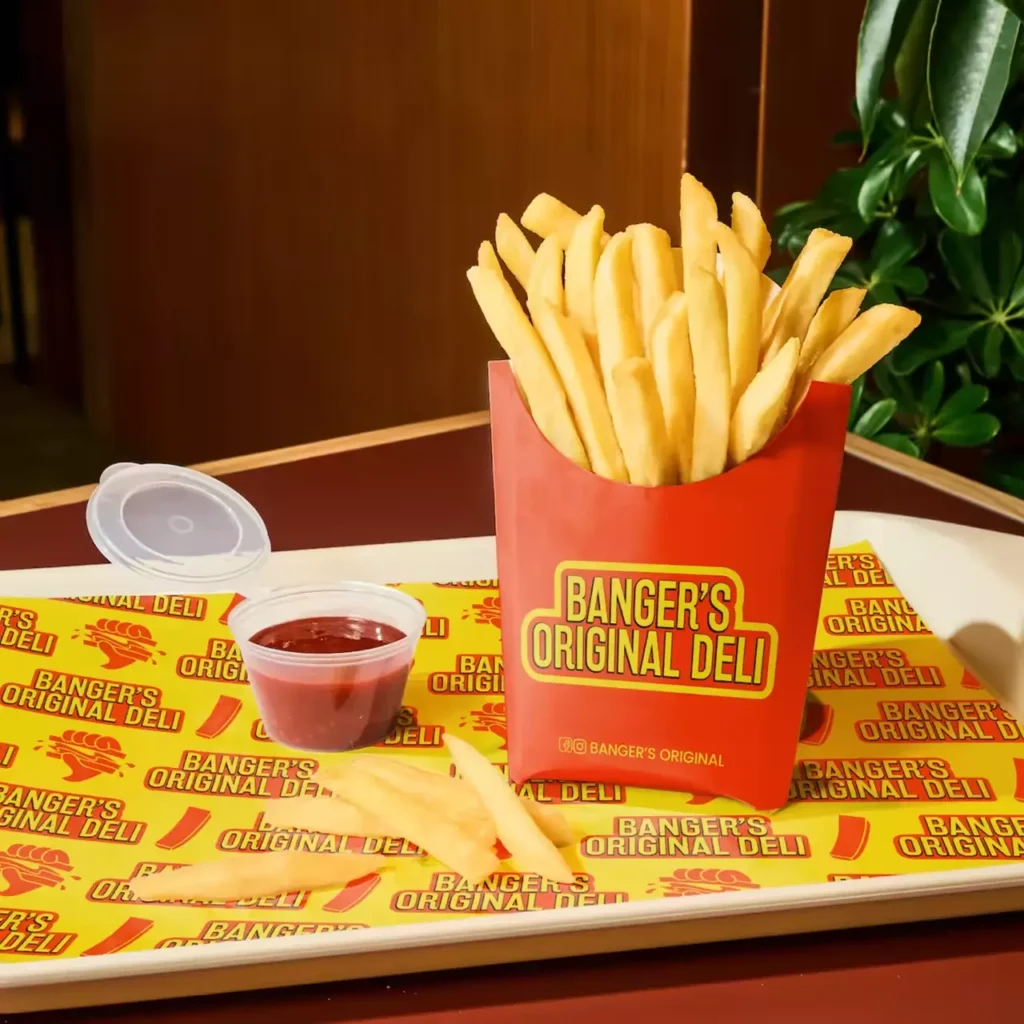
Fries are especially difficult. They keep releasing heat and moisture long after packing, especially when they’re piled tightly inside a sealed box.
That’s one reason crispy food delivery packaging has become a much bigger focus over the last few years. Restaurants realized the issue wasn’t only the recipe. The container mattered too.
Delivery Time Makes Condensation Worse
A short delivery and a long delivery are basically two different environments.
Ten or fifteen minutes usually gives steam less time to build up. Stretch that to forty minutes with stacked delivery orders, traffic, or insulated rider bags, and moisture starts accumulating fast.
Sometimes restaurants blame the kitchen when customers complain about soggy food. In reality, the packaging may have spent half an hour trapping hot air and humidity with nowhere for either to go.
Most Takeout Containers Are Designed to Retain Heat — Not Texture
The “Keep It Hot” Assumption
For years, takeout packaging was designed around one goal: keep food hot as long as possible.
That sounds logical until you deal with fried foods.
Because heat alone isn’t the problem. Trapped moisture is.
A container that seals tightly may preserve temperature, but it can also create the perfect environment for condensation. And once texture disappears, customers notice immediately.
Very few people leave bad reviews because fries arrived two degrees cooler than expected.
They absolutely leave reviews when the fries are soft.
Why Fully Sealed Containers Often Fail
Plastic clamshells are one of the biggest examples.
They stack easily. They look clean. They hold heat well.
They also trap steam incredibly well.
After enough time in delivery, moisture starts collecting on the inside of the lid and sliding back down onto the food. You can literally see the condensation cycle happening in real time.
This is why takeout packaging condensation has become such a common issue for fried-food delivery brands.
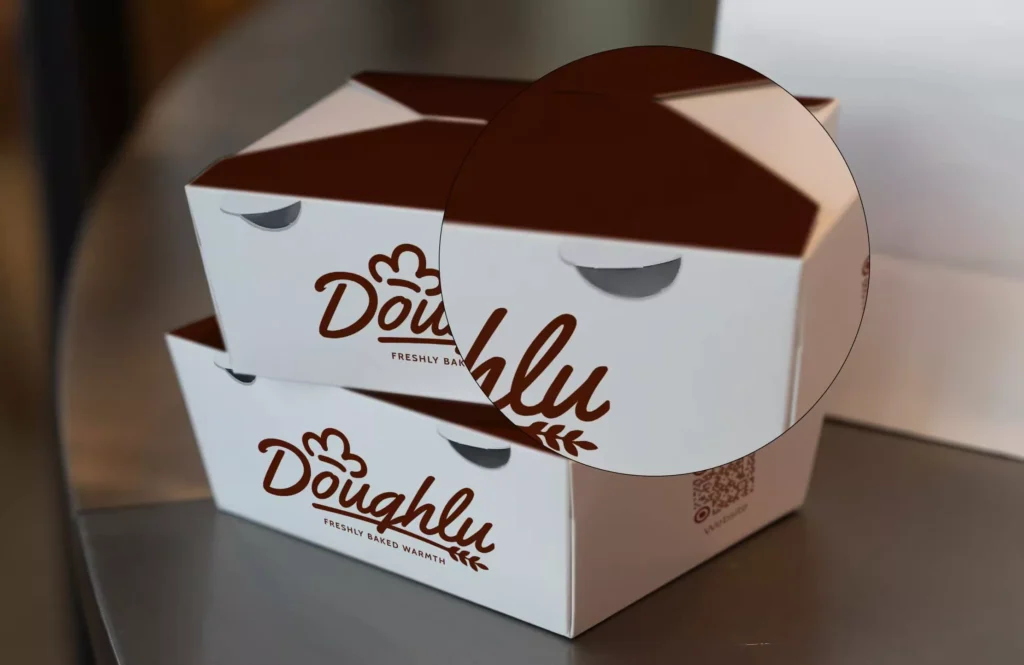
A lot of restaurants eventually move toward vented paper packaging because it handles airflow more naturally. Some suppliers, including Fusenpack, now build custom vent structures directly into fried-food packaging to help moisture escape during transit instead of circulating inside the box.
Customers Care More About Texture Than Restaurants Think
This part gets overlooked constantly.
Most customers judge delivery food by texture before temperature.
If fried chicken stays crisp, people usually forgive slight heat loss. If everything arrives soft, the order feels old immediately — even if it’s technically still warm.
Texture changes the perception of freshness more than restaurants realize.
Packaging Features That Actually Help Prevent Soggy Takeout Packaging
Vented Takeout Containers Let Moisture Escape
Vents work because they interrupt the humidity cycle inside the container.
Without airflow, steam keeps circulating. With vents, at least some of that moisture can escape before it settles back onto the food.
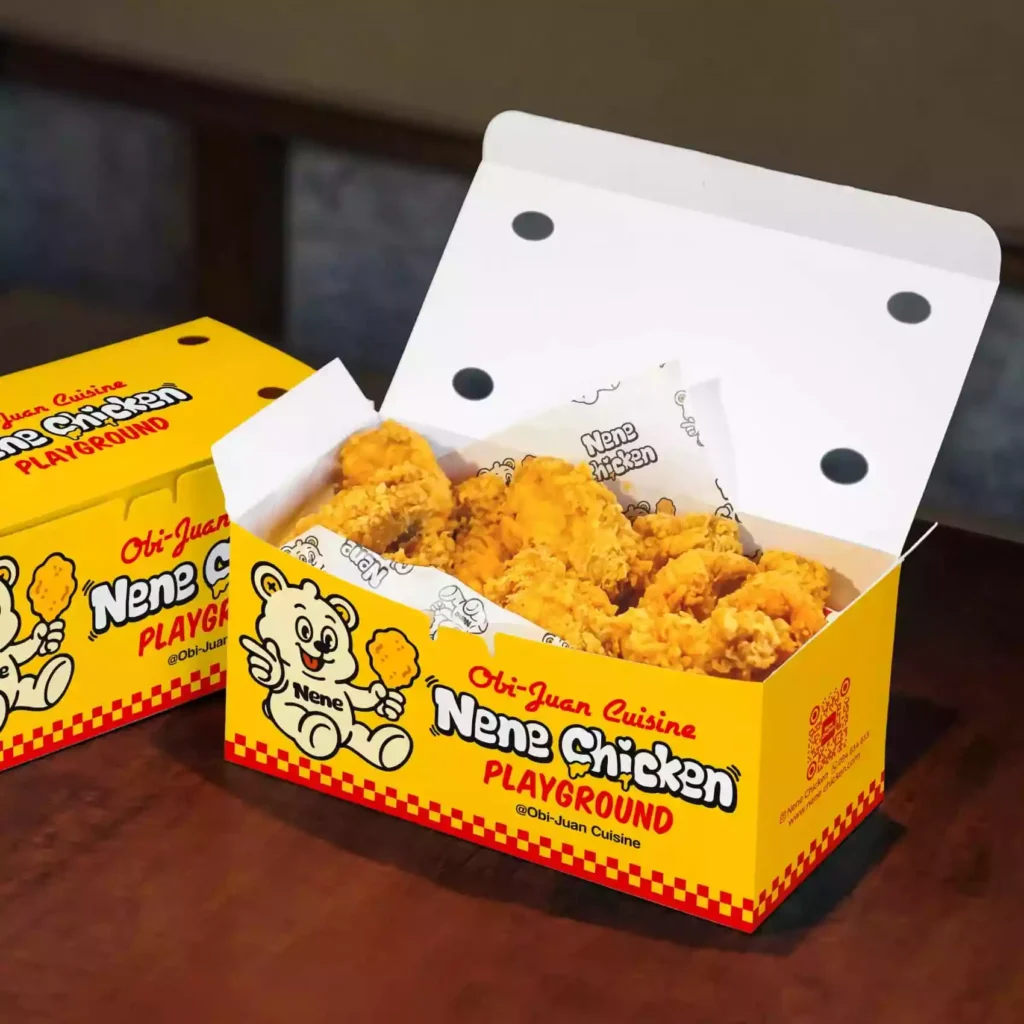
Even small side vents can make a noticeable difference during delivery, especially for fries, wings, tempura, or fried chicken.
This is why vented takeout containers are becoming more common across fast-food and QSR delivery brands.
Why Paper Packaging Sometimes Performs Better Than Plastic
Paper and plastic behave very differently once humidity builds up.
Plastic tends to trap condensation and reflect moisture back into the container. Kraft paper absorbs part of that moisture instead of letting it collect into visible droplets.
That doesn’t mean paper automatically solves everything. Poorly designed paper packaging can still trap steam.
But in real delivery conditions, breathable paper structures often outperform fully sealed plastic containers for fried foods.
Many restaurants now use anti-soggy takeout packaging with vented kraft designs specifically to reduce condensation during delivery.
Small Structural Details Matter More Than Most People Expect
A raised base. Tiny side vents. An absorbent liner.
Individually, these don’t seem dramatic. Together, they change how moisture behaves inside the package.
Raised bottoms help separate food from pooled oil or liquid. Liners absorb surface moisture before it settles into the crust. Vent placement changes airflow direction.
These are small engineering decisions, but they directly affect whether delivery food stays crisp or turns soft halfway through the trip.
The Best Packaging Depends on the Food
Different foods fail in different ways.
Fries release steam aggressively. Fried chicken needs airflow around the coating. Burgers deal with both steam and bun compression at the same time.
Using the same generic container for every menu item usually creates problems somewhere.
Here’s a simple reference point:
| Food Type | Recommended Packaging |
| Fries | Open-vent fry box |
| Fried chicken | Side-vented paper box |
| Tempura | Absorbent liner tray |
| Burgers | Semi-vented clamshell |
| Waffles | Elevated paper tray |
Real Packaging Mistakes That Cause Soggy Delivery Food
Sealing Food Too Quickly
One of the most common mistakes happens right after cooking.
Food goes straight from fryer to sealed container while releasing maximum steam.
Even waiting sixty seconds before closing the lid can reduce condensation noticeably during delivery.
A lot of operators skip this because they’re rushing orders during peak hours. Understandable. But the texture difference is real.
Overpacking Containers
When containers are packed too tightly, airflow disappears almost completely.
Steam gets trapped between the food layers instead of escaping upward. Fries are especially vulnerable to this because they’re usually stacked densely while still extremely hot.
Using Generic Packaging for Every Menu Item
This creates problems faster than many restaurants expect.
A box that works fine for sandwiches may completely fail for fried chicken. Packaging designed for dry foods may trap too much moisture for high-steam items.
That is why more delivery-focused brands now test food-specific packaging systems instead of relying on one universal container.
Fusenpack and similar suppliers increasingly build packaging around delivery conditions rather than only shelf appearance.
Sustainable Packaging Can Still Prevent Sogginess
There is a common assumption that eco-friendly packaging performs worse for moisture control.
Not always.
A well-designed vented kraft container usually performs better than a sealed plastic one, even if the plastic looks more premium at first glance.
The structure matters more than the material by itself.
Good airflow beats trapped humidity every time.
Final Thoughts: Packaging Changes the Food After It Leaves the Kitchen
Restaurants usually think the cooking process ends once the food gets packed.
Delivery changes that.
Once the lid closes, the container starts affecting texture immediately. Steam builds. Moisture moves. Condensation forms.
At that point, packaging becomes part of the eating experience whether restaurants planned for it or not.
The brands that consistently deliver crisp food are rarely relying on luck. They’re controlling airflow, moisture, and delivery conditions more carefully than everyone else.