Paper Cup vs Plastic Cup vs Compostable Cup: Which Is Best for Your Coffee Shop?
By
Contents
- Why Choosing the Wrong Cup Costs More Than You Think
- Quick Comparison: Paper Cup vs Plastic Cup vs Compostable Cup
- Paper Cups: Best for Hot Drinks and Coffee Branding
- Plastic Cups: Still the Best Choice for Iced Drinks
- Plastic Is Not Automatically “Bad”
- Compostable Cups: Useful in Some Shops, Overkill in Others
- Which Cup Should You Actually Choose?
- The Packaging Costs Most Owners Forget to Calculate
- What Most Coffee Shops Actually Use Today
- Final Verdict: Choose Based on Your Menu, Not Packaging Trends
- FAQ: Paper Cup vs Plastic Cup for Coffee Shops
The paper cup vs plastic cup debate matters more than most coffee shop owners expect. The wrong cup can make drinks leak, lose heat, sweat through the counter, or simply feel cheap in a customer’s hand.
And once compostable cups enter the conversation, the decision gets even messier. Some suppliers push paper as the “premium” option. Others market compostable cups as the sustainable choice. Meanwhile, many successful cafés still rely heavily on clear PET plastic cups for iced drinks because they simply perform better.
The best cup is not the cheapest one or the trendiest one. It is the one that fits your drinks, your workflow, and the experience customers expect from your café.
Why Choosing the Wrong Cup Costs More Than You Think
Most café owners compare cup prices first. That makes sense. But the cheapest cup on a quote sheet can turn into the most expensive mistake during service.
The problems usually show up after the order arrives:
- Hot cups feel flimsy halfway through a latte
- Iced drinks sweat all over the counter
- Lids loosen during delivery
- Customers complain the packaging feels “cheap”
- Staff double-cup drinks because insulation is poor
None of these issues look dramatic on paper. But over time, they quietly damage consistency.
I once worked with a café that switched cold cup suppliers three times in under a year. The first option cracked near the lid. The second fogged so badly the drinks looked dull in photos. The third finally worked — but only after months of wasted inventory and reprints.
That is why takeaway packaging matters more than people think. Customers touch the cup before they even taste the drink.
Quick Comparison: Paper Cup vs Plastic Cup vs Compostable Cup
Here is the simplified version before we get into specifics.
| Feature | Paper Cup | Plastic Cup | Compostable Cup |
| Cost per unit | Low–Mid | Low | Higher |
| Hot drink performance | Excellent | Weak | Good |
| Cold drink performance | Average | Excellent | Varies |
| Leak resistance | Good | Excellent | Moderate |
| Branding / printing | Strong | Strong for cold drinks | Good |
| Eco positioning | Depends on lining | Depends on recycling system | Depends on composting access |
No cup wins every category.
That is why most successful cafés stop looking for one universal solution.
Paper Cups: Best for Hot Drinks and Coffee Branding
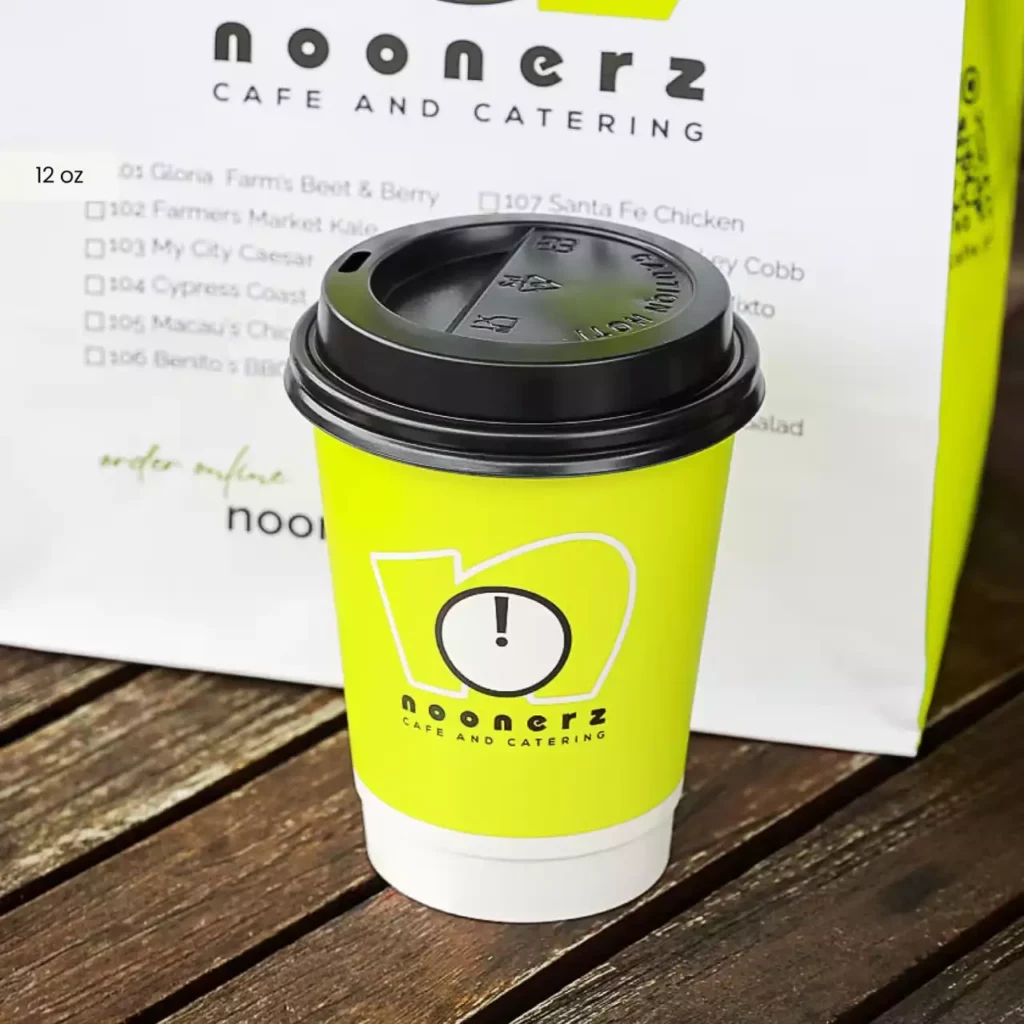
Paper cups became the standard for hot coffee for a reason. They feel right in the hand, hold heat well, and create a more polished coffee-shop look than plastic ever will for espresso drinks.
If your menu is mostly:
- lattes
- cappuccinos
- flat whites
- drip coffee
- hot tea
…paper cups are usually the right starting point.
Single Wall vs Double Wall Paper Cups
Single wall cups are cheaper, but they often need sleeves. Without them, customers may find the drink uncomfortable to hold.
Double wall paper cups solve that problem with an extra insulation layer. They feel sturdier, hold heat better, and usually look more premium on the counter.
That is why many specialty cafés choose double wall cups even when they cost slightly more. Customers notice the difference immediately, especially with takeaway drinks.
Why Paper Cups Feel More Premium
A well-designed paper cup does more than hold coffee.
It becomes part of the brand experience:
- the texture
- the print quality
- the way the cup feels warm without being too hot
- the way your logo looks in someone’s hand
For hot drinks, paper cups naturally match what customers expect from a café.
Where Paper Cups Struggle
Paper cups are less convincing for cold drinks.
Cold brew, fruit tea, smoothies, and iced matcha usually look better in clear cups. And after enough condensation, some paper cold cups start feeling soft or damp.
That matters more than many owners expect. If the drink looks expensive, customers treat it like a premium product. If the packaging hides the drink, some of that value disappears.
Plastic Cups: Still the Best Choice for Iced Drinks
Plastic cups are easy to criticize online. But for cold drinks, they still outperform most alternatives in real café operations.
That is why so many coffee chains, milk tea shops, and smoothie brands continue using them.
PET vs PP Plastic Cups
Most cafés choose between PET and PP.
PET Cups
- crystal clear
- rigid feel
- best for layered drinks and visual presentation
PP Cups
- slightly softer and more flexible
- common for smoothies and thicker beverages
- practical for some high-volume operations
For most iced coffee shops, PET cups remain the most visually effective option.
Why Clear Cups Sell Better
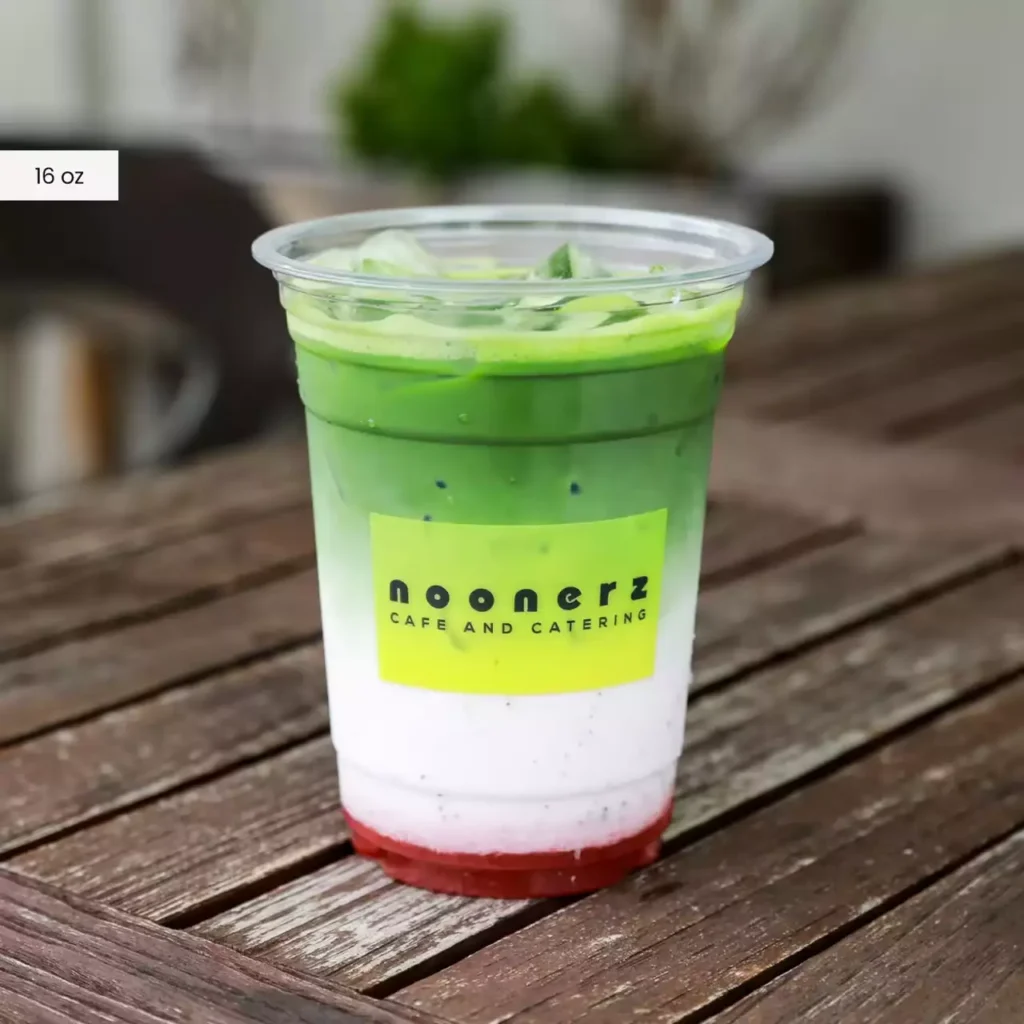
Cold drinks are visual products.
A layered oat latte, strawberry refresher, or brown sugar milk tea sells partly because people can see it. Clear cups turn the drink itself into display packaging.
That is one reason iced beverage brands care so much about presentation on social media. The cup is not separate from the product anymore — it is part of the product.
And honestly, paper cups just cannot do that as well for cold drinks.
Plastic Is Not Automatically “Bad”
This is where a lot of packaging discussions become unrealistic.
Plastic cups are not automatically the wrong choice just because paper sounds more eco-friendly. For cold drinks, plastic often creates:
- fewer leaks
- better visibility
- cleaner condensation control
- stronger customer presentation
The real question is not “paper or plastic?”
It is “which one works better for the drink you actually sell?”
Compostable Cups: Useful in Some Shops, Overkill in Others
Compostable cups sound like the perfect middle ground. Sometimes they are. Sometimes they are just expensive.
A lot depends on where your business operates.
When Compostable Cups Make Sense
Compostable cups work best when:
- your city has commercial composting
- your customers actively care about sustainability
- your café branding depends on low-waste positioning
- your event venue already separates compostable waste properly
In those situations, compostable packaging can support the brand story well.
The Problem Most Suppliers Skip
Many compostable cups require industrial composting systems. Without access to those systems, the cups often end up in regular landfill waste anyway.
That means some cafés spend significantly more for packaging without actually improving disposal outcomes.
So before ordering compostable cups, ask:
- Can local facilities process them?
- Will customers dispose of them correctly?
- Does this genuinely improve operations or branding?
If the answer is unclear, compostable may not be the automatic win it first appears to be.
Which Cup Should You Actually Choose?
Here is the practical breakdown.
| Your Situation | Best Option |
| Mostly hot coffee drinks | Double wall paper cups |
| Mostly iced drinks | PET plastic cups |
| Mixed beverage menu | Use both paper and plastic |
| Sustainability-focused café with local composting access | Compostable cups |
| Tight margins and high volume | Compare full cost-per-serve |
| Premium coffee branding | Custom printed paper cups |
The biggest mistake cafés make is trying to force one cup type to cover every drink.
That usually creates compromises everywhere:
- hot drinks feel worse
- cold drinks look worse
- packaging costs become harder to control
Most experienced operators eventually land on a mixed system because it simply works better.
The Packaging Costs Most Owners Forget to Calculate
Cup pricing is rarely just about the cup itself.
You also need to think about:
- lids
- sleeves
- storage space
- shipping volume
- print setup fees
- minimum order quantities
- failure rates during delivery
A cheaper single wall paper cup may require sleeves for every order. A low-cost plastic cup might crack too easily during rush hours.
Those operational details matter more than a small difference in unit price.
Good café packaging usually saves money indirectly:
- fewer remakes
- fewer complaints
- stronger presentation
- smoother service
What Most Coffee Shops Actually Use Today
Most cafés do not pick one material and use it for everything.
The most common setup today looks like this:
Hot Drinks
- double wall paper cups
- branded printing
- sip lids
Cold Drinks
- clear PET cups
- flat or dome lids
- strong visibility for presentation drinks
Events / Eco-Focused Service
- compostable cups where infrastructure supports them
That combination is not indecisive. It is operationally realistic.
Final Verdict: Choose Based on Your Menu, Not Packaging Trends
Here is the short version:
- Hot drinks usually work best in paper cups
- Cold drinks usually work best in clear plastic cups
- Compostable cups only make sense when disposal systems actually support them
- The cheapest option is rarely the cheapest long-term
- Good packaging should improve the drink experience, not fight against it
The best cup is not the one with the strongest marketing claim.
It is the one that:
- keeps drinks stable
- feels right in customers’ hands
- supports your branding
- works smoothly during busy service
That is the decision café owners should actually optimize for.
FAQ: Paper Cup vs Plastic Cup for Coffee Shops
Are paper cups better than plastic cups?
For hot drinks, usually yes. Paper cups insulate better and feel more natural for coffee service. For iced drinks, plastic cups generally perform better.
What cups are best for iced coffee?
Clear PET plastic cups are still the most common choice because they show the drink clearly and handle condensation well.
Are compostable cups worth it?
Only if local composting infrastructure exists. Otherwise, the environmental benefit is often smaller than cafés expect.
What cups do most cafés use?
Most cafés use paper cups for hot drinks and clear plastic cups for cold drinks rather than trying to force one cup style to handle everything.
Still comparing options? Explore Fusenpack’s coffee cup collection.