The Most Comprehensive Guide to Food Packaging: Boost Your Business with Custom Solutions
By
Contents
- What Is Food Packaging, and Why It’s a Game-Changer for Your Food Business
- The Difference Between Basic and Custom Food Packaging: Which One Is Right for You?
- Real Story: From Basic to Custom—How a Fast-Food Spot Tripled Takeout Orders
- When to Make the Switch to Custom Food Packaging
- Custom Restaurant Packaging: Tailored Solutions for Every Type of Eatery
- Branded Food Packaging: Turn Every Meal Into a Marketing Campaign
- Customised vs. Personalized Food Packaging: What’s the Difference?
- Small Business Food Packaging: Affordable Solutions That Work (No Big Budget Required)
- Common Mistakes to Avoid When Choosing Food Packaging
- Final Thoughts: Food Packaging Is Your Secret Weapon—Use It
Have you ever stared at a stack of generic takeout boxes, wondering why your delicious food isn’t getting the attention it deserves? Or dealt with customer complaints about soggy fries, leaky soup, or packaging that feels cheap and impersonal? If you own a small business, a bustling restaurant, or a cozy café—you’re not alone. For most food entrepreneurs, packaging is an afterthought. But here’s the truth: food packaging isn’t just a wrapper. It’s your hardest-working team member—protecting your food, promoting your brand, and turning first-time customers into loyal fans.
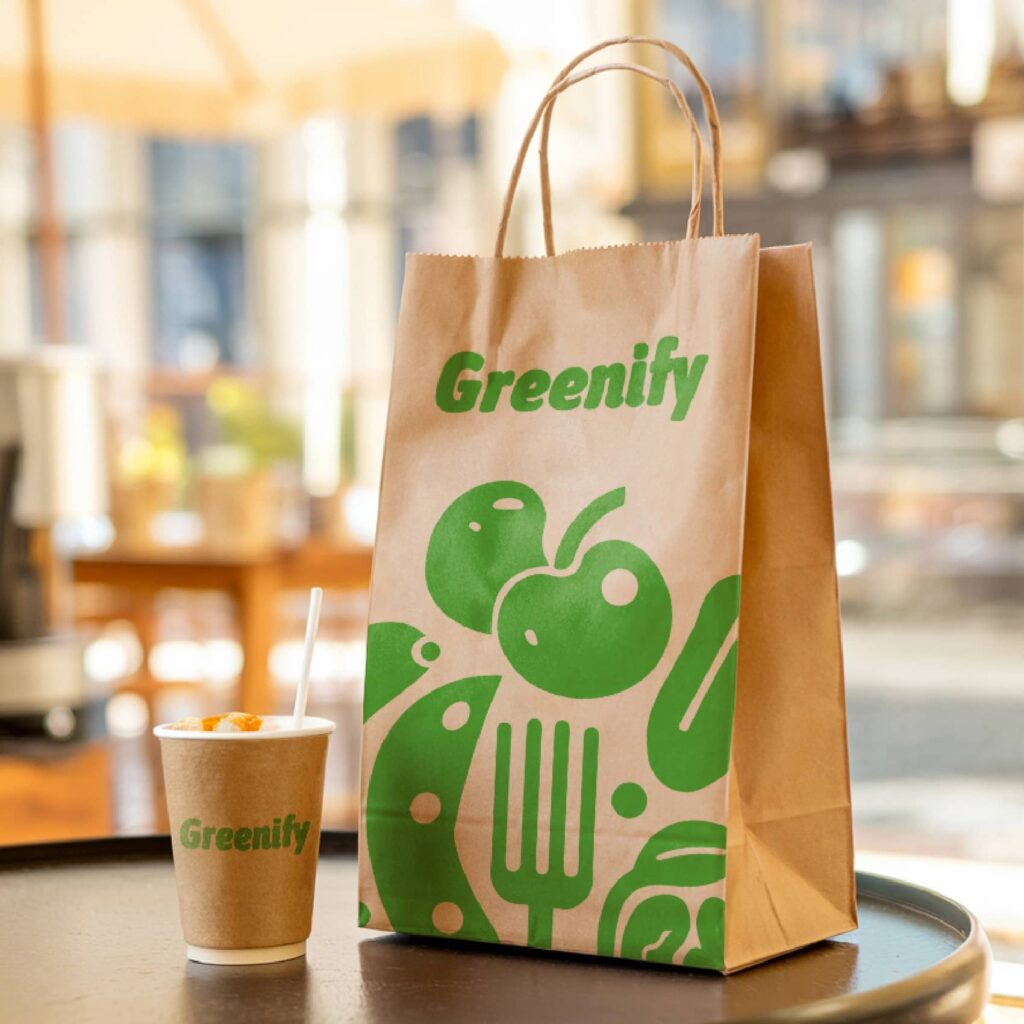
This guide is built for you: the sushi chef who spends hours perfecting rolls, the brunch spot owner who remembers regulars’ orders by heart, the fast-food manager who wants to cut down on waste, and the small bakery owner dreaming of growing their customer base.
We’re covering everything—from the basics of food packaging to advanced custom strategies—with real stories from businesses like yours, practical tips you can use tomorrow, and answers to the questions you’re actually asking (like “Is custom packaging too expensive for my small business?” or “How do I make my packaging stand out on social media?”). By the end, you’ll know exactly how to use food packaging to boost sales, build loyalty, and make your business unforgettable.
What Is Food Packaging, and Why It’s a Game-Changer for Your Food Business
Let’s start with the basics: Food packaging is any material—paper, plastic, foam, or eco-friendly alternatives—that holds, protects, and presents your food. It might seem simple, but the right packaging can mean the difference between a customer choosing you again or switching to a competitor. Here’s why it matters more than you think—especially for small businesses and restaurants:
1. It Protects Your Food (and Your Reputation)
Your food is your pride. You spend hours sourcing ingredients, testing recipes, and making sure every bite is perfect. But if your packaging fails, all that hard work goes to waste. Imagine: A customer orders your signature sushi roll for lunch. They open the box to find rice soaked in soy sauce, fish warm and rubbery, and nori that’s gone limp. Or a brunch regular grabs a coffee to go, only to spill it all over their laptop because the lid doesn’t fit. Chances are, they won’t give you a second chance.
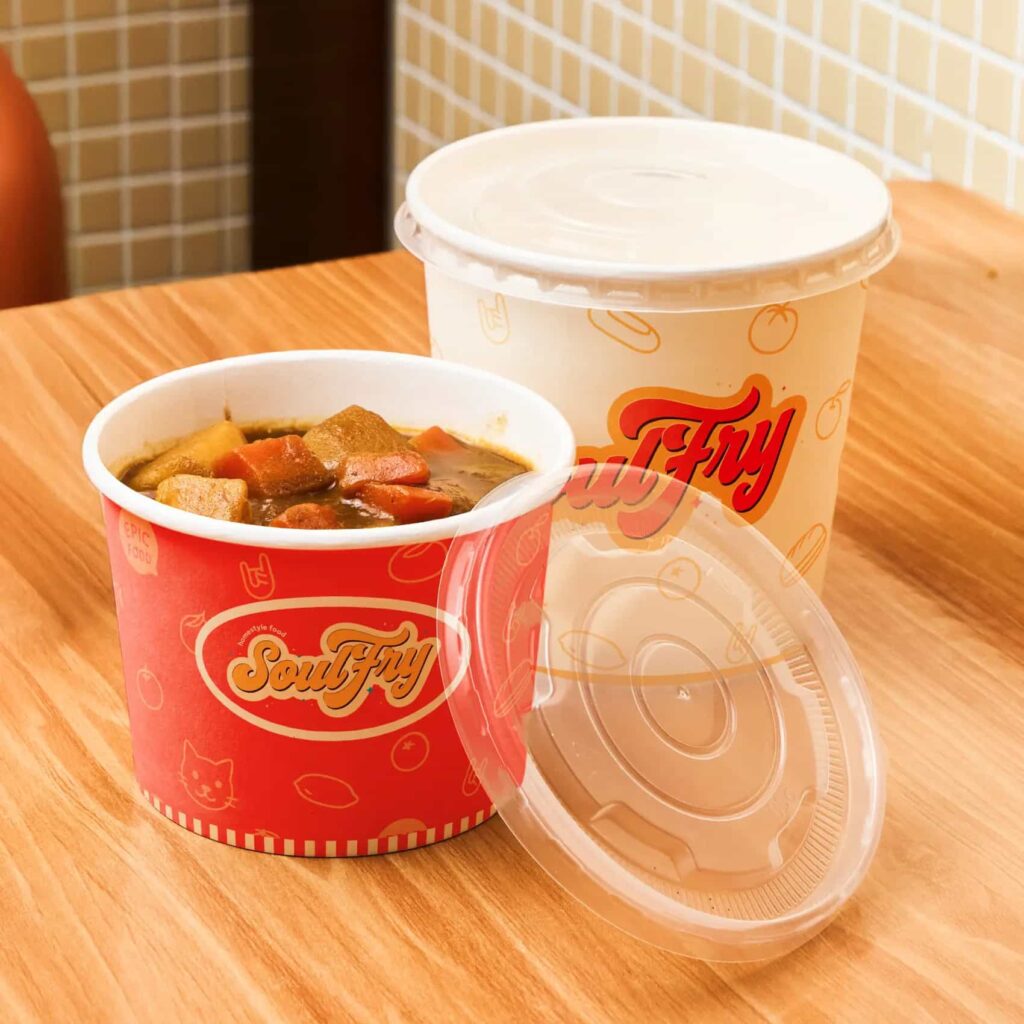
Good food packaging prevents these disasters. For sushi restaurants, that means leak-proof containers with separate compartments for soy sauce and wasabi, plus insulation to keep cold food cold. For fast-food joints, it’s vented boxes that let steam escape—so burgers stay juicy and fries stay crispy. For brunch spots, it’s sturdy coffee cups with spill-proof lids and containers that keep eggs Benedict from getting soggy on the commute.
Fusenpack’s customers have seen this firsthand. One sushi restaurant owner shared: “We used to get 2-3 complaints a week about soggy rolls. After switching to custom containers from Fusenpack—with separate sections and thick insulation—those complaints vanished. Now, customers tell us our takeout tastes just as good as dining in. That’s saved us so much frustration—and lost business.”
2. It’s Your Cheapest Marketing Tool
Big brands spend millions on billboards, social media ads, and influencer partnerships. But small businesses don’t need that budget to stand out. Your food packaging is a walking advertisement—every time a customer carries your box down the street, posts a photo of their meal on Instagram, or brings your packaging to a picnic, they’re promoting your business for free.
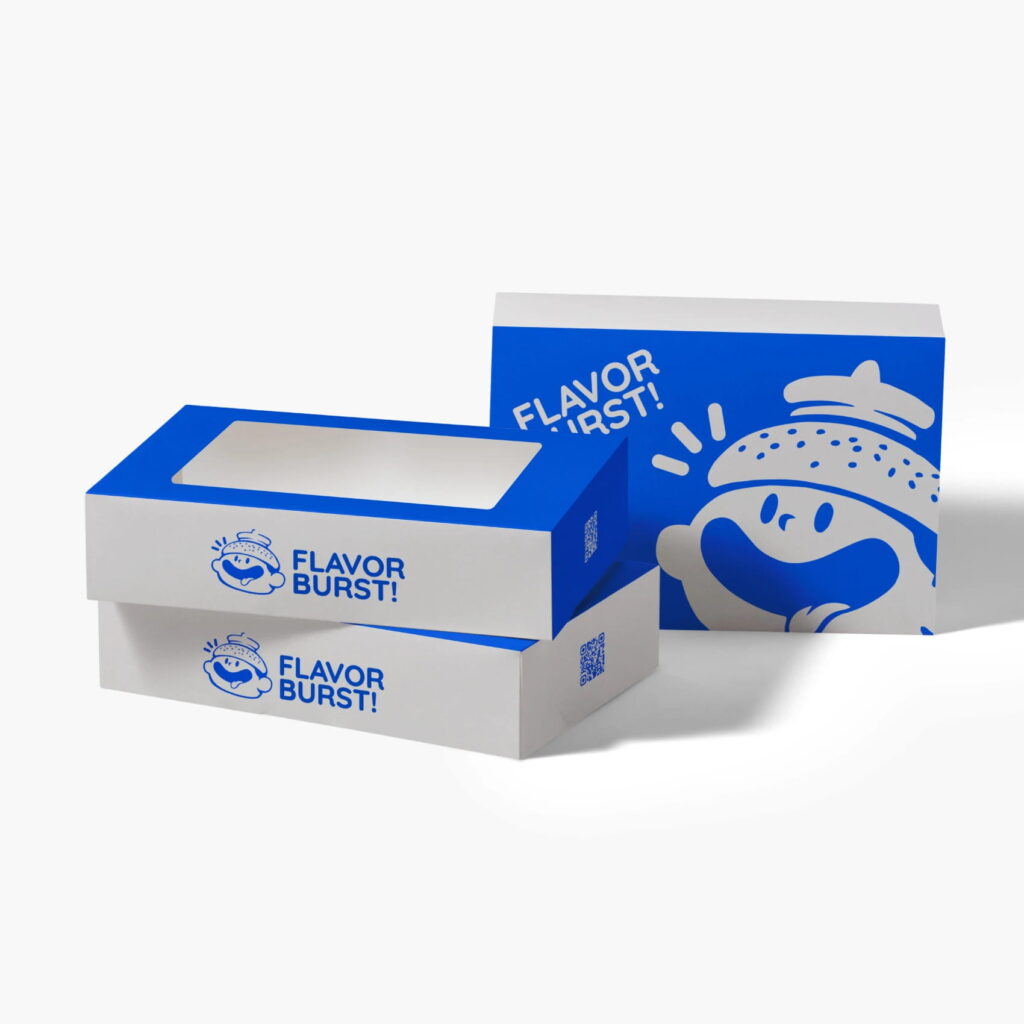
A study by the Paper and Packaging Board found that 72% of consumers say packaging design influences their purchasing decisions. That means a plain white box is a missed opportunity. But a custom box with your logo, brand colors, and a friendly message? It’s a way to make your business memorable—without spending a dime on ads.
Take Mia’s Cookie, a small bakery. For two years, Mia used generic brown paper bags. “I thought packaging didn’t matter—I was focused on making good cookies,” she said. But sales were stagnant, and customers rarely shared her products online. Then she switched to custom food packaging from Fusenpack: bags with her logo (a cute cookie with googly eyes), soft pink brand color, and the phrase “Baked with Love—Share the Joy.” The bags also had a window so customers could see the cookies inside.
“The difference was night and day,” Mia said. “Within a month, customers were posting photos of the bags on Instagram—we gained 50 new followers, and half of them came in to try our cookies. Our takeout orders went up 35%, and we stopped hearing complaints about crushed cookies. The custom packaging made our brand feel special, and it basically did our marketing for us.”
3. It Saves You Money (Yes, Really)
You might think custom packaging is more expensive than basic options—but it can actually save you money in the long run. Here’s how:
- Less food waste: Custom packaging fits your products perfectly, so there’s no extra space for food to shift, crush, or spoil. A sushi restaurant using ill-fitting containers might throw away 10% of takeout orders due to sogginess; with custom containers, that waste drops to nearly zero.
- Fewer repeat purchases: Basic packaging often tears, leaks, or breaks—meaning you have to buy more of it to replace damaged stock. Custom packaging is durable, so you’ll order less over time.
- More repeat customers: As we’ve seen, good packaging leads to happier customers—and happier customers order more. A 5% increase in customer loyalty can boost profits by 25-95%, according to Bain & Company.
Fusenpack’s free warehouse storage also helps small businesses save. One brunch café owner explained: “We order all kinds of stuff from them—chopsticks, wipes, custom containers—and their free warehouse storage has been a lifesaver. Our kitchen is tiny, so we can’t store hundreds of boxes. Fusenpack keeps our inventory for us, and we reorder when we need to. It’s saved us from buying too much at once and wasting money on unused packaging.”
4. It Aligns with Customer Values
Today’s customers care about more than just food—they care about the brands they support. Whether it’s sustainability, local sourcing, or community involvement, your packaging is a way to show customers what you stand for.
For example:
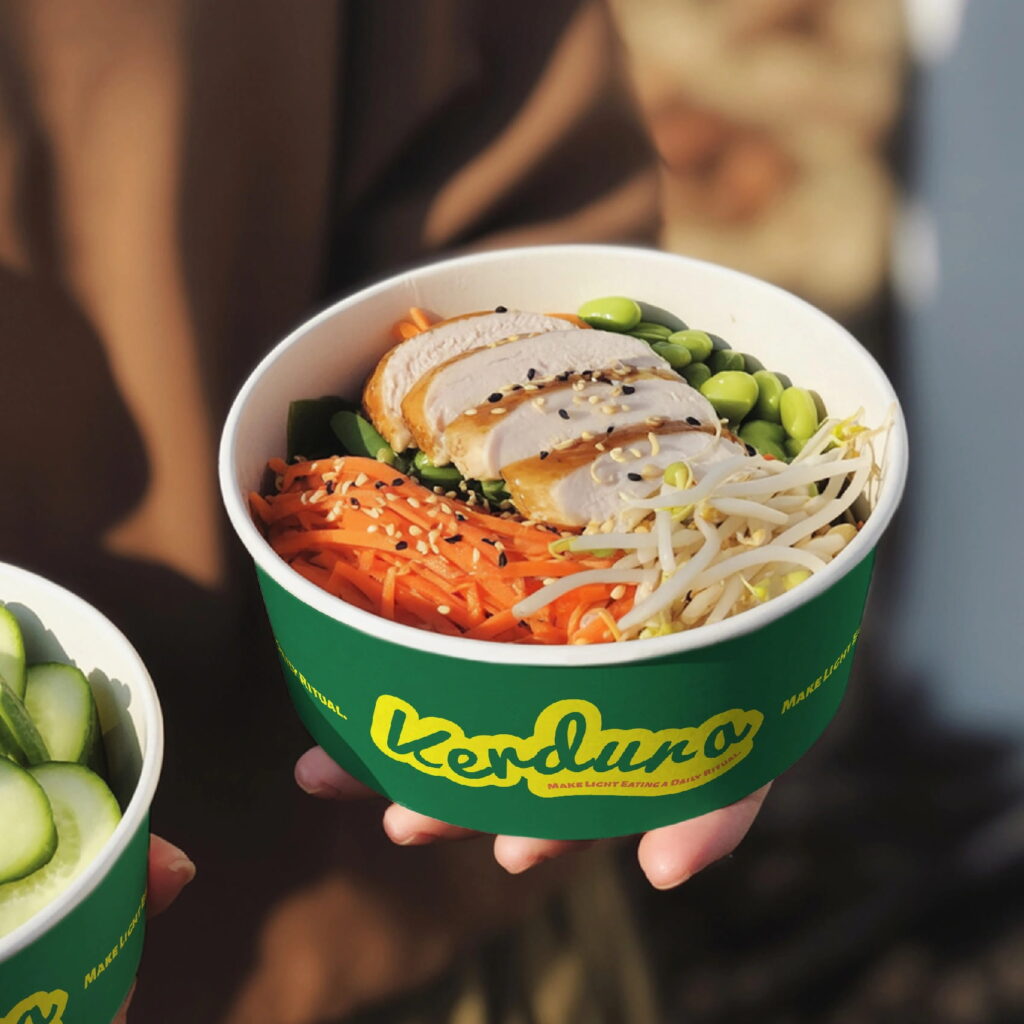
- If you’re an eco-friendly café, use branded food packaging made from 100% recycled or compostable material. Add a note on the packaging: “This bag is compostable—thanks for helping us protect the planet.”
- If you’re a family-owned restaurant, print a small story on your boxes: “Founded in 2010 by our mom and dad—every meal is made with family recipes.”
- If you support local farmers, add: “Our ingredients come from farms within 50 miles—supporting our community, one meal at a time.”
Customers notice these details. A 2023 survey by First Insight found that 73% of Gen Z consumers are willing to pay more for sustainable products—and packaging is a big part of that. By aligning your packaging with your values, you’ll attract customers who share those values and build long-term loyalty.
The Difference Between Basic and Custom Food Packaging: Which One Is Right for You?
You might be using basic food packaging right now—plain boxes, generic plastic bags, or standard containers you bought in bulk. Basic packaging gets the job done, but it’s like wearing a plain white t-shirt to a party: you won’t stand out, and no one will remember you. Custom food packaging, on the other hand, is like wearing an outfit that’s tailored to you—it fits perfectly, shows off your personality, and makes you feel confident.
Let’s break down the key differences with real-world examples, so you can see exactly how custom packaging impacts your business:
| Feature | Basic Food Packaging | Custom Food Packaging |
| Branding | No logos, colors, or brand identity—your business is invisible. | Includes your logo, brand colors, and message—customers recognize and remember you. |
| Product Fit | One-size-fits-all—too big (wasting space and increasing shipping costs) or too small (squishing food). | Tailored to your specific products (e.g., perfect-sized sushi trays, burger boxes that fit your 1/3-pound patties). |
| Customer Experience | Generic—no emotional connection. May lead to complaints (soggy food, leaks, hard-to-open lids). | Designed for convenience and joy (e.g., easy-tear wrappers, spill-proof lids, cute designs). Makes customers feel valued. |
| Waste Reduction | High—extra space leads to food spoilage; flimsy material leads to packaging waste. | Low—perfect fit reduces food waste; durable material means less packaging replacement. |
| Cost-Effectiveness | Cheap upfront, but costly long-term (lost customers, wasted food, frequent reorders). | Slightly higher upfront, but saves money (more repeat orders, less waste, fewer reorders). |
| Marketing Impact | None—generic packaging doesn’t promote your business. | High—every box/bag is a free ad that reaches friends, family, and strangers. |
Real Story: From Basic to Custom—How a Fast-Food Spot Tripled Takeout Orders
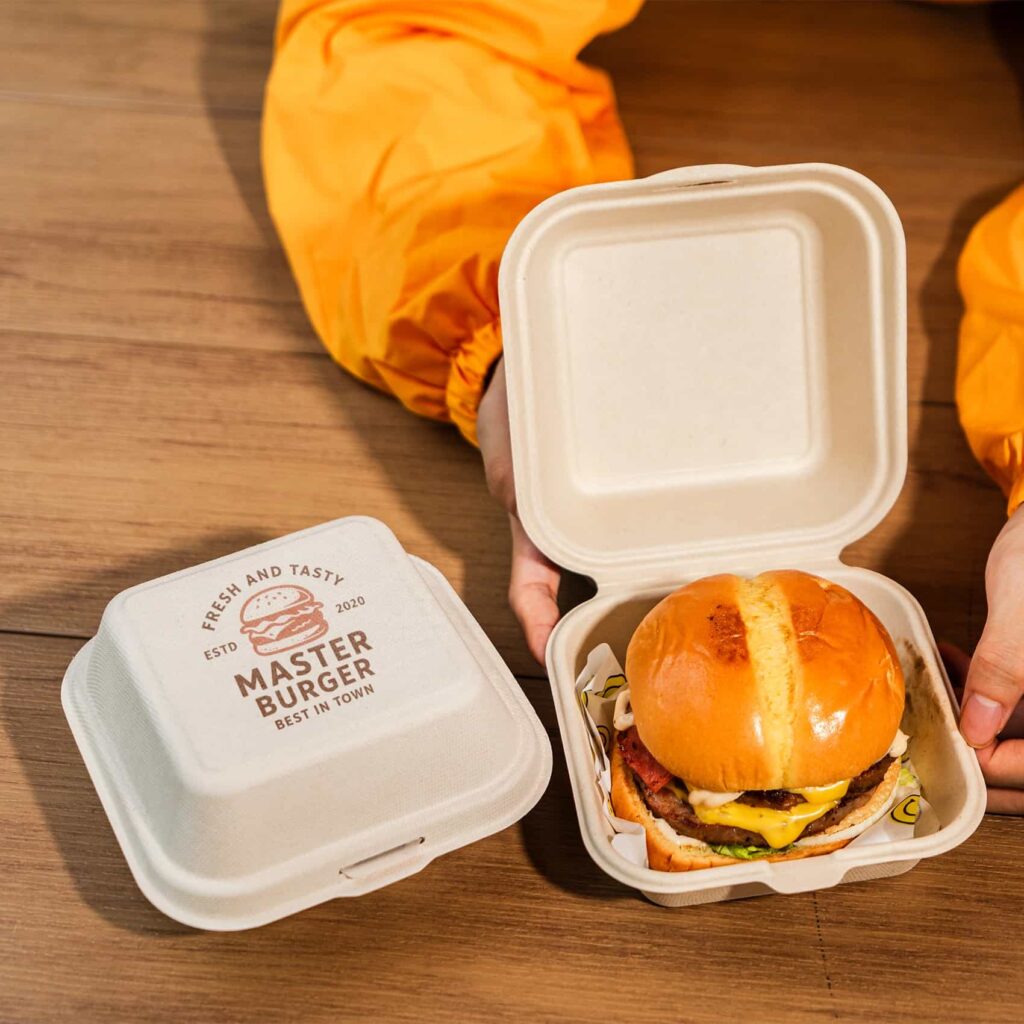
Javier owns a small fast-food spot in Austin, Texas, serving gourmet burgers and fries. For years, he used basic brown boxes and plastic bags. “I thought packaging was just a cost,” he said. “I was trying to save money, but it was backfiring. Customers complained about soggy fries, and no one ever posted our food online. We were blending in with every other burger joint in town.”
Then he discovered custom fast food packaging from Fusenpack. He worked with their design team to create vented boxes with his logo (a bold red burger icon) and the phrase “Austin’s Best Gourmet Burgers.” The boxes also had a small section for a handwritten note—Javier started adding messages like “Enjoy your burger, Maria!” or “Thanks for being a regular!”
“The change was immediate,” Javier said. “Within two months, our takeout orders tripled. Customers loved that the fries stayed crispy (thanks to the vented boxes) and that we added a personal touch. The custom packaging made us stand out, and it turned casual customers into fans. I wish I’d switched sooner.”
When to Make the Switch to Custom Food Packaging
You don’t have to wait until your business is “big enough” to invest in custom food packaging. Here are 5 signs it’s time to upgrade:
- You’re getting regular complaints about food quality (soggy, crushed, cold) from takeout customers.
- Customers don’t recognize your brand outside of your store (e.g., someone sees your takeout box and asks, “Where’s that from?”—and no one knows).
- You’re wasting money on basic packaging that tears, leaks, or doesn’t fit your products.
- Your competitors are using custom packaging, and you’re losing customers to them.
- You want to grow your takeout/delivery business (custom packaging is a must for standing out on apps like Uber Eats or DoorDash).
Fusenpack makes the switch easy—even for small businesses. We offer free design support (so you don’t need to hire a graphic designer).
Custom Restaurant Packaging: Tailored Solutions for Every Type of Eatery
Restaurants have unique packaging needs. A sushi bar’s biggest concern is keeping fish fresh; a brunch café needs spill-proof coffee cups; a fast-food spot needs durable boxes that can handle speed. Custom restaurant packaging is designed to solve these specific pain points—while promoting your brand. Let’s break down the best custom solutions for 3 popular restaurant types:
1. Sushi Restaurants: Freshness, Presentation, and Precision
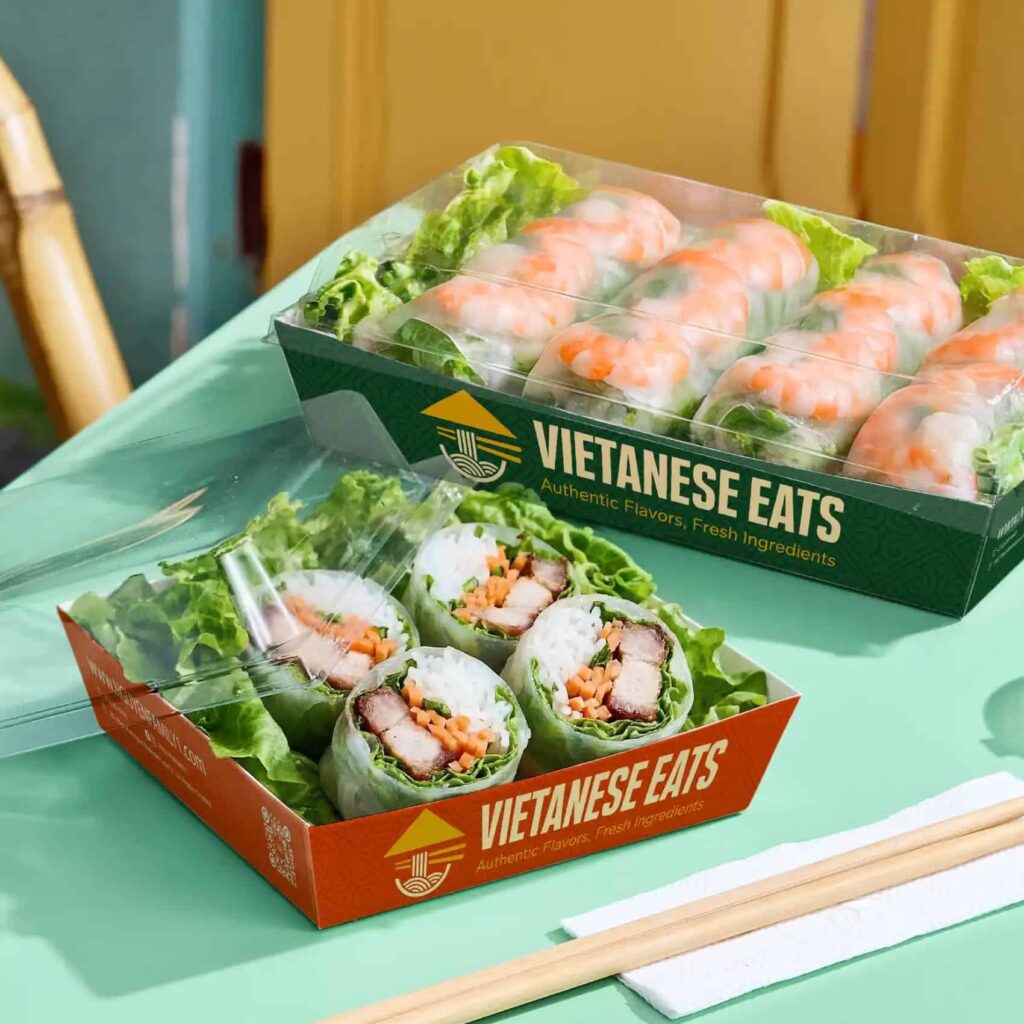
Sushi is delicate—its quality depends on staying cold, dry, and intact. Generic containers often fail here: soy sauce leaks, rice gets soggy, and fish warms up too quickly. Custom restaurant packaging for sushi spots solves these issues with:
- Leak-proof compartments: Separate sections for sushi, soy sauce, wasabi, and ginger prevent cross-contamination and keep rice dry. Fusenpack’s sushi containers even have a small “well” for soy sauce—so it never touches the rice.
- Insulation: Thick, food-safe insulation keeps fish cold for 4+ hours. This is a game-changer for delivery—customers get sushi that tastes just as fresh as if they were dining in.
- Branded presentation: Sushi is as much about looks as taste. Custom boxes with your logo, brand colors, and a clear window (so customers can see the beautiful rolls) make your sushi feel premium. Many sushi restaurants also add a small note on the box, like “Our tuna is wild-caught from the Pacific—served fresh daily.”
One sushi restaurant owner shared: “We didn’t have a clear idea of what we wanted at first. We just knew we needed better packaging than the generic boxes we were using. Fusenpack’s design team asked us questions about our brand—our colors, our vibe, our most popular rolls—and created a box that was perfect. It looked professional, and it kept our sushi fresh. Best of all, we didn’t pay extra for the design work. Our customers love it—we’ve even had people say they keep the boxes as souvenirs!”
2. Brunch Cafés: Convenience for On-the-Go Eaters
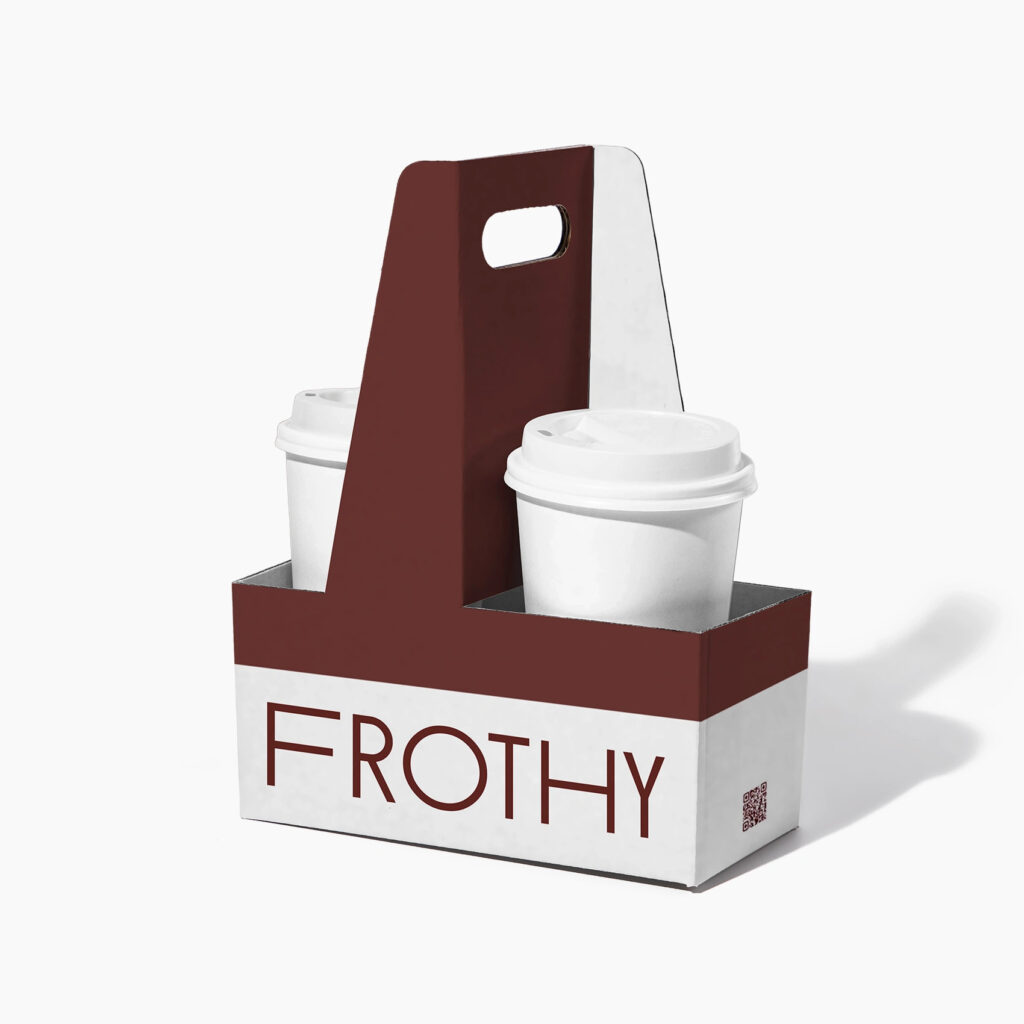
Brunch is all about comfort—but 70% of brunch orders are for takeout or delivery, according to a 2024 report by NPD Group. That means your packaging needs to be portable, spill-proof, and charming enough to make customers smile on their morning commute. Custom restaurant packaging for brunch spots should include:
- Spill-proof coffee cups: Custom cups with tight-fitting lids and heat-resistant sleeves (to prevent burns). Add your logo or a fun message—like “Brunch Makes Everything Better” or “Your Morning Boost Starts Here”—to make them memorable. Fusenpack’s coffee cups also come in eco-friendly options (recyclable or compostable) for cafes that prioritize sustainability.
- Sectioned meal containers: Containers with separate compartments for eggs, hash browns, toast, and avocado—so nothing gets soggy. Many brunch spots add a small packet of hot sauce or ketchup (custom-branded, of course) for convenience.
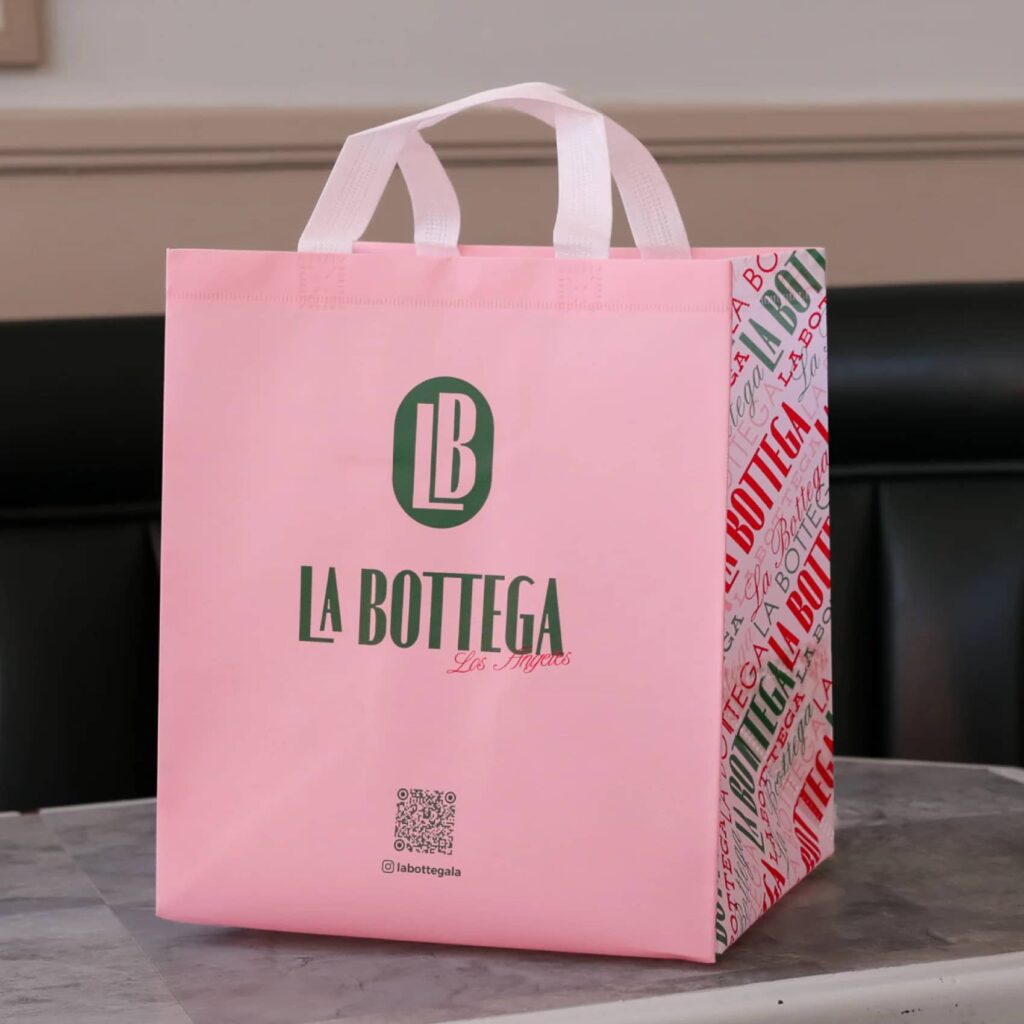
- Portable takeout bags: Reusable or recyclable bags with sturdy handles—perfect for carrying a coffee and a meal. Add a sticker with your social media handle (e.g., “Follow us @BrunchHaven for exclusive deals”) to encourage customers to engage with your brand online.
A brunch café in Chicago said: “We switched to custom packaging from Fusenpack, and our takeout orders jumped by 40%. Customers love that our coffee cups don’t leak—we used to get complaints every week, but now it’s zero. The sectioned containers keep their food hot and intact, and the branded bags get us noticed. Just last week, a customer came in and said, ‘I saw someone carrying your bag on the train, and I had to come try your food!’ It’s like free advertising every time someone walks down the street with our packaging.”
3. Fast-Food Chains: Speed, Durability, and Freshness
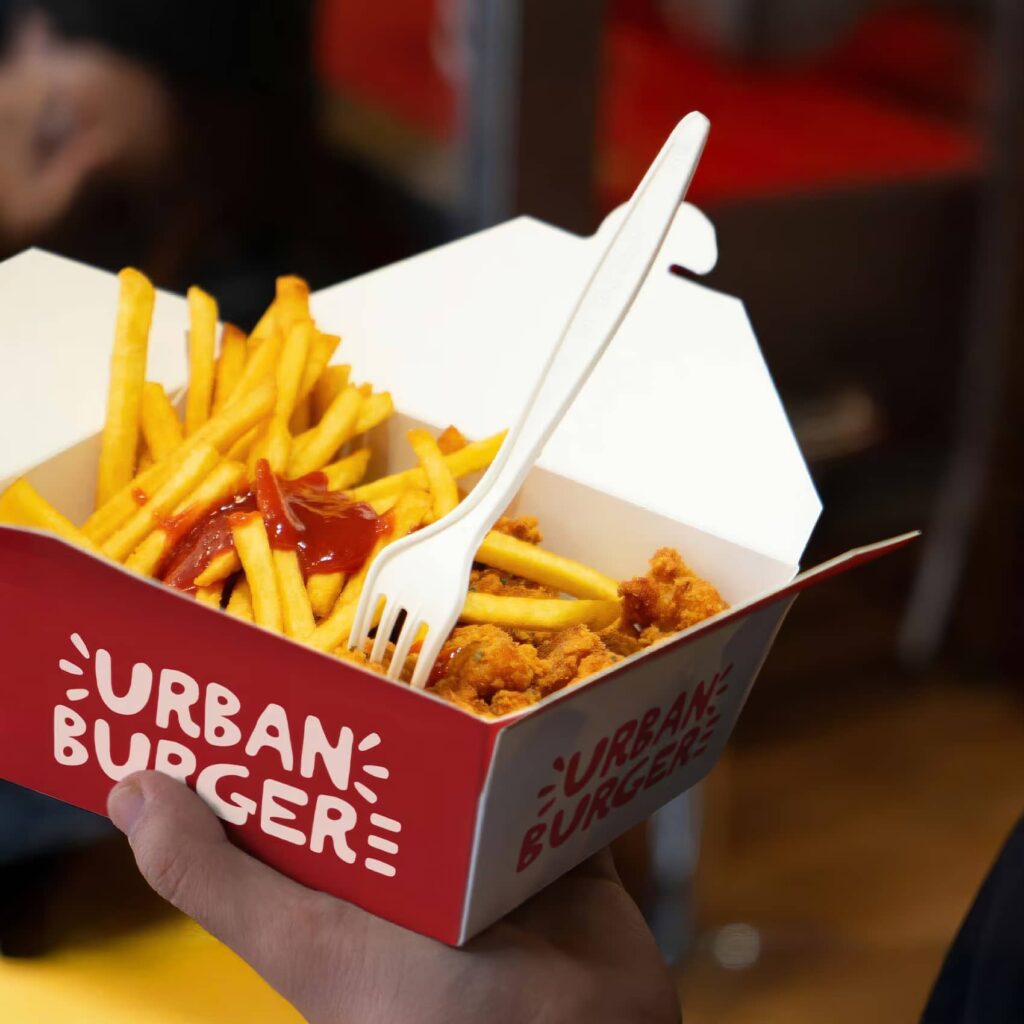
Fast-food customers want their meals quickly—but they also want them fresh (no limp fries, no cold burgers). Generic packaging can’t keep up: boxes get crushed during delivery, wrappers stick to food, and steam makes everything soggy. Custom fast food packaging solves these issues with:
- Vented boxes: Small holes in the top of the box let steam escape—so burgers stay juicy and fries stay crispy. Fusenpack’s vented boxes are also durable, so they don’t get crushed during transport.
- Easy-tear wrappers: Wrappers that tear open with one hand (no more struggling with plastic!) and don’t stick to the food. Customize them with your logo or a promotion—like “Buy One Burger, Get One Free Next Time” or “Join Our Loyalty Program for Free Fries.”
- Eco-friendly options: More and more fast-food customers care about sustainability. Fusenpack offers custom packaging made from recycled or compostable materials—add a note on the box: “This packaging is 100% compostable—thanks for being green.”
A small fast-food chain in Dallas said: “We used to use generic boxes that made our burgers soggy and our fries limp. After switching to Fusenpack’s custom fast food packaging with vent holes, we got zero complaints. The branded wrappers also helped us build loyalty—customers recognize our logo immediately, and they choose us over the big chains because we feel more personal. We even had a customer tell us, ‘Your packaging feels like a friend made my meal.’ That’s exactly what we want.”
Branded Food Packaging: Turn Every Meal Into a Marketing Campaign
Branded food packaging is custom packaging taken to the next level—it’s not just designed for your brand, but to promote your brand. Every time a customer interacts with your packaging, they’re reminded of your business—and they’re more likely to come back, tell their friends, or post about you online. The best part? It’s free marketing. Here’s how to use branded food packaging to grow your business:
1. Keep Your Branding Consistent
Consistency is key to building brand recognition. Your branded packaging should match your website, social media, and in-store decor. For example:
- If your café uses soft blues and greens on your menu, use those same colors on your coffee cups and bags.
- If your logo is a bold, playful font, use that font on your packaging (avoid fancy fonts that are hard to read).
- Stick to 1-2 key messages—like “Locally Sourced” or “Made with Love”—instead of cluttering the packaging with text.
You don’t need a flashy design to make an impact. A simple logo, your brand colors, and one clear message are enough. As Mia from Mia’s Cookie said: “Our packaging is simple—just our logo, pink color, and a short phrase—but it’s consistent. Customers see that pink bag and think ‘Mia’s Cookie’ immediately. That’s the power of consistent branding.”
2. Add a Call to Action (CTA) That Actually Works
A call to action (CTA) encourages customers to engage with your brand beyond their meal. The best CTAs are simple, fun, and low-effort. Try these ideas:
- “Follow us on Instagram @YourBrand for a chance to win a free meal!”
- “Tag us in your photo with #YourBrandEats for a shoutout!”
- “Scan this QR code to join our loyalty program (get a free side dish on your first visit)!”
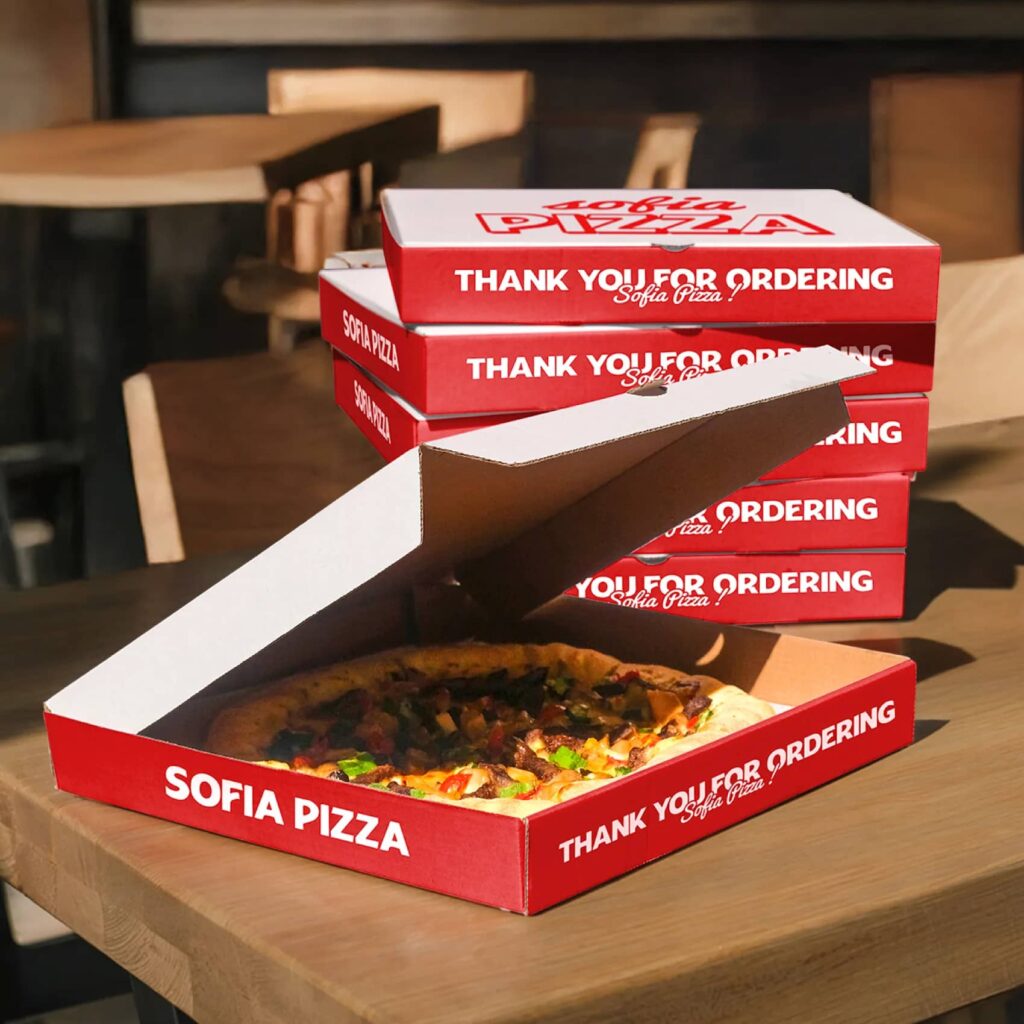
Small businesses love this strategy because it’s low-cost and high-reward. A local pizza place in Denver used branded pizza boxes with a CTA: “Scan the QR code to order online—get free delivery on your first order.” Within a month, their online orders doubled. “Customers loved how easy it was,” the owner said. “They scanned the code, ordered, and came back again. The packaging didn’t just hold the pizza—it drove sales.”
3. Use High-Quality Materials (It Matters More Than You Think)
Branded packaging only works if it feels premium. If your logo is printed on flimsy plastic that tears easily, customers will associate your brand with low quality. But if your packaging is durable, functional, and feels nice to touch, customers will think your food is premium too.
Here’s how to choose the right materials for your brand:
- Eco-friendly brands: Use recycled paper, compostable plastic, or bamboo. These materials show customers you care about the planet—and they feel high-quality.
- Gourmet brands: Use thick, matte paper or rigid boxes. Add a texture (like embossing your logo) for a luxury feel.
- Casual brands: Use durable but affordable materials like kraft paper or recyclable plastic. Focus on functionality (e.g., easy-open lids) over luxury.
Fusenpack offers a wide range of materials to fit every brand and budget. One customer said: “We’re a small bakery on a tight budget, but we didn’t want to skimp on quality. Fusenpack helped us choose a thick kraft paper for our bags—they feel durable, and the printed logo looks great. Customers say our packaging feels ‘homemade but professional,’ which is exactly what we were going for.”
4. Lean Into Social Media (Packaging Is Your Best Photo Prop)
Today’s customers love sharing their meals online—and your packaging is a key part of that. Design your branded packaging to be photo-friendly:
- Use bright, eye-catching colors (they pop on Instagram and TikTok).
- Add a clear window (so customers can show off your food).
- Include a fun design element (like a pattern, a quote, or a cute illustration) that makes the photo more shareable.
- Use a unique shape (e.g., a square coffee cup, a hexagonal cookie box) to stand out in feeds.
A dessert shop in Los Angeles used branded boxes with a clear window and a pastel pink pattern. “Customers post photos of our cupcakes in the boxes all the time,” the owner said. “We get so many new customers who say, ‘I saw your boxes on Instagram and had to try your cupcakes.’ The packaging is our best social media tool—we don’t even need to pay for ads.”
Customised vs. Personalized Food Packaging: What’s the Difference?
You might hear “customised food packaging” and “personalized food packaging” used interchangeably—but they’re slightly different. Both are powerful, but they serve different purposes. Let’s break down the difference, so you can choose the right option for your business:
Customised Food Packaging: Designed for Your Business
Customised food packaging is all about your business’s unique needs. It’s designed to fit your products, solve your problems, and reflect your brand. Think of it as “business-focused” packaging.
Examples of customised food packaging:
- A sandwich shop gets wrappers that are exactly the size of their foot-long subs (no more wasted paper).
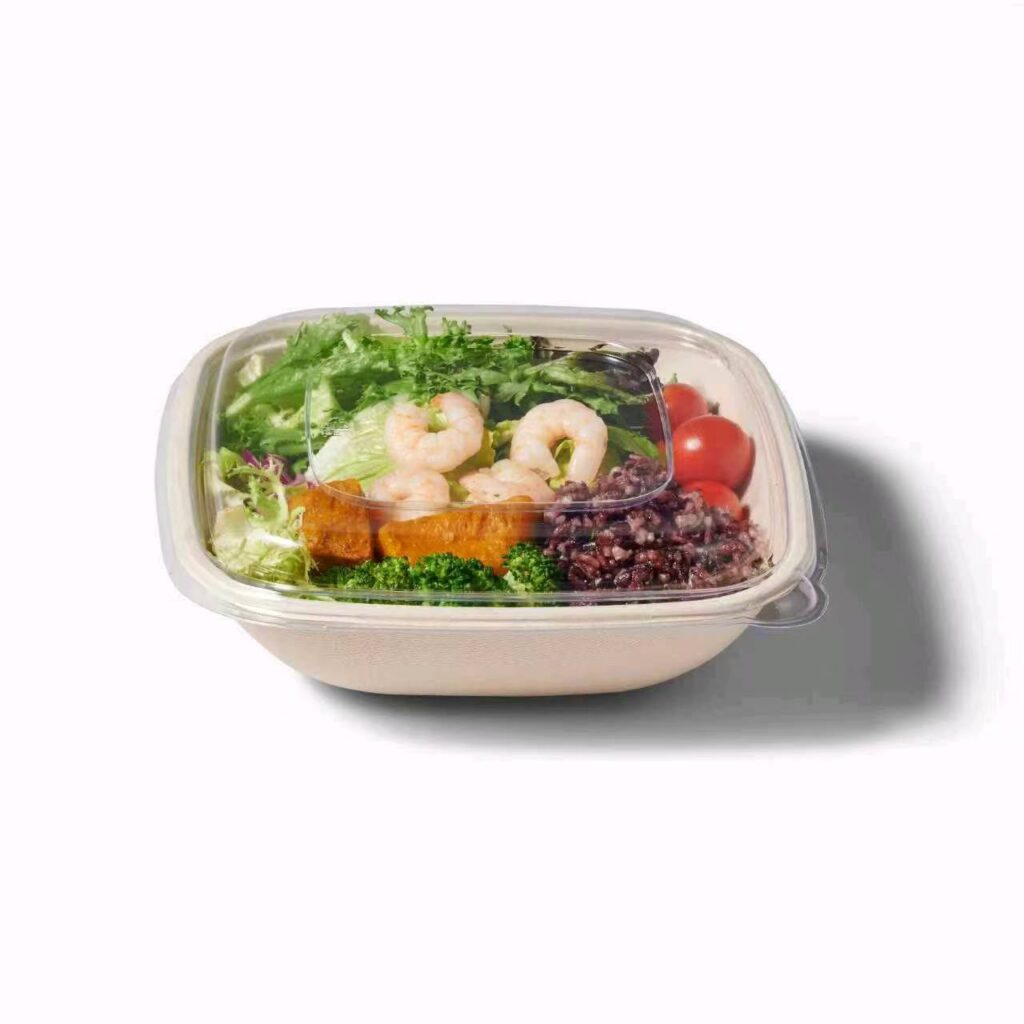
- A salad bar uses containers with separate sections for dressing, croutons, and toppings (so salads stay crisp).
- A sushi restaurant orders boxes with insulation to keep fish cold (solving their biggest delivery pain point).
Customised packaging is practical—it makes your operations smoother, reduces waste, and keeps your brand consistent. Fusenpack specializes in customised solutions for small businesses. One brunch café owner said: “We order all kinds of customised stuff from Fusenpack—chopsticks, wipes, containers, and bags. Everything fits our menu perfectly. The containers have separate sections for our eggs and hash browns, the bags have handles that fit our coffee cups, and the chopsticks are branded with our logo. It’s like they designed everything just for us. And their free warehouse storage means we don’t have to clutter our kitchen with extra supplies.”
Personalized Food Packaging: Designed for Your Customers
Personalized food packaging is all about your customers. It adds a personal touch that makes them feel special—like you’re speaking directly to them. Think of it as “customer-focused” packaging.
Examples of personalized food packaging:
- A bakery writes customers’ names on custom cake boxes for birthdays (e.g., “Happy Birthday, Sarah!”).
- A coffee shop prints “Good Morning, Mike!” on branded cups for regulars.
- A fast-food chain lets customers choose a fun design for their burger wrapper (e.g., a cartoon, a quote, or a sports team logo).
- A restaurant adds a handwritten note on the box: “Thanks for choosing us—we hope you love your meal!”
Personalized packaging builds emotional connections with customers. When someone sees their name on your packaging, or a handwritten note, they feel valued—and valued customers become repeat customers.
A study by Epsilon found that 80% of consumers are more likely to do business with a brand that offers personalized experiences. That’s why so many small businesses are leaning into personalized packaging. A café in Seattle said: “We started writing customers’ names on our cups and adding a small note—like ‘Enjoy your latte!’—and the response was amazing. Regulars say they feel like we know them, and new customers love the personal touch. We’ve had customers come back just because they loved the note on their cup. It’s a small thing, but it makes a big difference.”
The Best of Both Worlds: Combine Customised and Personalized Packaging
You don’t have to choose between customised and personalized—you can combine them! For example:
- A sushi restaurant uses customised containers (with separate compartments and insulation) and adds a personalized note: “Enjoy your sushi, Lisa—we appreciate your loyalty!”
- A bakery uses customised bags (with their logo and window) and writes the customer’s name on the bag: “For Emma—Baked with Love.”
- A fast-food spot uses customised vented boxes (with their logo) and lets customers choose a fun sticker to add to the box.
This combination is powerful because it’s practical for your business and personal for your customers. Fusenpack makes it easy to combine both—their customised packaging can be designed to leave space for personalization (like a blank section for writing names or notes). One customer said: “We love that our custom boxes have a small blank area—we write customers’ names or a quick thank-you note. It’s simple, but it makes the meal feel special. Customers remember it, and they come back.”
Small Business Food Packaging: Affordable Solutions That Work (No Big Budget Required)
Many small business owners think custom food packaging is too expensive—but that’s a myth. With the right partner (like Fusenpack), you can get high-quality, custom packaging that fits your budget. Here’s how to make small business food packaging work for you—without breaking the bank:
1. Start Small (Then Scale)
You don’t need to redesign all your packaging at once. Start with one item that has the biggest impact—like your most popular product’s packaging. For example:
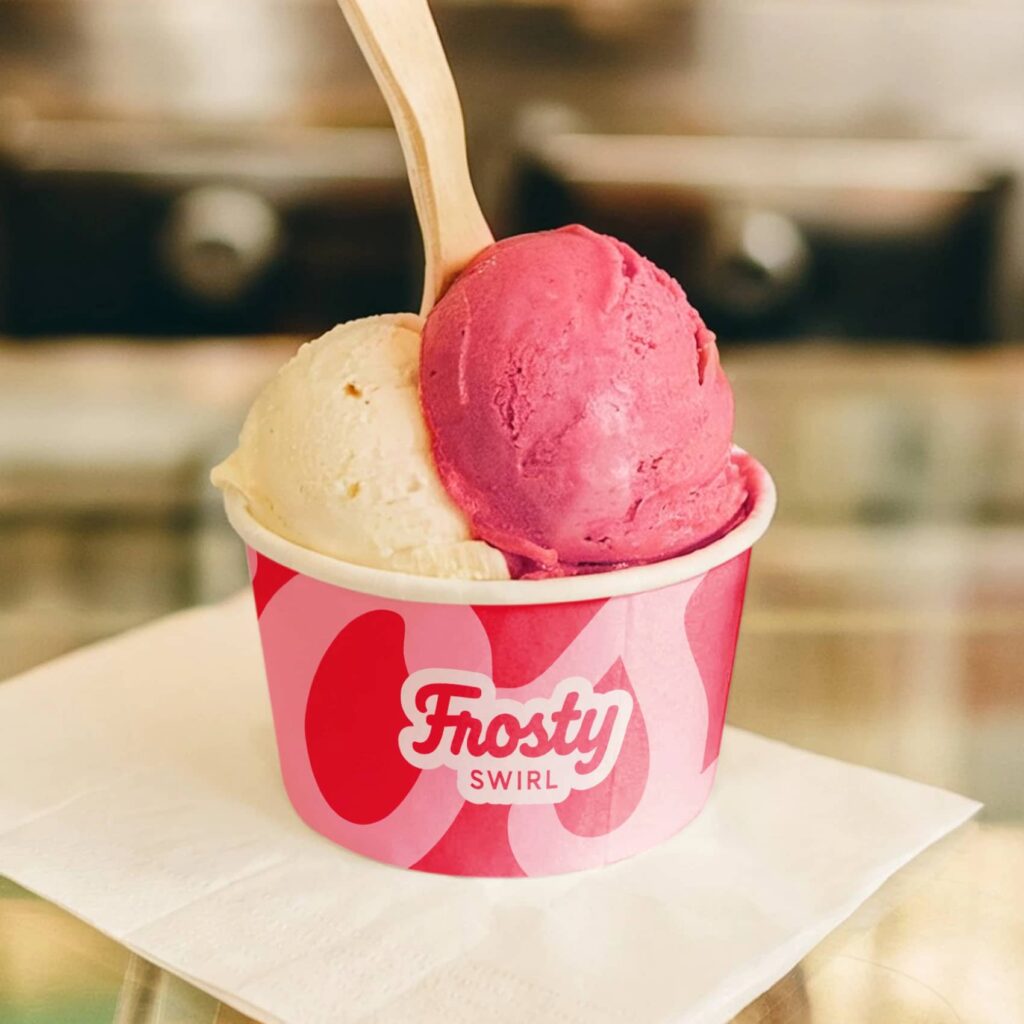
- A small ice cream shop might start with custom branded cups for their signature scoop, then add custom cones later.
- A sandwich shop might start with custom wrappers for their best-selling sandwich, then add custom containers for salads.
- A coffee shop might start with custom cup sleeves, then move to custom cups and bags.
2. Take Advantage of Free Perks (They Add Up)
Many packaging suppliers charge extra for design work, samples, or storage—but Fusenpack offers these perks for free. Here’s how to save money with their free services:
- Free design support: You don’t need to hire a graphic designer. Fusenpack’s team will create a custom design for you—just tell them your brand colors, logo, and message. One customer said: “I’m not creative at all, but Fusenpack’s design team took my vague ideas and turned them into a beautiful bag. And I didn’t pay a penny extra for it.”
- Free warehouse storage: Don’t waste money on renting extra storage space. Fusenpack will keep your packaging inventory for you, and you can reorder when you need more. “Our kitchen is only 200 square feet—we can’t store hundreds of boxes,” a brunch café owner said. “Fusenpack’s free storage saves us from renting a storage unit, which would cost $100 a month. That adds up over time.”
3. Focus on Value, Not Just Cost
Cheaper packaging might save you money upfront, but it can cost you customers in the long run. A flimsy bag that breaks, a container that leaks, or a wrapper that sticks to food will make customers think twice about ordering from you again. Instead, invest in packaging that’s durable, functional, and aligns with your brand—even if it costs a little more.
Here’s how to calculate the true value of custom packaging:
- If a custom wrapper costs $0.10 more than a basic one, but it reduces food waste by 10% and increases repeat orders by 15%, it’s worth it.
- If a custom cup costs $0.05 more than a basic one, but it gets you 50 new social media followers (who each order $10 worth of food), it’s a profit.
Common Mistakes to Avoid When Choosing Food Packaging
Even with the best guide, it’s easy to make mistakes when choosing food packaging. Here are 5 common pitfalls—and how to avoid them:
1. Choosing the Wrong Material (Forgetting About Your Food’s Needs)
Mistake: Using a material that doesn’t fit your food. For example, using non-insulated packaging for cold food (it will warm up) or non-vented packaging for hot food (it will get soggy).Solution: Think about your food’s specific needs. Cold food needs insulation; hot food needs vents; wet food (like soup) needs leak-proof material. Ask your supplier for recommendations—Fusenpack’s team can help you choose the right material for your menu.
2. Overcomplicating the Design (Cluttered Packaging = Confused Customers)
Mistake: Adding too many logos, colors, or text to your packaging. It looks messy, and customers can’t focus on your brand.Solution: Keep the design simple. Stick to 1-2 colors, your logo, and one clear message. Less is more—customers will remember a clean, simple design better than a cluttered one.
3. Ignoring Your Customers’ Usage Habits (Packaging That’s Hard to Use)
Mistake: Choosing packaging that looks good but is impractical. For example, a beautiful box that’s impossible to open, or a cup that leaks.Solution: Think about how your customers use your packaging. Do they eat on the go? Choose easy-open lids and portable designs. Do they share food? Choose containers that are easy to split. Test the packaging with your team or a few loyal customers before ordering.
4. Forgetting About Sustainability (Customers Care About the Planet)
Mistake: Using non-recyclable or non-compostable packaging—even though 70% of consumers say they prefer eco-friendly options.Solution: Choose sustainable materials whenever possible. Fusenpack offers a wide range of eco-friendly options, including recycled paper, compostable plastic, and bamboo. Even small changes (like switching to recyclable cups) can make a big difference in how customers perceive your brand.
Final Thoughts: Food Packaging Is Your Secret Weapon—Use It
Food packaging isn’t just a necessity—it’s a secret weapon for growing your business. Whether you’re a small bakery, a sushi restaurant, or a fast-food spot, custom food packaging helps you:
- Stand out from competitors (generic packaging makes you invisible—custom packaging makes you memorable).
- Protect your food (no more complaints about soggy fries or leaky soup).
- Promote your brand (every box is a free ad that reaches new customers).
- Build loyalty (personalized, high-quality packaging makes customers feel valued).
And with a partner like Fusenpack, it’s easy, affordable, and stress-free. They offer free design support, flexible order sizes, and reliable customer service—so you can focus on what you do best: making delicious food.
Ready to take your food packaging to the next level? Here’s your action plan:
- Assess your current packaging: What’s working? What’s not? (e.g., “Our coffee cups leak” or “Our sushi containers don’t keep food cold.”)
- Define your brand: What colors, logo, and message do you want to showcase on your packaging?
- Reach out to Fusenpack: Request free design support and discuss your needs with their design team.
- Start small: Order a small batch of custom packaging to test (e.g., custom cups or containers for your most popular product).
- Track results: Watch for increases in takeout orders, social media mentions, and customer feedback.
- Scale up: Once you see the results, expand to more custom packaging (e.g., bags, wrappers, or utensils).
Your food is amazing—don’t let generic packaging hold it back. With custom food packaging, you’ll turn every meal into a marketing opportunity, every customer into a fan, and your small business into a success story.
Visit Fusenpack today to get started. Your brand (and your customers) will thank you.
Contact us for a free design consultation at Fusenpack.