Vietnamese Restaurant Packaging Ideas: A Unique Introduction to Vietnamese Cuisine
By
Contents
If you’re planning to open a Vietnamese restaurant, this list of packaging ideas is a must-save! But even if you’re not, let me take this chance to introduce you to some incredible Vietnamese cuisine. Try it! From steaming Pho to delicate Bánh Xèo, each dish requires specific packaging solutions. Let’s explore how to best package these Vietnamese favorites and ensure your customers receive their food just as delicious as it was when it left the kitchen.
Do You Know the Latest Food Trend? – Phở (Vietnamese Pho)
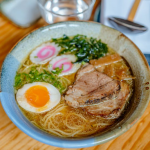
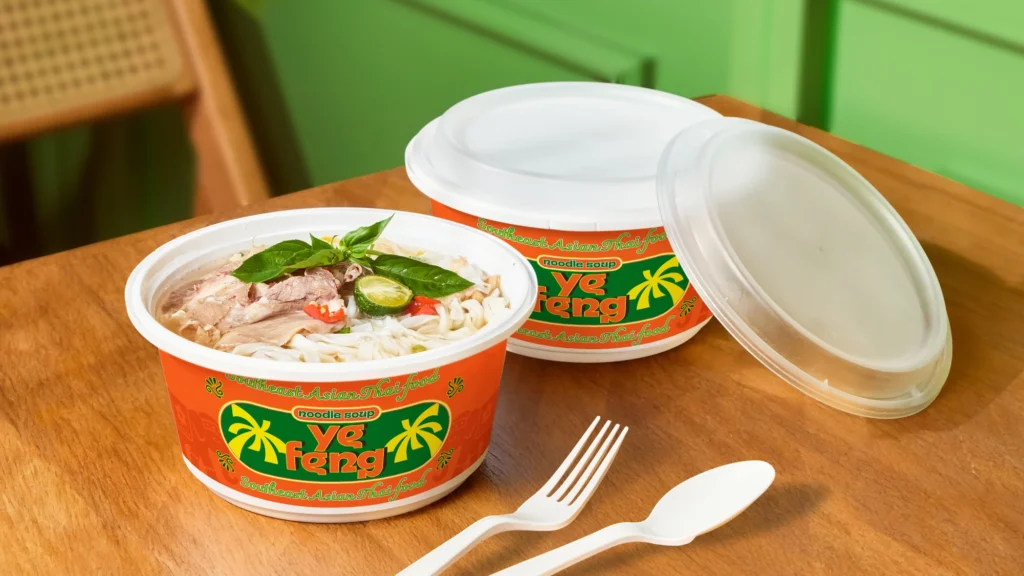
Pho is a favorite worldwide, but it poses challenges for takeout due to its soupy nature. Packaging for Pho needs to be highly functional, keeping the broth hot and preventing spills.
Here’s what you need for proper Pho packaging:
- Insulation: Pho needs to stay hot until it reaches the customer. Insulated, leak-proof bowls with secure lids will ensure the soup retains its heat and arrives fresh.
- Durability: Sturdy, high-quality materials are a must to avoid leakage and spillage during transport.
- Heat Resistance: Containers need to withstand hot liquids without melting or deforming. Plastic or sturdy paper bowls with a secure lid work well here.
Fusenpack can help create durable, heat-resistant packaging that ensures your Pho arrives piping hot, every time.
Gỏi cuốn (Vietnamese Spring Rolls)
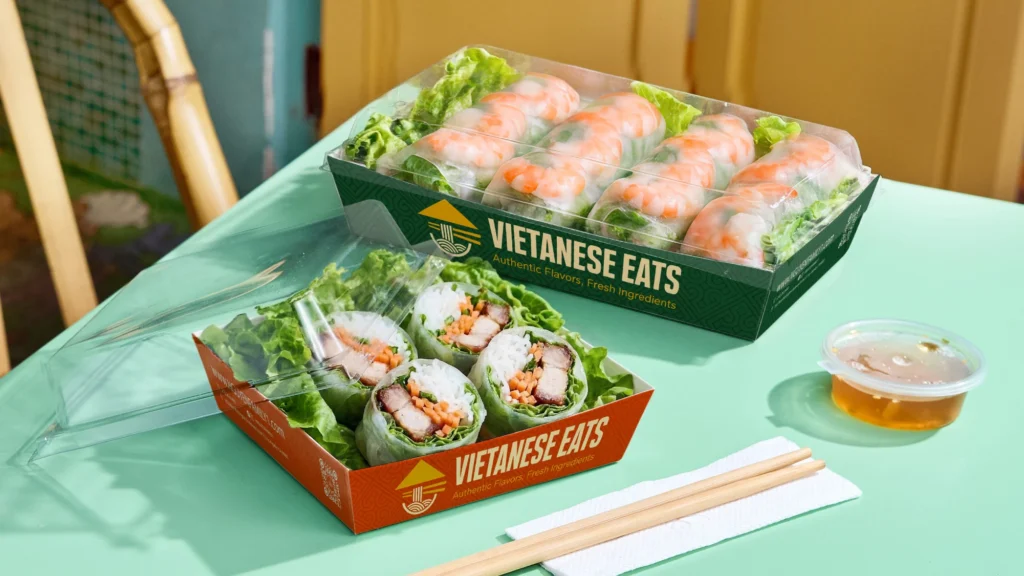
Whether it’s fresh or fried, spring rolls need proper packaging to maintain their texture and flavor.
- Secure Takeout Box: For fresh spring rolls, secure packaging helps keep each roll intact and the fillings in place. A clear lid shows off the fresh ingredients, while a sauce compartment helps prevent sogginess.
- Ventilated Packaging: For fried spring rolls, packaging with small ventilation holes ensures the rolls stay crispy instead of steaming and getting soggy.
Bánh Mì (Vietnamese Baguette)
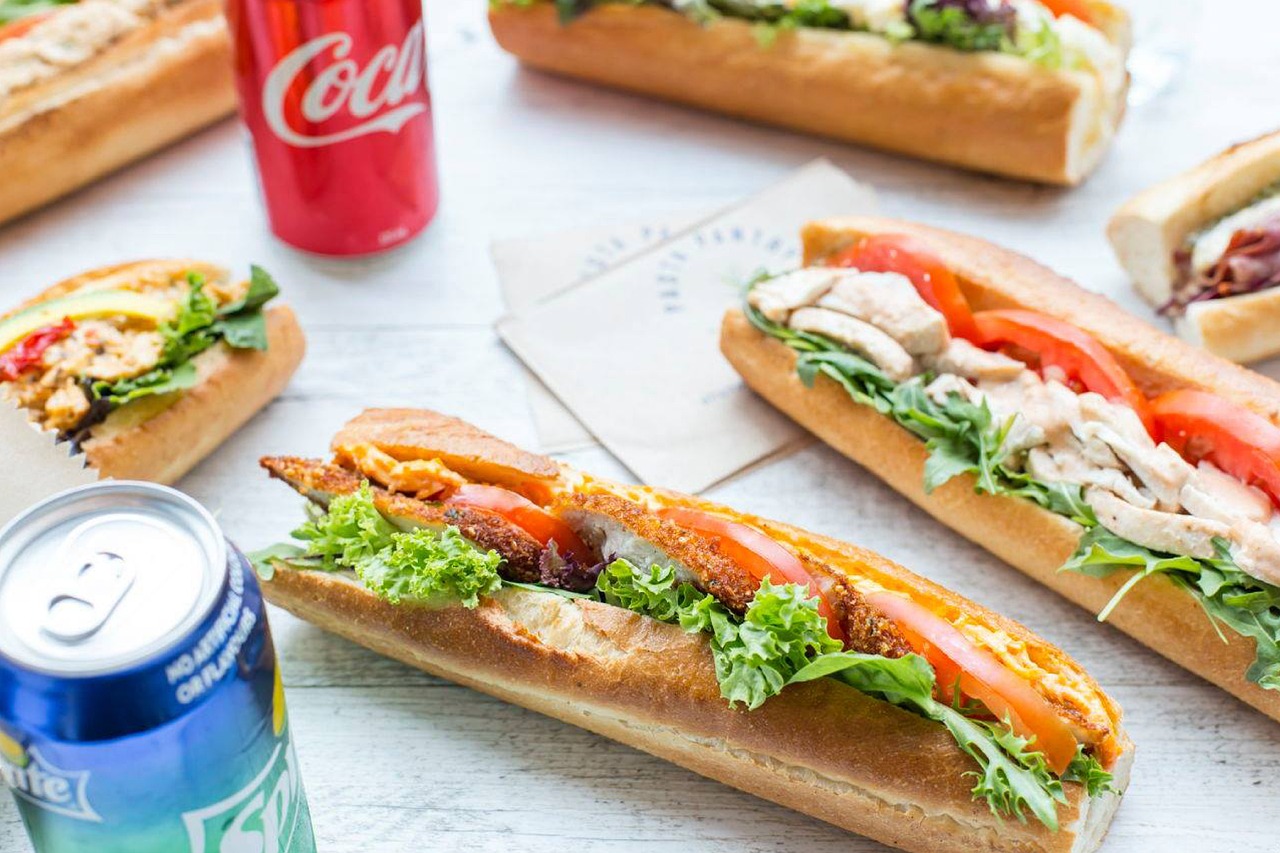
The famous Bánh Mì sandwich needs packaging that preserves the crunchiness of the bread while keeping the fillings fresh.
- Paper Wraps or Sleeves: Wrapping the baguette in breathable paper or foil-lined sleeves keeps the bread crusty while preventing moisture build-up.
- Separate Condiment Containers: For sauces or pâté, consider packing them separately so customers can add them just before eating to avoid soggy bread.
Bánh Xèo (Vietnamese Pancake)
Bánh Xèo, a crispy Vietnamese pancake, is delicate and prone to getting soggy. The key to its packaging is maintaining its crisp texture while keeping it warm.
- Compartmentalized Containers: These allow the pancakes to be separated from sauces and fresh herbs, preserving their texture.
- Ventilated Boxes: To maintain the crispiness of the pancakes, ventilated packaging is ideal to let steam escape, keeping the pancake crunchy.
Cơm Tấm (Broken Rice)
Cơm Tấm is a Vietnamese staple that comes with grilled meat, rice, and vegetables. The packaging needs to keep each component fresh and warm.
- Divided Containers: Use multi-compartment containers to separate the grilled meat from the rice and veggies, ensuring everything stays fresh and doesn’t get soggy.
- Leak-Proof Sauce Cups: Include small, sealed cups for fish sauce or chili sauce to avoid leaks and spills during transit.
Bún Bò Huế (Hue-Style Beef Noodle Soup)
This spicy, fragrant noodle soup requires similar packaging to Pho but needs extra attention to spice control.
- Separate Broth Containers: Pack the broth separately from the noodles and toppings to prevent sogginess. Customers can mix the components at home.
- Insulated, Heat-Proof Bowls: The packaging must retain heat well and withstand high temperatures, as this soup is served hot and spicy.
Chè (Vietnamese Desserts)
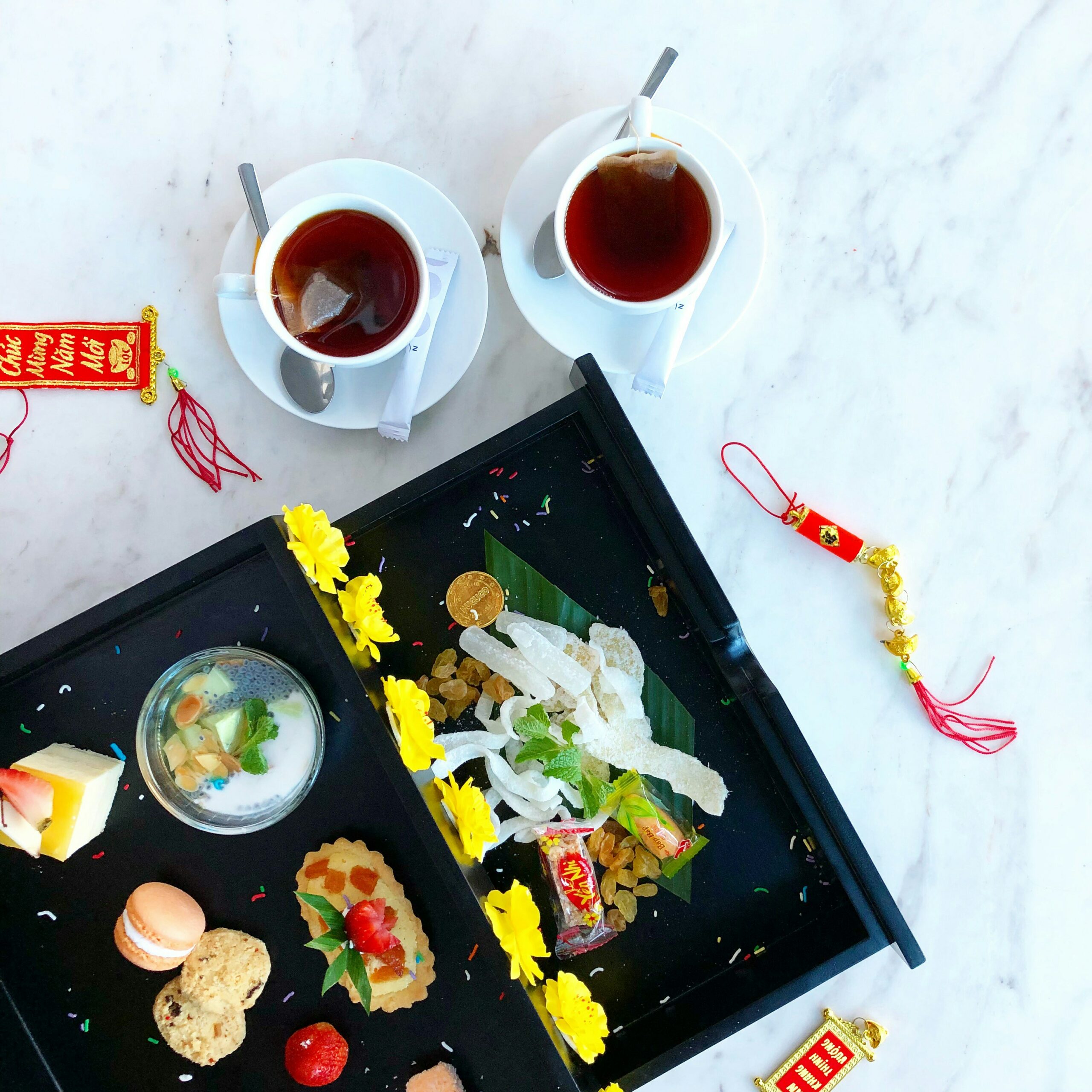
Chè is a popular Vietnamese dessert that comes in a variety of flavors and textures, from sweet soups to puddings. Packaging for these desserts needs to be leak-proof and durable.
- Leak-Proof Containers: Small plastic or glass containers with secure lids are ideal for keeping liquids and soft ingredients contained.
- Portion Control Cups: Offering desserts in individual-sized, sealed containers makes it easy for customers to enjoy on the go.
Fish Sauce, Soy Sauce, and Other Condiments
Vietnamese meals are incomplete without flavorful dipping sauces like fish sauce, soy sauce, or chili sauce. These condiments need packaging that prevents spills and keeps them fresh.
- Leak-Proof, Single-Serve Containers: Provide small, secure containers for condiments to avoid spills during transit.
- Easy-Pour Lids: Consider using containers with spouts or easy-pour lids to ensure customers can enjoy the sauces without messy spills.
Conclusion
Packaging is a critical part of the Vietnamese restaurant experience. Whether you’re sending out hot bowls of Pho, crispy spring rolls, or fragrant Bún Bò Huế, the right packaging ensures your food arrives fresh, flavorful, and looking its best.
With FUSENPACK, you can create custom packaging solutions designed to enhance your customers’ takeout or delivery experience. From heat-resistant containers to leak-proof sauce cups, we’ll help you ensure that every order is a perfect representation of your restaurant’s quality and authenticity.
Ready to elevate your Vietnamese restaurant’s packaging? Let FUSENPACK guide you to packaging perfection!