What Type of Printing Is Used For Food Packaging?
By
Contents
In today’s restaurants or food delivery, packaging preserves product freshness and acts as a silent salesperson. With consumers making decisions at grocery stores, the visual appeal of packaging can determine whether a product flies off the shelf or gathers dust. But behind every vibrant design lies a carefully chosen printing technique, balancing aesthetics, functionality, and compliance with food safety standards.
This guide dives into the types of printing for food packaging, analyzes their strengths, and provides actionable insights to help businesses select the ideal solution for their needs.
Types of Printing Used for Food Packaging
1. Flexography (Flexo)
Flexography reigns supreme in the food packaging world, particularly for high-volume production runs. This technique utilizes flexible photopolymer plates mounted on rotating cylinders, which transfer fast-drying inks onto materials like polyethylene films, paperboard, or corrugated cardboard. Its adaptability to uneven surfaces makes it ideal for printing on potato chip bags, cereal boxes, and frozen food pouches.
Best For: Large-scale production of labels, pouches, and wrappers.
Advantages:
- Exceptional speed (up to 2,000 feet per minute), reducing per-unit costs.
- Compatibility with water-based inks, meeting FDA food safety requirements.
- Ability to print on heat-sensitive materials without distortion.
2. Gravure Printing
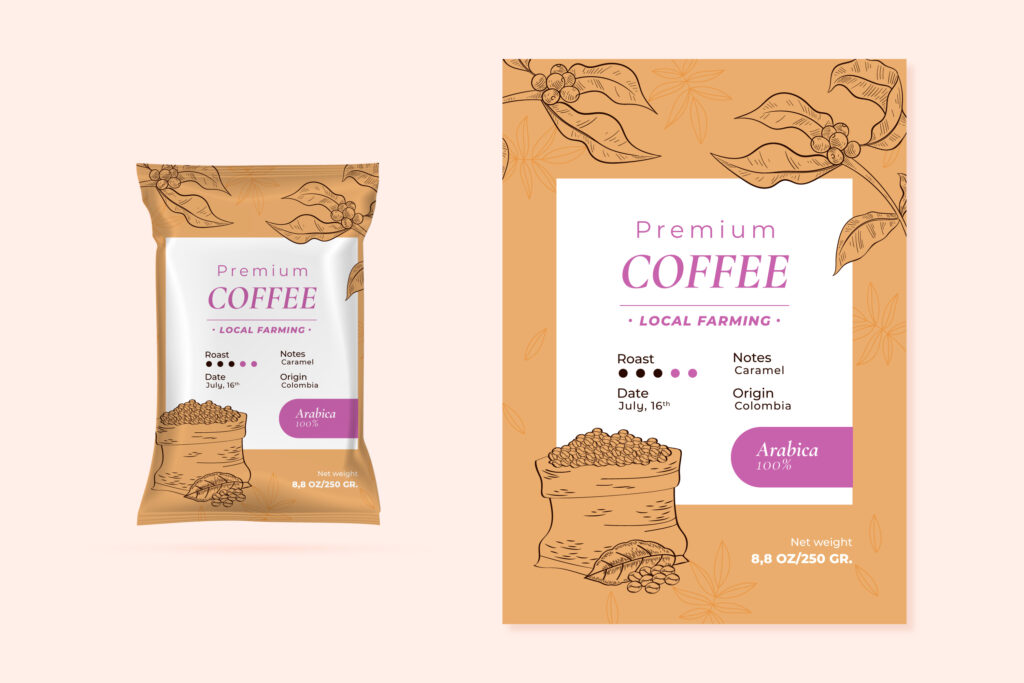
Gravure printing, often called “rotogravure,” is the gold standard for intricate, high-resolution designs. The process involves etching images onto copper-plated cylinders, with each cylinder dedicated to a specific ink color. As the substrate passes through the press, ink fills the microscopic cells of the cylinder, transferring detailed patterns onto materials like metallized films or glossy paper.
Best For: Premium products requiring photorealistic imagery (e.g., coffee packaging with detailed bean illustrations).
Advantages:
- Unmatched color consistency across millions of prints.
- Ability to reproduce fine details like gradients and small text.
- Long-lasting cylinders suitable for repeat orders.
3. Hot Stamping
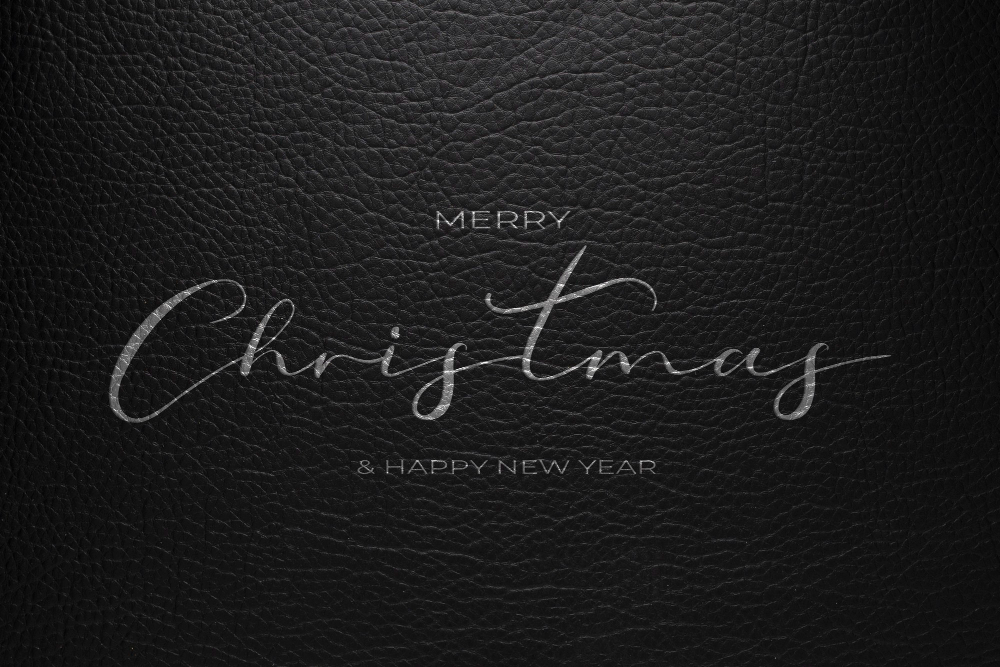
Hot stamping elevates packaging from ordinary to opulent. This technique employs heated metal dies to press metallic or pigmented foil onto substrates, creating reflective finishes that catch the consumer’s eye. In the food sector, it’s widely used for holiday-themed confectionery or limited-edition products where perceived value drives purchasing decisions.
Best For: Luxury branding elements like logos, borders, or decorative patterns.
Advantages:
- Adds tactile sophistication with raised foil textures.
- Enhances shelf visibility under retail lighting.
- Foils can include anti-counterfeit features (e.g., holographic patterns).
4. Digital Printing
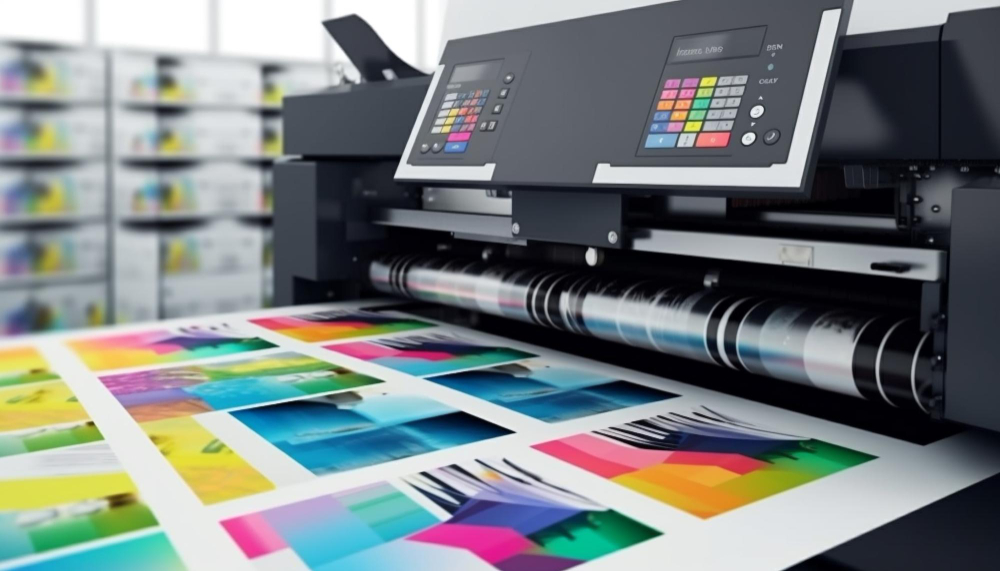
Digital printing disrupts traditional methods by eliminating the need for physical plates. Using advanced inkjet or electrophotographic systems, it prints directly onto packaging materials from digital files. This method thrives in the era of personalization, allowing brands to create small batches of seasonal designs (e.g., Halloween-themed cookie boxes) or region-specific packaging without massive upfront costs.
Best For: Short runs, rapid prototyping, or hyper-customized campaigns.
Advantages:
- Turnaround times as short as 48 hours for urgent orders.
- Cost-effective for variable data printing (e.g., unique QR codes on each package).
- Supports complex designs with unlimited color variations.
5. Screen Printing
Screen printing, also known as silk screening, is a versatile method that uses a mesh screen to transfer ink onto a substrate. Areas of the screen are blocked off with a stencil, allowing ink to pass through only the desired sections. This technique is particularly effective for printing on irregular or textured surfaces, such as glass jars, metal tins, or fabric bags.
Best For: Artisanal or niche food products requiring bold, opaque designs.
Advantages:
- Produces vibrant, long-lasting prints that resist fading.
- Works on a wide range of materials, including curved or uneven surfaces.
- Ideal for small to medium production runs with minimal setup costs.
6. Lithography (Offset Printing)
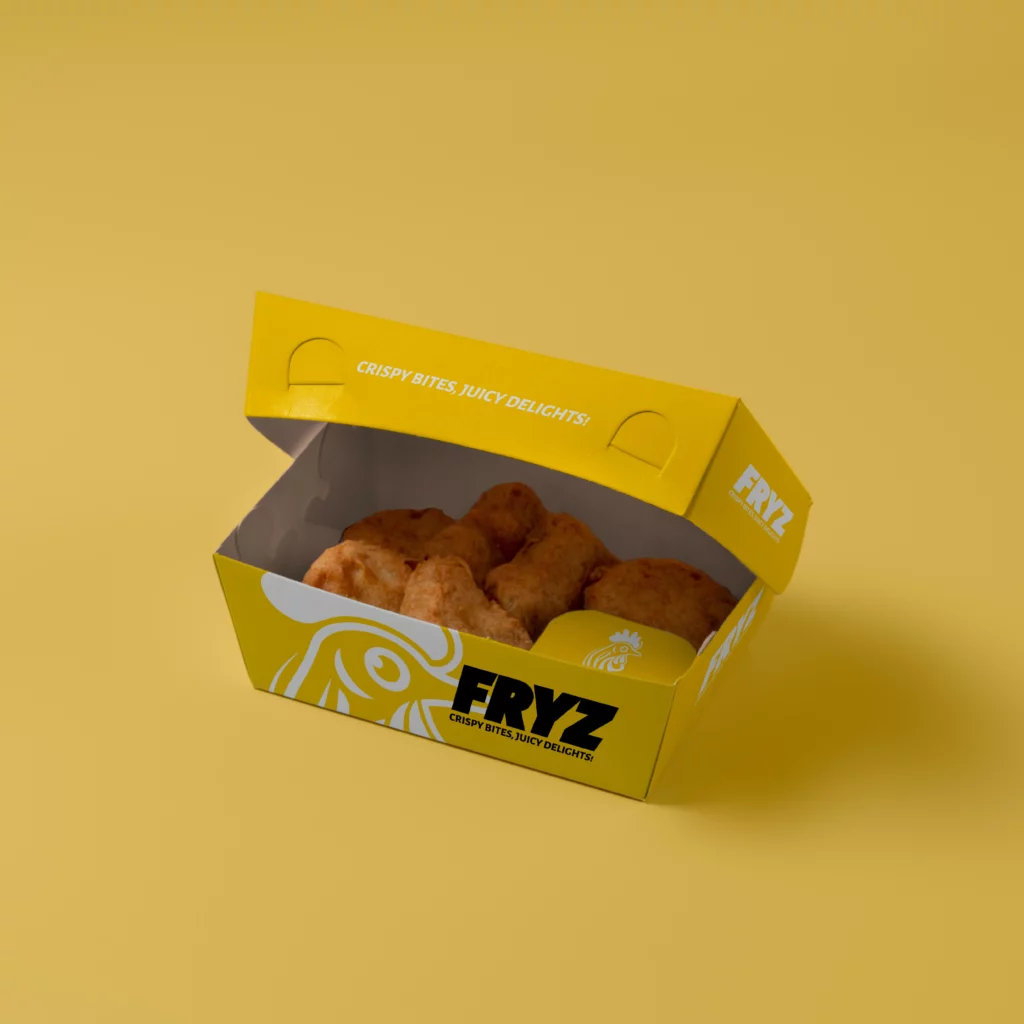
Lithography, or offset printing, is a widely used method for producing high-quality prints on flat or large surfaces. The process involves transferring an image from a metal plate to a rubber blanket and then onto the packaging material. This indirect method ensures consistent, sharp prints, making it a favorite for folding cartons, corrugated boxes, and large labels.
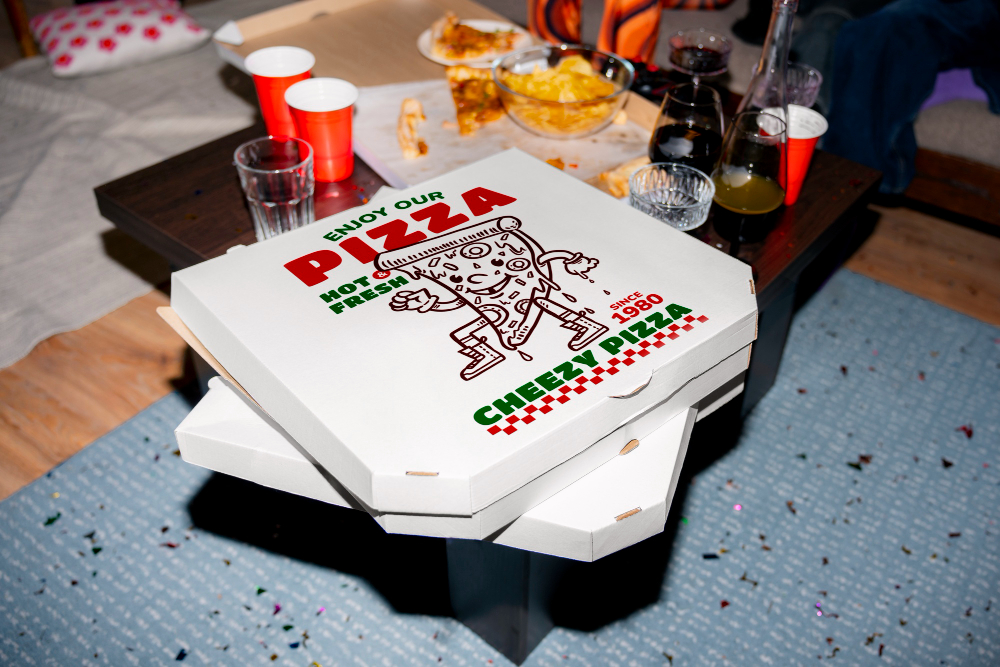
Best For: Medium to large runs of flat packaging (e.g., cereal boxes, pizza boxes).
Advantages:
- Exceptional color accuracy and detail, ideal for photorealistic images.
- Cost-effective for high-volume orders due to lower per-unit costs.
- Supports additional finishes like gloss or matte coatings for enhanced durability.
Choosing From Various Types of Food Packaging Printing
When selecting a printing method, it’s essential to consider your specific requirements and constraints. Start by evaluating your production volume—large-scale operations may benefit from the efficiency of flexography or gravure, while smaller businesses might find digital printing more cost-effective.
Next, assess your design complexity. If your packaging features intricate patterns or gradients, gravure or offset printing may be the best choice. For bold, simple designs, screen printing or flexography could suffice.
Budget is another critical factor. While digital printing has lower setup costs, it may not be economical for high-volume runs. Conversely, flexography and gravure require significant upfront investment but offer lower per-unit costs for large orders.
Finally, consider your packaging material. Flexible films work well with flexography, while rigid materials like glass or metal may require screen printing. By carefully weighing these factors, you can choose a printing method that balances quality, cost, and efficiency.
To simplify your decision-making process, here’s a comparison table of the most common printing methods:
| Method | Best For | Volume | Cost | Material Compatibility |
| Flexography | Labels | High | Low/unit | 1. Plastic 2. Paper 3. Cardboard |
| Gravure | Detailed designs | High | Low/unit | 1. Films 2. Glossy 3. Paper |
| Hot Stamping | Luxury branding, metallic finishes | Low | Moderate | 1. Paper 2. Carton 3. Laminated board |
| Digital Printing | Custom designs | Low | Higher/unit | 1. Paper Cardboard 2. Plastics |
| Screen Printing | Textured surfaces | Medium | Moderate | 1. Glass 2. Metal 3. Fabric |
| Lithography | Flat or large items | Medium | Moderate | 1. Paperboard |
Frequently Asked Questions About Food Packaging Printing
Q1: Can I use multiple printing methods on one package?
Absolutely! Combining printing methods can create stunning, multi-dimensional designs. For example, you might use flexography for the base colors and hot stamping for metallic accents. This approach allows you to leverage the strengths of each technique, resulting in packaging that stands out on the shelf.
Q2: Is digital printing eco-friendly?
Digital printing is generally more eco-friendly than traditional methods because it produces less waste. Unlike flexography or gravure, it doesn’t require printing plates, reducing material usage. Additionally, many digital printers use water-based or UV-curable inks, which are safer for the environment. However, the sustainability of your packaging also depends on the materials used, so opt for recyclable or biodegradable substrates whenever possible.
Q3: How do I ensure my packaging is food-safe?
Food safety is paramount when choosing printing methods and materials. Ensure that the inks and substrates comply with FDA or EU regulations. Water-based and UV-curable inks are often preferred for their low toxicity. Additionally, work with a reputable supplier like Fusenpack to ensure your packaging meets all safety standards.
Q4: What’s the turnaround time for custom printed packaging?
Turnaround times vary depending on the printing method and order size. Digital printing offers the fastest turnaround, often within 1–2 weeks, making it ideal for urgent or small-batch orders. Flexography and gravure typically take 4–6 weeks due to the need for plate creation and setup. Plan ahead to ensure your packaging is ready when you need it.
Conclusion
The right printing method can transform your food packaging from a mere container into a powerful branding tool. Whether you’re producing millions of snack bags or crafting limited-edition luxury boxes, understanding the strengths of each technique is key to making informed decisions. From the high-speed efficiency of flexography to the luxurious appeal of hot stamping, each method offers unique advantages tailored to different needs. Partner with Fusenpack to explore custom printed food packaging solutions that combine quality, sustainability, and innovation. Your brand deserves packaging that’s as exceptional as your product.