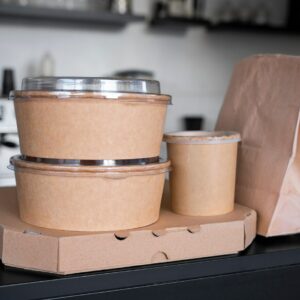
Which Material is The Best For Food Packaging?
By
Contents
- Understand the Role of Food Packaging in Restaurant Operations
- Overview of Popular Food Packaging Materials
- How to Choose the Right Packaging Material for Your Food
- Eco-Friendly Packaging for Sustainable Restaurants
- Comparing Packaging Costs: Paper, Plastic, Compostable & Foil
- Customization Options: Branding on Different Material Types
- Material Suitability for Kitchen Use and Storage
- Delivery Speed & Turnaround: Choosing the Right Supplier
- Final Comparison: Best Packaging Material by Use Case
- FAQs About Food Packaging Material
- Conclusion
For restaurant owners, especially those managing small to mid-sized establishments, the packaging you choose affects food safety, delivery efficiency, brand impression, environmental responsibility, and cost control. This article is designed to help you compare the most common packaging materials and confidently decide what’s best for your food and business.
Understand the Role of Food Packaging in Restaurant Operations
Food packaging is the first physical touchpoint your customer has with your product. It represents your brand’s professionalism, attention to detail, and care for quality. With the rise of takeout and delivery, packaging now plays a bigger role in maintaining food integrity and customer satisfaction.
Material choice affects more than appearance. Poor material selection can lead to soggy burgers, leaking soups, or a box collapsing before it reaches your customer. In contrast, the right material can retain freshness, support sustainability, and enhance loyalty through an elevated unboxing experience.
Overview of Popular Food Packaging Materials
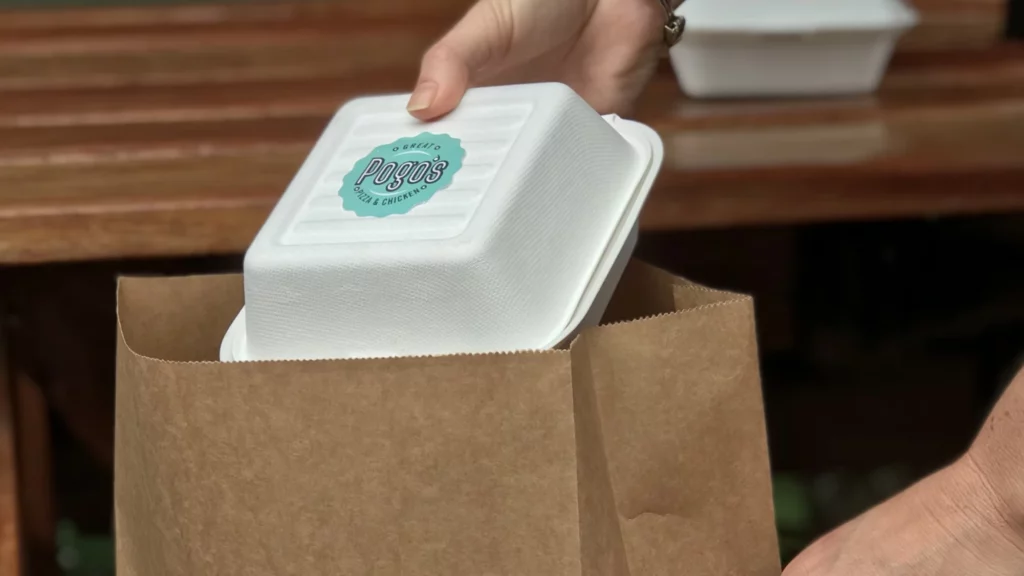
When choosing packaging materials, restaurant owners often consider six primary options: plastic, paperboard, foil, glass, bioplastics, and natural fibers like bamboo or bagasse. Each material has distinct strengths and limitations based on use case, regulatory compliance, customer preferences, and cost.
| Material | Best For | Pros | Cons |
| Plastic (PET, PP, PLA) | Cold foods, sauces | Lightweight, sealable, transparent | Not always recyclable |
| Paperboard | Burgers, bakery items | Printable, affordable | Weak with grease or moisture |
| Foil/Aluminum | Hot grilled foods | Excellent heat retention | Higher cost, less eco-friendly |
| Glass | Upscale desserts, condiments | Premium look, non-reactive | Heavy, breakable |
| Bioplastics (PLA) | Eco-focused cold/hot items | Compostable, renewable source | Sensitive to heat, higher cost |
| Bamboo/Bagasse | Takeout, eco-friendly meals | Compostable, sturdy, natural look | Limited shapes |
How to Choose the Right Packaging Material for Your Food
Safety should always be your top priority. Ensure the material is certified food-grade, BPA-free, and compliant with FDA or LFGB standards. This is especially critical when packaging hot or oily foods, which can leach chemicals from lower-quality containers.
Durability in transit is the next concern. Ask yourself: Will the box collapse under weight? Does it leak when sauces or grease are present? A single spill can ruin a customer’s entire perception of your brand.
Insulation also matters. Double-wall paper or foil layers help retain heat, while PET or laminated board is better for cold desserts or drinks. Always match the insulation performance to the food type.
If your menu ranges from fried chicken to fruit parfaits, you may need a combination of materials. Consider their strengths and limitations in relation to each dish.
Eco-Friendly Packaging for Sustainable Restaurants
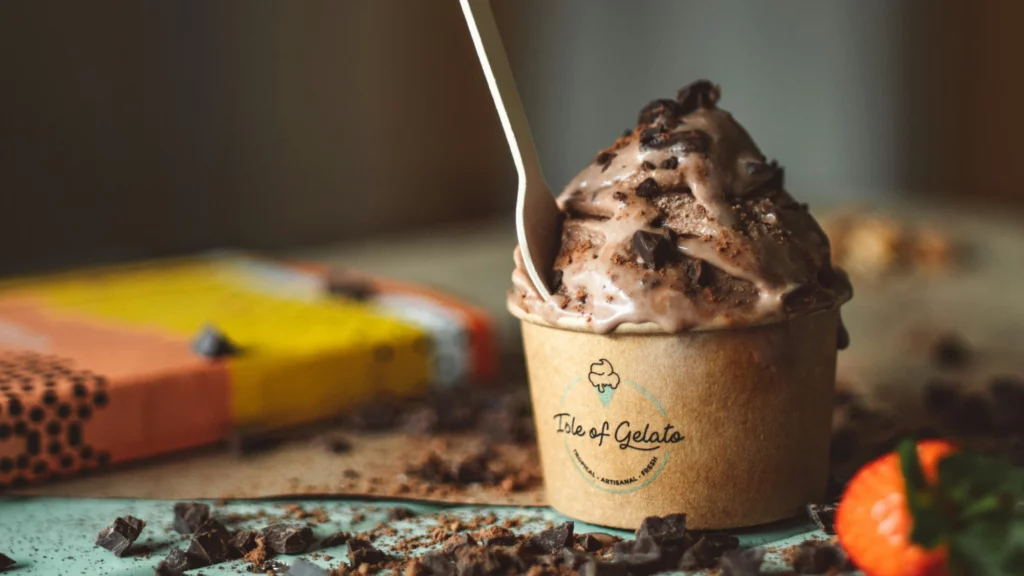
Going green doesn’t mean sacrificing performance. Compostable, recyclable, and reusable materials all have distinct use cases.
Compostable options (like PLA or bagasse) break down in industrial composting facilities and work well for dry to moderately greasy foods. Recyclable packaging, such as clean paperboard or PET, is easier for consumers to dispose of but must be free of contamination. Reusables, including glass or thick plastic containers, are great for subscription meals or deposit-return programs.
Materials like PLA, kraft paper, and bagasse offer a balance between eco-friendliness and functional performance. Be sure to look for certifications like BPI (Biodegradable Products Institute) or FSC (Forest Stewardship Council) for added credibility.
Comparing Packaging Costs: Paper, Plastic, Compostable & Foil
Cost remains a deciding factor. Compostable options generally cost more per unit than paper or plastic. For example, a standard paperboard box might cost $0.12/unit, while a compostable PLA option could reach $0.25/unit.
But don’t just look at unit cost—consider the total value. Sustainable packaging can attract loyal, high-value customers. Bulk discounts and low MOQs (minimum order quantities) from suppliers like Fusenpack help offset higher base prices.
Also factor in shipping costs: lighter materials like paper and bioplastics reduce freight costs compared to heavier glass or foil.
Customization Options: Branding on Different Material Types
Materials like kraft paper and white cardboard are highly customizable. Digital printing allows low-MOQ orders with full-color graphics, while offset printing is ideal for larger batches with detailed branding.
Eco-friendly materials may require special inks or coatings to retain sustainability claims, so work with a packaging partner experienced in green printing.
Thoughtful design—like a branded burger wrap or a snack box with a window—elevates your customer’s experience and encourages sharing on social media.
Material Suitability for Kitchen Use and Storage
Every material performs differently in real kitchen environments. Not all are microwave- or freezer-safe. PLA, for instance, can warp under high heat, while paperboard may soften in refrigeration.
Understanding the shelf life and moisture tolerance of each material helps with storage planning. For instance, foil-lined boxes have excellent moisture protection, while untreated paper may need dry storage.
Choose a material that fits your prep, storage, and serving cycle to avoid quality or food safety risks.
Delivery Speed & Turnaround: Choosing the Right Supplier
When selecting a packaging supplier, speed matters. Custom packaging can take 10–20 days for production, depending on material, complexity, and quantity. Factors like material availability and print setup time impact this window.
During peak seasons, fast turnaround becomes a competitive advantage. Fusenpack specializes in quick delivery, even for custom-printed eco-friendly packaging, and provides free storage solutions for ongoing clients.
Final Comparison: Best Packaging Material by Use Case
Different foods call for different solutions. Here are typical scenarios and best-fit material options:
- For hot soup delivery, use double-wall paper with PE lining for insulation and leak resistance.
- For eco-friendly bento boxes, bagasse or PLA containers offer compostability and strength.
- For premium desserts, PET clamshells or glass jars enhance presentation and freshness.
- For fried takeout, foil-lined kraft boxes handle oil and heat well.
- For cold beverages, pair a paper cup with a PET lid for practicality and printability.
FAQs About Food Packaging Material
Q1: Which packaging material is the most eco-friendly?
A: Bagasse and PLA are compostable and made from renewable sources, making them highly eco-friendly.
Q2: What material is best for hot food delivery?
A: Double-wall paper with a PE or PLA lining is ideal for insulation and preventing leaks.
Q3: Can I customize packaging if I choose eco-materials?
A: Yes. Kraft paper, PLA, and bagasse can be printed on with eco-safe inks and coatings.
Q4: How do I know if packaging is food safe?
A: Check for certifications like FDA, LFGB, or BPI, and ask your supplier to provide documentation.
Q5: What’s the most cost-efficient material for large orders?
A: Paperboard is often the most budget-friendly for high-volume use, especially with Fusenpack’s bulk discounts.
Conclusion
Choosing the right packaging material is about brand trust, food quality, and sustainability. From PET to bagasse, each material offers unique benefits. Assess your menu, operations, and customer values before selecting.
Fusenpack offers a wide range of certified food-grade packaging materials, including customizable sustainable options with fast turnaround and low MOQ.