Packaging Materials for Food Preservation: Enhance Freshness and Safety
By
Contents
Explore unique packaging materials for food preservation that help extend shelf life and maintain freshness. Learn how to choose the right packaging materials for your products.
When it comes to running a successful food business, choosing the right packaging materials for food preservation is essential. While many restaurant owners are familiar with common options like plastic or paper packaging, there are several specialized materials that can significantly improve food quality and longevity. In this article, we’ll explore some less common but highly effective packaging materials for food preservation.
Why Packaging Materials for Food Preservation Matter
The right packaging materials play a critical role in maintaining food freshness, preventing contamination, and extending shelf life. Not all foods require the same type of packaging, and choosing the right material depends on the specific needs of your product. Let’s take a look at five packaging materials that can enhance the preservation process.
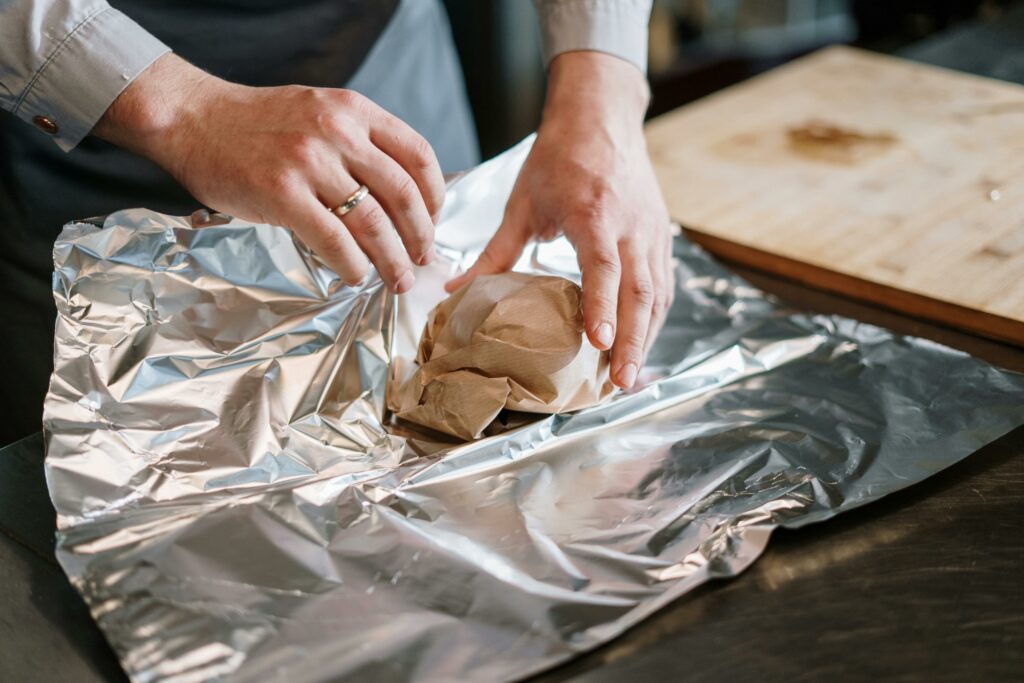
Aluminum Foil
- Features: Aluminum foil is an excellent material for protecting food from light, moisture, and grease. It is heat-resistant and can withstand both high and low temperatures.
- Uses: Perfect for baked goods, cooked foods, and items that need to be frozen or reheated. Aluminum foil is a versatile option for maintaining food quality during storage and transportation.
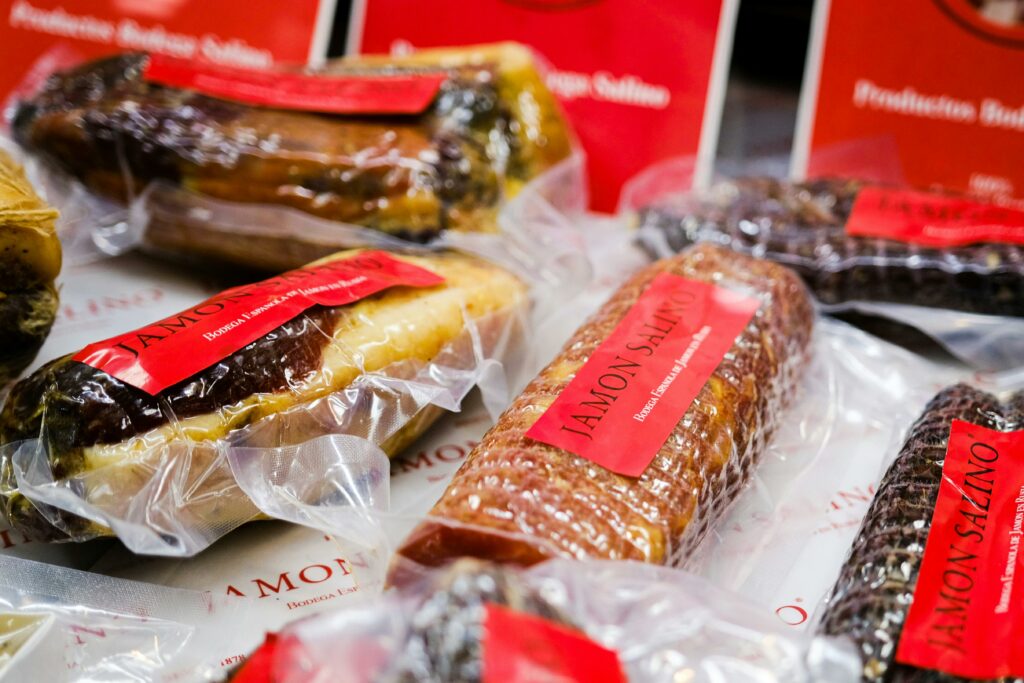
Vacuum Bags
- Features: Vacuum packaging involves removing air from the bag, which helps reduce oxidation and bacteria growth, thus extending food shelf life.
- Uses: Ideal for storing meat, seafood, and dried fruits. Vacuum bags are commonly used in long-term food storage to preserve freshness and prevent spoilage.
Edible Films
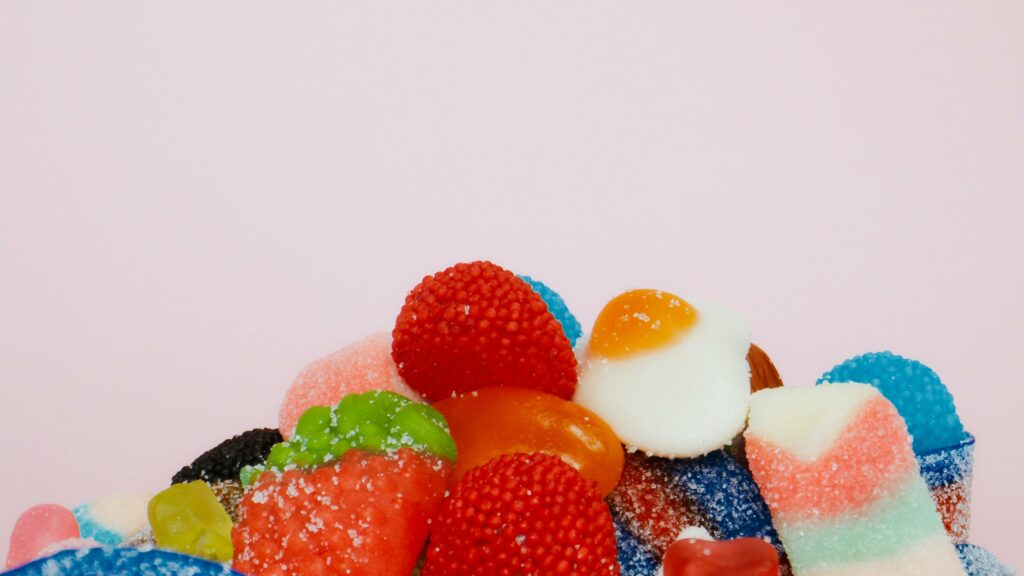
- Features: Made from natural ingredients like gelatin or starch, edible films are a sustainable and eco-friendly option for food packaging. These films are safe to eat and have no harmful environmental impact.
- Uses: Best for fresh fruits, vegetables, candy, and snacks. Edible films are perfect for food preservation without creating waste.
Insulated Packaging
- Features: Insulated packaging materials, often made from foam or thermal materials, help maintain the temperature of the food inside. This type of packaging is critical for temperature-sensitive items.
- Uses: Ideal for frozen foods or hot meals that require proper temperature control during delivery or storage.

Modified Atmosphere Packaging (MAP)
- Features: MAP alters the composition of gases within the packaging to slow down the spoilage of food. This method significantly extends the shelf life of perishable items.
- Uses: Commonly used for fresh produce, meat, and dairy products. MAP is effective in maintaining freshness by controlling the environment inside the packaging.
Conclusion
Selecting the right packaging materials for food preservation not only extends shelf life but also ensures food safety and quality. FUSENPACK, as a One-Stop Custom Restaurant Packaging Provider, can offer a full range of packaging material production services. We provide competitive pricing, free storage, and shipping, all to help your brand stand outWhether you’re in need of eco-friendly materials, temperature-controlled packaging, or innovative designs, FUSENPACK has got you covered.
Visit our website or contact us at sales@fusenpack.com! We will be happy to preserve your food products with the best packaging solutions available!