Cold Drink Condensation During Delivery and the Hidden Damage to Your Brand Image
By
Contents
- Why Cold Drink Condensation Happens So Fast During Delivery
- How Condensation Quietly Destroys Your Logo
- Why Paper Bags Fail First (Not the Cup)
- What Actually Works: It’s a System, Not a Single Fix
- Why Thicker Cups Don’t Solve the Problem
- Delivery Checklist for Real-World Operations
- Choosing by Scenario (What Actually Matters)
- The Real Insight: This Is a Brand Perception Problem
- FAQ
Cold drink condensation isn’t just a small delivery inconvenience.
It’s the moment your packaging starts failing — often before the customer even opens the bag.
A cold cup pulled out of a warm delivery bag is rarely just “a little wet.”
It usually means slippery hands, stained paper, and a brand impression that quietly drops a level.
Why Cold Drink Condensation Happens So Fast During Delivery
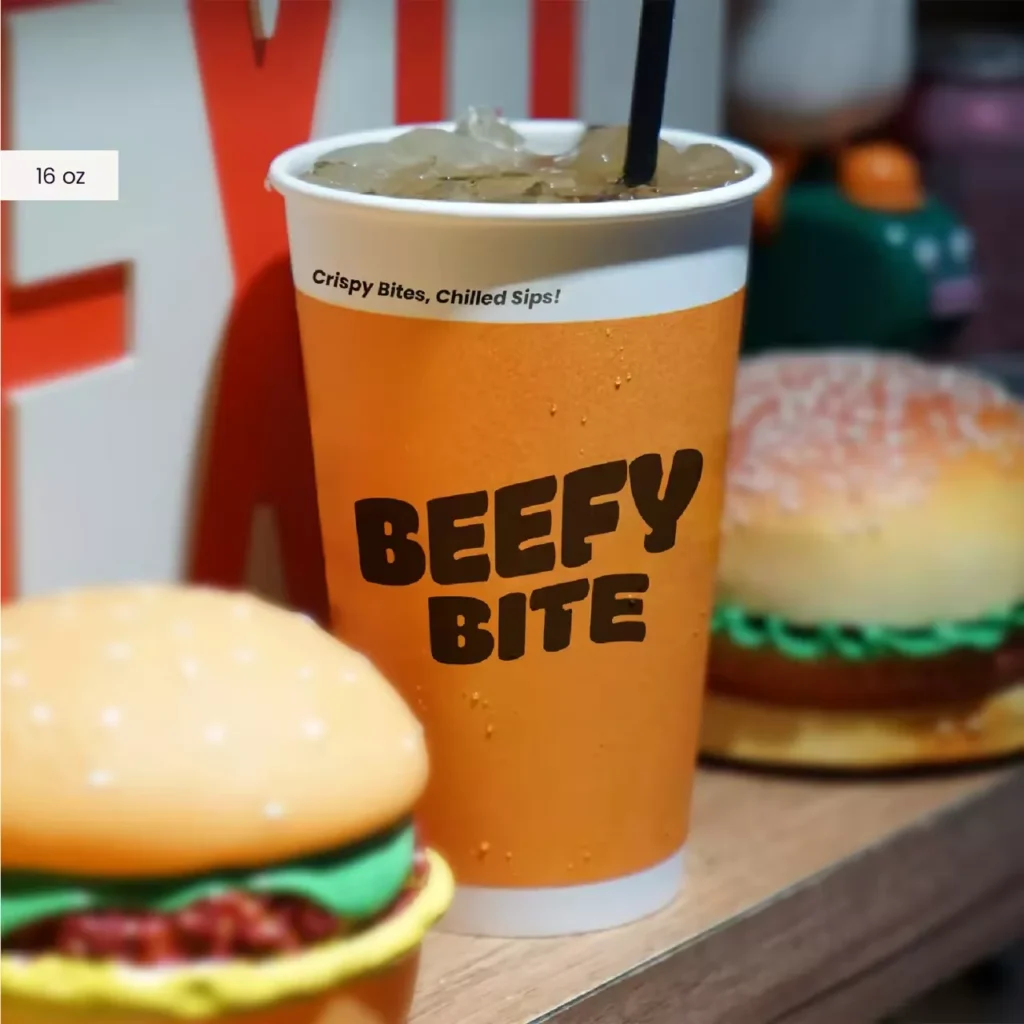
When a cold cup meets warm, humid air, moisture forms on the outside almost instantly.
But in delivery, this isn’t happening in a controlled environment — it’s happening inside moving bags, during summer heat, and under pressure from stacked orders.
What this actually leads to in real deliveries:
- Cups become harder to hold within minutes
- Moisture spreads inside the delivery bag
- Packaging starts looking “handled too much” even when it’s fresh
What looks like a simple physics effect turns into a packaging failure chain reaction.
Cold drink cups shouldn’t be chosen only for appearance — they need to survive the delivery environment itself.
How Condensation Quietly Destroys Your Logo
Most brands discover this too late: the design looks perfect… until real delivery starts.
The issue isn’t the print file. It’s what happens after contact with moisture.
Typical damage patterns include:
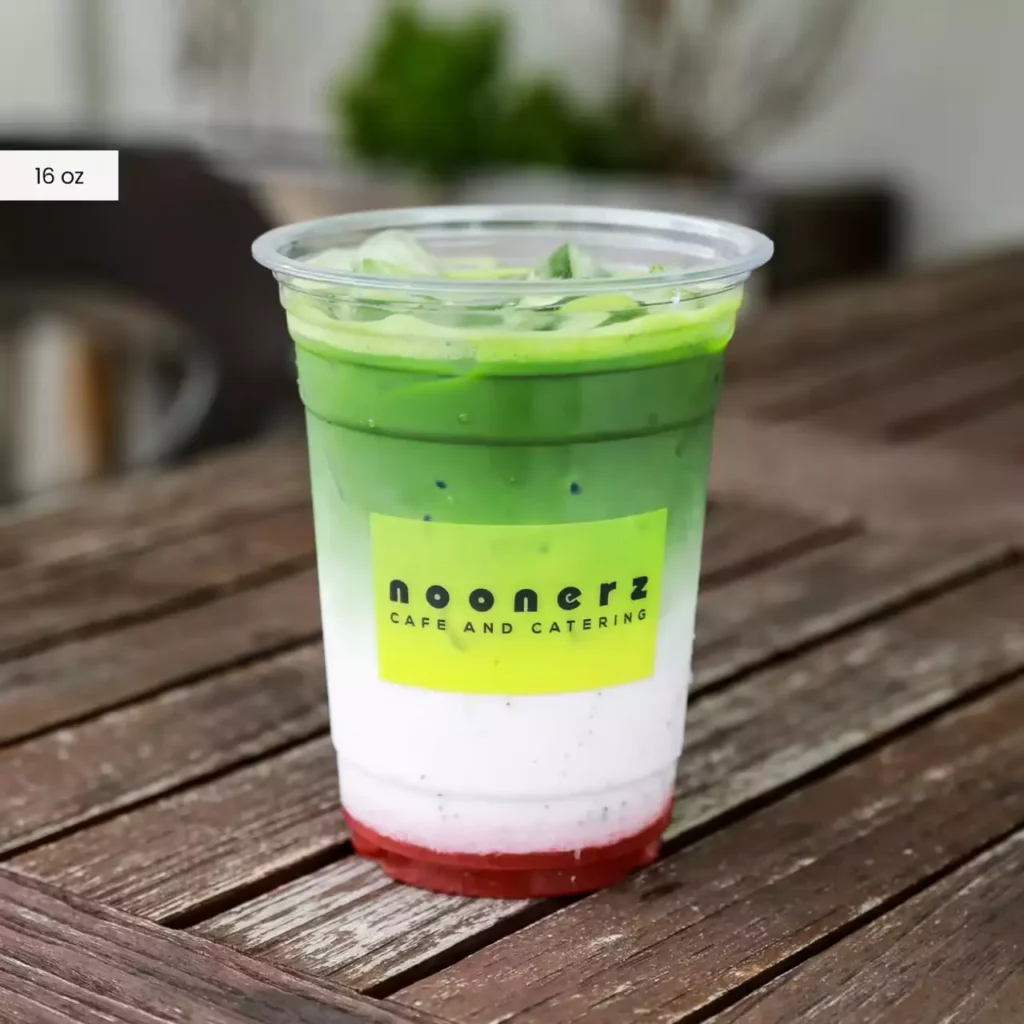
- Ink softening at the edges, especially on paper cups
- Color shift, where bright tones turn dull under moisture
- Surface dullness, where the cup stops feeling “clean”
Customers won’t analyze it. They’ll just feel it.
And that feeling is usually:
“This looks cheaper than I expected.”
That gap between design intent and delivery reality is where brand perception quietly breaks.
Why Paper Bags Fail First (Not the Cup)
In most delivery orders, the cup isn’t the first failure point — the bag is.
A wet cup sitting inside a paper bag for 15–30 minutes creates a slow breakdown.
What happens in real conditions:
- The bag base starts losing rigidity under moisture
- Handles feel weaker during handoff
- Exterior wrinkles appear, even if nothing spilled
It doesn’t look like “damage.”
It looks like poor handling — even when everything was packed correctly.
Standard paper bags were never designed for condensation-heavy drinks. That mismatch is the real issue.
What Actually Works: It’s a System, Not a Single Fix
There’s no single product that solves cold drink condensation.
What works in real operations is a combination that shares the load.
| Problem | Practical Fix |
| Cup slips in hand | Cup sleeve adds grip and absorbs surface moisture |
| Logo becomes unclear | Cold-rated cup with moisture-resistant coating |
| Bag softens or stains | Laminated or moisture-resistant paper bag |
| Overall delivery looks “messy” | Matched cup + sleeve + bag system |
The key idea is simple: each layer protects the next one.
Why Thicker Cups Don’t Solve the Problem
This is where many buyers get misled.
Thicker cups feel safer. They feel more premium. But they don’t stop condensation.
The moisture doesn’t come from inside the cup — it forms on the outside surface where warm air hits cold material.
So even a thicker cup will still:
- Sweat on the exterior
- Transfer moisture to bags
- Affect logo visibility
Double-wall designs help with heat insulation, but they don’t change surface condensation behavior.
The problem isn’t thickness.
It’s surface interaction.
Delivery Checklist for Real-World Operations
Before choosing packaging, it helps to think in actual delivery conditions, not product photos.
For cafés:
- Does the cup still look clean after 20–30 minutes?
- Does the print stay sharp when slightly wet?
- Is grip stable without extra accessories?
For boba shops:
- Does the cup stay visually clear in transit?
- Does the bag resist moisture from multiple drinks?
- Does handling stay stable at handoff?
For delivery-heavy brands:
- Are cup and bag tested together, not separately?
- Does packaging still feel “intentional” after transport?
Most failures don’t come from one weak item — they come from mismatched ones.
Choosing by Scenario (What Actually Matters)
Different businesses don’t fail in the same way.
- Coffee shops: visual consistency matters most — cups must stay clean-looking even when slightly wet
- Boba shops: visibility and stability matter most — especially with heavier drinks
- Cold brew / iced coffee: hand feel matters most — grip is everything
- Delivery-first brands: system stability matters most — nothing should collapse under transit time
Trying to use one “universal cup” is usually where problems start.
The Real Insight: This Is a Brand Perception Problem
Cold drink condensation is often treated like a packaging issue.
But customers don’t see packaging — they see the experience.
A 2023 Datassential report found that 67% of delivery customers link packaging condition with perceived food and drink quality.
That means condensation doesn’t stay on the cup.
It moves into perception.
A small boba chain in Houston once switched only their outer bags to moisture-resistant material. The cups stayed the same. Within two months, packaging complaints dropped and repeat orders improved.
Nothing changed visually in isolation — but the experience felt more consistent.
The fix isn’t complicated
It’s just a system: the right cold cup, a sleeve where needed, and a bag that doesn’t fall apart in transit.
Fusenpack offers custom paper cold cups, clear PET cold cups, cup sleeves, laminated paper bags, and water-resistant tote bags — so the fix is a system, not a patchwork. If you want your cold drink delivery to look clean and stable, match the cup and the outer bag from the start.
FAQ
Q: Why does my cold drink cup feel wet?
A: It’s condensation forming when warm air hits a cold surface. It’s normal — but manageable with better material design.
Q: Do cup sleeves stop condensation?
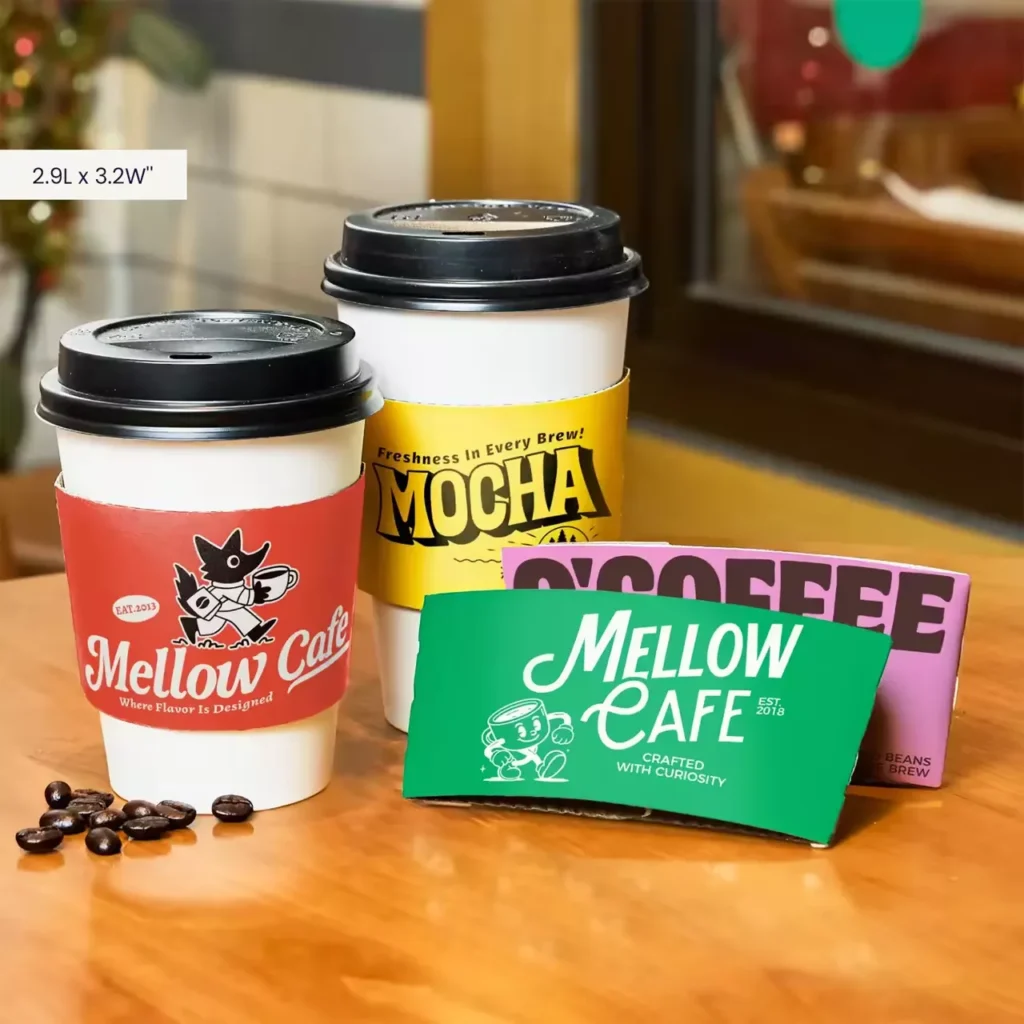
A: No. They don’t prevent it, but they make the cup easier to hold and reduce moisture transfer to the bag.
Q: What kind of bag works best for cold drinks?
A: Moisture-resistant or laminated paper bags hold structure much better than standard kraft paper.
Q: Will a thicker cup fix the sweating issue?
A: No. It improves insulation feel, but condensation still forms on the outer surface.